Find equipment by installation point and separation task.
All magnetic separators →Start with the material or production line you need to protect.
All applications →Compare technologies, check parameters and prepare your RFQ.
All guides →See the factory, quality checks and answers before you request a quotation.
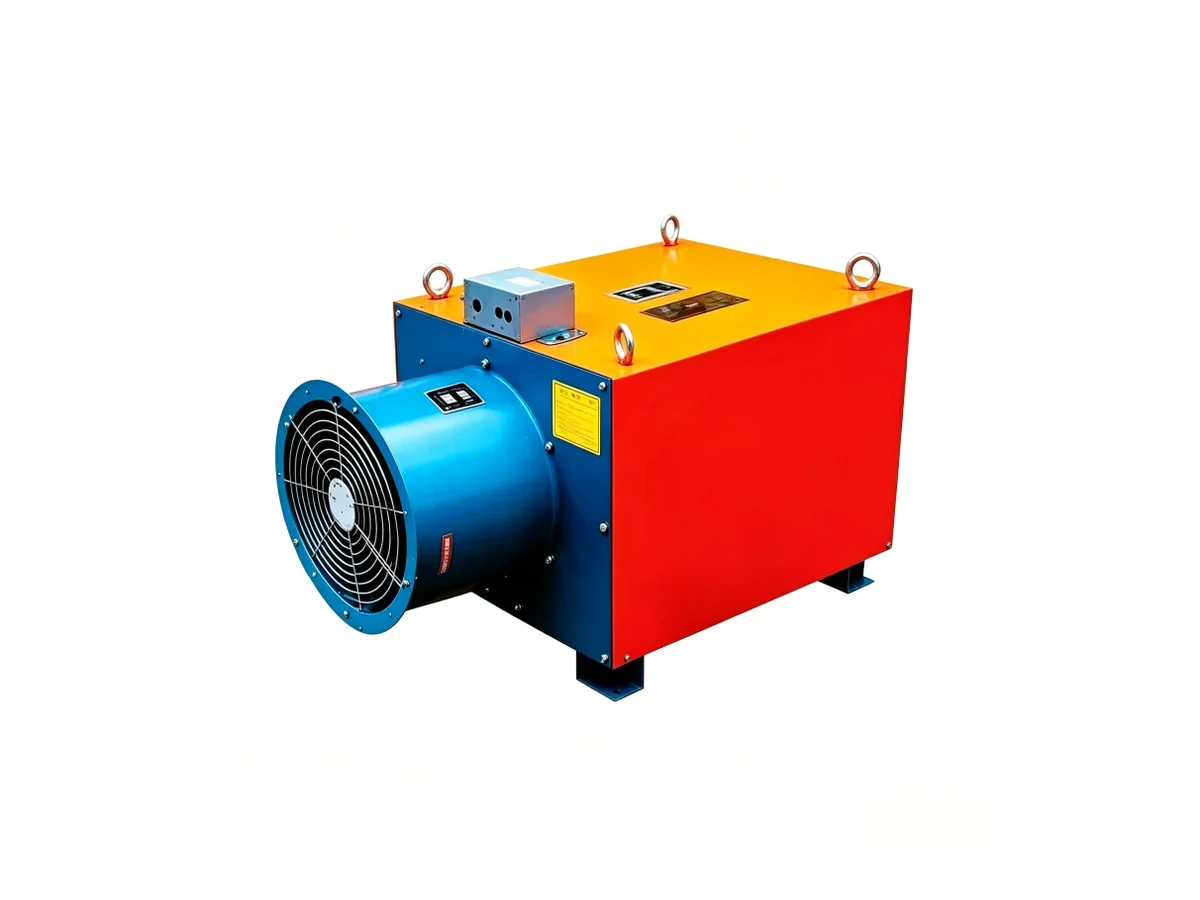
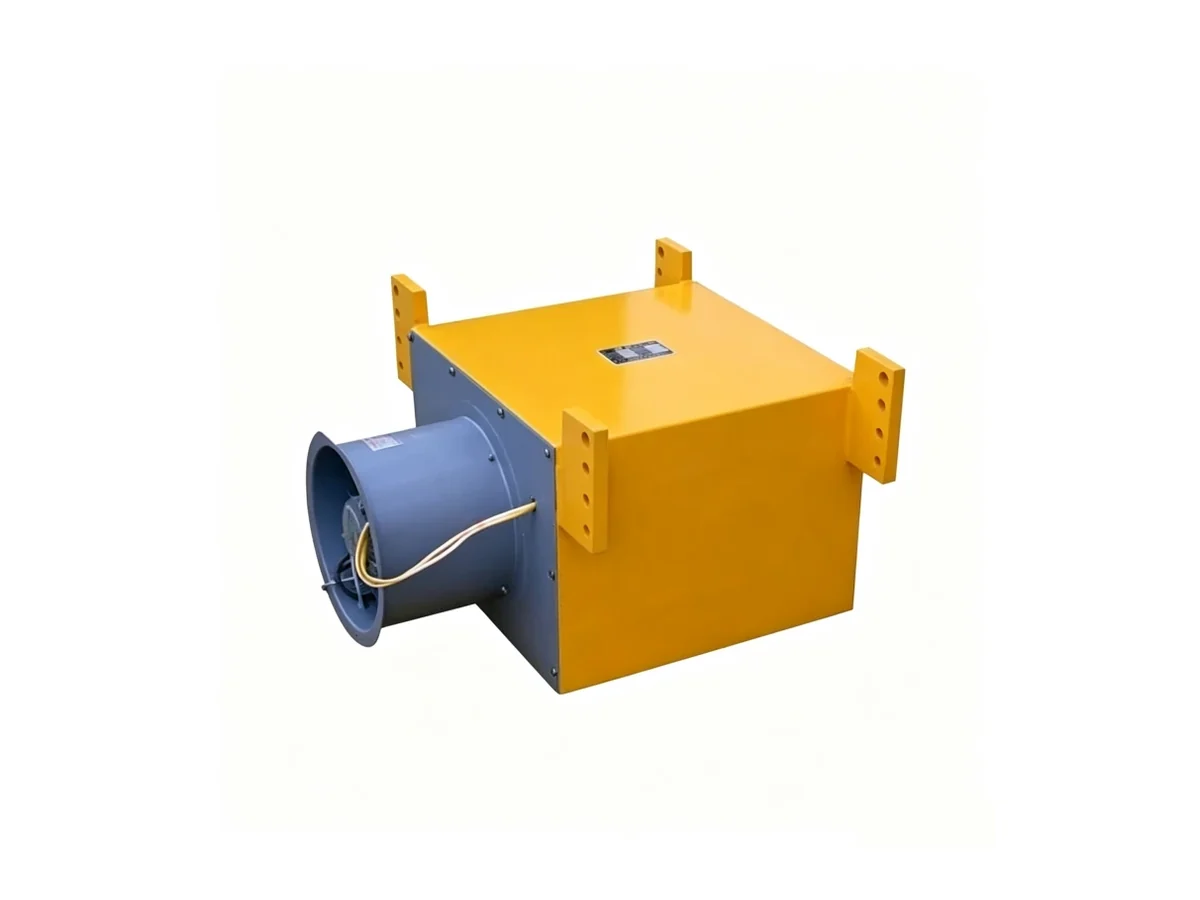
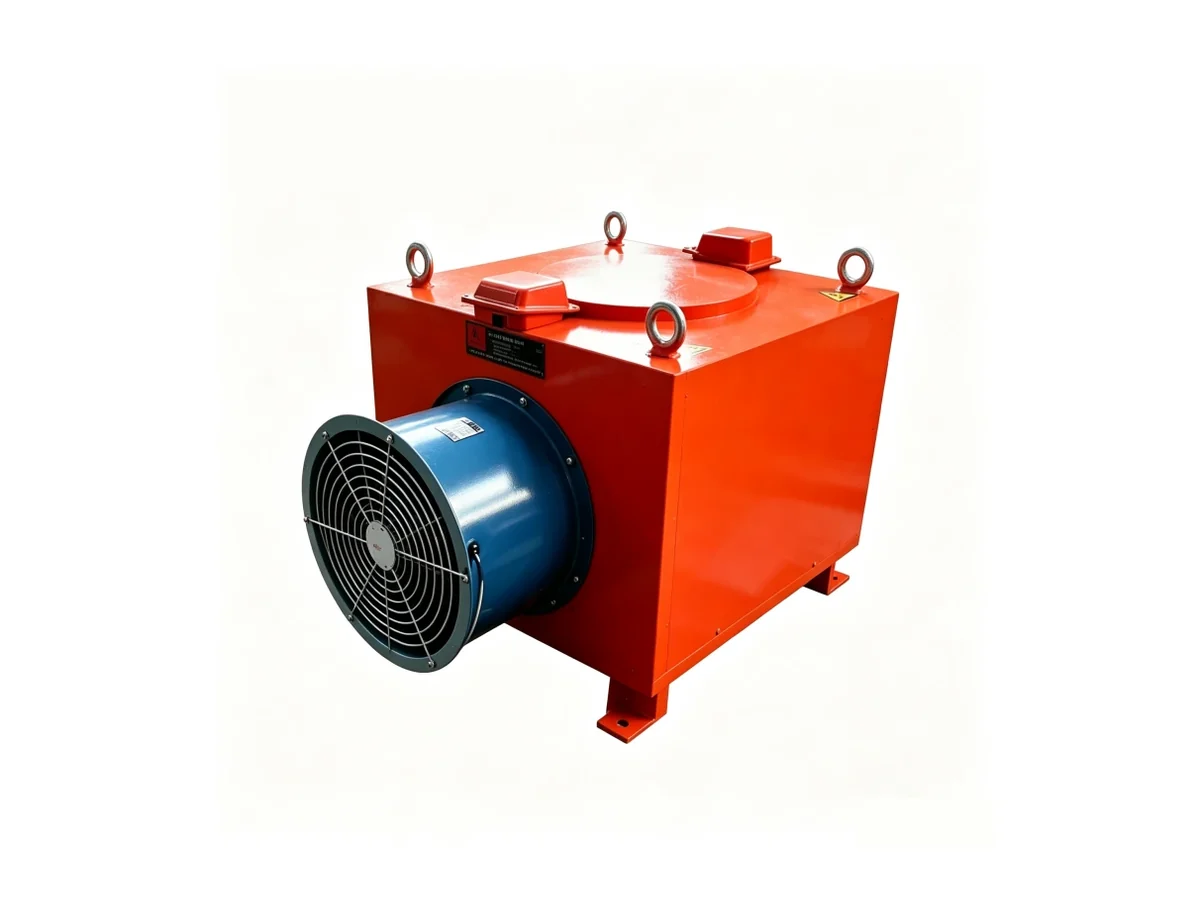
Corvelan air-cooled electromagnetic separators remove unwanted iron and steel from material moving on a conveyor. The electromagnet uses forced air to carry heat away while it runs. We choose the setup from your belt width, working distance, material depth, belt speed and target tramp iron.

This separator is a good option for dry or reasonably free-moving material on a conveyor. It removes unwanted iron and steel tramp metal. We also check how far the iron is from the magnet and how often cleaning is needed. The conveyor layout and site power conditions also matter.
Corvelan uses this equipment to remove unwanted iron and steel from conveyor-fed bulk materials. Common tramp metal includes bolts, nuts, tools, chain pieces and scrap steel. The result depends on the size, shape, weight and position of the metal, plus the distance from the magnet.
We can review aggregate, ore, coal, clinker-related material, recycling feed, wood, biomass and other bulk solids. Send us the actual material and target metal so we can check the application.
Aluminum and copper need a non-ferrous separation method. Stainless steel can respond differently by grade and condition. If stainless steel is part of the target, send the grade or a sample requirement.
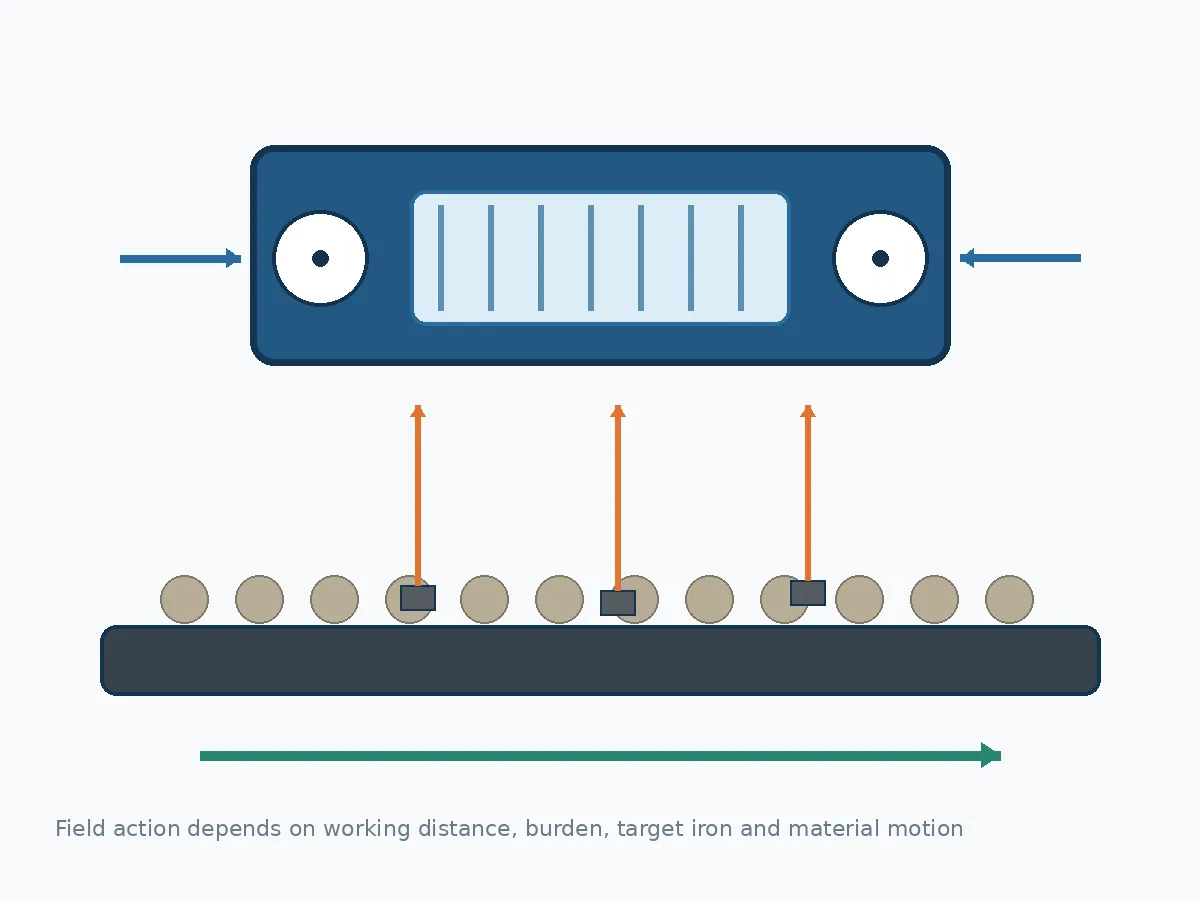
When the coil is energized, it creates a magnetic field. Iron and steel pieces are pulled toward the magnet when they enter this field. The farther the iron is from the magnetic face, the harder it is to capture. Material depth, belt speed, and the size and shape of the iron also matter.
The coil creates heat while the magnet is energized. Fans move air around the electromagnetic assembly to carry this heat away. We choose the cooling setup from the required running time, site temperature and magnetic load. The final fan layout is confirmed with the selected separator.
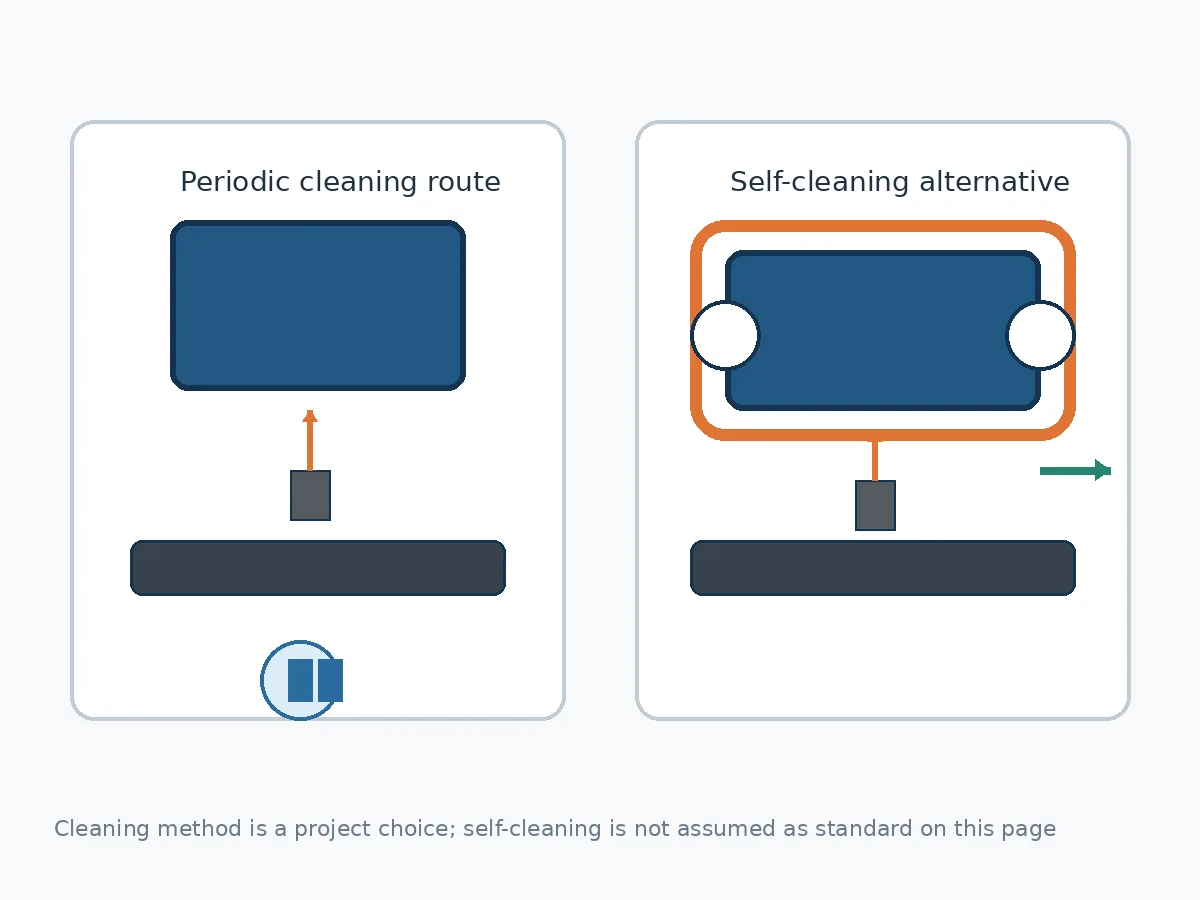
The captured iron still has to be removed. Periodic cleaning can work when tramp loading is low and planned stops are acceptable. Choose a self-cleaning electromagnetic separator when the line needs automatic, continuous iron discharge.


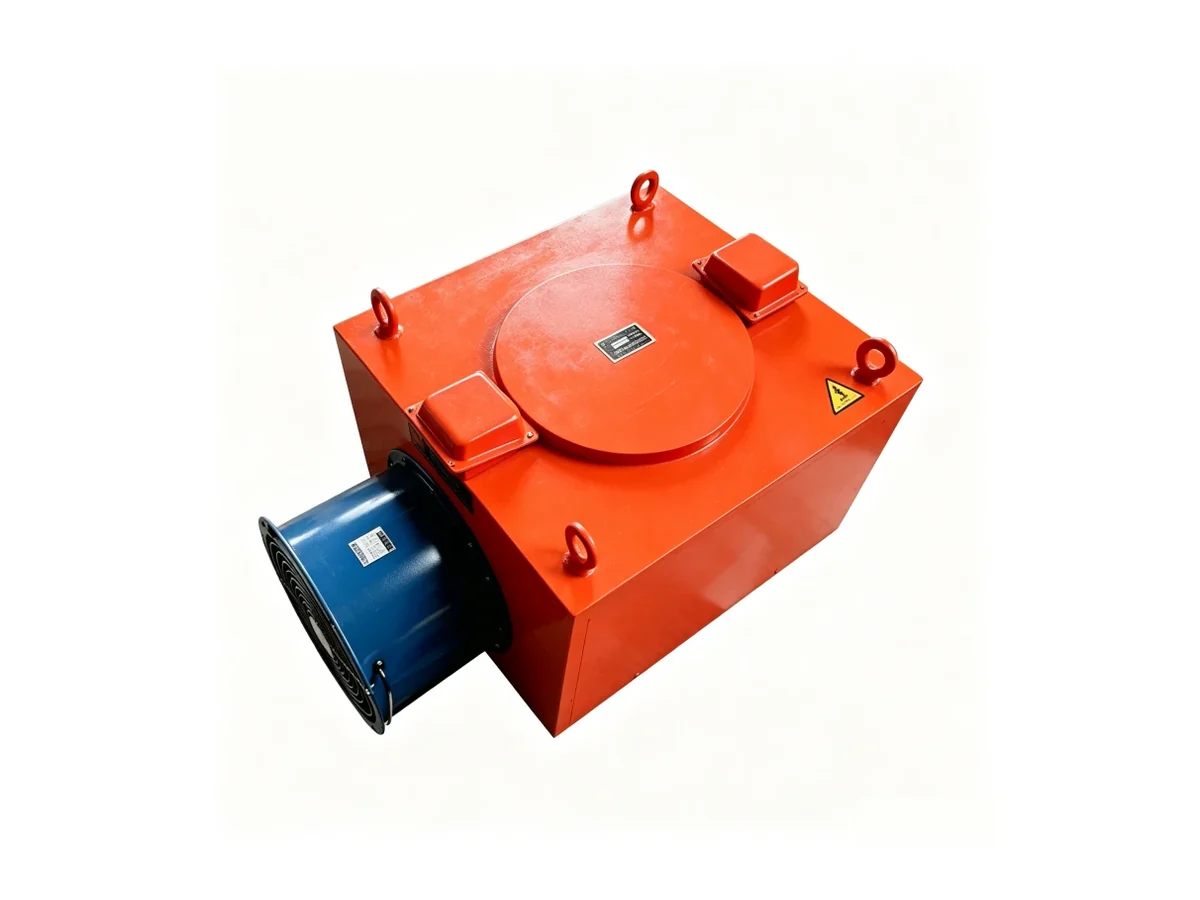
The fan, coil enclosure, lifting points and service space must work together. We check the required running time, site temperature and available space before we choose the cooling setup.
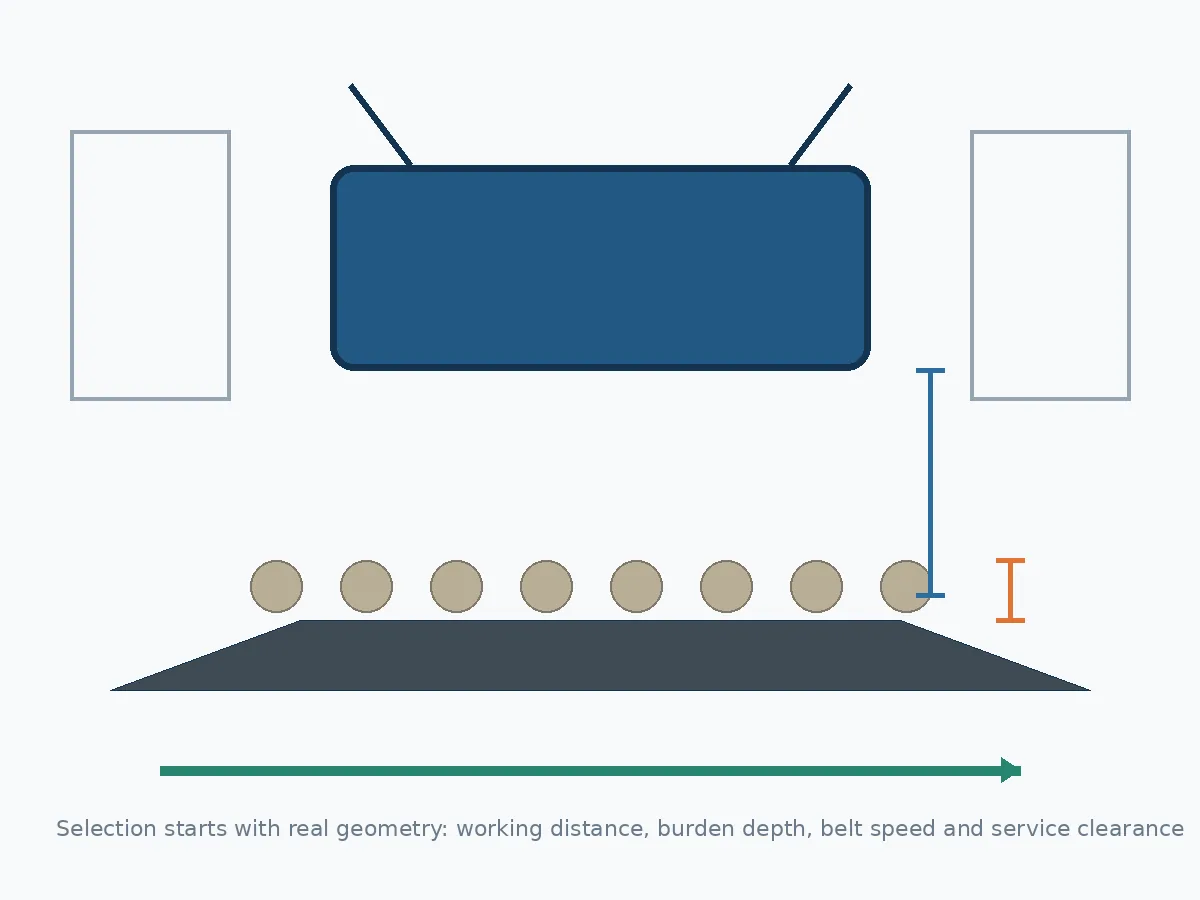
Measure from the magnetic face to the iron at the hardest place inside the material bed. This is the real working distance. It matters more than the empty gap above the conveyor.
Burden depth means how deep the material bed is on the conveyor. A deeper or uneven bed makes the magnet work through more material and can hold buried iron in place.
Belt speed changes how long the iron stays in the magnetic field. It also changes the material path at transfer points.
The size, shape, weight, position and amount of tramp iron all affect how hard it is to capture.
Steel beams, idlers and chutes near the magnet can affect the magnetic field and the space available for installation.
We check how long the magnet needs to run, how much heat the coil makes and the site temperature.
We evaluate the magnetic solution, cleaning method and installation position separately. We check each one against your conveyor and target tramp iron.
| Magnetic Solution | What it means | When we review it |
|---|---|---|
| Air-cooled electromagnetic separator | An energized coil creates the magnetic field. Forced air carries heat away from the electromagnetic assembly. | Review it when an electromagnetic solution fits the target and working distance, and the site can provide the required electrical supply and airflow. |
| Oil-cooled electromagnetic separator | An energized coil creates the magnetic field. An oil cooling circuit carries heat away from the electromagnetic assembly. | Compare it when the running condition, site environment or service needs point to an oil-cooled design. |
| Permanent suspended magnet | A permanent magnetic circuit creates the field. Electrical power is not used to create the magnetic field. | Compare it when a permanent field can meet the target and working distance, and the process does not need an energized coil. |
| Your situation | Option to consider | What we check |
|---|---|---|
| Iron appears only occasionally, and planned cleaning stops are acceptable | Air-cooled separator with periodic cleaning | We check safe access, how much iron can collect and how often the line can stop. |
| Frequent tramp iron or automatic discharge is required | Self-cleaning electromagnetic separator | We check the discharge belt, drive, guarding, iron path and service space. |
| There is room to discharge iron to the side | Crossbelt layout | We check orientation, discharge side, support and clearance. |
| The separator is near a head pulley or transfer point | Inline layout | We check the material path, working distance, head-pulley layout and iron discharge path. |
| You prefer an air-cooled design without an oil cooling circuit | Air-cooled electromagnetic separator | We check running time, site temperature, airflow and the electrical package. |
| Long running hours, hot conditions or a difficult working distance | Compare electromagnetic cooling options | We check magnetic reach and heat load first, then choose the cooling method. |
One separator size does not fit every conveyor. Send us your conveyor and material details. We use them to choose the equipment and confirm the final values in the quotation and general arrangement (GA) drawing.
| What we need | Why it matters | What we confirm |
|---|---|---|
| Conveyor belt width | Sets the magnetic coverage and the equipment width needed above the conveyor. | Selected equipment width and layout. |
| Burden depth / real working distance | Shows how far the magnetic field must reach to the hardest target position. | Selected setup checked against the stated distance. |
| Belt speed | Changes how long the iron stays in the magnetic field and how the material moves. | Selected setup checked against the belt speed. |
| Target tramp iron | Piece size, shape, weight and amount affect how hard the iron is to capture. | Target Tramp Iron listed in the sizing notes. |
| Cleaning requirement | Shows whether periodic cleaning or automatic discharge is the better choice. | Cleaning and discharge method in the proposal. |
| Electrical supply | The magnet, fan and controls must match the site power supply. | Electrical scope for the selected equipment. |
| Ambient / dust condition | Dust and site temperature affect cooling and equipment protection. | Equipment checked against the stated site conditions. |
| Installation position | Crossbelt and inline layouts need different space and iron discharge paths. | GA drawing for the selected installation. |
| Dimensions & weight | Needed for support steel, lifting and service space. | Final values in the quotation and GA drawing. |
| Acceptance requirement | If you need a measured result, the target and test method must be defined. | Agreed test or inspection plan when needed. |
Remove iron and steel tramp metal before it reaches the crusher. We check the target metal and working distance first.
Remove iron and steel pieces before they reach downstream grinding equipment.
A transfer point can be a good location. It can reduce the working distance and give captured iron a clear discharge path.
We can configure the separator for mining, aggregate, coal, recycling, biomass and other conveyor-fed bulk materials that may contain tramp iron.
Keep the magnetic face as close as practical to the tramp iron. You still need enough space for safe material flow, iron discharge and maintenance. We also check nearby steelwork because it can affect the magnetic field.


Send us a conveyor side view, belt width, material depth and available headroom. We can then check the magnet position, iron discharge direction and service space before the support frame is built.

Plan fan access and iron removal when you plan the installation. The separator also needs enough room for safe cleaning, inspection and service.

We keep the conveyor data, drawing and any agreed test condition tied to the same setup. This helps prevent a mismatch between the quoted separator and the real installation.
Record belt width, belt speed, material depth, real working distance and the target tramp iron.
Check overall size, support points, lifting points, service space and electrical interfaces on the selected general arrangement drawing.
Define which dimensions, cooling parts, wiring items and identification details need to be checked before shipment.
If a magnetic or capture test is needed, define the target piece, distance, position and pass condition before the order.
Tell us which drawings, inspection records or performance tests your purchase requires. We will confirm what is included in the quotation. We only publish measured results with the test condition stated.
Use the GA drawing to confirm the final size, lifting points, support position, service space and quoted interfaces.
Use real product views to check the enclosure, cooling-fan arrangement, suspension points and service access.
Where required, the inspection scope can identify the dimensions and interfaces that must match the approved drawing.
Project checks can cover the quoted electrical package, fan arrangement and the items agreed before shipment.
If a field reading is required, the record should state the measurement point and distance. Surface Gauss alone does not show conveyor performance.
If capture testing is part of the project, define the test before the order. State the test piece, weight, working distance, orientation and running condition.
Do not compare projects by industry name alone. A useful case should show the conveyor conditions, target tramp iron, selected setup and the way the result was checked.
| Case information | Why it matters | What should be recorded |
|---|---|---|
| Material and Installation Location | Shows what the separator is protecting or cleaning. | Material type and whether the unit is before a crusher, mill, transfer point or other conveyor position. |
| Belt width and belt speed | Defines conveyor coverage and exposure time. | Actual operating width and speed. |
| Burden depth and real working distance | Shows how far the magnetic field must reach. | Normal and maximum material depth plus the distance to the hardest target position. |
| Target tramp iron | Different pieces are not equally easy to capture. | Material, size, shape, weight and expected frequency. |
| Installation and cleaning method | Changes discharge space and service needs. | Inline or crossbelt position and periodic or self-cleaning method. |
| Result evidence | Shows what was actually checked. | Measured test result, inspection record, captured-iron photo or other stated evidence. |
You do not need to choose a separator from Gauss alone. Send us the conveyor and tramp-iron details. We use them to choose the magnetic setup, cooling method and cleaning method. The quoted equipment is then tied to the drawing and agreed checks.
Belt width, speed, burden, headroom and installation position.
Target material, piece size, weight and expected loading frequency.
Air-cooled electromagnetic setup, cleaning method and installation direction.
Support, clearance, discharge, electrical interface and service access.
The quotation and GA drawing define the selected equipment. Agreed inspection or test items are listed with the project scope.
It uses electrical power to create a magnetic field that pulls iron and steel from conveyor-fed material. Fans carry heat away from the electromagnetic assembly while it runs.
Both use an energized coil to create the magnetic field. Air-cooled designs use forced air to carry heat away. Oil-cooled designs use an oil cooling circuit. We compare the cooling method with the running time, site temperature, working distance and service needs.
No. Air cooling tells you how the electromagnet removes heat. Self-cleaning tells you how captured iron is discharged. We check these two needs separately.
There is no single height for every conveyor. We use the real working distance: the distance from the magnetic face to the hardest target position inside the material. We also check safe clearance and the conveyor layout.
Not always. Gauss tells you the magnetic field strength at one measured point. It does not tell you by itself whether the separator can lift iron through your material bed. Working distance, iron size and shape, material depth and belt speed also matter.
The main targets are iron and steel pieces such as bolts, tools, chain pieces and scrap. Send the expected size, shape, weight and amount so we can check the application.
Choose a self-cleaning separator when tramp iron is frequent, the line needs automatic discharge or repeated cleaning stops are not practical. We then check the discharge belt, drive, guarding and discharge space.
Start with the material, target tramp iron, belt width, belt speed, material depth or working distance, and one installation photo or drawing. Add throughput, lump size, moisture, bulk density, site conditions, power supply and test requirements when available.
If your project needs a defined test, tell us before quotation. Give us the target piece, working distance and test condition. We can then confirm whether the selected equipment can include that test.

You do not need a finished specification. Send the belt width, belt speed, material depth or working distance, target tramp iron and one installation photo. That is enough for us to start.
We use this information to check magnetic reach, cooling needs, installation direction and the iron-cleaning method before we confirm the equipment.