
Mineral Beneficiation
Iron Ore Separation
Recover magnetic iron minerals or improve iron ore quality by integrating magnetic separation into your processing line.
Explore Iron Ore Separation →Find equipment by installation point and separation task.
All magnetic separators →Start with the material or production line you need to protect.
All applications →Compare technologies, check parameters and prepare your RFQ.
All guides →See the factory, quality checks and answers before you request a quotation.
Magnetic separation solutions depend on your material, contamination type, processing conditions and separation requirements. Explore Corvelan applications to find suitable magnetic separator options for different industries and materials.
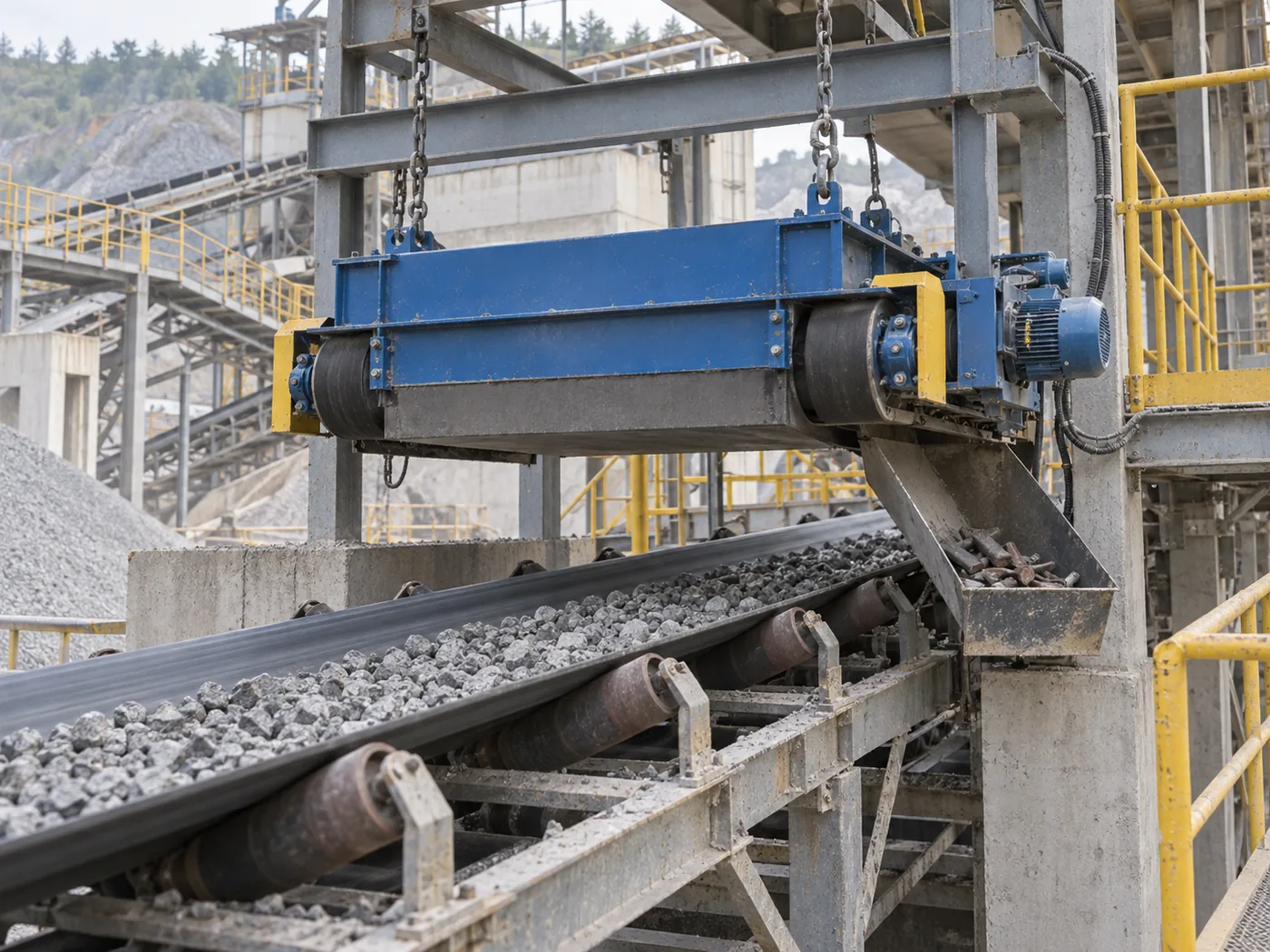
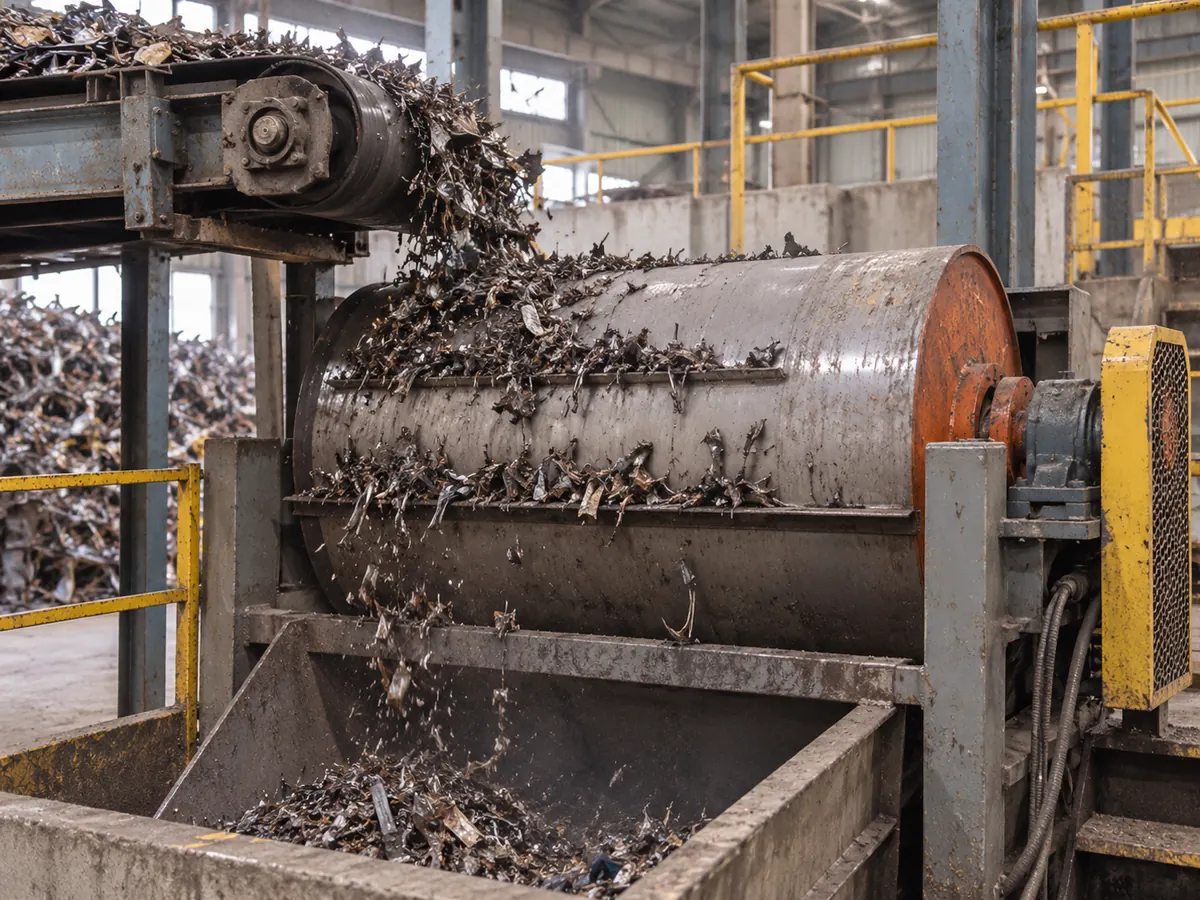
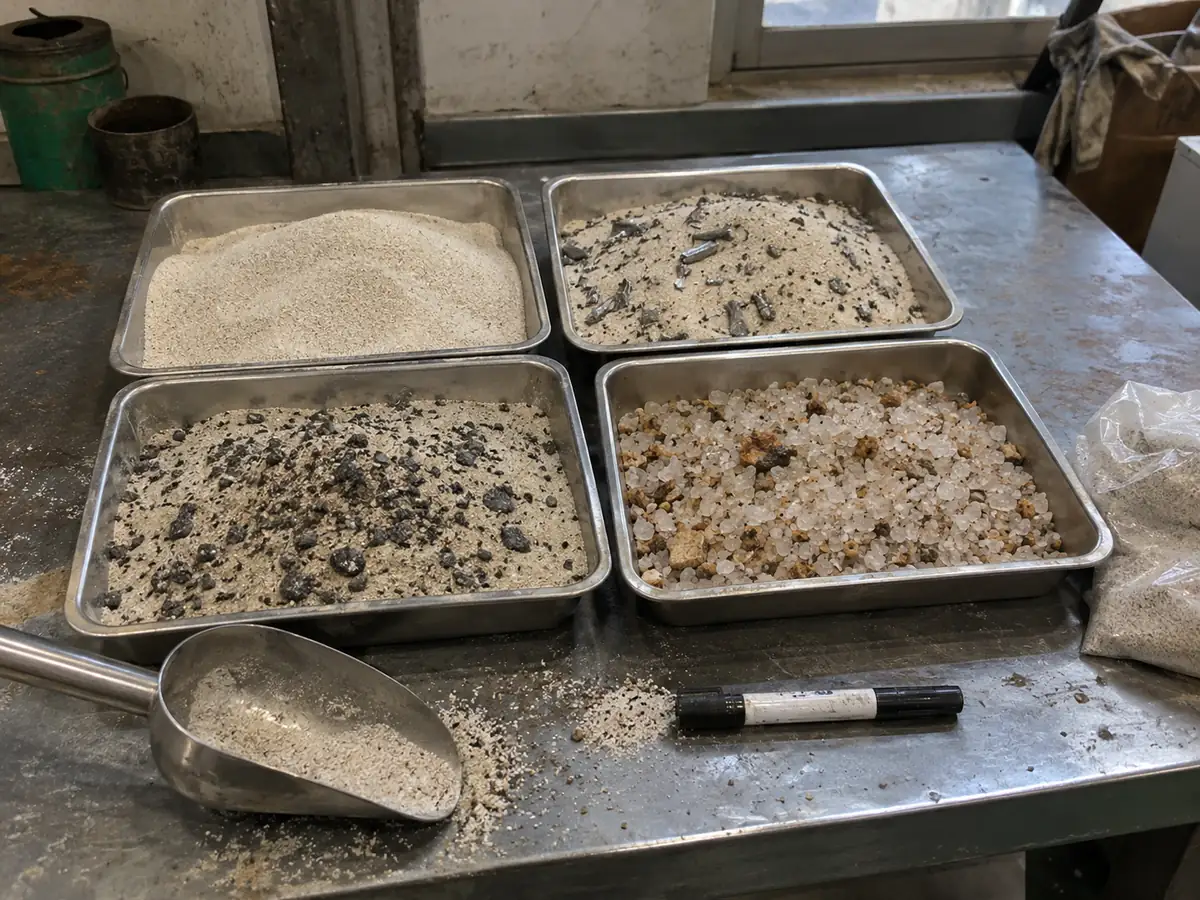
Industrial magnetic separation is used to recover magnetic minerals, remove ferrous contamination, purify materials, recover iron and steel from recycling streams, and protect crushers, mills, shredders and other downstream equipment. The right separator depends on your material type, contamination challenge, installation conditions and separation requirements.
Explore the application pages below to find suitable magnetic separation solutions based on your material, contamination type and separation requirements. Each page explains common separation challenges, suitable equipment options and the information needed for an accurate quotation.
Recover magnetic iron minerals or improve iron ore quality by integrating magnetic separation into your processing line.
Explore Iron Ore Separation →Remove free ferrous contamination, magnetite and selected weakly magnetic iron-bearing impurities from silica or quartz sand.
Explore Silica Sand Purification →Evaluate magnetic removal of iron-bearing and discoloring mineral impurities where product brightness, chemistry and recovery must be balanced.
Explore Kaolin Purification →Separate titanium-bearing minerals based on their magnetic properties and material characteristics.
Explore Titanium Ore Separation →Remove tramp iron from coal handling systems and protect crushers, screens and other downstream equipment.
Explore Coal Magnetic Separation →Capture bolts, wire, steel fragments and other ferromagnetic tramp before they reach crushers, mills, screens, shredders or sensitive downstream equipment.
Explore Conveyor Iron Removal →Recover liberated iron and steel from shredded scrap, reduce ferrous carryover and place the magnetic stage correctly before or after size reduction.
Explore Scrap Metal Separation →Recover liberated steel wire from shredded tire and rubber recycling streams after the process has exposed the magnetic fraction sufficiently for separation.
Explore Tire Wire Recovery →The same material can require different magnetic equipment at different positions in the process. Define the duty first, then match the separator family to the material and installation.
Remove damaging tramp iron before crushers, mills, screens, shredders or other high-consequence process equipment.
Recover iron, steel, wire or strongly magnetic mineral fractions as a product or controlled reject stream.
Reduce magnetic contamination or iron-bearing mineral impurities from a non-magnetic product stream.
Stage mineral fractions according to magnetic response as one part of a wider crushing, grinding and beneficiation flowsheet.
This guide helps you understand suitable magnetic separator solutions for different materials and applications. The right equipment depends on your material type, separation requirements and installation conditions.
| Application | Main Objective | Typical Target | Starting Magnetic Separator Types |
|---|---|---|---|
| Iron Ore | Mineral recovery or rejection | Magnetite and other responsive iron minerals | Magnetic drum or other ore-specific magnetic separation route |
| Silica Sand | Purification | Free ferrous, magnetite and selected weak magnetic impurities | Pre-cleaning drum, dry high-intensity or wet high-gradient route |
| Kaolin | Purification | Iron-bearing and discoloring magnetic mineral impurities | High-intensity or high-gradient route after material review |
| Titanium Ore | Beneficiation | Magnetite, titanomagnetite and selected ilmenite-related fractions | Test-based staged magnetic separation route |
| Coal | Equipment protection / ferrous removal | Bolts, wire, rods and steel fragments | Suspended magnet, overband, head pulley or drum by installation location |
| Conveyor | Tramp iron removal | Ferromagnetic metal in moving bulk material | Manual suspended or self-cleaning overband magnetic separator |
| Scrap Metal | Ferrous recovery | Liberated iron and steel | Magnetic drum, overband or magnetic head pulley |
| Tire Recycling | Steel wire recovery | Liberated tire bead and steel wire | Magnetic drum, overband or head pulley by line position |
A reliable recommendation starts with understanding your material, application requirements and operating conditions. These six inputs normally determine whether a proposed magnetic separator option is technically sensible enough to move into detailed configuration.
Ore, sand, powder, coal, shredded scrap, rubber or another bulk material. Bulk density and flow behavior may affect presentation.
Tramp iron, magnetic mineral, ferrous recovery fraction or magnetic impurity. The target defines what must move in the field.
A stronger magnetic field cannot separate material that is still locked inside another particle or composite piece.
Dry, wet, slurry, sticky, free-flowing, stable or highly variable. The separator must match how the real feed reaches the magnetic zone.
Capacity, material depth and feed consistency affect separation performance and equipment selection.
Common installation locations include conveyors, head pulleys, chutes and processing lines. The installation location affects both equipment design and separation performance.
Magnetic separation works best when the equipment matches the material flow and the requirements of your production line.
The equipment family should follow the separation duty and installation location. One separator type should not be forced into every material just because it appears in a catalog.
Useful for continuous magnetic/non-magnetic discharge with controlled bulk feed, mineral duties and ferrous recovery.
A common solution for occasional tramp iron removal above conveyor-fed bulk material.
Better suited where captured ferrous loading is frequent and automatic reject discharge is required.
Integrates the separation point with the conveyor discharge trajectory for continuous ferrous separation.
Reviewed for selected weakly magnetic mineral impurities where conventional strongly magnetic separation is insufficient.
These examples show common magnetic separation challenges across different industries. Final equipment recommendations depend on the actual material and application conditions.
For silica sand and kaolin, identify whether the unwanted iron is free, strongly magnetic, weakly magnetic or locked before choosing the magnetic stage.
For coal and bulk handling, define burden depth, working distance, belt speed, target tramp iron and reject path before selecting suspended equipment.
For scrap and tire recycling, recovery begins with liberation. Shredding and feed control often determine whether the magnetic stage can separate the ferrous fraction cleanly.
You do not need a finished equipment specification before contacting Corvelan. Send the application information you already have. Any missing details can be clarified during the initial discussion.
Send your material information, capacity requirements and separation needs. Corvelan will recommend a suitable magnetic separator based on your application.