
Industrial Metal Detection Equipment

Industrial Metal Detection Equipment

Find unwanted metal on your conveyor before it damages a crusher, shredder, mill or other machine, or before it stays in the product stream.

Tell us what you are conveying, what metal you need to find and what your conveyor looks like. We can help you narrow down the right detector type.

Protect a machine
Find damaging tramp metal before it reaches a crusher, shredder, mill or other downstream equipment.
Inspect a product
Check packaged or unpackaged products as they move through the line.
Retrofit an existing conveyor
Compare full-frame, split-frame and underbelt options around the space you already have.
Detect a specific metal
Tell us the metal type and the smallest piece you need to find.
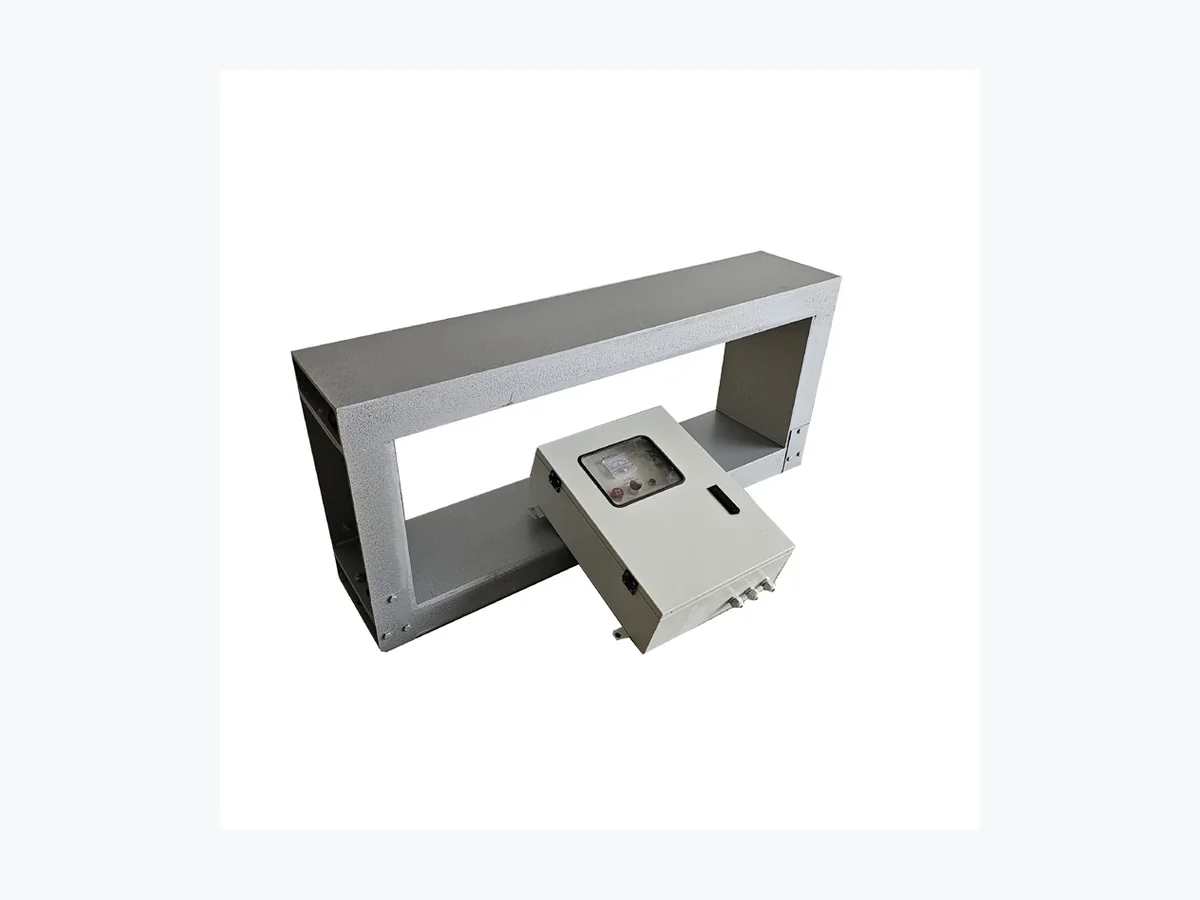
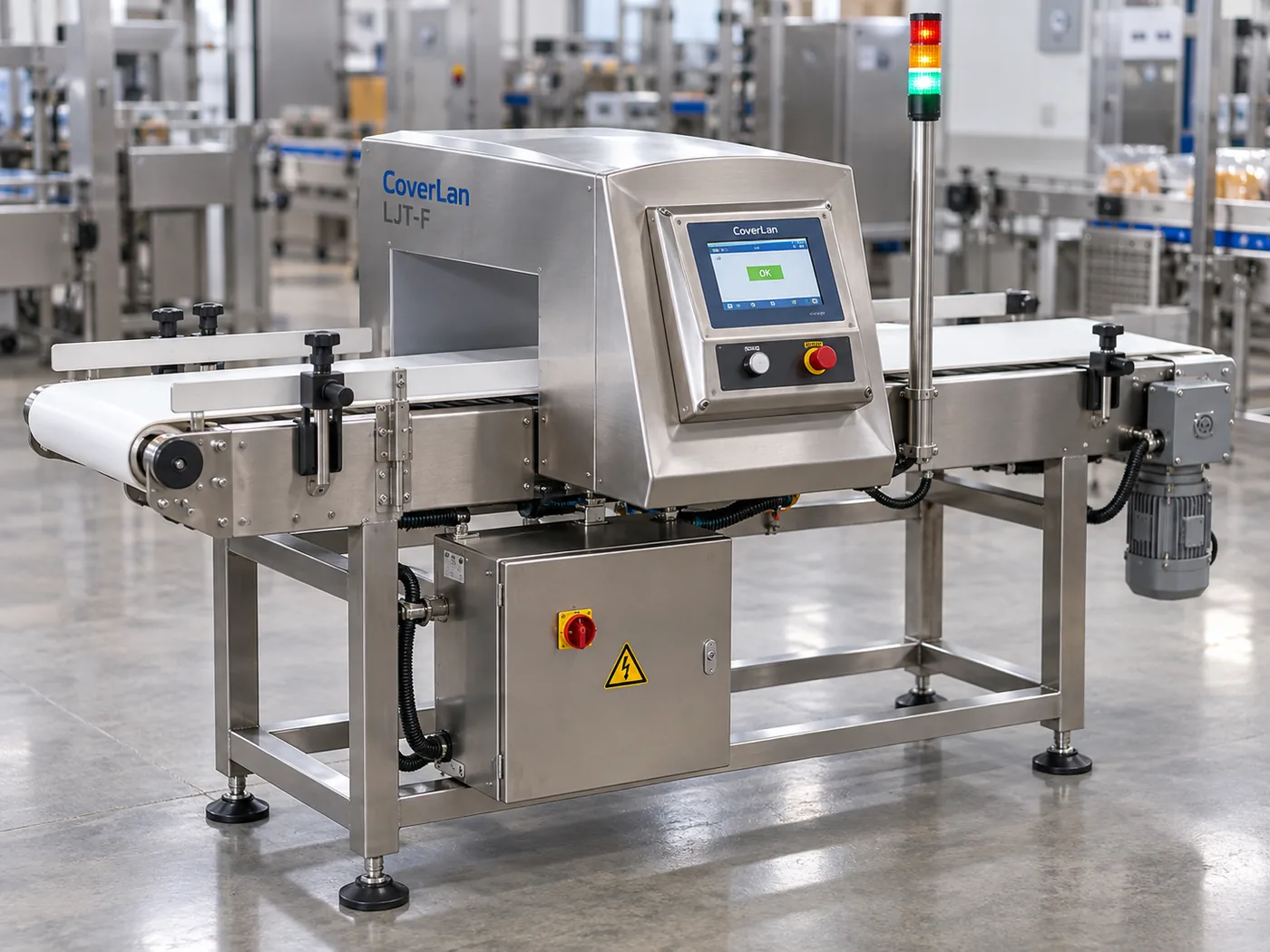
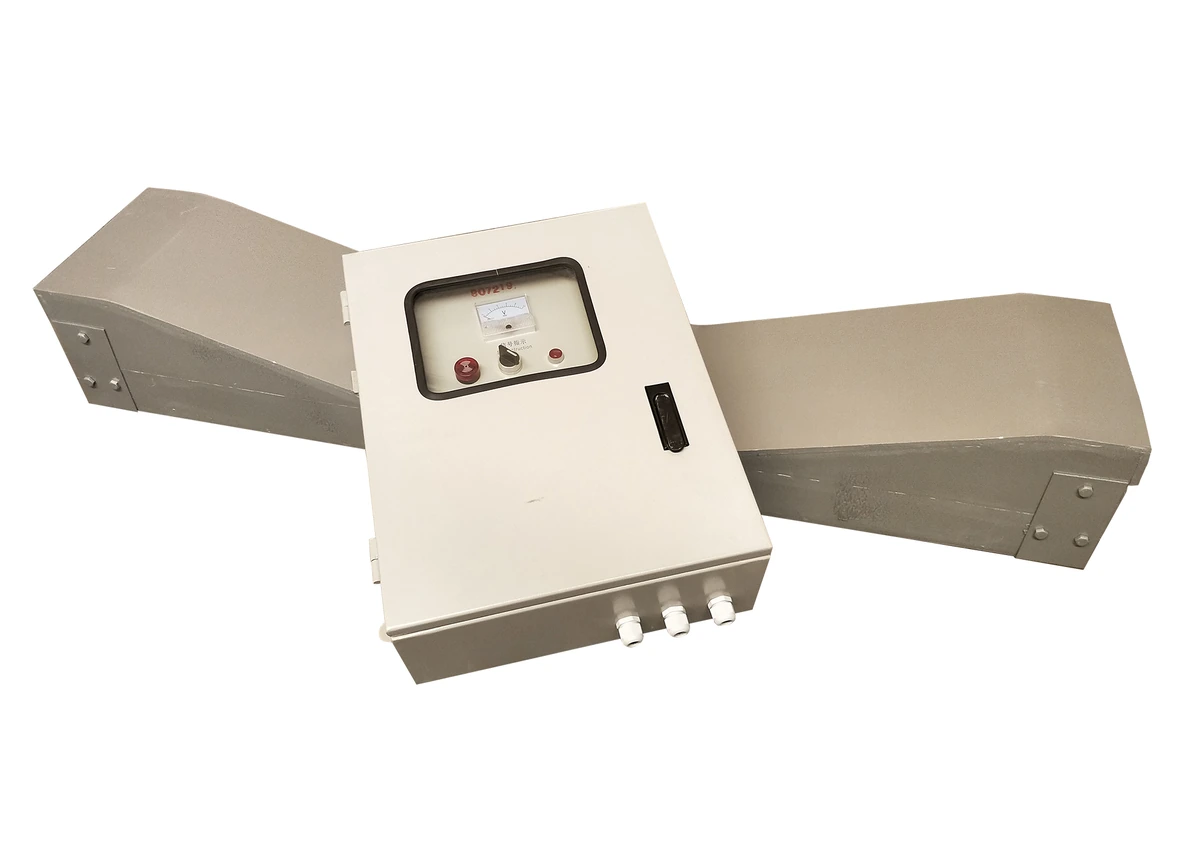
LJT-B split-frame tramp metal detector with control enclosure LJT-F conveyor product inspection metal detector LJT-H underbelt conveyor metal detector with control enclosure
Start Here

What are you trying to do?

Protect a crusher, shredder, mill or other machine

If bolts, tools, wire or broken machine parts can travel with bulk material, start with a bulk-conveyor metal detector.

Tell us the smallest metal piece that could damage the machine. That is usually more useful than simply asking for “high sensitivity.”

Inspect packaged or unpackaged products

If products pass through a detector opening on a conveyor, start with an inline product metal detector.

Product size, packaging, speed and the metal you need to find all matter.

Add a detector to an existing conveyor

Installation space can decide the detector type before sensitivity does.

If removing the belt is difficult, compare LJT-B. If space is mainly below the belt, compare LJT-H. If a full frame fits easily, compare LJT-A or LJT-E.

Quick Comparison

Which metal detector fits your line?

Your situation First model to check Why it may fit Choose another option if
Bulk conveyor + protect a crusher or mill + full frame can fit LJT-A or LJT-E Both are made for bulk-conveyor metal detection. If removing or cutting the belt is difficult, check LJT-B. If there is little room around the belt but useful space below it, check LJT-H.
Bulk conveyor + existing line + difficult belt removal LJT-B The split-frame design can make installation easier on some existing lines. If a full-frame detector can be installed easily, compare LJT-A or LJT-E too.
Bulk conveyor + little room around the belt + usable space below LJT-H An underbelt detector may be easier to fit. If a full frame fits easily and gives a practical detector position, compare LJT-A or LJT-E.
Packaged or unpackaged products need inline inspection LJT-F The product passes through a detector opening for inspection. Use a bulk-conveyor detector instead if loose material is spread across a mining, quarry, recycling or similar conveyor.
You mainly want to remove magnetic iron continuously Consider a magnetic separator A metal detector finds metal. A magnetic separator removes suitable magnetic ferrous metal from the material stream. If non-ferrous metal also matters, or you need an alarm or stop signal, metal detection may still be needed.
Bulk Conveyor Models

A quick way to narrow down LJT-A, LJT-B, LJT-E and LJT-H

1

Can a full detector frame fit around the belt?

Yes: compare LJT-A and LJT-E first.

No: check the next question.

2

Is removing or cutting the belt difficult?

Yes: LJT-B is the first model to compare because of its split-frame design.

3

Is there useful space below the belt?

Yes: compare LJT-H as an underbelt option.

4

Still choosing between LJT-A and LJT-E?

Do not choose from appearance alone. Send us the metal, smallest target, belt width, material depth, belt speed, belt construction and a photo of the detector area.

LJT Metal Detectors

Compare our metal detection equipment

Start with the model that best matches your conveyor and the job you need to do. If two models look suitable, send us your conveyor and metal details and we can help you narrow them down.

LJT-A conveyor metal detector frame for bulk material belt conveyors
LJT-A

Bulk Conveyor Frame Detector

Best for: Bulk conveyors where a full detector frame can fit around the belt.

Choose this model when: You need bulk-material metal detection and there is enough room around the conveyor for a full-frame detector.

Compare another model if: Check LJT-B if removing or cutting the belt is difficult. Check LJT-H if there is little room around the belt but useful space below it.

What to tell us: Tell us the metal you need to find, the smallest piece that matters, belt width, material depth, belt speed and belt construction.

View LJT-A details →
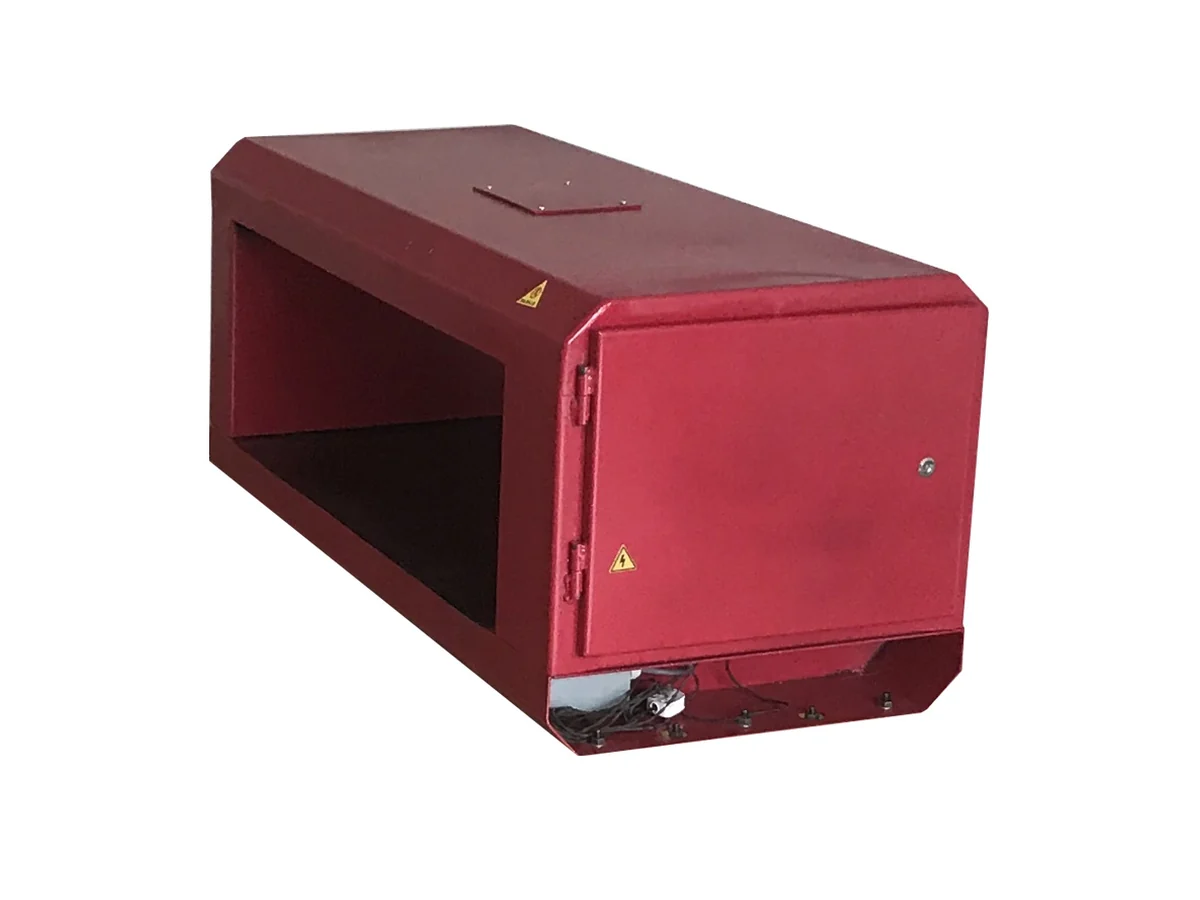
LJT-B split-frame tramp metal detector with control enclosure
LJT-B

Split-Frame Tramp Metal Detector

Best for: Existing bulk conveyors where removing or cutting the belt would make installation difficult.

Choose this model when: A split frame makes it easier to add a detector to an existing conveyor.

Compare another model if: If you are designing a new line and a standard full-frame detector fits easily, compare LJT-A or LJT-E as well.

What to tell us: Tell us the belt width and construction, material depth, target metal, smallest metal piece you need to find and the space around the belt.

View LJT-B details →
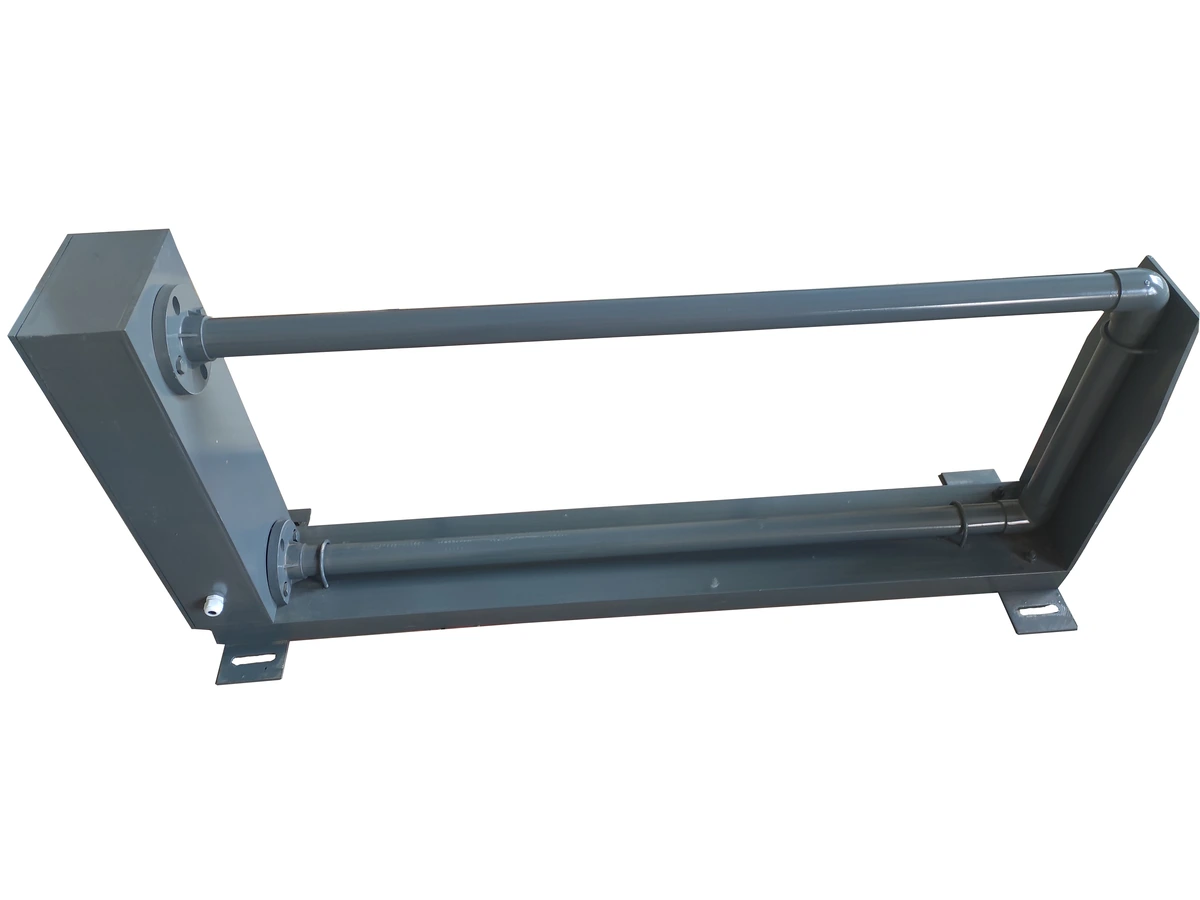
LJT-E conveyor metal detector for bulk material conveyor protection
LJT-E

Bulk Conveyor Tramp Metal Detector

Best for: Bulk conveyors where tramp metal may damage crushers, mills or other downstream equipment.

Choose this model when: Its detector layout fits your conveyor and the job is to find damaging metal in a bulk material stream.

Compare another model if: Check LJT-B if retrofit access is the main problem. Check LJT-H if the available installation space is mainly below the belt.

What to tell us: Tell us the target metal and size, belt width, material depth, belt speed, belt construction and what should happen after metal is found.

View LJT-E details →
LJT-F conveyor product inspection metal detector
LJT-F

Conveyor Product Inspection Metal Detector

Best for: Packaged or unpackaged products that can pass through a detector opening on a conveyor.

Choose this model when: You need inline product inspection rather than bulk crusher-protection work.

Compare another model if: Choose a bulk-conveyor detector instead if loose material is spread across a mining, quarry, recycling or similar bulk conveyor.

What to tell us: Tell us product size, packaging, line speed, product spacing, target metal and whether you need an alarm, stop signal or reject action.

View LJT-F details →
LJT-H underbelt conveyor metal detector with control enclosure
LJT-H

Underbelt Conveyor Metal Detector

Best for: Conveyors where a detector below the belt fits better than a full frame.

Choose this model when: Space around the conveyor is limited and an underbelt detector is easier to install.

Compare another model if: Compare LJT-A or LJT-E if a full detector frame fits easily and gives a practical sensing position around the material.

What to tell us: Tell us the target metal and size, material depth, belt profile, speed and the space available below the belt.

View LJT-H details →
Metal to Detect

What metal do you need to find?

Ferrous metal

Steel bolts, nuts, tools and broken machine parts are common examples.

If you are protecting a crusher: focus on the smallest piece that could cause damage.

If you are inspecting a product: even much smaller contamination may matter.

Non-ferrous metal

If aluminum, copper, brass or another non-ferrous metal matters, tell us before choosing the equipment.

A magnetic separator cannot replace metal detection when non-ferrous metal is an important target.

Stainless steel

Stainless steel can be harder to detect than ordinary ferrous metal.

If you need to find small stainless steel in a wet or conductive product, tell us first. That is a more difficult job than finding a large steel object on a dry conveyor.

Do not compare different jobs from one sensitivity number. The metal type, size, material and conveyor or product condition all change the practical result.
Bulk Materials

What is the metal detector doing on your bulk conveyor?

Protecting a crusher or mill

Start with the smallest metal object that can damage the machine. Then check material depth, belt width and detector location.

Common materials include ore, aggregate, coal, wood and recycled material.

Checking metal before another process step

Place the detector before the process you want to protect or monitor. The exact position matters because the line still needs enough distance to stop or remove the metal.

Checking mixed or recycled material

Wire, bolts, tools and broken machine parts can vary a lot in size and shape. Tell us which pieces actually cause trouble on your line.

Product Inspection

What changes when you are inspecting a product?

Dry, stable products

Send product size, packaging, line speed, product spacing and the metal you need to find. These details help us check whether LJT-F fits the line.

Wet, salty or conductive products

These products can create their own signal inside a metal detector. This is called product effect.

A strong product effect can make very small metal harder to detect reliably.

Metalized or unusual packaging

Tell us about the packaging before you choose the detector. Packaging that contains metal can change which detector setup will work on the line.

How It Works

How does a conveyor metal detector work?

The detector creates an electromagnetic field around the inspection area. When metal passes through this area, it changes the signal.

The detector can then trigger an alarm, stop the conveyor or send a signal to another device. What happens next depends on how your production line is set up.

A metal detector finds metal; it does not remove the metal by itself. If you need automatic removal, the line needs a separate removal or reject method.
Sensitivity

What affects metal detector sensitivity?

Metal type and size

A large steel bolt is much easier to detect than a very small stainless-steel fragment.

As the target gets smaller, the other conditions on the line become more important.

Material depth on the belt

The deeper the metal is buried, the farther it is from the sensor. Small targets are affected more than large targets.

Engineers often call this burden depth. If the depth changes a lot, send us both the normal and deepest condition.

Belt speed

High speed does not automatically mean detection will fail.

Speed matters more when the target is small or when the line also needs accurate reject timing.

Belt construction

Steel cords, metal clips and repair joints can affect the detector. Small targets are harder to judge when the belt itself also contains metal.

Nearby metal and vibration

Steel frames, idlers, motors and strong vibration can affect where the detector should be installed. A site photo is often useful.

Your material or product

Mineralized bulk material and wet or conductive products can change the background signal. This matters most when the target is already difficult to detect.

Combined Conditions

What if your application has more than one difficult condition?

Deep material + small metal

A small metal piece buried under a deep layer of material is harder to detect than the same piece close to the sensor.

Send us both the target size and the normal material depth.

High belt speed + small metal

The target passes through the sensing area more quickly.

If the metal is small, send us the normal belt speed before choosing the detector.

Steel-cord belt + small metal

The belt already contains steel while the target you want to find is also small.

Do not choose from target size alone. Tell us the belt construction first.

Wet product + small stainless steel

This is more difficult than finding a large steel object in dry material.

The product signal and the weaker stainless-steel response can work against you at the same time. Use the real product and target when checking the job.

Sensitivity Setting

Is higher sensitivity always better?

No. The highest sensitivity is not always the best choice. If a detector is set too aggressively, your line may get unnecessary alarms or stops.

Large damaging metal

If the goal is crusher protection, focus on the smallest metal piece that can cause real damage. You may not need to chase much smaller harmless pieces.

Small contamination in a product

If the final product cannot accept small metal contamination, sensitivity becomes more important. Product size, moisture and packaging also matter.

Difficult belt or product conditions

Turning the sensitivity higher cannot remove interference from a steel-cord belt, wet product or nearby metal.

Check the belt, product and detector position first.

Comparing Sensitivity

Does the same sensitivity number mean the same real-world result?

No. A dry product with a ferrous target is not the same job as a wet product with a small stainless-steel target.

Material depth, moisture, packaging, belt construction, metal type and target position can all change how easy the metal is to detect.

Do not compare two metal detector applications from one sensitivity number without checking the test conditions.
Conveyor Belt

Will your conveyor belt affect metal detection?

Your conveyor What to do What this changes
Normal rubber or fabric belt Send belt width, speed, material depth and a photo of the detector area. These details help us check detector size and position.
Steel-cord belt Tell us before ordering. Do not assume LJT-A or LJT-E will behave the same as they would on a normal fabric belt. The belt construction may change which setup is suitable.
Metal clips, fasteners or repair joints Send us a photo or the splice details. If alarms happen mainly when the joint passes the detector, the detector may be reacting to the belt joint rather than tramp metal in the material.
Heavy steel structure near the detector Show us frames, idlers, chutes and motors around the area. You may need a different detector position if the proposed location is surrounded by moving or fixed steel.
Detector Location

Where should the metal detector be installed?

Before a crusher, shredder or mill

Install the detector before the machine you want to protect.

If it is too close to the machine, the conveyor may not have enough distance to stop before the metal reaches it.

After a process step

If you want to know whether a certain process is adding metal contamination, place the detector after that step when the conveyor layout allows it.

For final product inspection

Install the detector where the product can pass through the opening and where there is enough room for an alarm, stop or reject action afterward.

Detection or Removal

Metal detector or magnetic separator?

Only ferrous metal + you want continuous removal

A magnetic separator is usually the first equipment type to check.

Ferrous + non-ferrous metal both matter

A metal detector is needed for the non-ferrous part because a magnetic separator cannot remove non-magnetic metal in the same way.

You want removal + a warning if metal remains

Use a magnetic separator first, then add a metal detector where you still need independent metal detection.

You only need an alarm or stop for large tramp metal

A metal detector can be the simpler starting point when the main job is to warn the line about a damaging metal object.

Existing Equipment

Already have a metal detector but something is not working right?

Frequent alarms but no metal is found

Check metal belt splices, nearby moving steel, strong vibration and whether the material or product itself is affecting the signal.

Large metal is found but small metal is missed

Check target size, target position, material depth and the distance between the target and sensor.

The detector is stable on an empty belt but not with material

The material may be changing the signal. This can happen with some mineralized bulk materials and wet or conductive products.

The problem happens mainly at the belt joint

Check metal clips, fasteners or the splice first. The detector may be reacting to the belt joint instead of metal in the product.

Tell Us First

Tell us first if any of these apply

Your belt has steel cord

This can change which detector setup is suitable. Tell us the belt construction before ordering.

Your belt uses metal clips or splices

Send us a photo. Metal clips and joints can affect some detector setups.

Your material is highly mineralized

The material itself can affect the detector signal. Tell us the material, material depth and target metal.

Your product is wet, salty or conductive

This can make small stainless-steel detection much harder than dry-product detection.

You need to find very small stainless steel

Send the stainless grade if known, exact target size and the material or product. This is a more demanding detection job.

Your material layer is deep or changes a lot

Small metal buried deep in the material is harder to detect. Send both the normal and deepest material condition.

FAQ

Metal Detection Equipment FAQ

What metals can an industrial metal detector find?

Depending on the detector and the job, industrial metal detectors can find ferrous and non-ferrous metal. Stainless steel can be harder to detect, so tell us the metal type and the smallest piece you need to find.

Can a metal detector find stainless steel?

Yes, but stainless steel can be harder to detect than ferrous metal. Tell us the stainless grade if you know it, the target size and shape, and what material or product is passing through the detector.

How do I choose a conveyor metal detector?

Start with what you are trying to protect or inspect. Then tell us the metal you need to find, the smallest piece that matters, the conveyor layout, material depth, belt speed and belt construction. We can then narrow down the LJT models that fit your line.

What affects metal detector sensitivity?

Metal type, size, shape and position all matter. Material depth, moisture, belt construction, nearby steel, speed, vibration and electrical noise can also change how easy the metal is to detect.

Does deeper material make metal harder to detect?

Yes, especially for small targets. The deeper the metal is buried, the farther it is from the sensor. Send us the normal material depth and the deepest condition if the load changes a lot.

Why can the same detector work well on one product but not another?

The material or product can change the background signal. Moisture, salt, mineral content, packaging and material depth can all change the practical result.

Can a metal detector work with a steel-cord belt?

Do not choose from belt width alone. Tell us that your belt has steel cord before ordering. The steel inside the belt can affect how some metal detector setups work.

Do metal belt clips or splices matter?

Yes. Metal clips, fasteners and repair joints can affect some detector setups. Send us a photo or the splice details so we can check the detector position and model before you order.

Where should a conveyor metal detector be installed?

For machine protection, install it before the crusher, shredder, mill or other equipment you want to protect. Leave enough belt distance for the line to stop or for the metal to be removed before it reaches that machine.

Metal detector or magnetic separator—which one do I need?

Use a metal detector when you need to know that metal has entered the line. Use a magnetic separator when you want to remove suitable magnetic ferrous metal continuously. Some lines use both.

What should I send you before choosing a model?

Start with your material or product, target metal, smallest metal piece you need to find, throughput, belt width, material depth, speed and belt type. A photo or drawing of the conveyor is also very useful.

Need Help Choosing?

Get a Metal Detector Recommendation

Send us the details you already have. We can help you compare the LJT models and tell you what else we need before recommending a detector for your line.

If you are protecting a machine

  • Machine to protect
  • Material on the belt
  • Metal that can cause damage
  • Smallest damaging metal piece
  • Belt width and type
  • Normal and deepest material depth
  • Belt speed
  • Photo or drawing of the detector area

If you are inspecting a product

  • Product and package type
  • Product or package size
  • Metal you need to find
  • Smallest metal contaminant that matters
  • Line speed and product spacing
  • Wet, salty or conductive product details
  • Required alarm, stop or reject action
  • Product or package photo if available

Get An Instant Quotation Now