FAQ
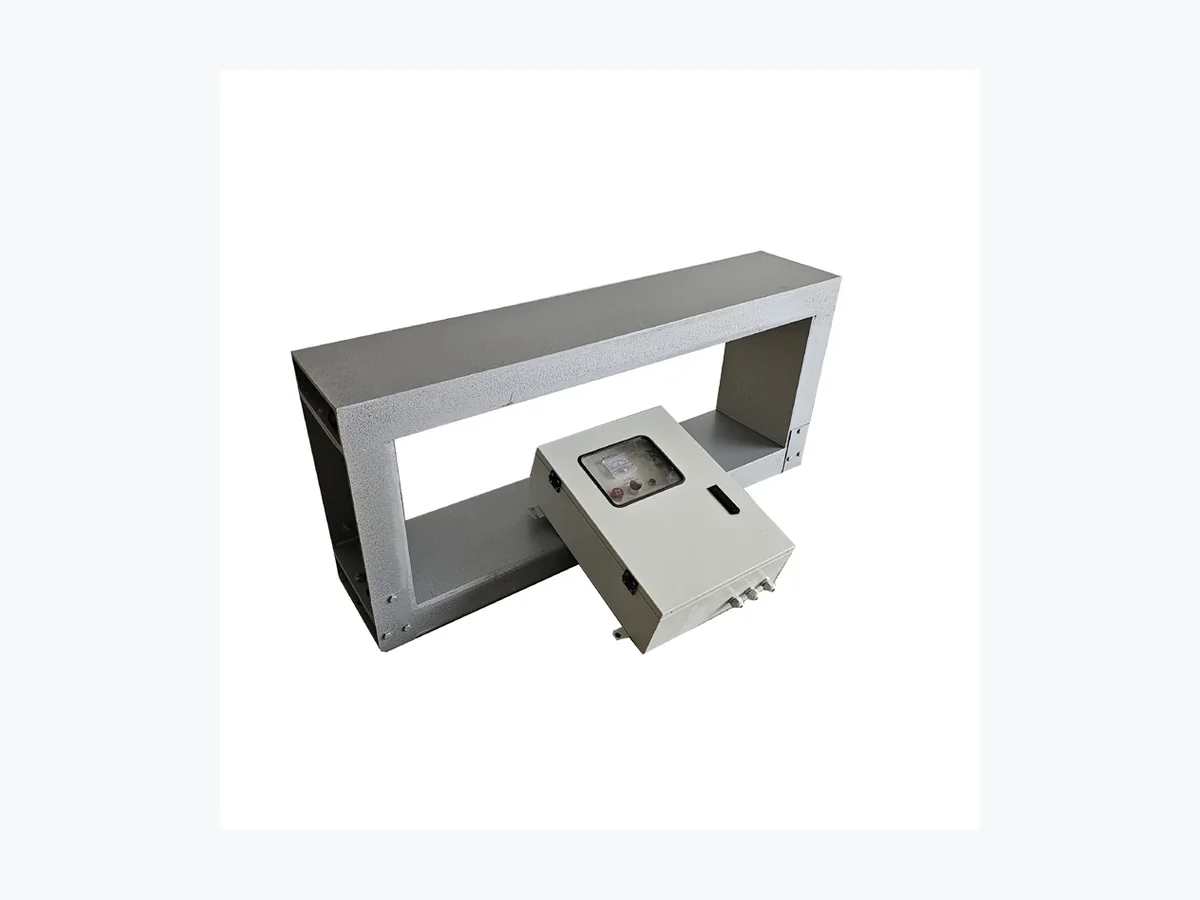
LJT-B Tramp Metal Detector FAQ
What does the LJT-B tramp metal detector detect?
The LJT-B detects unwanted metal carried on a belt conveyor. Tell us the target metal and smallest test size you need. We do not publish one universal minimum detection size because the result depends on the material, belt and test condition.
Does the LJT-B remove the detected metal?
No. The LJT-B is a detector and control device. After detection, the line can alarm, stop or trigger another linked action. Physical removal requires a separate manual, reject or magnetic-separation method.
Can the LJT-B be installed on an existing conveyor without cutting the belt?
Yes. The LJT-B can be installed around an existing belt conveyor without cutting the belt. This type of upgrade is often called a retrofit.
Which conveyor belt widths are covered by the LJT-B model range?
The listed models cover 500, 650, 800, 1000, 1200, 1400, 1600, 1800 and 2000 mm belt widths. We also check the available mounting space around your conveyor before finalizing the setup.
How do belt splices affect detection?
Metal splices or clips can affect the detector signal. An optional splice detector is available. Send us the splice or clip type and belt construction so we can include it in the setup.
Can the LJT-B be installed near a magnetic separator?
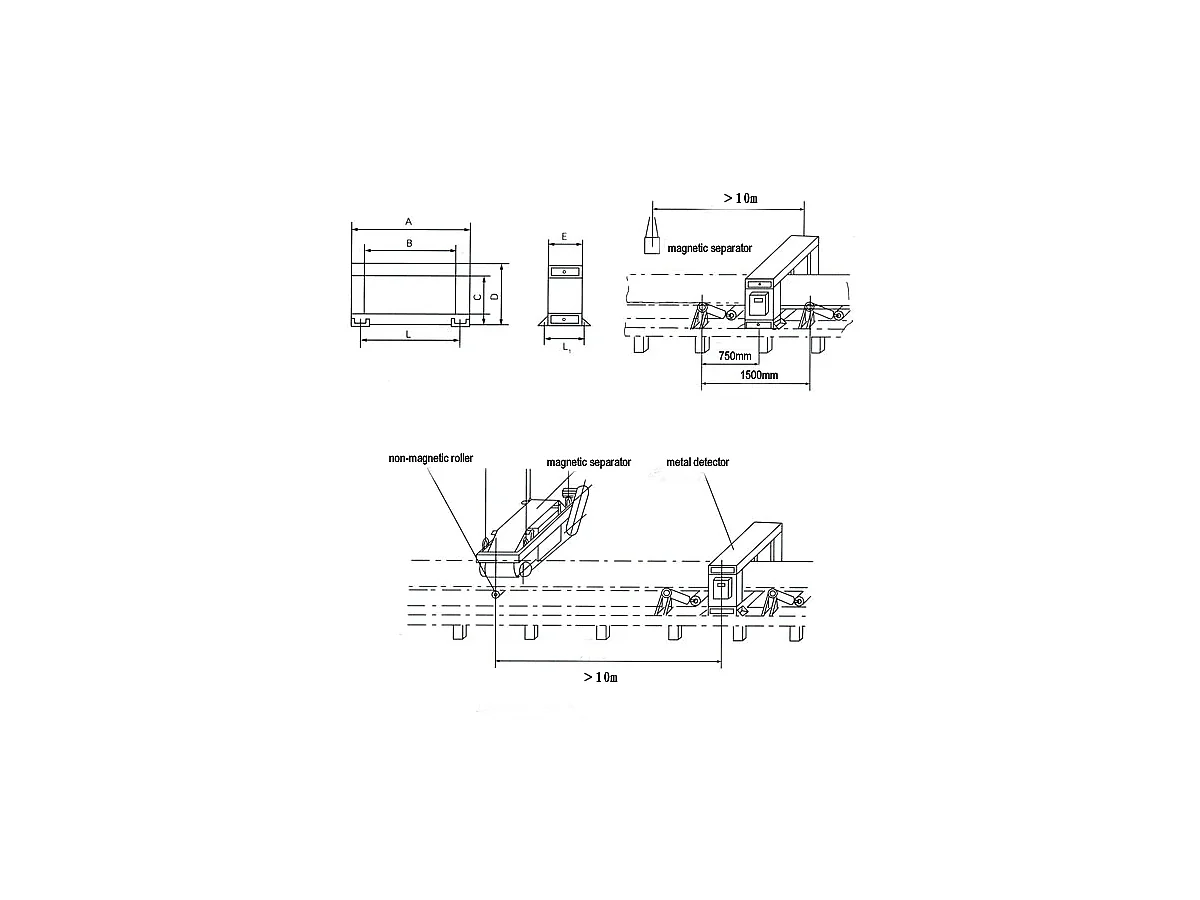
Yes, it can be considered on a line that also uses magnetic separation. The spacing, nearby steelwork and magnetic field still need to be checked. Send us the line drawing and equipment spacing with your quotation request.
What should I send for an LJT-B quotation?
Send the material, target metal, belt width, material depth, conveyor speed, belt construction and splice type. Also include nearby magnetic or electrical equipment, the action you want after detection, available space, drawings or photos, and any environmental or test requirement.