
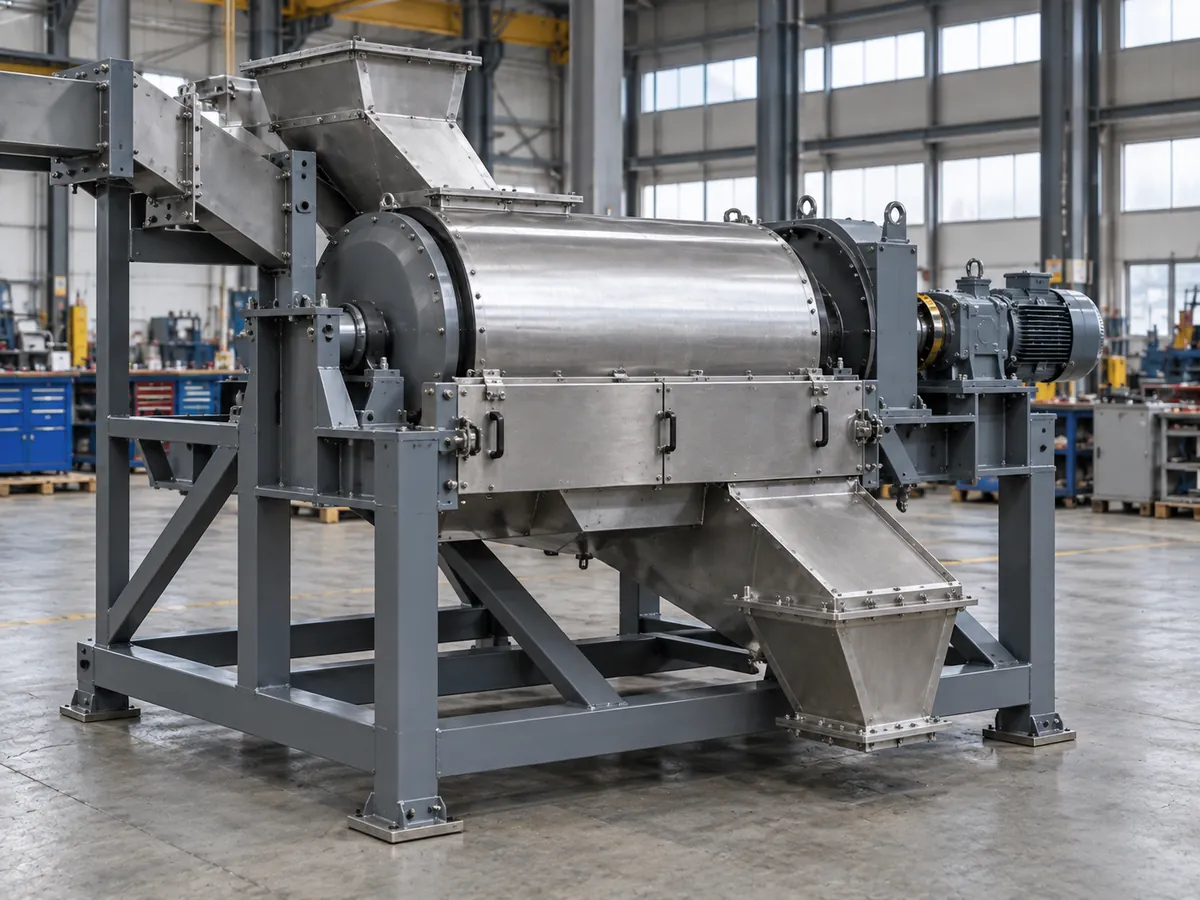
Conveyor & Bulk Separation
For ferrous removal above, at the end of, or within conveyor-based material handling systems.
Find equipment by installation point and separation task.
All magnetic separators →Start with the material or production line you need to protect.
All applications →Compare technologies, check parameters and prepare your RFQ.
All guides →See the factory, quality checks and answers before you request a quotation.
Corvelan manufactures magnetic separators for mining, recycling, bulk handling and industrial material processing applications.
We start with your material, contamination target, installation conditions and cleaning requirements before recommending the right magnetic separation solution.
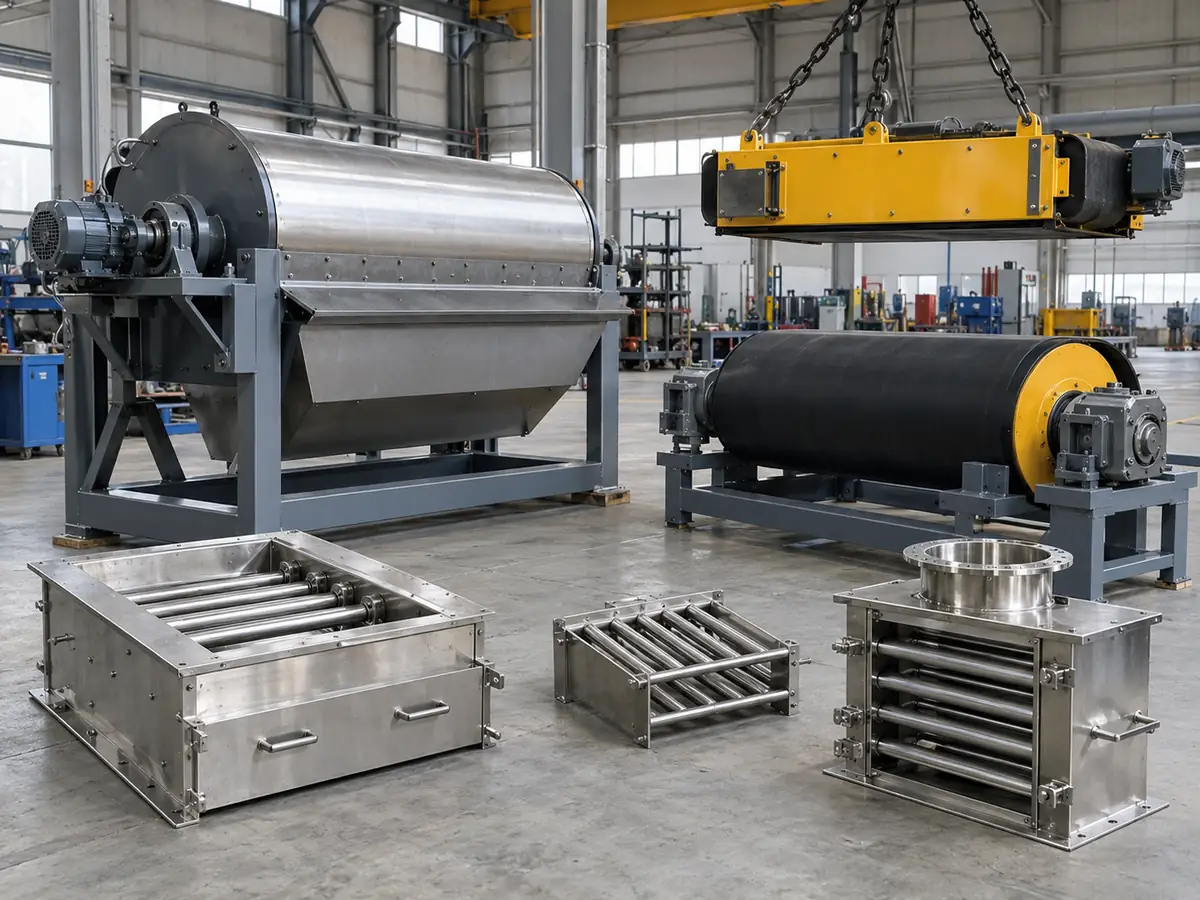
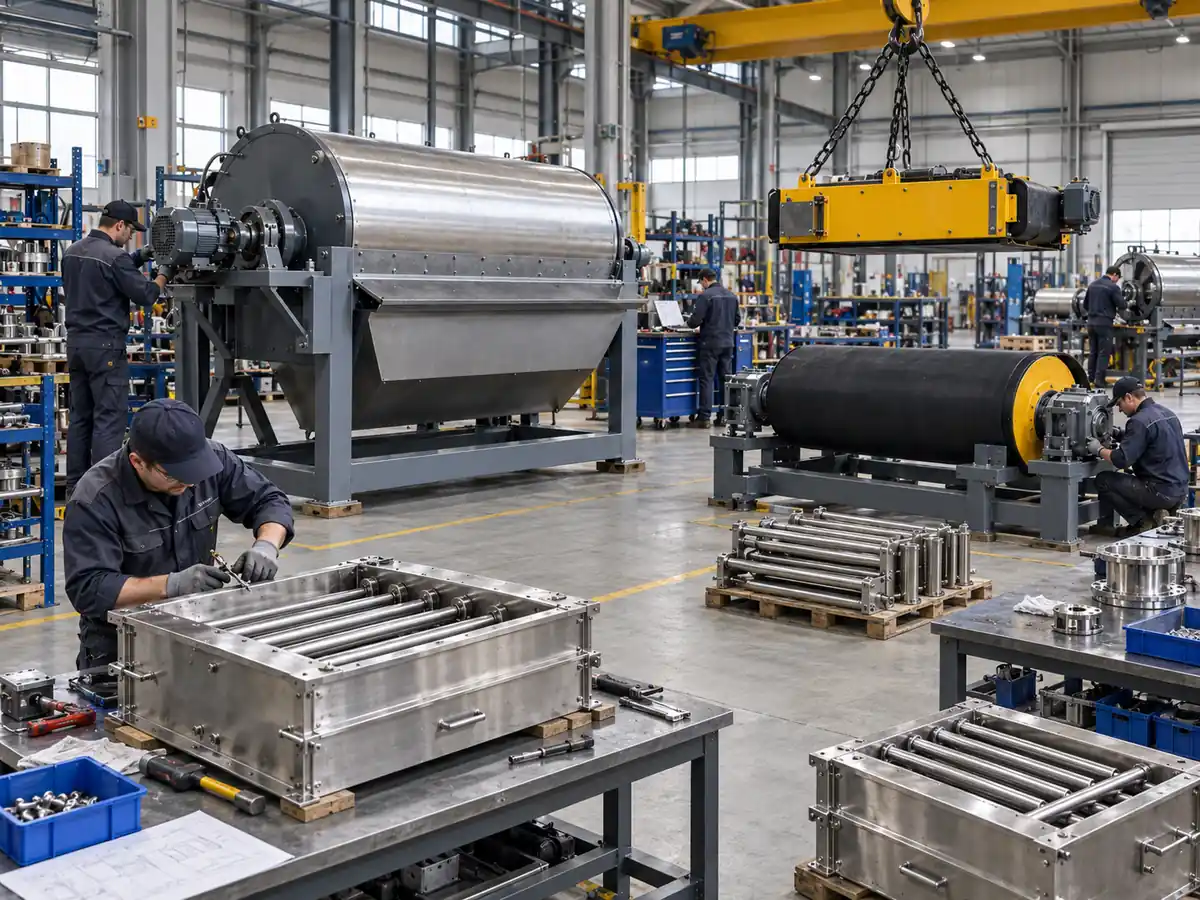
Corvelan works with buyers who need to remove ferrous contamination, recover magnetic fractions, protect downstream equipment or integrate magnetic separation into an existing process line.
The right separator depends on your material, contamination type and installation conditions. We help select a practical magnetic solution that fits your production requirements.
Our goal is simple: provide suitable equipment, confirm the design details and deliver a magnetic separation solution that matches your application.
Different materials and installation conditions require different magnetic separator designs. Corvelan considers the material, contamination type, working conditions and installation requirements before recommending the final equipment configuration.
For ferrous removal above, at the end of, or within conveyor-based material handling systems.
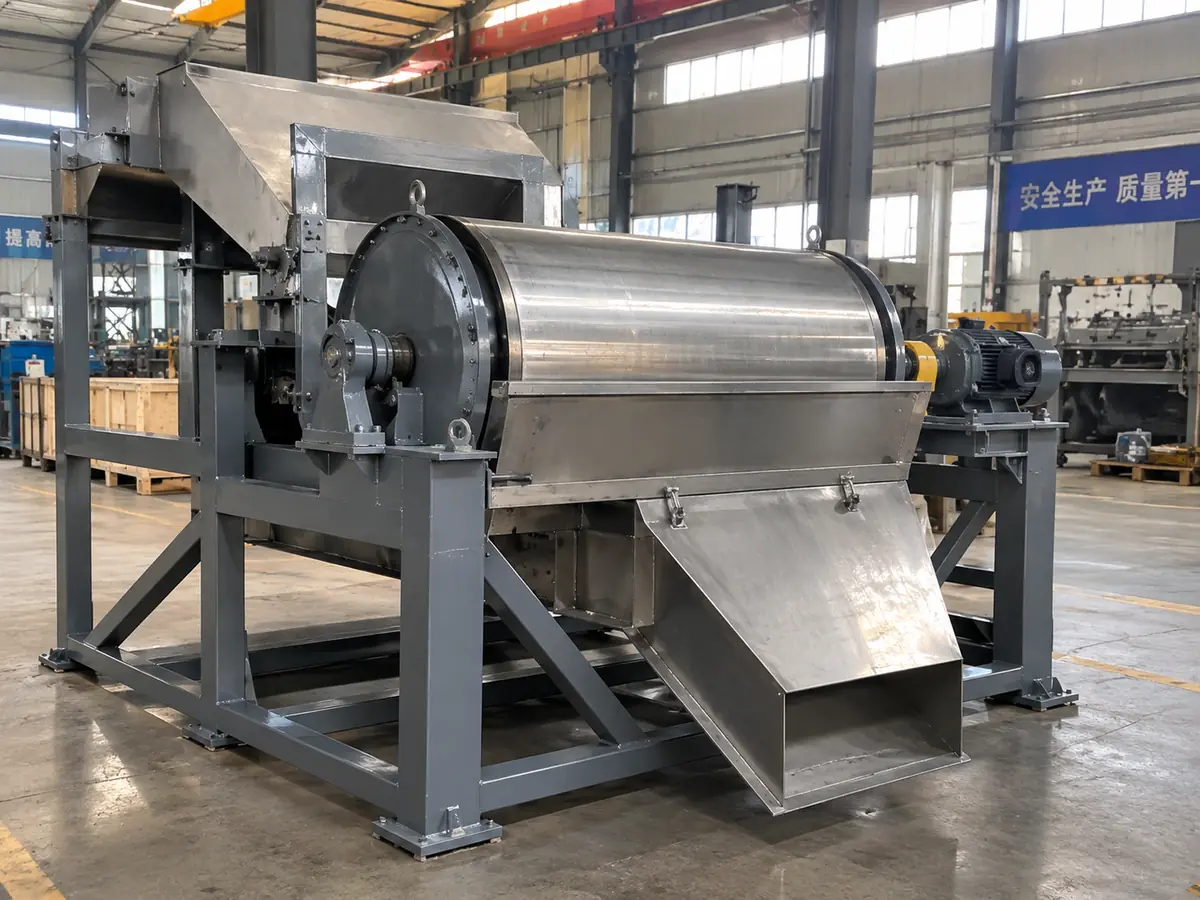
For continuous separation where material passes through a controlled magnetic field and separated fractions need defined discharge paths.
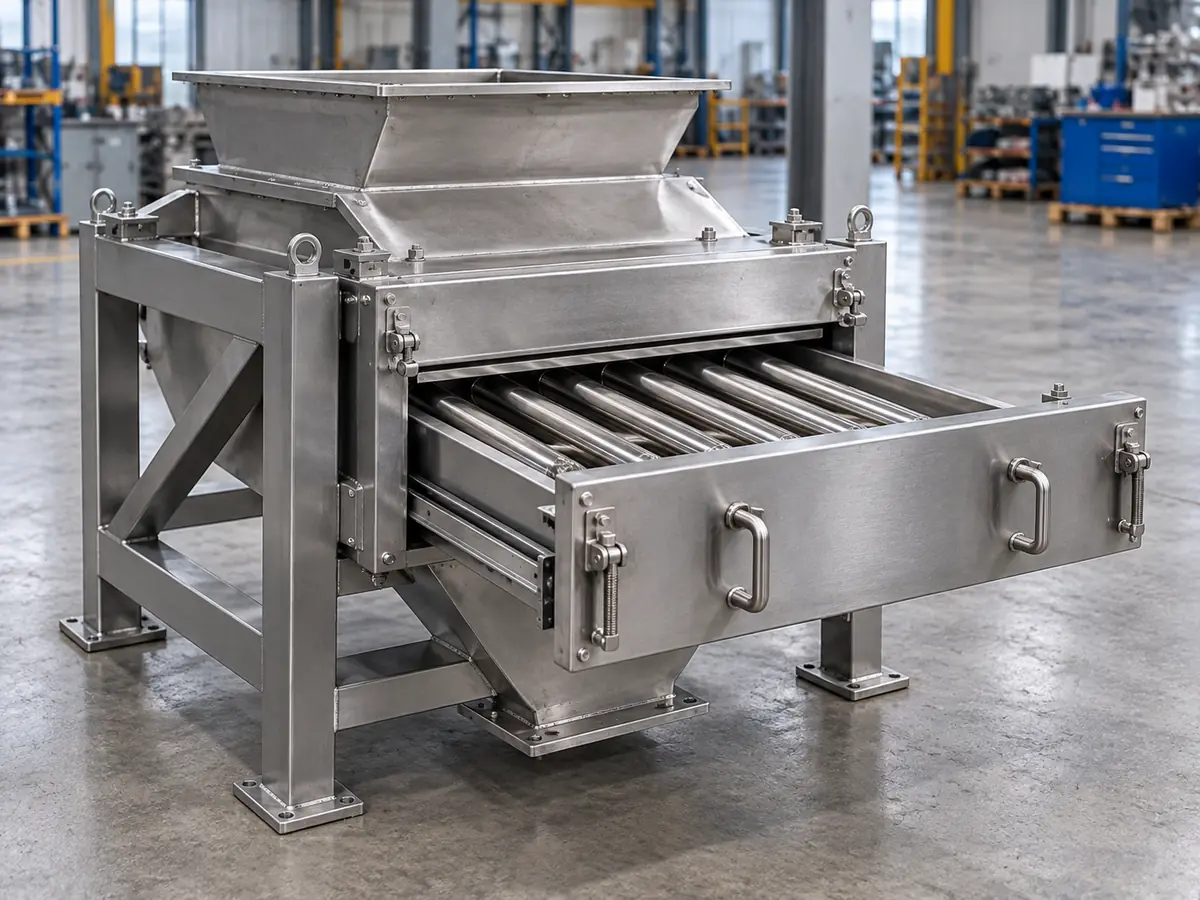
For gravity-fed powders and granular materials where magnetic contamination must be captured inside chutes, hoppers or process equipment.
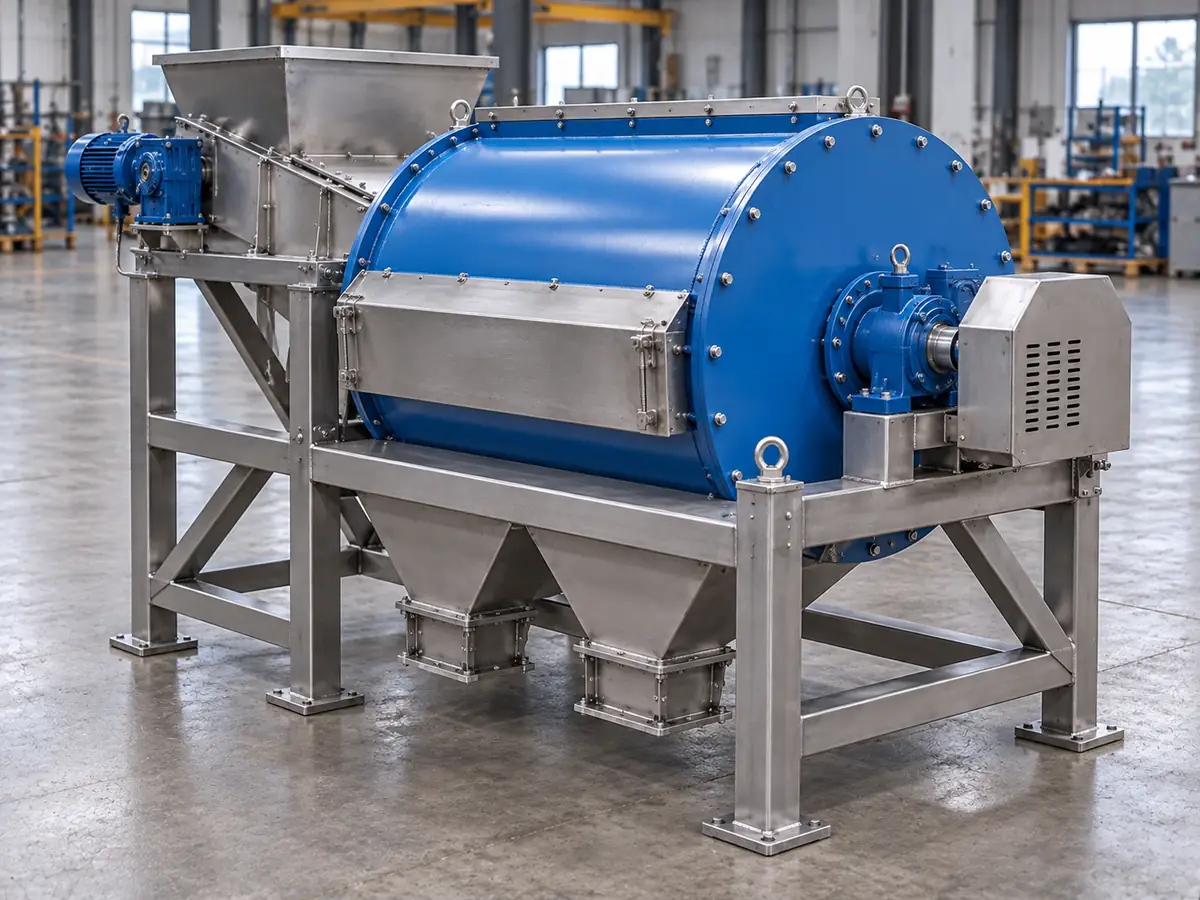
For projects where standard equipment geometry, mounting, cleaning, discharge or interfaces do not match the existing line.
Corvelan magnetic separators are used in mineral processing, recycling, bulk material handling and other industrial applications.
Magnetic separation solutions for improving iron ore quality and removing unwanted ferrous materials.
Magnetic separation solutions for removing iron contamination and improving silica sand quality.
Magnetic separation solutions for reducing magnetic impurities and improving product quality.
Magnetic separation solutions designed around material characteristics and production requirements.
Address tramp iron protection, pyritic or magnetic impurity targets, conveyor conditions and downstream equipment risk.
Match the separator to feed presentation, ferrous size, burden depth, conveyor speed and required discharge behavior.
Consider steel-wire form, liberation, feed distribution, conveyor geometry and where recovered ferrous material should discharge.
Define belt width, burden depth, working distance, contaminant size, installation position and cleaning method.
Choosing the right separator depends on your material, contamination type, capacity and installation conditions. Our team helps select the suitable magnetic solution before manufacturing.
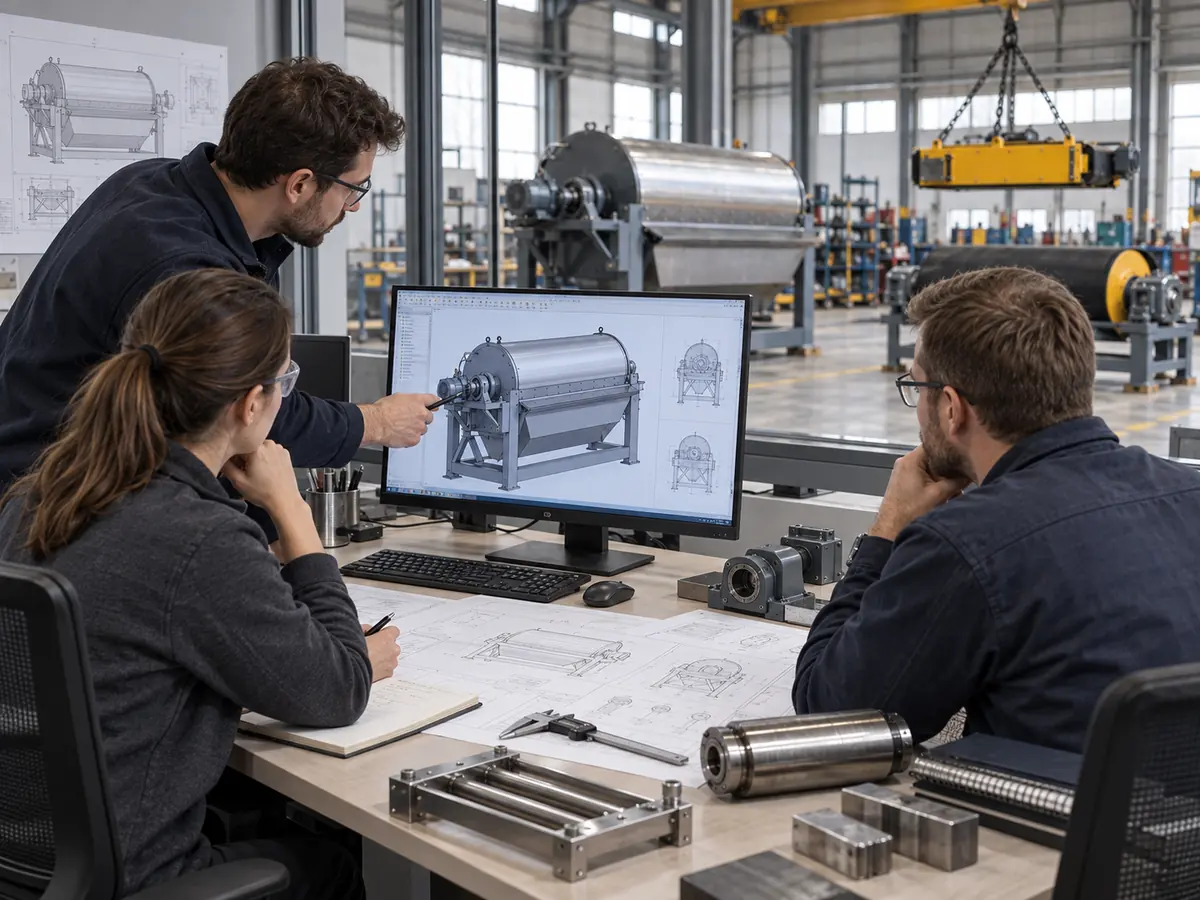
When standard equipment does not match an existing line, the project needs more than a different housing size. The separator can be customized based on your installation space, material flow and operating requirements.
Typical customization includes equipment size, mounting arrangement, cleaning method, discharge design and installation requirements.
Use drawings, photos, process data and available dimensions to understand where the separator must work.
Confirm mounting, access, material entry, discharge, cleaning and maintenance requirements before release.
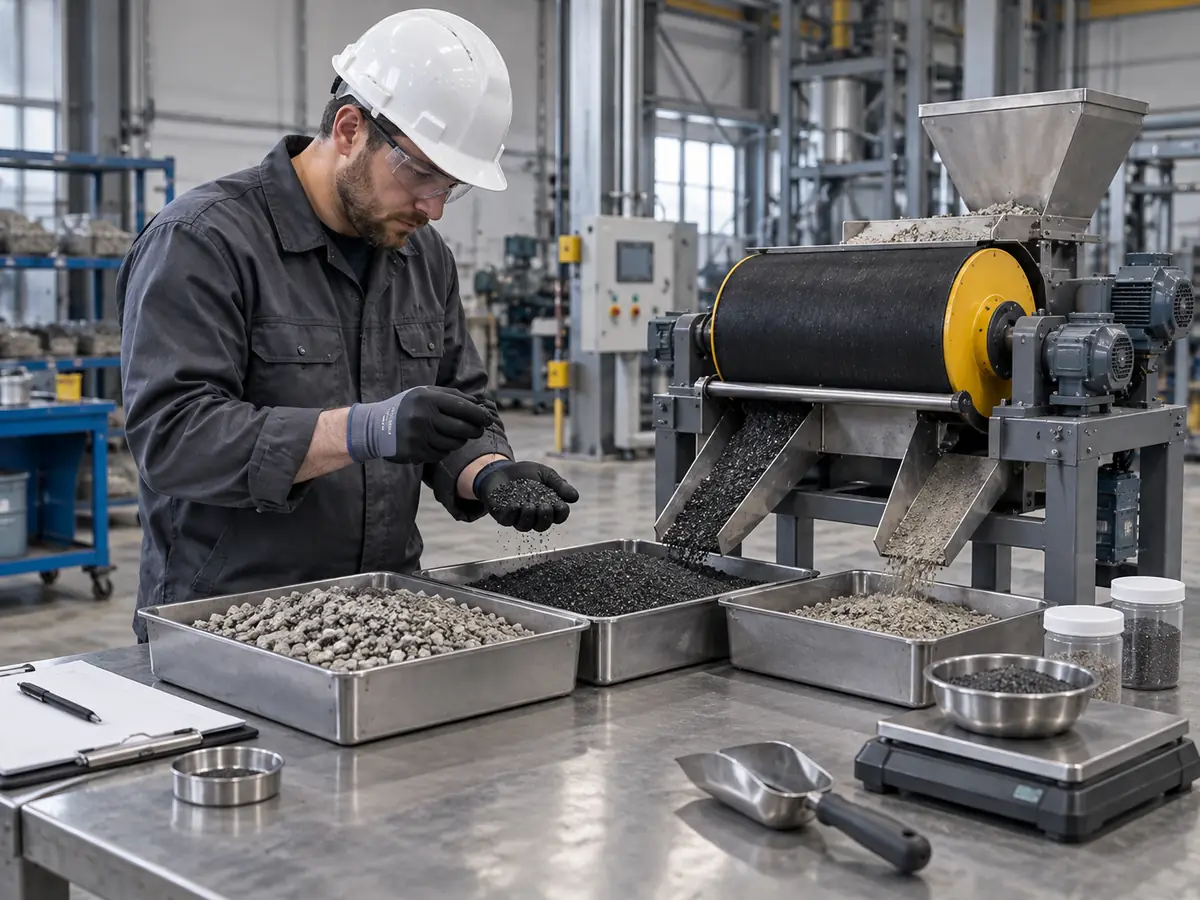
Material testing helps us understand how your material reacts with magnetic separation equipment before final selection.
Test results are evaluated according to your material sample and operating conditions to ensure the recommended solution fits your application.
Our support process helps customers select suitable equipment, confirm design details and complete delivery smoothly.
Material, target, throughput basis, installation location and operating problem.
Compare suitable separator principles and identify unresolved variables.
Confirm interfaces, cleaning, configuration, drawings and test requirements.
Manufacturing and inspection follow the agreed equipment and project scope.
Final records, accessories, packing and shipment scope are checked against the order.
Before delivery, we inspect key components, manufacturing quality, magnetic performance and equipment function to ensure the separator matches the approved design.
Critical materials and purchased components are checked against the requirements defined for the equipment scope.
Key geometry and installation interfaces are checked where fit, clearance or alignment affects installation and operation.
Where magnetic measurements are required, the point, distance, orientation, instrument and method need to be defined.
Rotation, belt movement, bearings, cleaning mechanisms, discharge components and guards are reviewed where applicable.
Motors, controls, wiring, grounding, protection and interlocks are checked only on equipment that includes those systems.
Equipment configuration, accessories, project records and packing are checked against the accepted supply scope.
We provide suitable magnetic separation equipment based on your material, application requirements and production conditions.
Start from material behavior, contamination target, installation location and installation limits instead of a model-number shortcut.
Review geometry, mounting, access, cleaning, discharge and control requirements when a standard arrangement does not fit.
Use defined test questions and conditions rather than treating a single magnetic number as a universal performance guarantee.
Connect inspection and acceptance requirements to the actual equipment configuration and approved project scope.
Consider clearances, material flow, cleaning access and discharge behavior before the equipment reaches the plant.
We put the equipment scope, required site information and next steps in writing so your team can review the quotation clearly.
The best way to get a suitable recommendation is to provide basic information about your material and operating conditions.
Send the material, particle or lump size, moisture or flow behavior, target magnetic material, throughput basis, installation location, available installation space, cleaning requirement and any drawings or photos you already have.
No. A magnetic flux-density reading belongs to a defined measurement point and method. Separation also depends on working distance, material presentation, burden depth, target response, equipment geometry and operating conditions.
Testing is useful when the magnetic response, liberation, material behavior or required separation result cannot be judged responsibly from process information alone. The sample, method, controlled conditions and acceptance metric should be defined first.
Yes, the review can begin from available drawings, photos, material data, installation location and installation constraints. Final dimensions and configuration should be confirmed against the accepted project scope.
Send the basic process information first. Corvelan uses it to screen the suitable magnetic separator route and define the information required for configuration and quotation.