
Manual-Cleaning vs Self-Cleaning Magnetic Separators: How to Choose
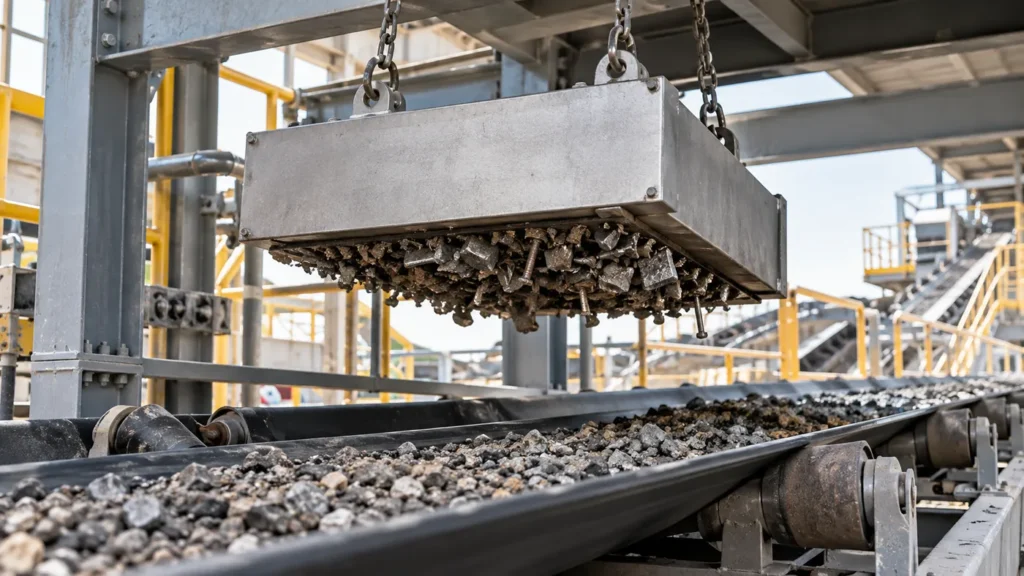
Quick Answer Quick answer: Choose a manual-cleaning suspended magnetic separator when captured ferrous material builds up slowly enough to remain manageable until a planned cleaning stop and operators can reach the unit safely under the site’s guarding and isolation procedures. Choose a self-cleaning separator when captured iron accumulates frequently enough to require repeated intervention, when […]
Gauss vs Pull Force in Magnetic Separators: What Should You Compare?
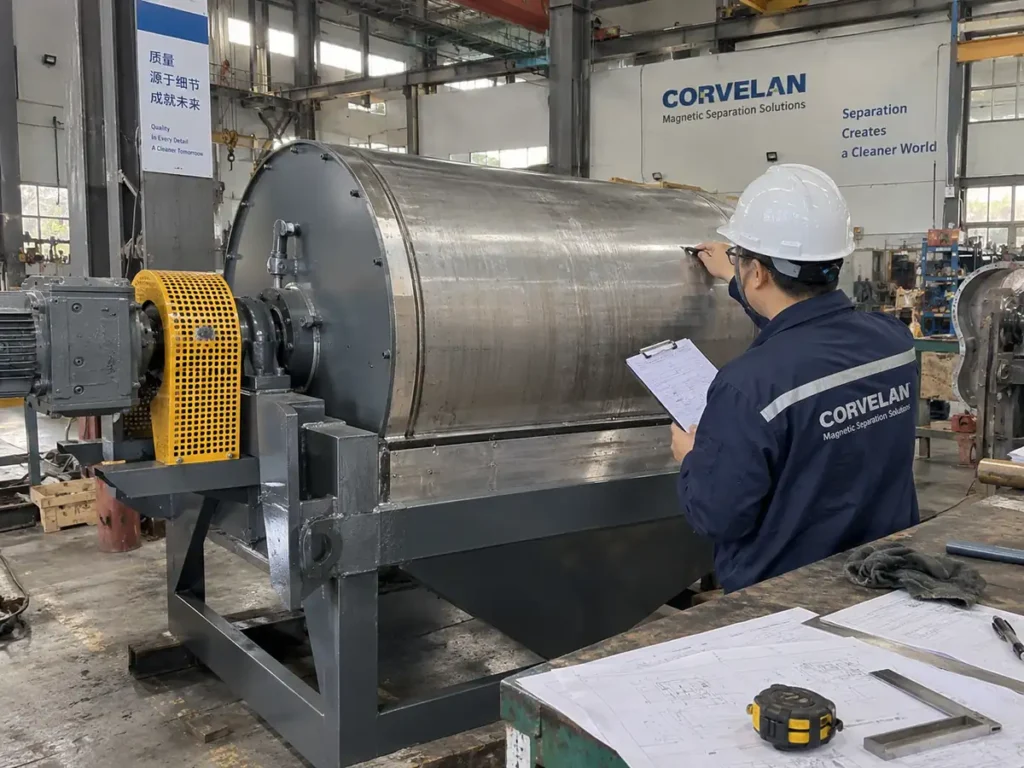
Quick answer: Gauss and pull force are not interchangeable measurements. Gauss tells you the magnetic flux density at a defined point; pull force tells you the breakaway force for a defined ferrous test piece under a defined setup. Use Gauss when you need to compare flux density at the same defined location and distance. Use […]
Magnetic Field Gradient vs Gauss: What Actually Captures Fine Iron?
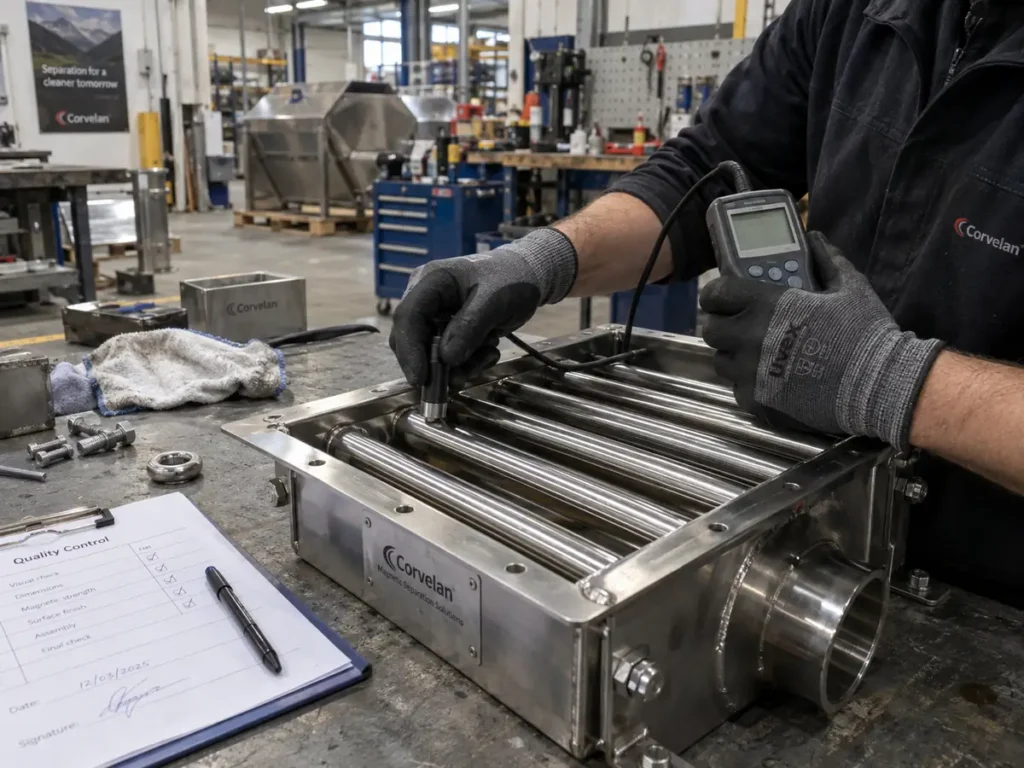
Quick answer: Gauss alone is not a capture rating. Gauss tells you the magnetic flux density B at a defined point, while field gradient tells you how that field changes with position. For fine iron, the useful question is whether the magnetic condition at the actual particle path is strong enough relative to the forces […]
Magnetic Separator Working Distance: Why Surface Gauss Is Not Enough

Quick answer: Surface Gauss tells you the magnetic flux density at a local measurement point. It does not tell you, by itself, how far a separator can capture iron. For a meaningful comparison, define the distance from the magnetic face to the contaminant position, including any air gap, belt, chute wall, liner, wear layer and […]
Permanent vs Electromagnetic Magnetic Separators: How to Choose
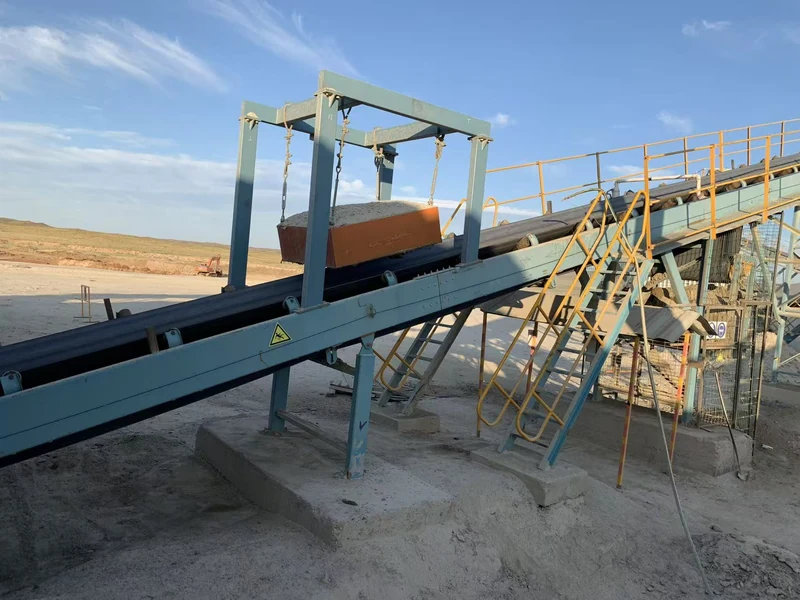
Quick answer: Neither permanent nor electromagnetic magnetic separators are automatically the better choice. Start with the actual operating conditions. If a permanent system can provide the required magnetic interaction at the real contaminant position and fits the cleaning, access, discharge, and installation conditions, adding electrical excitation may create unnecessary system complexity. If the application genuinely […]
Wet vs Dry Magnetic Separation: How to Choose the Right Process
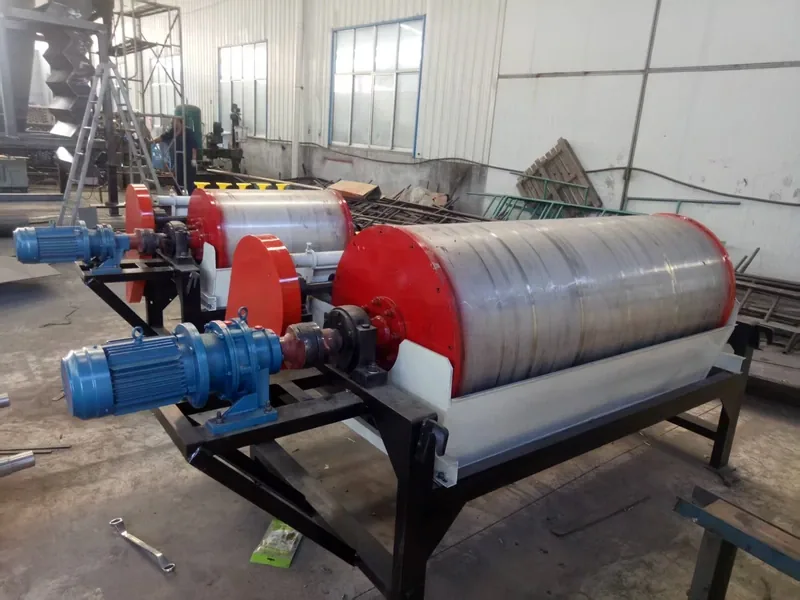
Quick Answer: Wet vs Dry Magnetic Separation Start with wet magnetic separation when the material is already handled as a controlled slurry, when fine-particle dispersion is important, or when the separator is part of a wet grinding and classification circuit. Start with dry magnetic separation when the material must remain dry, water handling should be […]
How to Choose a Magnetic Separator: A Practical Selection Guide
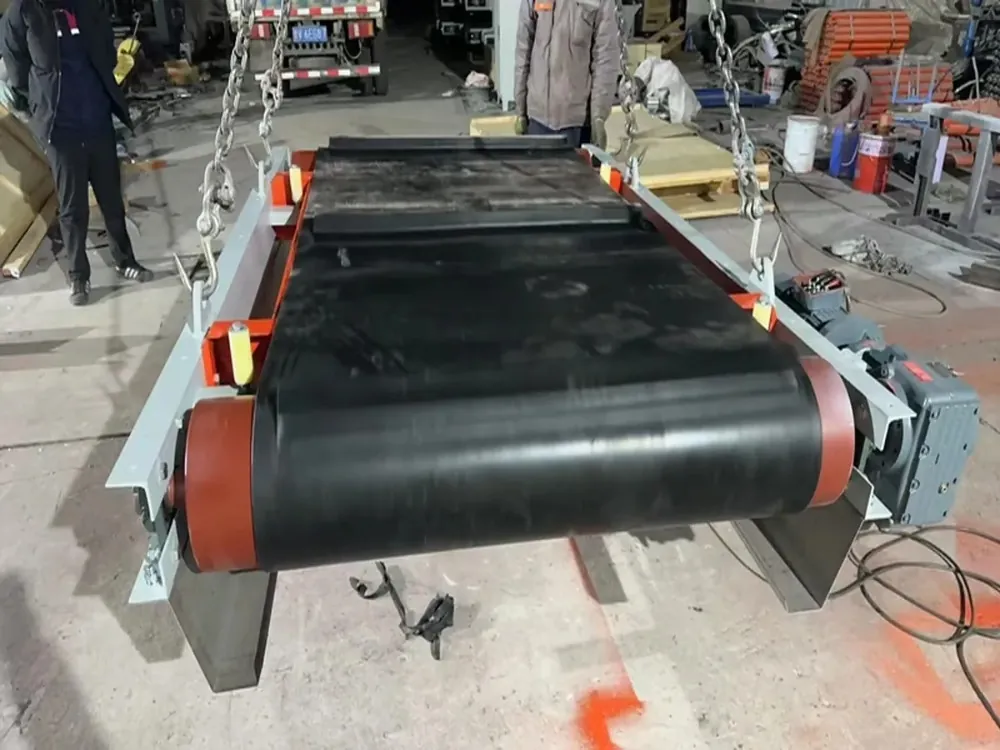
Quick Answer: How to Choose a Magnetic Separator Start with two questions: what are you trying to remove or recover, and how does the material move? Large unwanted ferrous pieces on a conveyor usually point toward suspended, overband, pulley, or drum arrangements. Free-flowing dry material may suit grate, drawer, plate, drum, or other close-contact arrangements. […]
How Magnetic Separators Work: Process, Conditions, and Separation Principles
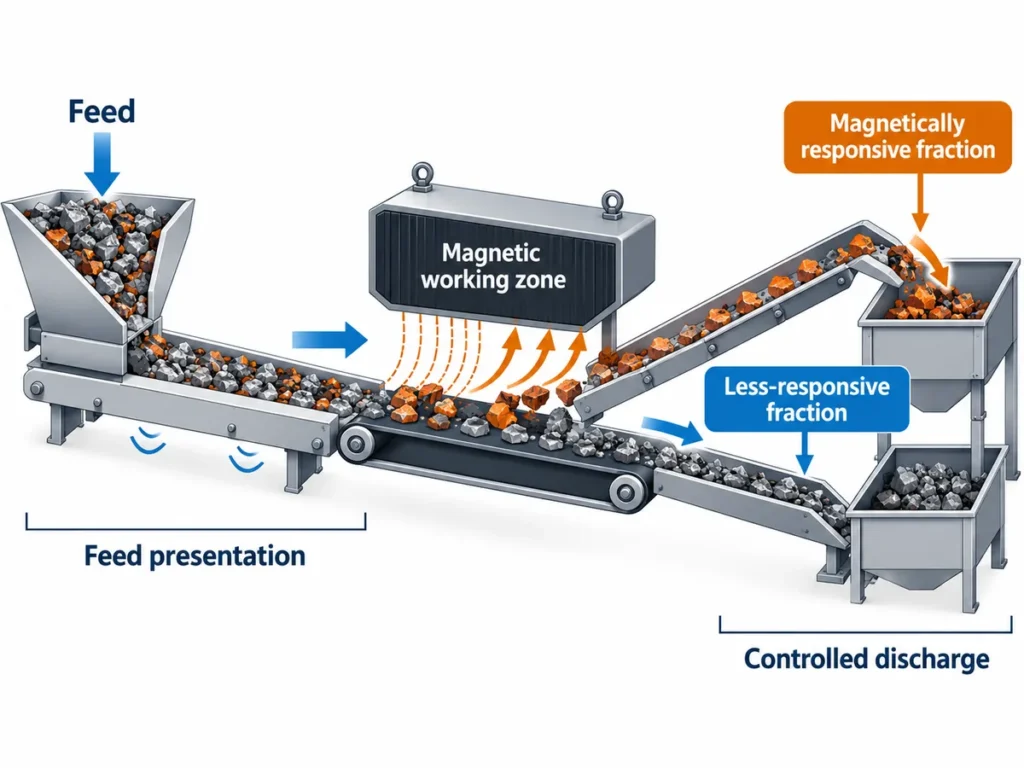
Magnetic separation is a physical process that uses magnetic force to change the path of magnetically responsive material and separate it from a less-responsive stream. A magnetic separator normally works through five stages: feed presentation, magnetic exposure, trajectory change, stream separation, and removal or discharge of the captured fraction. The same separator can give different […]
Magnetic Filter Cleaning: Methods, Frequency & Troubleshooting
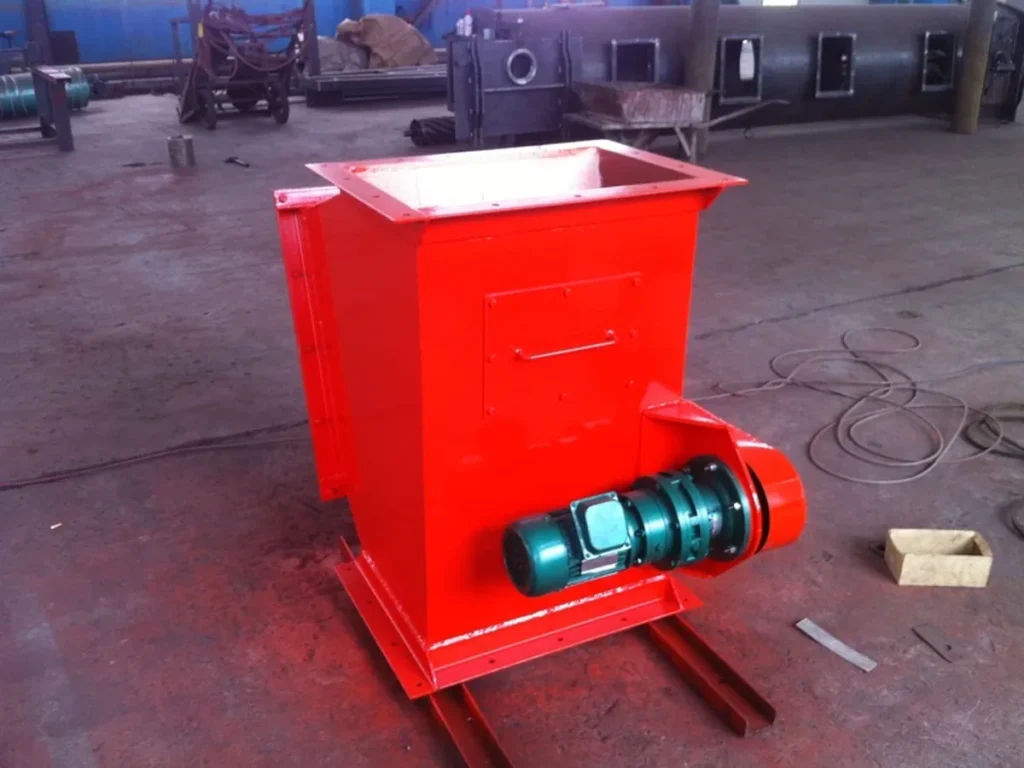
This guide covers industrial magnetic filters and magnetic separators used in dry powder, granule, slurry, and liquid process lines. It does not cover household boiler or central-heating magnetic filters. In this guide, ferrous contamination means mainly iron- or steel-based particles that are strongly attracted to the magnetic collection surface. Magnetic Filter Cleaning: The Short Answer […]
Types of Magnetic Separators and Where Each One Fits
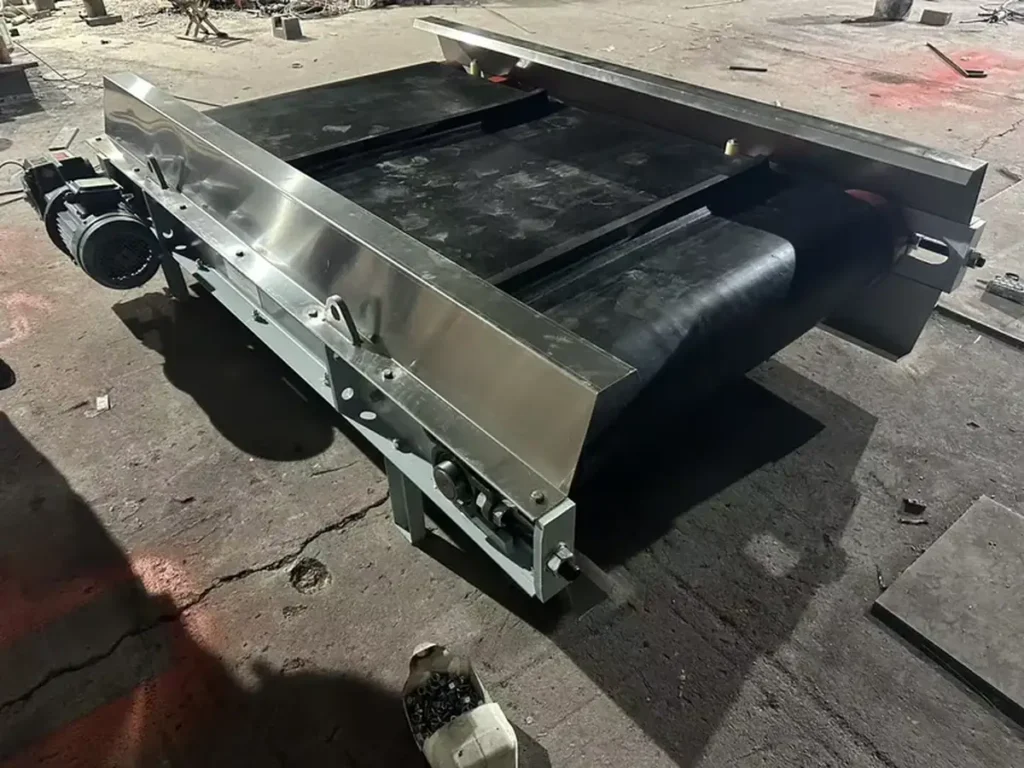
Magnetic separator type guide Different magnetic separator types fit different material paths, targets and operating conditions. This guide shows which family to check first, what conditions can change that choice, and how to check whether the starting choice still fits your real process. On this page Quick Answer: Match the Separator to the Material Path […]