Find equipment by installation point and separation task.
All magnetic separators →Start with the material or production line you need to protect.
All applications →Compare technologies, check parameters and prepare your RFQ.
All guides →See the factory, quality checks and answers before you request a quotation.
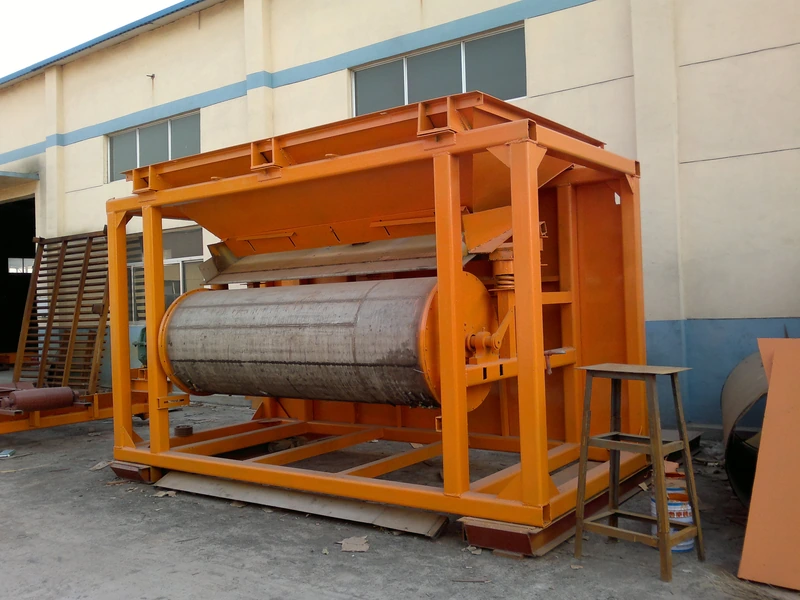
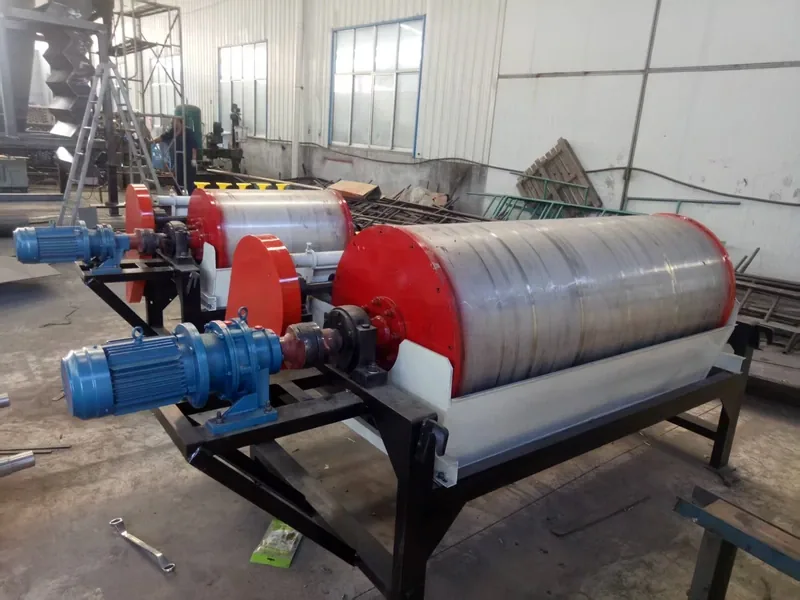
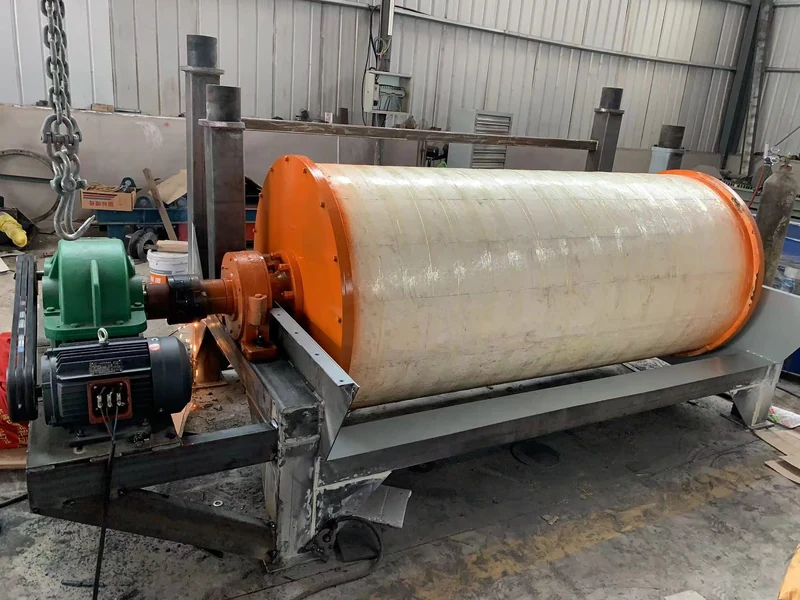
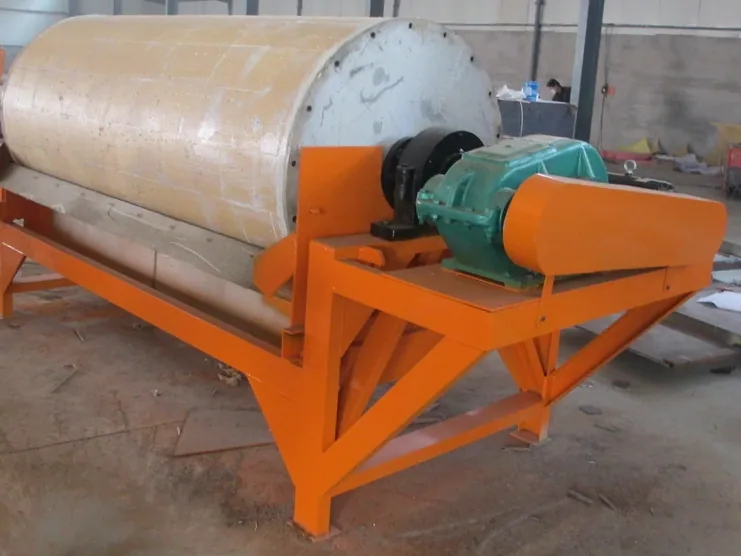
We supply drum magnetic separators for removing ferrous contamination and recovering magnetic material from dry bulk materials and wet slurry. Tell us what material you process and what you want to separate. We can help you choose a dry drum, wet drum or another magnetic separator if a drum is not the right choice.
Start with how your material behaves. Dry material that spreads freely normally uses a dry drum. Slurry or pulp normally uses a wet drum. Slight moisture does not automatically rule out a dry drum, but sticky material, weak magnetic response and non-ferrous targets can change the choice.
Start with a Dry Drum Magnetic Separator.
If the material spreads evenly and the target is strongly magnetic, a dry drum is normally the first type to compare.
Start with a Wet Drum Magnetic Separator.
Then check particle size, solids content, flow and whether you care more about magnetic recovery or product cleanliness.
A dry drum may still be suitable.
Moisture becomes a bigger problem when it causes buildup, bridging, lumps or uneven feeding.
Do not choose a larger drum to solve a feeding problem.
If the material sticks to the chute, forms lumps or arrives in surges, the feeder, chute or material condition may need to change first.
Do not choose a standard drum only because the material is magnetic.
Fine, weakly magnetic material may need a higher-intensity separator or material testing before you choose the machine.
Choose another separation technology.
A magnetic drum is not the normal choice when the main target is a non-magnetic non-ferrous metal.
Choose a dry drum for dry or slightly damp material that still flows freely. Choose a wet drum when separation takes place in slurry or pulp. If the material is sticky, very fine or only weakly magnetic, dry versus wet is not enough to make the final choice.
Best for: dry or slightly damp material that still flows and spreads across the drum.
Good choice when: you need continuous ferrous removal or recovery of a strongly magnetic fraction.
Do not choose this first when: the feed bridges, sticks, forms large lumps or the target is very weakly magnetic.
What changes the final choice: particle size, material layer depth, throughput, magnetic response and available drum width.
Send us: material, target, particle size, throughput, moisture and installation space.
Best for: magnetic separation in slurry or pulp.
Good choice when: the target has useful magnetic response and needs continuous recovery or removal.
Check what matters more: higher magnetic recovery or a cleaner magnetic product. These goals can change how the wet drum needs to work with the slurry.
Do not choose this first when: the target is only weakly magnetic and a standard wet drum may not provide enough separation.
Send us: slurry material, particle size, solids information, flow or throughput, target and installation details.
The right drum depends on what you want to keep and what you want to remove. The same material can need a different drum setup when the product goal changes.
Use this when bolts, wire, iron fragments or other ferrous contamination must be removed before they damage equipment or contaminate the product.
Tell us: the iron size, how much may be present, material layer depth, feed width and where the removed iron can fall.
Use this when the magnetic fraction itself is the product you want to recover or upgrade.
Tell us: material type, particle size, magnetic response and whether recovering more magnetic material or producing a cleaner magnetic product matters more.
Use this when the non-magnetic stream is the valuable product and magnetic contamination needs to be reduced.
Tell us: what magnetic contamination remains now and how much good material can be lost with the magnetic fraction.
Do not assume a standard drum is the right machine. Very fine or weakly magnetic particles may need a higher-intensity separator.
Send us: the material details or a representative sample if the magnetic response is uncertain.
Focus on recovering useful magnetic material without losing too much of it into the non-magnetic stream.
Low recovery matters most when valuable magnetic material is leaving with the waste or clean stream.
Focus on keeping magnetic contamination out of the clean product without carrying away too much good non-magnetic material.
A setup that captures more magnetic material is not automatically better if it also removes too much good product.
The question changes again. The drum needs to remove damaging tramp iron before it reaches the crusher, mill or other downstream equipment.
In this case, tramp size, feed depth and where the separator is installed can matter more than product purity.
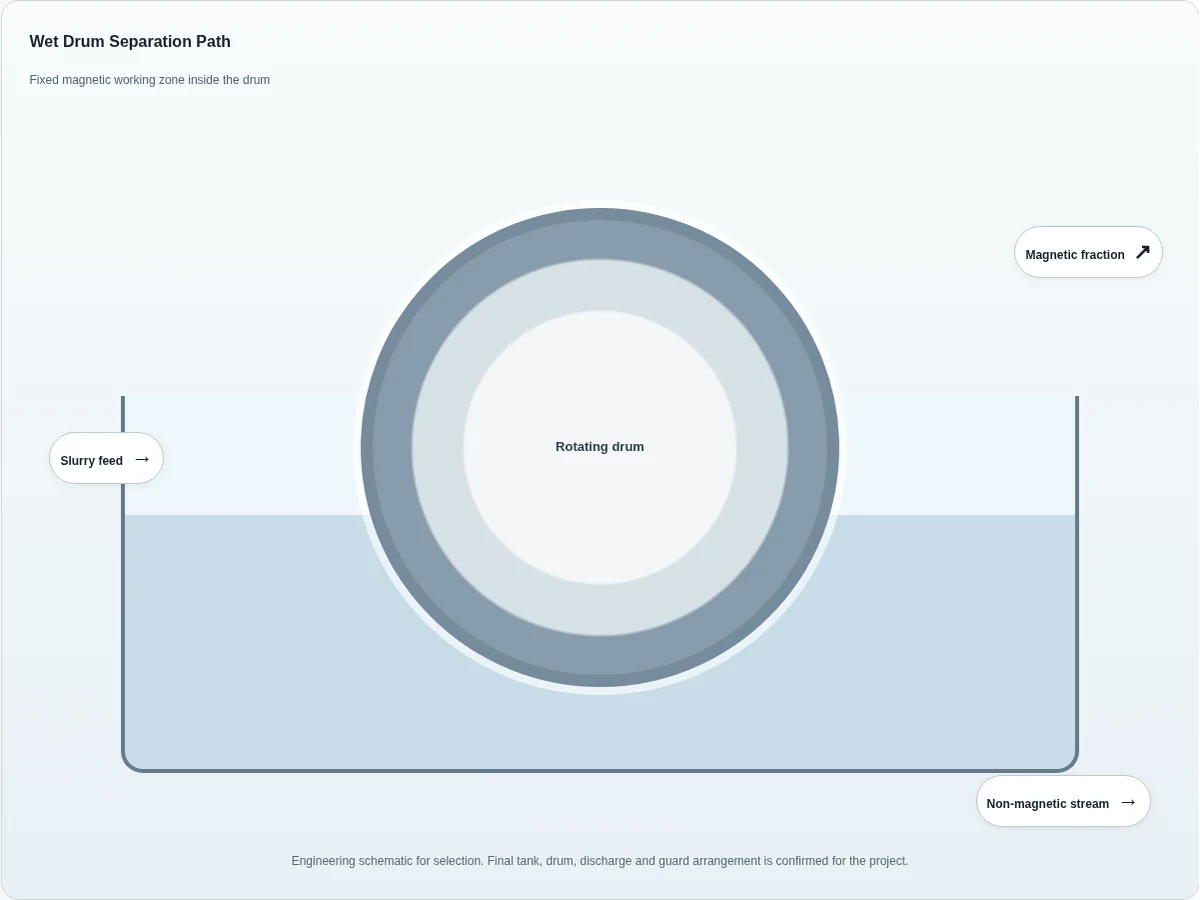
Material passes over or through a rotating drum. A magnetic system inside the drum attracts ferrous or magnetic particles. These particles stay with the drum longer, while non-magnetic material falls away sooner.
The material should spread across the useful drum width. A deep pile or one-sided feed can hide magnetic particles and reduce separation.
The target particles need to pass close enough to the magnetic system to be attracted. Particle size, weight and magnetic response all matter.
A splitter, chute or tank outlet keeps the magnetic and non-magnetic products separate after they leave the drum. Good separation is wasted if the two streams mix again.
A magnetic particle may be captured in a thin layer but missed when it is buried under much more material.
What this means: the same drum can give a different result when feed depth changes.
Sometimes the magnetic part has not separated from the surrounding non-magnetic material. In mineral processing, this is often called mineral liberation.
What this means: changing the magnet alone may not solve the problem if the particles are not sufficiently separated from each other first.
Two drums with a similar surface Gauss reading can still perform differently when feed depth, particle size, drum speed or material condition is different.
What this means: Gauss is useful information, but it cannot tell you recovery, product cleanliness or throughput by itself.
Look at the conditions together, not one at a time. Dry versus wet is only the first question. Moisture, particle size, magnetic response, feed stability and the product you want can change the answer.
| Your actual condition | Usually choose | Why / what to check next |
|---|---|---|
| Dry + free-flowing + strongly magnetic target | Dry Drum Magnetic Separator | Confirm particle size, material layer depth, throughput, feed width and where both products will discharge. |
| Dry + slightly damp + still free-flowing | Dry drum can still fit | Moisture itself is not the main problem. Check whether it causes buildup, bridging, lumps or uneven feeding. |
| Dry + damp + sticky or bridging | Do not choose the drum size yet | Fix the feeding, drying or buildup problem first. A larger drum does not solve material that cannot reach the magnetic area evenly. |
| Dry + fine + strongly magnetic | Dry drum may fit | Keep the material layer thin and stable. Fine material can be harder to feed evenly. |
| Dry + fine + weakly magnetic | Compare a higher-intensity separator | Do not assume a standard drum is enough only because the particles have some magnetic response. |
| Dry + coarse material + large tramp iron over a conveyor | Compare a suspended or overband magnet | If the main job is pulling large tramp iron from a conveyor load, a suspended magnet may fit the material flow better than a drum. |
| Wet + strongly magnetic + recovery is the main goal | Wet Drum Magnetic Separator | Confirm particle size, solids content, flow and how much magnetic material enters the drum. |
| Wet + strongly magnetic + cleaner magnetic product is the main goal | Wet drum, but pay more attention to product cleanliness | Capturing more magnetic material is not enough if too much non-magnetic material travels with it. |
| Wet + high solids + unstable flow | Wet drum may fit, but use real peak conditions | Do not size from an average flow that hides surges. Tell us the normal and highest expected feed condition. |
| Wet + fine + weakly magnetic | Do not assume a standard wet drum | A higher-intensity wet separator may be needed. Material details or testing can help when the response is uncertain. |
| Higher throughput + same drum width | Check material layer depth before simply choosing a larger drum | More material per hour can make the layer deeper. If the extra feed is also uneven, fix distribution first. |
| Same material + goal changes from higher recovery to cleaner product | Review the drum setup again | The product goal changed, so the best balance between capture and carryover may also change. |
| Aluminum, copper or another non-magnetic non-ferrous target | Use another separation technology | Compare an eddy-current separator or another system made for the actual target metal. |

Use the problem you can see to decide what to check first. Low recovery, dirty magnetic product and unstable results can come from different causes, so one fix does not work for every case.
You see: magnetic material still in the non-magnetic stream, and the feed layer is deep.
Reduce the layer depth or spread the material across more of the drum width.
How to tell: the lower particles are buried under a thick upper layer, or the result improves when the feed rate drops.
You see: magnetic recovery is low even with a thin, steady feed.
Look at magnetic response, particle size, how well the magnetic material is released, drum speed and whether the drum type matches the target.
How to tell: reducing feed depth does not make a meaningful difference.
You see: magnetic recovery looks good, but the magnetic product is dirty.
Too much non-magnetic material may be travelling with the magnetic fraction.
Check first: feed depth, drum speed, splitter or outlet position, and whether magnetic and non-magnetic material are still locked together.
You see: separation is good at one time and poor later in the day.
Do not assume the magnet suddenly became weaker.
Check first: throughput surges, moisture, particle-size changes, slurry solids, feed distribution and how much magnetic material is entering.
You see: most material falls onto one side of the drum.
A larger drum will not solve uneven loading if much of the available drum width is not being used.
How to tell: wear, buildup or material flow is concentrated on one side.
You see: separation looks correct at the drum, but the two products mix afterward.
Keep the magnetic and non-magnetic materials on separate paths after they leave the drum.
How to tell: clean streams at the drum become mixed again in the chute, hopper or next conveyor.
A drum is a good choice when you need continuous separation and two separate product streams. Another magnetic separator may be better when the material flow, target size or type of contamination needs a different contact method.
You do not need a complete technical specification. Start with four details: your material, what you want to remove or recover, throughput and whether the material is dry or wet.
Good separation also depends on how material enters and leaves the machine. Check the feed, product outlets and service space before installation.
Dry material: spread it across the useful drum width instead of dropping it in one deep pile.
Wet material: keep the slurry flow as stable as practical and avoid sudden surges that change the load on the drum.
Leave enough space for magnetic and non-magnetic material to fall into separate outlets. If the two streams mix again after the drum, good separation is wasted.
Leave enough room to reach the drive, bearings and wear parts. Normal service should not require dismantling nearby equipment.
Large or abrasive material can increase wear. Dusty material may need enclosed connections. Wet systems need suitable slurry inlets and outlets to control flow and leakage.
Tell us what you process and what you want to remove or recover. We can help you decide whether a dry drum, wet drum or another magnetic separator fits the job.
A strong magnet cannot fix a material layer that is too deep, a feeder that loads only one side or outlets that let the products mix again. We look at how the material reaches and leaves the drum as well as the magnetic job.
If your material is better suited to a suspended magnet, magnetic pulley, higher-intensity separator or another separation method, we would rather identify that before you order the wrong drum.
Choose a dry drum when the material is dry or slightly damp but still flows freely. Choose a wet drum when magnetic separation takes place in slurry or pulp. Sticky material, very fine particles or weak magnetic response may change the choice.
Yes, sometimes. Slight moisture does not automatically make a dry drum unsuitable. The important question is whether the material still flows and spreads evenly. If moisture causes bridging, buildup or lumps, fix the feeding condition before choosing the drum.
No. A higher surface Gauss reading does not automatically mean higher recovery, cleaner product or higher throughput. Feed depth, particle size, drum speed, material condition and how close the target passes to the magnetic system also affect the result.
Particle size changes how the material flows and how each particle responds. It also matters whether the magnetic material has separated from the surrounding non-magnetic material. In mineral processing, this is often called mineral liberation.
Higher throughput can make the material layer deeper or increase the slurry load. If the feed remains thin and even, more drum width or capacity may be needed. If the extra material simply piles in one area, fix the feeder before assuming you need a larger drum.
The feed may be too deep, the target may be weakly magnetic, the particles may not be sufficiently released, drum speed may not suit the job, or the drum type may not match the material. If reducing feed depth does not improve the result, check these other causes.
Check what changed in the feed first. Throughput surges, moisture, particle size, slurry solids, uneven feeding or a change in the amount of magnetic material can all change the result even when the drum itself has not changed.
Sometimes, but do not assume a standard drum is enough. Very fine and weakly magnetic particles may need a higher-intensity separator. Send us the material details or a representative sample if the magnetic response is uncertain.
Choose a drum when you want continuous separation into magnetic and non-magnetic product streams. A suspended or overband magnet is often a better fit when the main job is pulling larger tramp iron from material moving on a conveyor.
Start with four items: your material, what you want to remove or recover, throughput, and whether the process is dry or wet. If available, also send particle size, moisture, bulk density or slurry solids, photos, a drawing and available installation space.
You do not need a complete technical specification. Start with:
That is enough for us to start. If available, also send particle size, moisture, bulk density or slurry solids, photos, a line drawing and available installation space.
Send Your Separation RequirementWe first help you decide whether a dry drum, wet drum or another type of magnetic separator fits the material and separation job.
Then we ask for any extra details needed to choose the machine size, feed arrangement, product outlets and connection to your line.
Send us your material, what you want to remove or recover, throughput and whether the process is dry or wet. We can help you choose the right drum separator for your application.
Send Your Separation Requirement