Conveyor Metal Detection

Conveyor Metal Detector For Bulk material

Detect unwanted metal before it reaches a crusher, mill, downstream machine, or finished product. Corvelan supplies conveyor metal detectors for bulk-material belts, existing conveyor retrofits, underbelt installations, and packaged or unpackaged product inspection. Tell us what is moving, what metal matters, and what you want the line to do after detection. We can help you choose the right LJT model.

Best for
Bulk conveyors and inline product inspection
Metal types
Ferrous and non-ferrous targets, depending on the target and setup
Installation
Frame, split-frame, aperture, or underbelt
After detection
Alarm, stop, mark, reject, or control signal
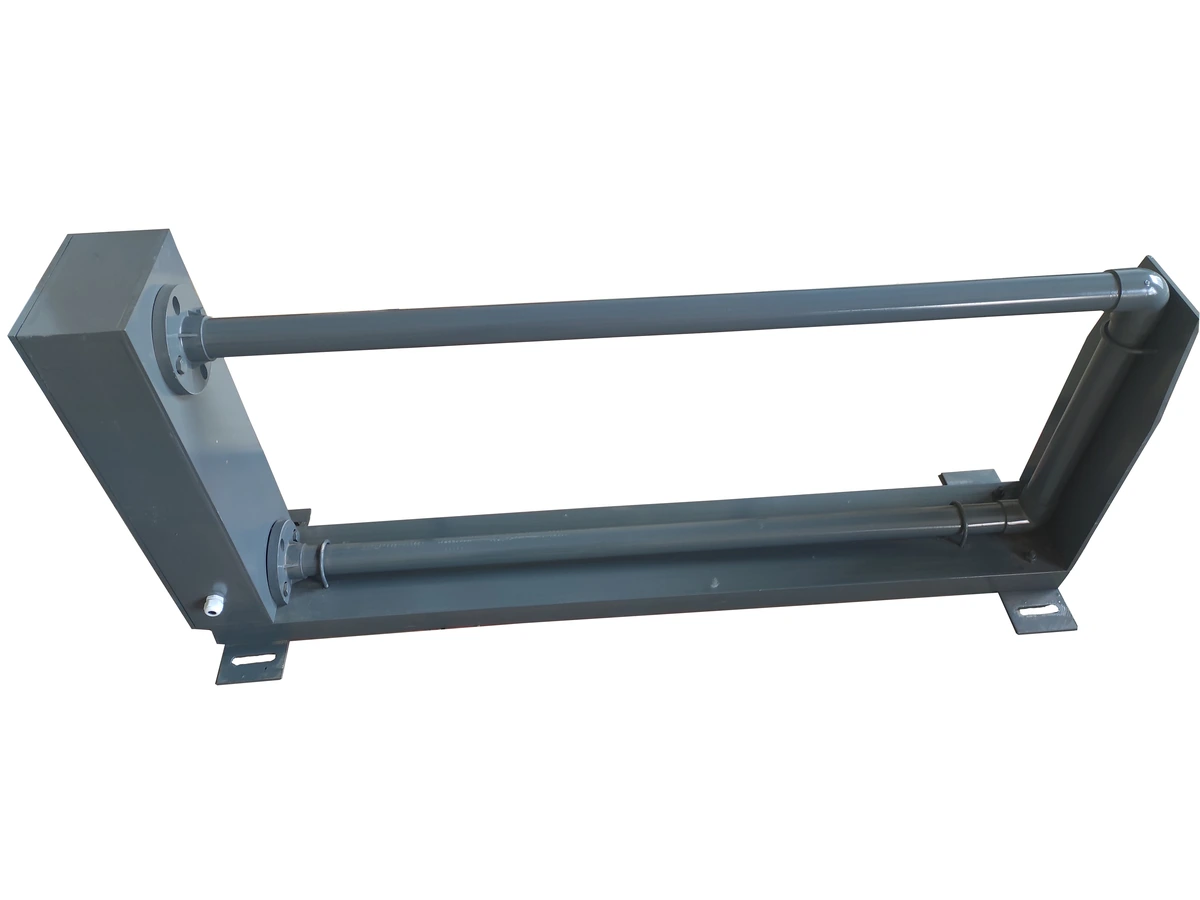
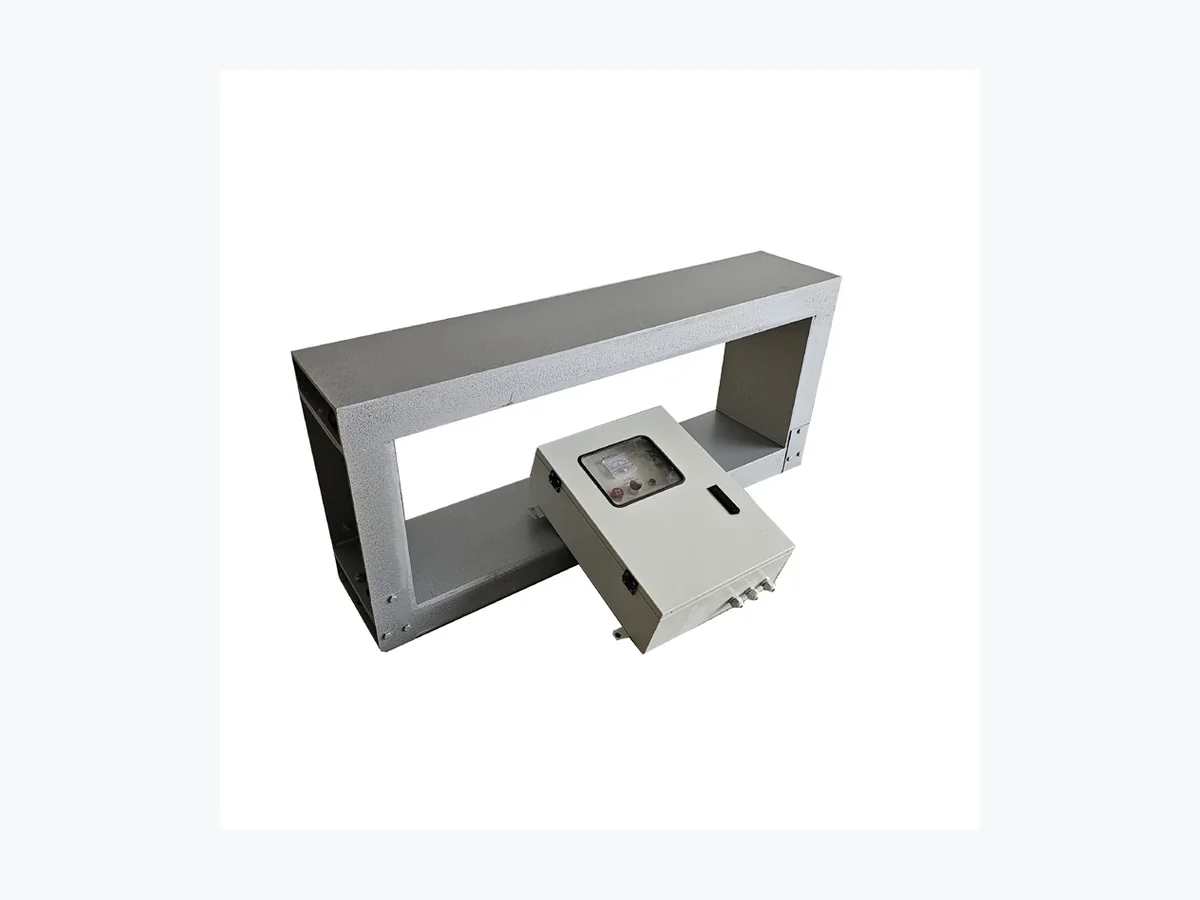
CoverLan LJT-B conveyor metal detector frame and control enclosure
Choose by Application

Which Conveyor Metal Detector Fits Your Line?

Start with the job you need the detector to do. A new bulk conveyor, an existing line, and individual product inspection need different detector layouts. The four common situations below will usually point you to the right LJT model family.

New bulk-material conveyor

If you need to find tramp metal before a crusher, mill, shredder, or other downstream machine, compare LJT-A and LJT-E first.

Recommended: LJT-A or LJT-E
Existing conveyor retrofit

If you want to install the detector around an existing conveyor without cutting the belt, choose LJT-B first.

Recommended: LJT-B
Limited space around the belt

If a full detector frame is hard to fit, LJT-H is the first model to check. It works best when the underbelt sensor can stay close enough to the metal you need to find.

Recommended: LJT-H
Packaged or unpackaged products

If individual products pass through a detector opening and the line must alarm, stop, or reject after detection, choose LJT-F first.

Recommended: LJT-F
Do you only need continuous ferrous removal? Start with a magnetic separator or conveyor magnet. If you need broader metal detection and continuous ferrous removal, use both in the line.
Model Guide

Choose an LJT Model for Your Conveyor

Your situation Recommended model Check before you choose
New bulk conveyor carrying ore, coal, aggregate, or similar material LJT-A / LJT-E Check belt width, material depth, target metal, available space, and whether the line should alarm or stop.
Existing conveyor where you do not want to cut the belt LJT-B Check the belt construction, splice, fasteners, nearby steelwork, and space around the conveyor.
There is not enough room for a full detector frame LJT-H Check target size, material depth, and the distance from the underbelt sensor to the target. If the target is small or deeply buried, compare LJT-A or LJT-E instead.
Individual packaged or unpackaged products pass through a detector opening LJT-F Check the largest product size, detector opening, packaging, line speed, and what should happen after detection.
Small metal may be buried deep in bulk material LJT-A / LJT-E first A surrounding detector frame keeps the target closer to the sensing area than an underbelt-only setup. Send the normal and maximum material depth.
The belt has steel cords, metal clips, fasteners, or a metal splice Send us the belt details first Metal in the belt can affect detection. Do not choose a model from belt width alone.
The product uses foil or metallized packaging LJT-F after a product/package check Send the actual packaging details and the smallest metal you need to detect.
You only need continuous removal of magnetically responsive ferrous metal Magnetic separator Use a metal detector as well only when you also need an alarm, stop signal, or detection of other metal types.
LJT Series

Compare All Five Conveyor Metal Detector Products

Use the model guide above to narrow your choice, then open the product page for the model that best matches your conveyor.

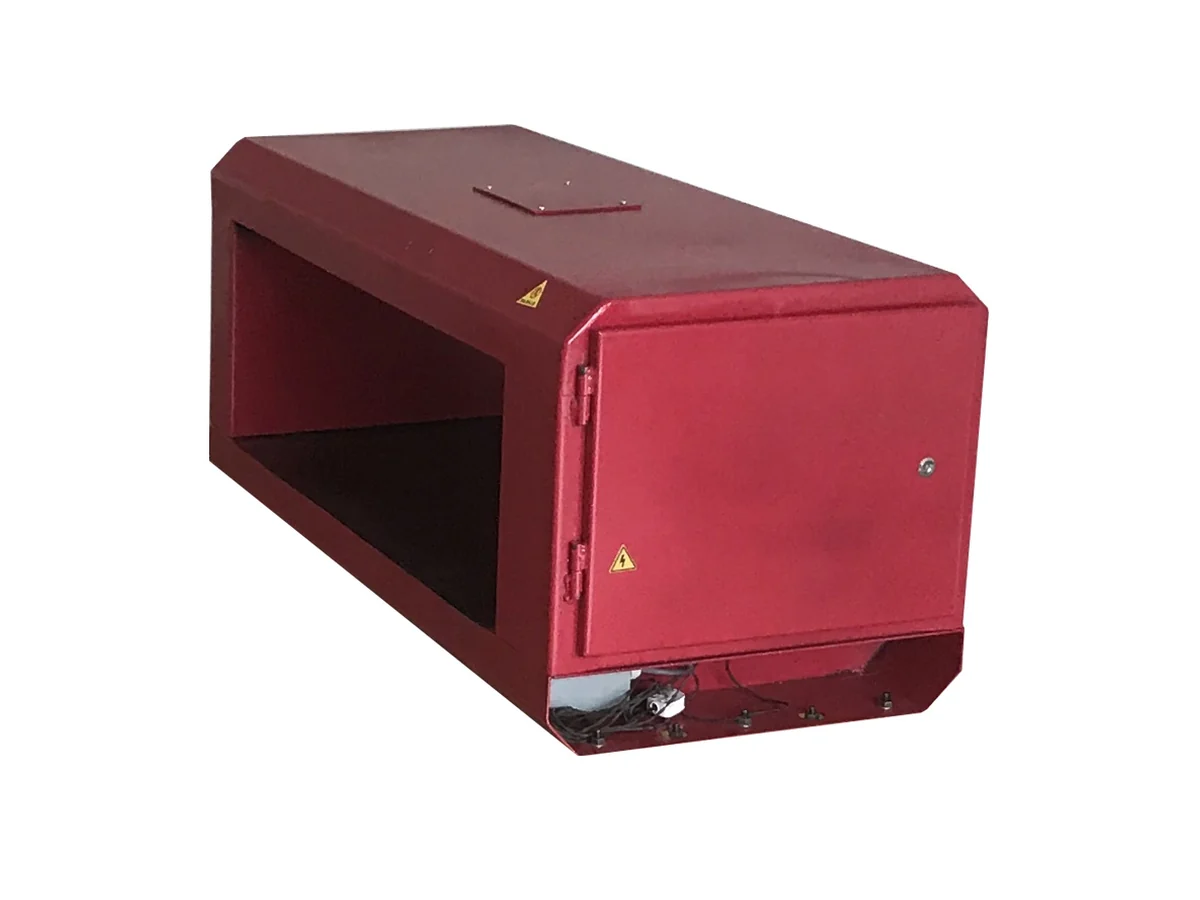
LJT-A conveyor metal detector sensor frame
Bulk Conveyor

LJT-A Conveyor Metal Detector

Frame-style tramp-metal detection for bulk-material belt conveyors. Current product information lists frame sizes for 500–2000 mm belt widths.

Choose this model when: you have room for a detector frame around the conveyor and bulk-material tramp metal is the main problem.

View LJT-A details
LJT-B split-frame tramp metal detector
Existing Conveyor Retrofit

LJT-B Tramp Metal Detector

Split-frame detection for existing bulk conveyors. The frame is designed to fit around the conveyor without cutting the belt.

Choose this model when: easy retrofit is important. Send us details of steel cords, clips, fasteners, or metal splices before you choose the final size.

View LJT-B details
LJT-E conveyor metal detector for bulk material conveyors
Bulk Conveyor

LJT-E Conveyor Metal Detector

Bulk-conveyor detection for ferrous, non-ferrous, and manganese-steel tramp metal. Current product information lists 500–1800 mm belt-width options.

Choose this model when: you need bulk conveyor metal detection and the detector can be matched to the belt, material depth, target metal, and available installation space.

View LJT-E details
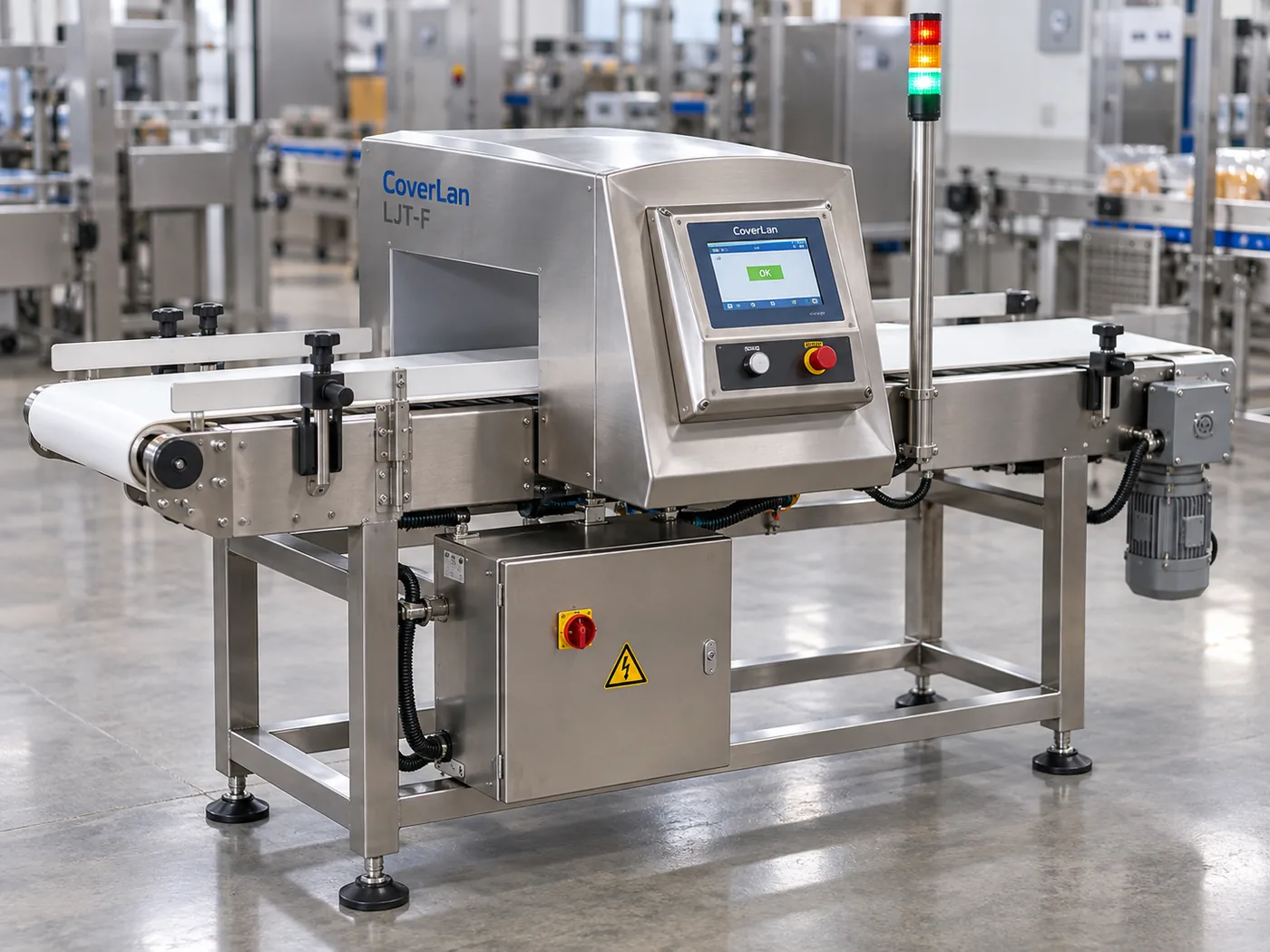
LJT-F conveyor belt metal detector for product inspection
Product Inspection

LJT-F Conveyor Belt Metal Detector

Inline metal inspection for packaged or unpackaged products that pass through a defined detector opening.

Choose this model when: you can define the product size, detector opening, line speed, packaging, and what the line should do after metal is found.

View LJT-F details
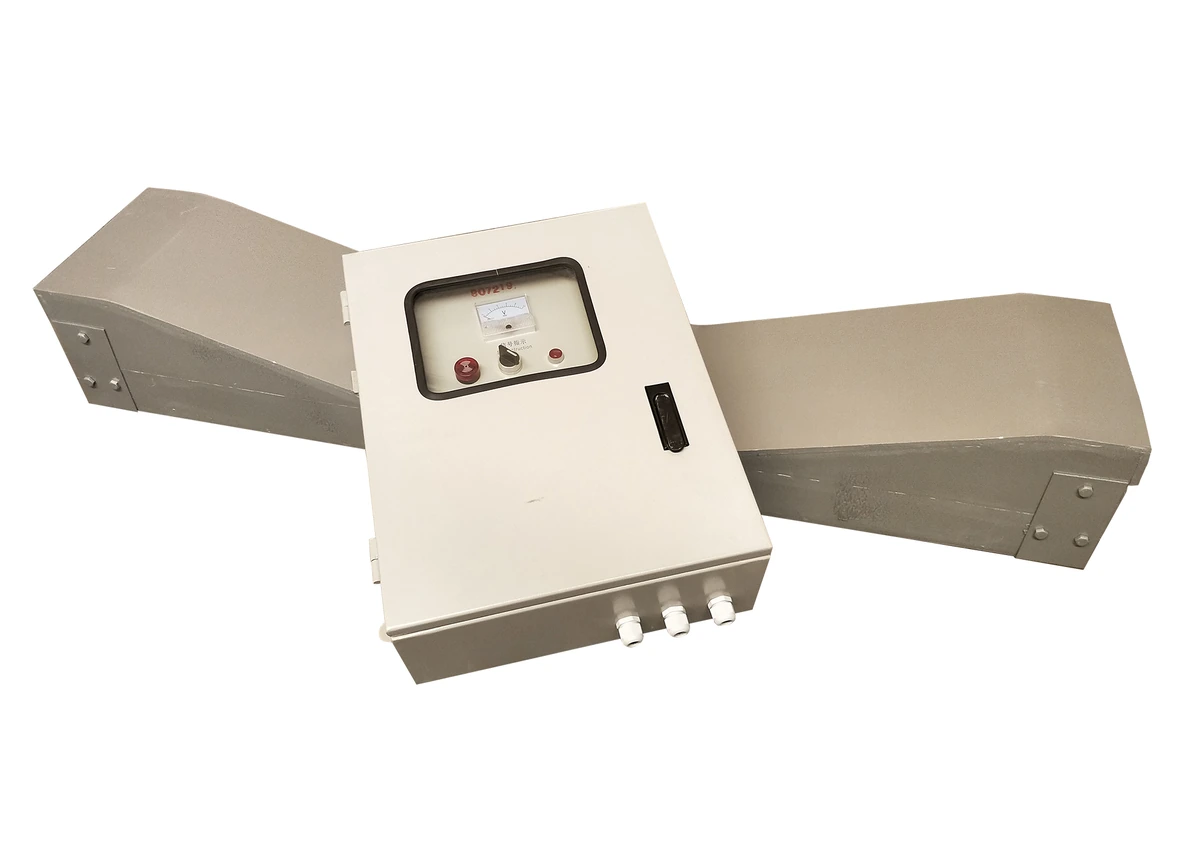
LJT-H underbelt conveyor metal detector and control enclosure
Underbelt

LJT-H Underbelt Conveyor Metal Detector

Compact underbelt sensing for conveyors where a full detector frame is hard to fit. Current LJT-H-2 information covers 500–1600 mm belt widths.

Choose this model when: installation space is limited and the metal you need to find can stay close enough to the underbelt sensor.

View LJT-H details
LJT-A or LJT-E? Both are for bulk conveyor metal detection. Send us the belt width, normal and maximum material depth, target metal, conveyor photos or drawing, and what you want the line to do after detection. We can then recommend which model to compare first.
Bulk Material or Product Inspection

Are You Checking Bulk Material or Individual Products?

Bulk-material tramp-metal detection

Use this type for ore, aggregate, coal, minerals, recycling material, or other bulk material carried on a belt.

  • For a new bulk conveyor, compare LJT-A and LJT-E first.
  • For an existing conveyor that should not be cut, choose LJT-B first.
  • If space is very limited, check whether LJT-H can keep the sensor close enough to the target.
  • Tell us the material depth, belt width, and smallest or most damaging metal that matters.

Packaged or unpackaged product inspection

Use this type when individual products pass through a defined detector opening.

  • Choose LJT-F first.
  • Use the smallest practical opening that safely passes your largest normal product.
  • Tell us if the package contains foil or metallized film.
  • Tell us whether the line should alarm, stop, mark, or reject the product.
Target Metal

What Metal Do You Need to Detect?

Tell us the metal type and size if you know them. “Detect metal” is usually too broad for a useful model recommendation because different metals and different target sizes do not produce the same detection result.

Iron or steel

If iron or steel tramp metal is the main problem, first decide whether you need to detect it, remove it continuously, or do both. A metal detector gives a detection signal. A magnetic separator is used when continuous ferrous removal is the main job.

Aluminum, copper, or other non-ferrous metal

Use a metal detector when these metals must also be found. Do not rely on a conventional ferrous magnetic separator for this job. Send us the actual metal type and the smallest size that matters.

Stainless steel

Stainless steel can be a harder target than the same size of ordinary steel in some applications. Tell us the stainless type if known, the target size, and what material or product surrounds it.

Mixed or unknown metal

If you do not know exactly what metal may enter the line, tell us what has been found before and what damage or quality problem you are trying to prevent. Photos or real contaminant samples can help define a more useful target.

How Detection Works

How Does a Conveyor Metal Detector Work?

A conveyor metal detector creates a sensing field around or below the conveyor path. When a metal object changes that field enough, the controller sends a signal to the line. The line can then alarm, stop, mark, or reject, depending on how your system is set up.

1. Material or product passes → 2. Detector senses a change → 3. Metal is detected → 4. The line responds
Do not compare detectors from one sensitivity number alone. Sensitivity means how small a metal target the detector can find under a stated setup. The real result can change with metal type, product or material, detector opening, material depth, belt construction, speed, and installation.
Sensitivity

What Affects Conveyor Metal Detector Sensitivity?

These conditions can make a small metal target easier or harder to find. Check them before you choose a detector from a catalog value alone.

Metal size, type, and position

Smaller metal is harder to find than larger metal. The type of metal and its position can also change the signal. Tell us the smallest or most damaging target that matters.

Material depth or detector opening

On a bulk conveyor, a deeper material layer can place the target farther from the detector. For product inspection, an opening larger than needed can also make small metal harder to find.

Product or material

Moisture, mineral content, conductivity, and the product itself can change the background signal. If your material changes a lot, tell us the most difficult normal condition.

Belt and packaging

Steel cords, clips, fasteners, metal splices, foil, and metallized packaging can affect detection. Tell us about them before you choose the final model.

Speed and spacing

The line needs enough time and distance to stop, mark, or reject after metal is found. Product spacing also matters when individual items must be rejected.

Nearby metal and electrical equipment

Moving metal, steelwork, motors, power cables, vibration, and nearby magnetic equipment can make detection less stable. Choose a detector position where these effects can be controlled.

When Conditions Combine

What Changes When Two Difficult Conditions Happen Together?

One condition may be easy to handle on its own. Two conditions together can change the better detector choice. These combinations are common reasons a detector that looks suitable on paper does not work as expected on the real line.

Small metal + deep bulk material: compare LJT-A or LJT-E before LJT-H. The deeper the target sits in the material, the farther it can be from an underbelt sensor. Send us both the smallest target and the maximum material depth.
Existing conveyor + steel cords or metal splice: LJT-B may still be the easiest mechanical fit, but the belt itself now becomes part of the detection problem. Send us the belt construction and splice details before the model is fixed.
Limited space + deep material: do not choose LJT-H only because it is compact. If the target will sit too far from the underbelt sensor, a surrounding-frame detector may be the better choice even if installation takes more work.
Wet or conductive product + very small target: the product can create a stronger background signal. For LJT-F applications, send the hardest normal product condition, not only a dry or empty-belt condition.
Foil or metallized packaging + small metal target: do not set the target from an unpackaged sample. Send the real package because the packaging itself can change the detection condition.
High line speed + short stop or reject distance: detection may be possible while the line still reacts too late. Check the real speed and the distance from the detector to the stop or reject point before choosing the final location.
Choose the Right Setup

When Should You Choose a Different Detector?

If the metal target is small and the material layer is deep: compare LJT-A or LJT-E before LJT-H. A surrounding detector frame can keep the target closer to the sensing area.
If the conveyor already exists and you do not want to cut the belt: choose LJT-B first. Send us the belt and splice details if they contain metal.
If individual products need automatic rejection: choose LJT-F first. Size the detector opening around the largest normal product and leave enough distance for the reject action.
If the package contains foil or metallized material: send us the actual package details before setting the smallest metal target you expect the detector to find.
If you only need continuous ferrous removal: choose a magnetic separator first. Add a metal detector when you also need an alarm, stop signal, or detection of other metal types.
If the material depth changes a lot during normal production: do not choose from the shallowest condition. Send us the normal and maximum burden depth so the detector is chosen for the harder real condition.
If the smallest detectable metal size is important: tell us the metal type, size, normal material or product condition, and line speed before you order.
After Detection

What Should Happen After Metal Is Detected?

Choose the line action at the same time as the detector. Finding metal is only useful when the line does what you need next.

Alarm only

Use an alarm when an operator can check the event and remove the affected material or product manually.

Stop the conveyor

Use a stop signal when the conveyor can stop safely and there is enough distance to find and remove the metal before it reaches the protected machine or product stream.

Mark or reject

Use marking or automatic rejection when a product or defined section of material must be separated after detection. The timing must match line speed and the distance to the reject point.

Not sure which action you need?

Send us the conveyor speed, what is moving, and what you want to happen when metal is found. We can help match the detector and line action.

Help Me Choose a Detector
Detection or Removal

Conveyor Metal Detector, Magnetic Separator, or Both?

What you need Choose Why
Know that unwanted metal entered the line and trigger an alarm, stop, or control signal Conveyor metal detector You need to detect a metal event and make the line respond.
Continuously remove suitable magnetically responsive ferrous metal Magnetic separator / conveyor magnet Your main job is physical ferrous removal.
Detect a wider range of metal and also remove ferrous metal continuously Use both The detector and magnetic separator do different jobs and can be used together.
When It Fits

When Is a Conveyor Metal Detector a Good Fit?

Choose a conveyor metal detector when

  • Metal could damage a crusher, mill, shredder, or other downstream machine.
  • You need an alarm, stop, mark, reject, or control signal when metal is found.
  • The unwanted metal may include non-ferrous metal as well as ferrous metal.
  • Packaged or unpackaged products need inline metal inspection.
  • You have a practical place to install the detector without too much nearby metal or moving steel.

Choose another option when

  • Your only goal is continuous removal of magnetically responsive ferrous metal. Start with magnetic separation.
  • The unwanted material is not metal, such as stone or glass. You need a different inspection technology.
  • The belt or package contains a lot of metal and you cannot check how it affects detection.
  • You need a very small guaranteed metal target but cannot define the target or normal product/material condition.
Installation

Where Should a Conveyor Metal Detector Be Installed?

Install the detector before the machine or product point you want to protect. Keep it away from avoidable moving metal and leave enough distance for the conveyor to stop or reject after detection.

What to check Why it matters What to send us
Conveyor shape The detector must fit your flat or troughed conveyor and stay close enough to the material for reliable detection. Belt width, conveyor cross-section, flat/troughed shape, and available space.
Material depth A deeper material layer, often called burden depth, can place the metal farther from the detector. Material type, normal and maximum depth, particle or lump size, and moisture when relevant.
Belt construction Steel cords, clips, fasteners, and metal splices can affect detection. Belt specification and clear photos of the splice or fasteners.
Nearby metal Moving steel and nearby metalwork can disturb the detector. Side and top photos showing rollers, steelwork, and moving parts.
Motors and electrical equipment Motors, power cables, motor drives, and nearby magnetic equipment can affect a sensitive detection area. A simple equipment layout or marked installation photos.
Distance after detection The line needs enough distance to stop, mark, or reject at the real conveyor speed. Line speed, distance from detector to stop/reject point, and required action.

A side photo, top photo, and simple conveyor sketch are often enough for us to help choose a suitable detector position.

If You Already Have a Detector

Why Does an Existing Conveyor Metal Detector Miss Metal or Give Unstable Alarms?

Do not assume the detector itself is the problem first. Compare what changed on the line with the condition the detector was set up for.

It misses metal that you expected to find

First check whether the target is smaller, farther from the detector, or buried deeper than before. Also check whether the product, material depth, speed, or detector opening has changed.

It alarms when no loose metal is present

Check for metal clips, a changed belt splice, loose steelwork, moving parts, new motors or cables, and other metal close to the detection area.

It works on an empty belt but not with material

The material or product may be changing the background signal, or the target may be farther from the detector when the belt is loaded. Compare the loaded condition with the empty-belt test.

It detects metal but the product still gets through

The problem may be after detection. Check conveyor speed, stop time, product spacing, reject timing, and the distance from the detector to the stop or reject point.

Performance changes during the day

Look for changes in moisture, material depth, product temperature, belt tracking, vibration, or nearby equipment. A stable detector needs a reasonably stable installation and known product conditions.

You are not sure what changed

Send us photos of the detector and conveyor, the target metal, normal material depth, belt details, and a short description of when the problem appears. That is usually more useful than changing settings at random.

Belt Width Is Not Enough

What Can Go Wrong If You Choose Only by Belt Width?

The metal is too far from the detector

The detector may fit the belt but still place small metal too far from the strongest sensing area. Material depth matters as well as belt width.

Metal in the belt causes interference

Steel cords, clips, fasteners, or metal splices can create problems if they are not known before ordering.

The line reacts too late

The detector can find metal but still fail to protect the process if the conveyor cannot stop or reject in time.

The quoted sensitivity does not match your line

A sensitivity value measured with a different product, material depth, detector opening, or installation may not match your real conveyor.

The detector opening is larger than needed

For product inspection, use the smallest practical opening that safely passes the product. A larger opening can make small metal harder to detect.

You actually need a magnetic separator

If the real job is continuous ferrous removal, a detector alone is not the right starting point.

Detection Target

Tell Us the Smallest Metal You Need to Detect

If the smallest detectable metal size matters to your order, tell us the target clearly. This is much more useful than asking for “high sensitivity.”

Metal type and size

Tell us whether the target is iron/steel, stainless steel, non-ferrous metal, or another known metal. Add the size and shape if you know them.

Where the metal may be

For bulk material, tell us the normal and maximum material depth. For product inspection, tell us the largest product size and where the metal may sit inside the product.

Normal running condition

Tell us the line speed and the normal product, packaging, or material condition. If one normal condition is harder to inspect, send that condition too.

Need a factory or site test record? Tell us before quotation so the required test and record can be discussed with the order.
FAQ

Conveyor Metal Detector FAQ

What is a conveyor metal detector?

A conveyor metal detector checks bulk material or individual products while they move on a conveyor. When metal creates a strong enough signal, the detector can send an output for an alarm, stop, mark, reject, or other line action.

Which conveyor metal detector should I choose?

For a new bulk conveyor, compare LJT-A and LJT-E first. Choose LJT-B first for an existing conveyor where you do not want to cut the belt. Check LJT-H when installation space is tight and an underbelt sensor can stay close enough to the target. Choose LJT-F for packaged or unpackaged products that pass through a detector opening.

Can a conveyor metal detector detect non-ferrous metal?

Yes, conveyor metal detectors can be used for non-ferrous targets as well as ferrous metal. The metal type, size, product or material, and installation all affect the result, so send us the actual target you need to find.

Can it detect stainless steel?

Stainless steel can be part of the detection target, but the result depends on the stainless type and size as well as the product or material around it. Tell us the stainless target you need to find instead of asking only for “metal detection.”

Can a conveyor metal detector remove metal automatically?

The detector finds the metal and sends a signal. Removal needs another action, such as stopping the belt for manual removal, rejecting an individual product, or using a magnetic separator for suitable ferrous metal.

Should I choose the largest detector opening?

No. For product inspection, use the smallest practical opening that safely passes your largest normal product. An opening larger than needed can make small metal harder to detect.

Can a conveyor metal detector work with a steel-cord belt?

Do not choose the detector from belt width alone. Steel cords, metal clips, fasteners, and splices can affect detection, so send us the actual belt construction before choosing the final model.

Where should the detector be installed?

Install it before the machine or product point you need to protect. Keep the detection area away from avoidable moving metal and leave enough distance for the conveyor to stop or reject after metal is found.

What affects conveyor metal detector sensitivity?

Metal type and size, material depth, detector opening, product or material condition, belt construction, packaging, speed, nearby metal, vibration, and electrical equipment can all affect how small a target can be found.

Metal detector or magnetic separator: which should I use?

Choose a metal detector when you need to know that metal entered the line and want an alarm, stop, or reject signal. Choose magnetic separation when the main job is continuous removal of suitable ferrous metal. Use both when you need both functions.

What information do you need to recommend a model?

Send us what is moving, the metal you need to find, the belt or product dimensions, and what you want the line to do after detection. Conveyor photos and belt or packaging details are also helpful.

Can I choose the detector from belt width alone?

No. Belt width helps with physical fit, but you should also check material or product size, target metal, belt construction, installation space, line speed, and the action needed after detection.

Why can a detector work on an empty belt but miss metal when material is loaded?

The loaded material can change the background signal, increase the distance between the target and detector, or change how the target passes through the sensing area. Check the real material depth and product condition, not only the empty-belt result.

What should I check if the detector gives false or unstable alarms?

Check for metal in the belt, loose or moving steelwork, changed splices or fasteners, nearby motors or cables, vibration, and changes in the material or product. Find what changed before changing detector settings at random.

What if my material depth changes during production?

Send us the normal and maximum material depth. If small metal matters, the deeper condition is usually the more important one to check because the target can be farther from the detector.

Tell Us About Your Line

Send 4 Details and We Can Recommend a Model

You do not need a long specification sheet to contact us. Send these four details first. If your line changes between normal conditions, include the hardest normal condition too. We can then tell you which LJT model is the best place to start.

1. What is moving?
Ore, coal, aggregate, recycling material, packaged product, unpackaged product, or another material.
2. What metal matters?
Iron/steel, stainless steel, non-ferrous metal, mixed metal, or unknown. Add the target size if you know it.
3. What is the conveyor like?
Belt width, material or product height, and line speed. Add throughput when it matters to your process.
4. What should happen?
Alarm, stop, mark, reject, control signal, or “not decided yet.”

Helpful extras: a side photo, top photo, belt/splice detail, and a simple conveyor drawing. For product inspection, also send the largest product size and packaging details.

Send Us Your Conveyor and Detection Target

Tell us what is moving, what metal you need to find, the conveyor or product size, and what you want the line to do after detection. We can recommend which LJT model to start with and tell you what extra details are needed for quotation.

Send Your Conveyor Detection Requirement

Get An Instant Quotation Now