Silica & Quartz Sand Iron Removal

Silica Sand Magnetic Separator for Iron Removal & Purification

Choose the separation route from the iron mineral, liberation, particle size and dry or wet feed condition, then validate the result against the product specification your process actually needs.

  • Use magnetic pre-cleaning for free ferrous and strongly magnetic impurities
  • Review higher-intensity separation when liberated weakly magnetic iron remains
  • Test the real material when mineralogy and process conditions make catalog selection unreliable
Quick answer: For dry silica sand with liberated strongly magnetic iron, a magnetic drum can be used as a pre-cleaning stage. Dry high-intensity separation is more relevant when liberated weakly magnetic minerals remain in a free-flowing feed. Fine silica slurry may require wet high-gradient separation. If iron is locked inside quartz grains, magnetic separation alone will not solve the purification target.
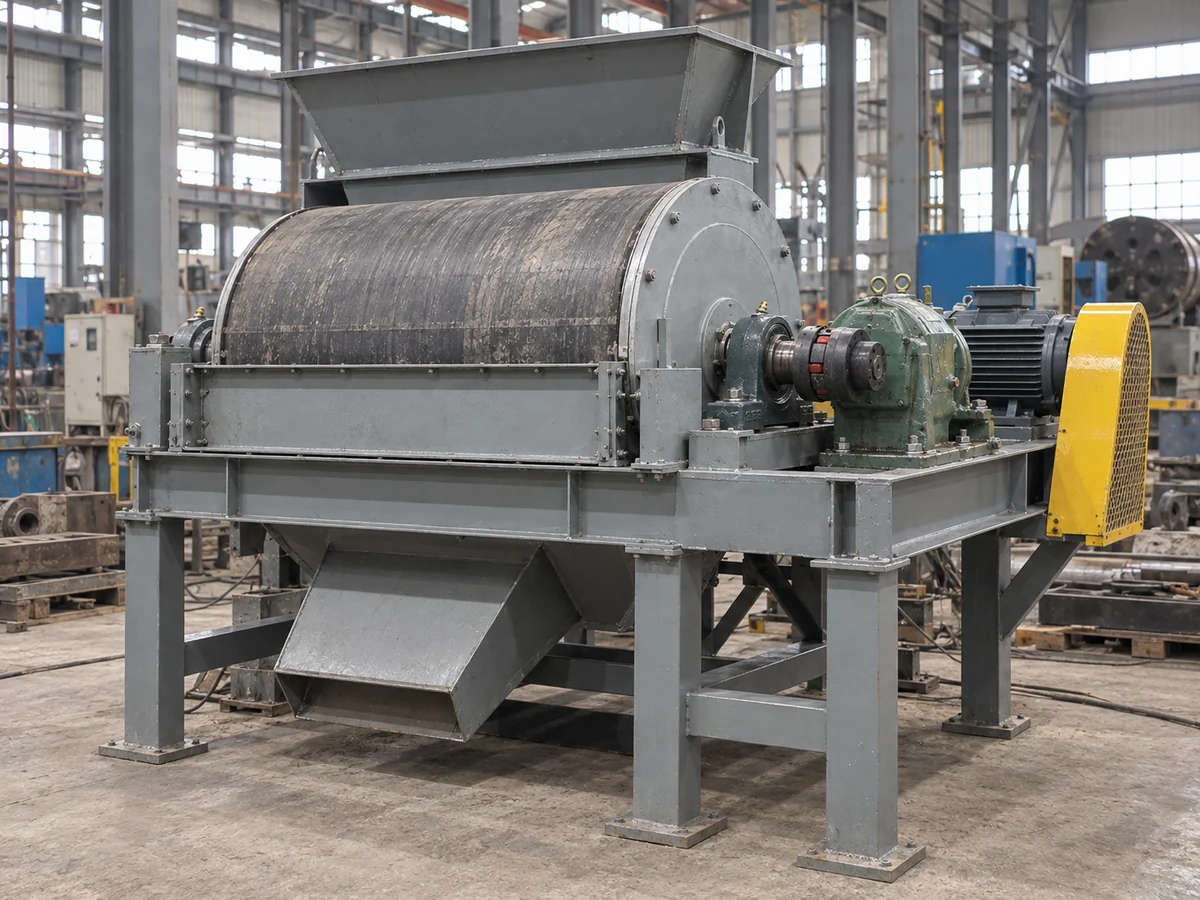
Magnetic drum separator in an industrial workshop
Selection Snapshot

Start With the Material, Not the Magnet

Strong magnetic ironStart with magnetic pre-cleaning / drum separation review.
Weak magnetic ironReview higher-intensity or high-gradient separation.
Iron locked in quartzImprove liberation or use another purification mechanism first.

Final equipment configuration and performance targets should stay tied to the actual material and agreed test conditions.

Silica Sand Applications

Silica Sand Iron Removal for Different Product Requirements

The same iron impurity can be acceptable in one silica sand market and unacceptable in another. Define the downstream product before deciding how far the magnetic stage needs to go.

Glass & Solar Glass Feed

Iron-bearing minerals can affect color and product specification, so the separation route often needs tighter control of weak magnetic contamination as well as free ferrous material.

Selection focus: current assay, target assay, mineral form and whether the feed is dry or wet.

Foundry & Reclaimed Sand

Mechanical iron, scale and wear debris can enter during handling or reclamation. Magnetic protection or drum separation can be useful when the contamination is liberated and strongly responsive.

Selection focus: contamination source, particle size and feed presentation.

Ceramics & Industrial Minerals

Discoloring hematite, limonite, iron-bearing mica and related phases may require a higher-intensity route when conventional magnetic pre-cleaning reaches its practical limit.

Selection focus: mineralogy, liberation and required visual / chemical quality.

High-Purity Quartz Pre-Purification

Magnetic separation can remove responsive iron-bearing phases, but it should be treated as one stage in a broader purification flowsheet rather than a guarantee of final high-purity quartz quality.

Selection focus: liberation, fine inclusions and downstream purification sequence.
Common Iron Contamination in Silica Sand

Common Iron Types in Silica Sand

Fe₂O₃ tells you how much iron is present. It does not tell you where that iron sits or how it will respond to a magnetic separator.

Free Ferrous

Steel fragments, scale, grinding wear and exposed metallic iron introduced by handling equipment.

What this means: usually the easiest iron fraction to remove magnetically when it is exposed to the working zone.

Strong Magnetic Minerals

Liberated magnetite or another strongly responsive magnetic fraction mixed with the silica sand.

What this means: a magnetic drum may be enough when the particles are fully liberated and the feed is presented correctly.

Weak Magnetic Iron Minerals

Hematite, limonite, iron-bearing mica or another liberated weakly magnetic fraction.

What this means: this is where conventional drum separation often reaches its limit and a higher-intensity route should be reviewed.

Iron Locked Inside Quartz

Iron-bearing inclusions, intergrowth or staining that is not sufficiently liberated for selective magnetic capture.

What this means: more magnetic strength does not fix poor liberation.
Fe₂O₃ is not a separator setting. XRF can quantify composition. Mineralogy, liberation and magnetic response are what tell you whether magnetic separation has a realistic path to the required product.
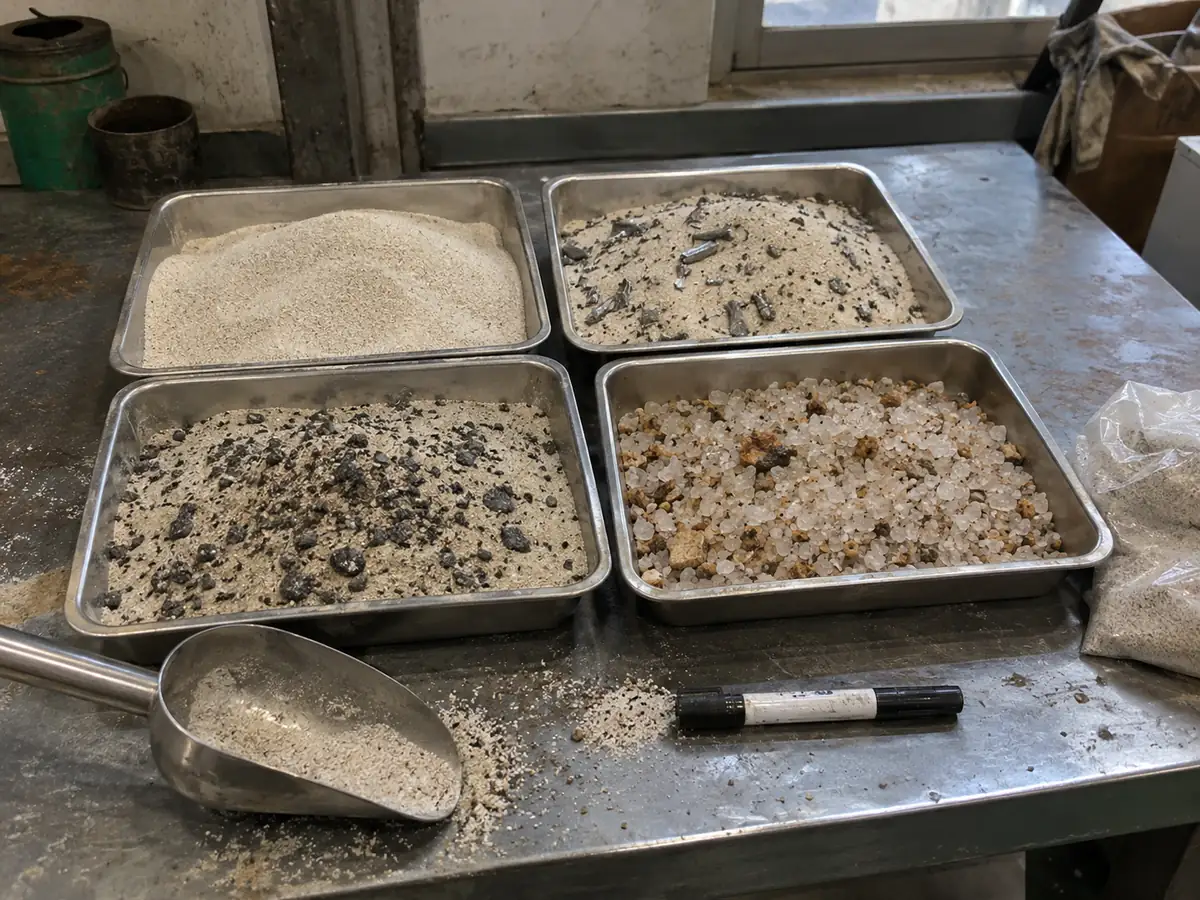
Silica sand samples showing different visible iron impurity conditions
Separator Selection

Choose the Right Magnetic Separator for Silica Sand

Do not make one separator carry every iron-removal duty. Match each stage to the magnetic response and physical condition of the material.

Suitable Application
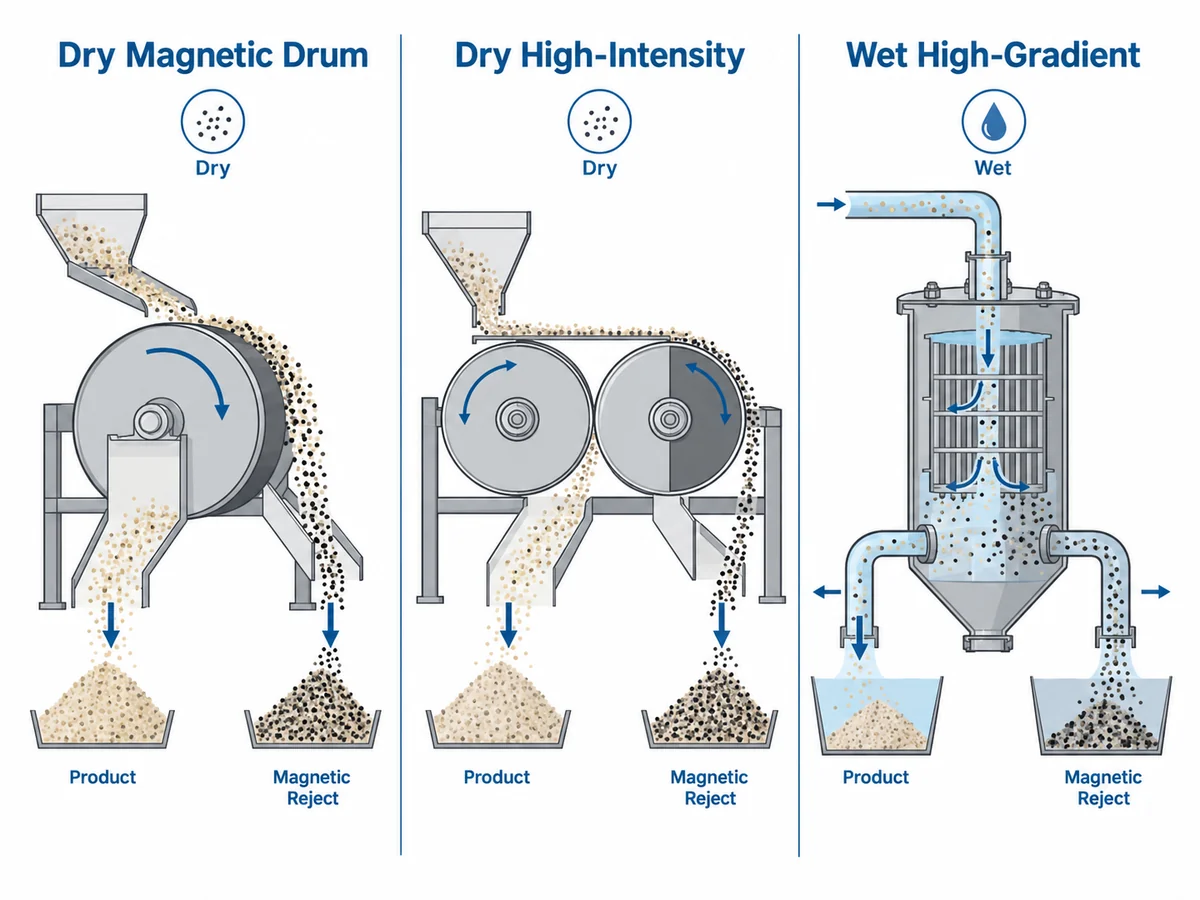
Magnetic Drum Separator

Strong Magnetic Pre-Cleaning

Typical equipment: magnetic drum or another suitable magnetic protection stage.

  • Dry, controllable feed
  • Free ferrous contamination
  • Magnetite or strongly responsive liberated particles
  • Continuous magnetic / non-magnetic discharge

Additional separation may be required when weak magnetic iron remains in the material.

Deep Iron Removal
High Intensity Magnetic Separator

Dry High-Intensity Separation

Typical duty: liberated weak magnetic impurities in dry, free-flowing silica or quartz sand.

  • Stable thin feed layer
  • Controlled particle-size range
  • Weak magnetic iron minerals
  • Dry process preferred

For dry, free-flowing sand with liberated weakly magnetic iron, compare a high-intensity magnetic roller separator. Material testing helps determine whether the separator can remove weak magnetic iron while maintaining acceptable product recovery.

Fine / Wet Route
Wet High Gradient Magnetic Separator

Wet High-Gradient Separation

Typical duty: fine silica slurry where dispersion and high-gradient capture are needed for weak magnetic particles.

  • Fine particle handling
  • Slurry feed
  • Weak magnetic iron-bearing minerals
  • Water and dewatering already fit the process

Wet separation should be selected when the material condition and particle size require slurry processing. A wet separator does not automatically mean higher purity.

Not sure which separator fits your material? Check your material type, particle size and iron condition before selecting a magnetic separator. Testing can help confirm the right equipment choice.
Technical comparison of dry drum, dry high-intensity and wet high-gradient magnetic separation routes
Dry vs Wet

Dry vs Wet Magnetic Separation for Silica Sand

Dry Separation

Better starting point when:

  • The sand is sufficiently free-flowing
  • Water use should be avoided
  • Particle presentation can be controlled
  • The target impurity is liberated
Watch: moisture, fines, agglomeration, bed depth and feed stability.

Wet Separation

Better starting point when:

  • The feed already exists as slurry
  • Fine particles benefit from dispersion
  • A high-gradient capture route is being reviewed
  • Water and downstream dewatering fit the flowsheet
Watch: slurry solids, viscosity, dispersion, water balance and downstream handling.
Typical Process Flow

Silica Sand Iron Removal Process Overview

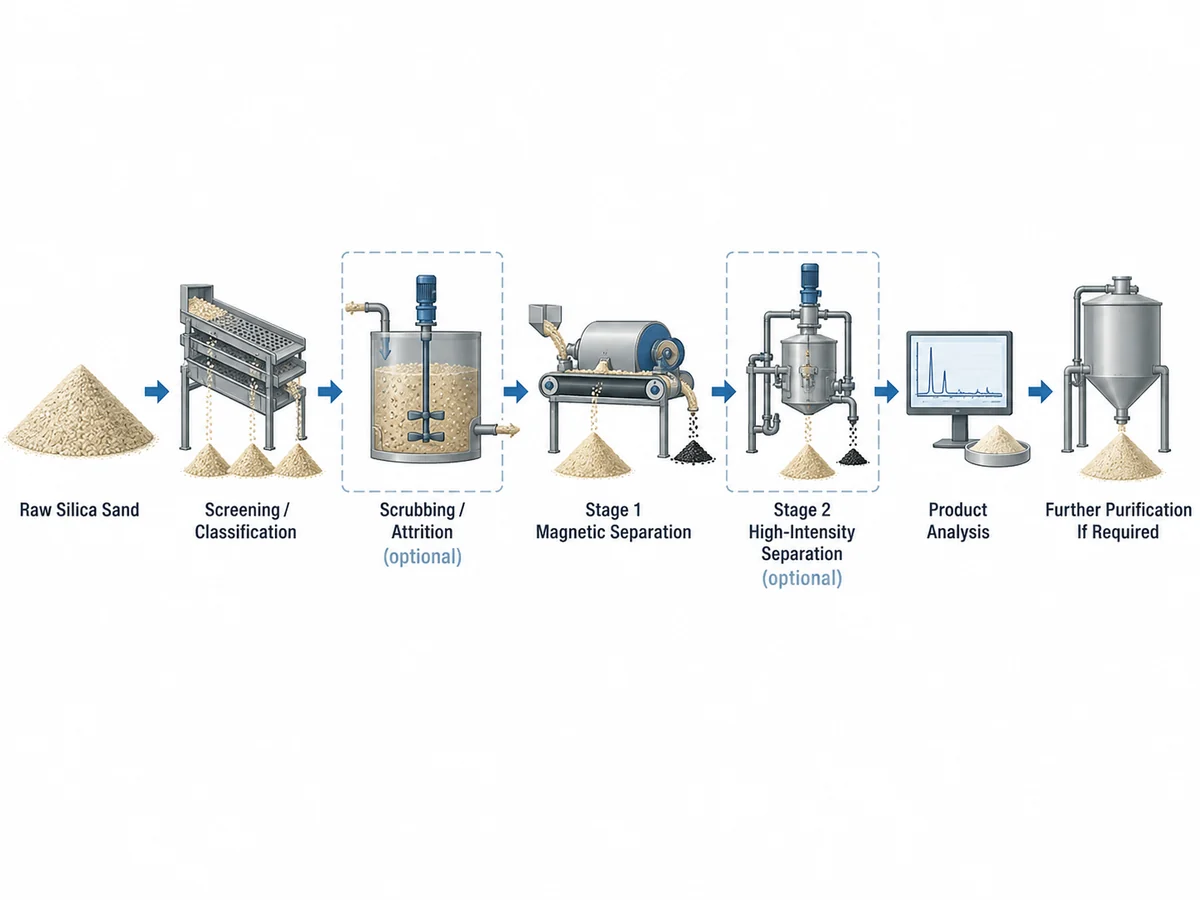
Magnetic separation normally works best as a controlled stage inside the purification flowsheet, not as a substitute for liberation or another required purification mechanism.

Raw Silica / Quartz SandDefine source, particle size, iron level and variability.
Screen & ClassifyControl oversize, fines and feed presentation.
When NeededScrub / AttritionExpose surface-attached contamination or coatings.
Remove Strong Magnetic IronCapture free ferrous or strongly responsive liberated particles.
When NeededRemove Weak Magnetic IronReview a higher-intensity or high-gradient route.
Analyze the ProductCompare the product against the agreed acceptance metric.
When magnetic separation is not enough: if iron remains locked inside quartz, is present as a non-magnetic phase, or the required product needs a different purification mechanism, the next step may involve additional grinding, scrubbing, classification, flotation, gravity separation, leaching or another process appropriate to the mineralogy.
Typical silica sand purification flow including classification, scrubbing and magnetic separation
Material Testing

Material Testing for Magnetic Separator Selection

When the material response cannot be judged reliably from chemistry and catalog specifications, test a representative sample and compare the measured iron content before and after separation.

01

Send the Material

Provide representative silica sand, particle-size information and existing assay data.

02

Define the Target

State the current Fe / Fe₂O₃ condition, required product result and downstream use.

03

Run a Controlled Trial

Compare magnetic response or candidate routes under documented feed and equipment conditions.

04

Compare Feed vs Product

Use the measured fractions to decide the next equipment or process step.

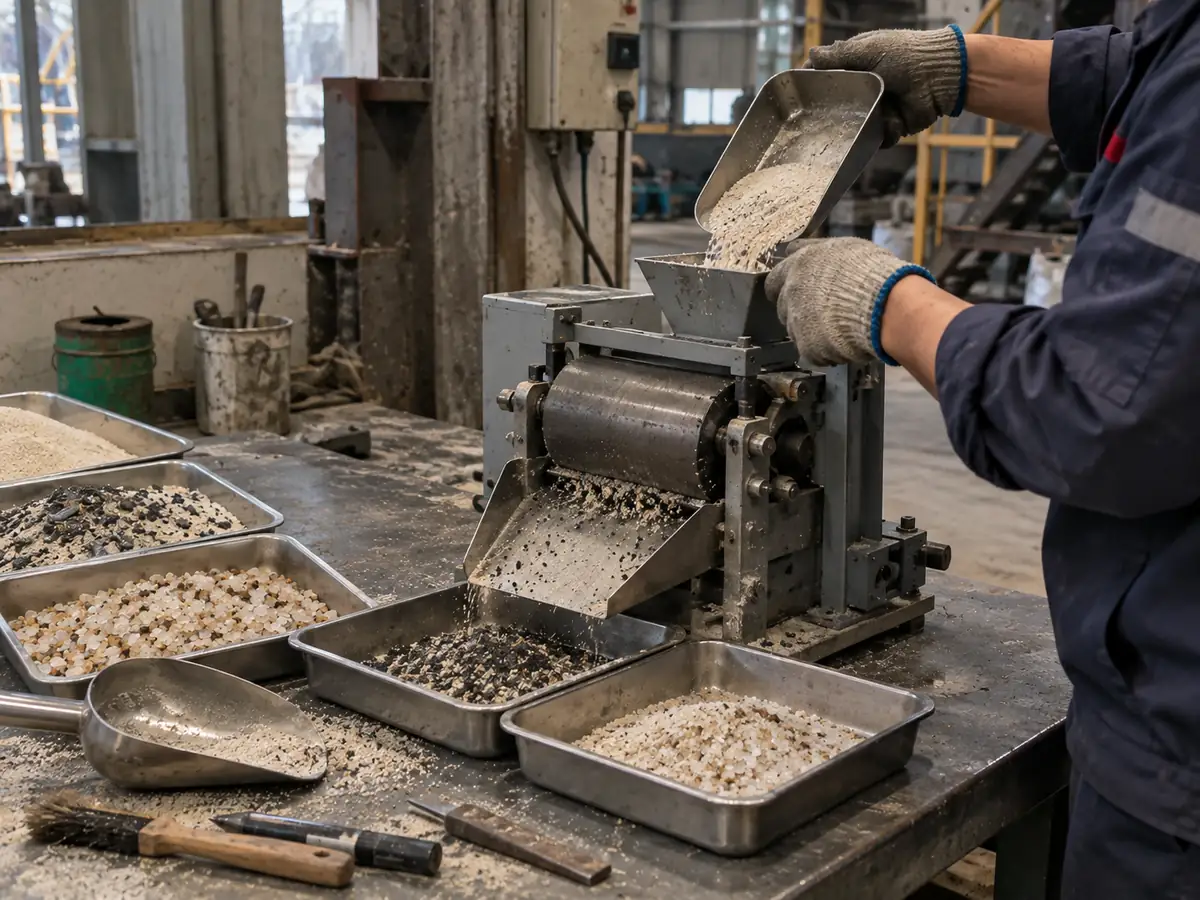
Technician feeding silica sand into a small magnetic separation test unit

If material testing is required, please provide representative samples together with basic material information. Test conditions and evaluation criteria will be confirmed before testing.

Equipment Fit

Magnetic Drum Separator Applications in Silica Sand Processing

Good Fit

  • Dry silica sand or quartz sand
  • Free ferrous contamination
  • Liberated strongly magnetic particles
  • Continuous pre-cleaning duty
  • Stable feed distribution and defined discharge paths

Move to Another Route When

  • Fine weakly magnetic iron dominates
  • The feed is already slurry
  • Deeper purification is required
  • Iron remains locked inside quartz grains
  • A conventional drum test does not reach the agreed product target
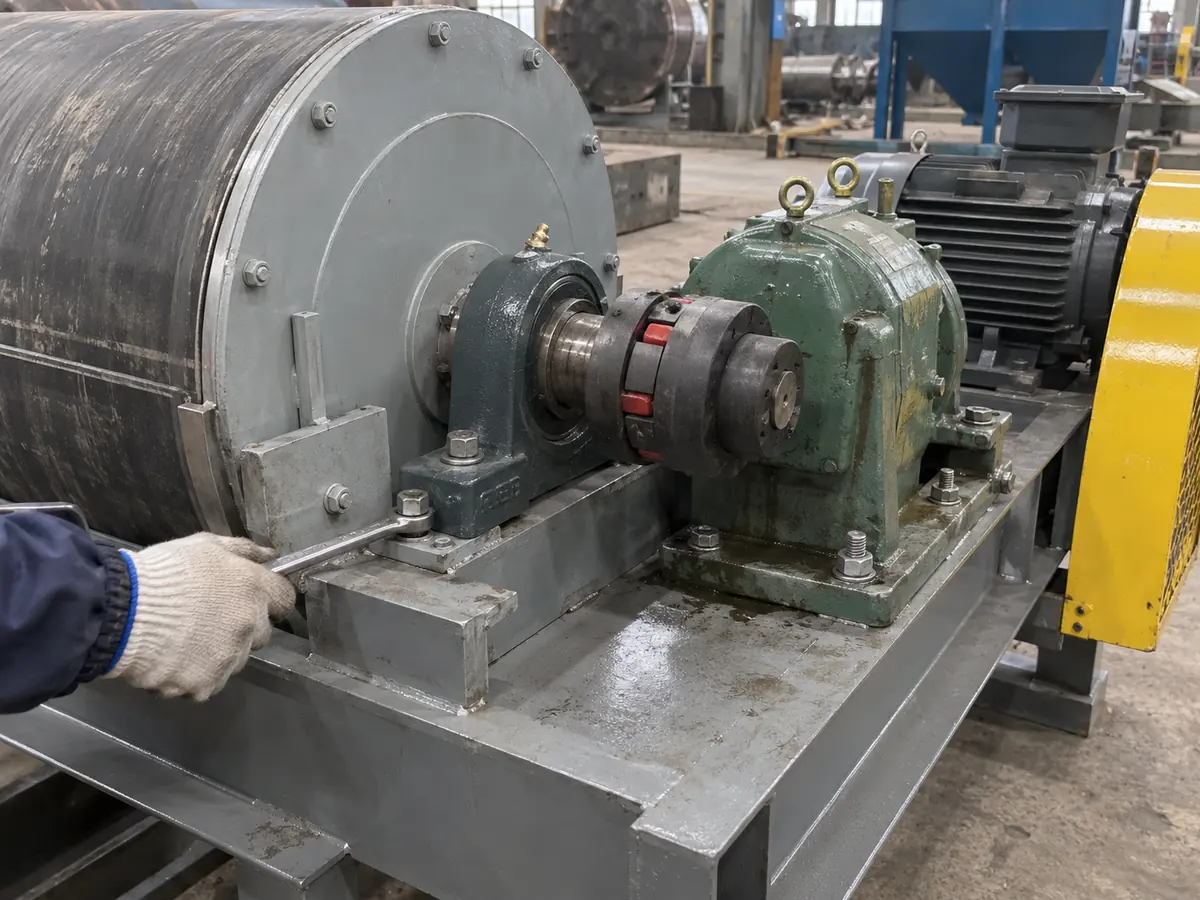
Close-up of magnetic drum bearing, coupling, gearbox and drive components

For an application page, the drum should be treated as one available process stage, not as the default answer to every silica sand iron-removal problem.

Performance Variables

Factors Affecting Silica Sand Magnetic Separation

1. Iron Mineral TypeMagnetite, hematite, limonite, mica and metallic iron respond differently.
2. LiberationA magnetic inclusion trapped inside quartz cannot be selectively captured as if it were free.
3. Particle SizeSize affects feed behavior, exposure to the field and separation trajectory.
4. Feed Depth / Slurry ConditionBurden depth, moisture, agglomeration or slurry dispersion change particle presentation.
5. Field + Gradient at the Working ZoneA surface field reading alone does not describe the force available at the target particle.
6. Speed & Discharge GeometryResidence time, splitter position and discharge trajectory affect both capture and product loss.
One change can move several results at once. Increasing capture can also increase product loss. That is why residual iron, recovery, magnetic fraction and product yield should be evaluated separately.
Line Integration

Magnetic Separator Installation Considerations

A workable proposal needs the process interface, not only tons per hour.

Material Data

  • Particle-size distribution
  • Moisture or slurry solids
  • Bulk density and flow behavior
  • Normal and peak feed rate

Mechanical Interface

  • Feed width and inlet dimensions
  • Product and reject discharge geometry
  • Available footprint and elevation
  • Service and lifting clearance

Utilities & Controls

  • Available voltage and frequency
  • Control-system interface
  • Water availability for wet routes
  • Site-specific operating constraints

Process Requirement

  • Current assay
  • Required product assay
  • Downstream product use
  • Acceptance and sampling method
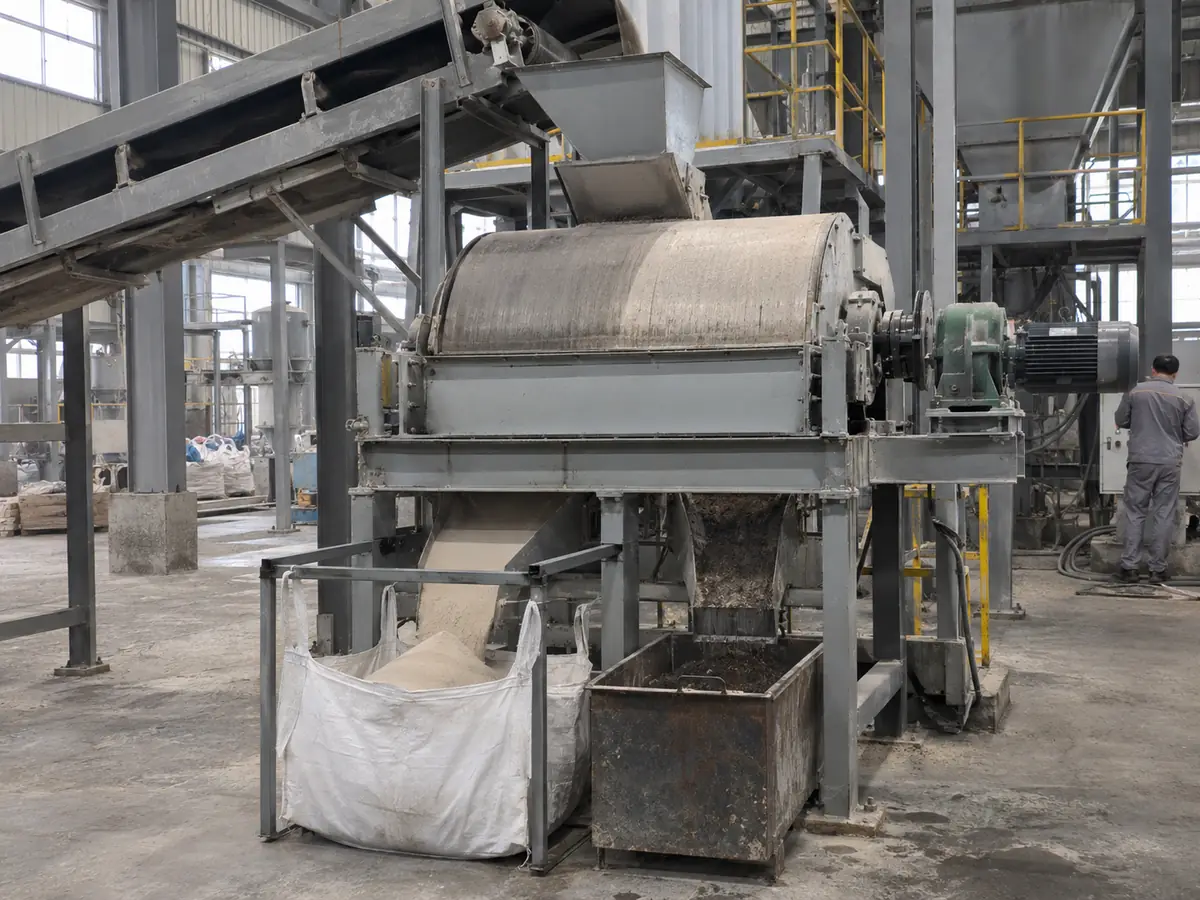
Magnetic drum separator integrated into a dry mineral processing line
Performance Validation

Factors Affecting Silica Sand Separation Performance

1. Equipment Inspection

Confirm the machine, interfaces, discharge arrangement and drawing-controlled items included in the agreed scope.

2. Magnetic Measurement

When a field reading is specified, define the instrument, probe orientation, measurement position, working gap and test condition.

3. Representative Material Trial

When the decision concerns residual iron or product quality, compare the real feed and separated fractions under documented conditions.

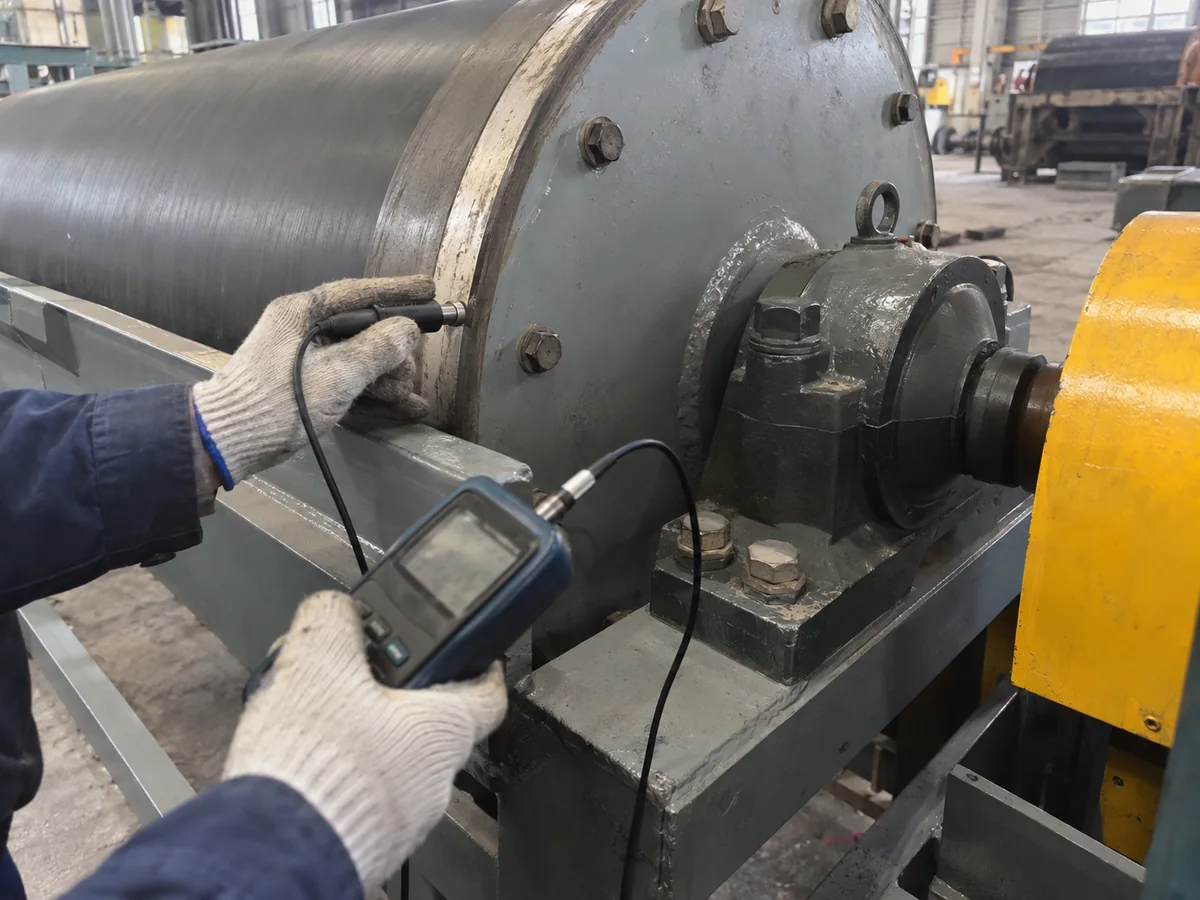
Technician using a handheld probe to check a magnetic separator working surface
Do not substitute one metric for another. Field strength, capture, recovery, removal rate, product loss and final Fe₂O₃ are different measurements. A Gauss reading is not an iron-removal guarantee.
Corvelan Project Approach

Choosing the Right Magnetic Separator for Silica Sand

Material Analysis

Start from the impurity, particle size, dry or wet process and required product instead of selecting from a catalog headline.

Separator Selection

Separate strong-magnetic pre-cleaning from deeper weak-magnetic purification so each stage has a defined job.

Installation Requirements

Translate the selected route into feed, discharge, footprint, utility and control interfaces for the actual line.

Performance Requirements

Keep any performance target attached to the agreed material, measurement method, equipment configuration and operating condition.

If your material needs testing or a custom separator configuration, we will confirm the work and equipment included in the quotation.

RFQ Checklist

What to Send for a Silica Sand Separation Recommendation

Organize the enquiry from what you have now to what the finished product must become.

01Current Material

  • Silica / quartz sand source
  • Particle-size distribution and top size
  • Current Fe, Fe₂O₃ or XRF result
  • Known mineralogy / XRD if available

02Target Product

  • Required Fe / Fe₂O₃ result
  • Final application
  • Important product-loss or recovery constraint
  • Proposed acceptance method

03Production Condition

  • Normal and peak feed rate
  • Dry moisture or slurry solids
  • Existing process flow
  • Water / dewatering constraint

04Installation

  • Available footprint and elevation
  • Inlet / outlet geometry
  • Voltage and control interface
  • Photos, video or line drawing
FAQ

Silica Sand Magnetic Separator FAQ

What is the best magnetic separator for silica sand?

There is no single best separator for every silica sand. A magnetic drum can be used for liberated strongly magnetic contamination and pre-cleaning. Dry high-intensity separation is more relevant when liberated weak magnetic minerals remain in a dry free-flowing feed. Fine slurry may require wet high-gradient separation. Mineralogy, liberation, particle size and the required product determine the route.

Can a magnetic separator reduce Fe₂O₃ in silica sand?

Yes, when the Fe-bearing minerals are magnetically responsive and sufficiently liberated. The achievable reduction depends on mineralogy, liberation, particle size, feed condition, separator type and operating window. Fe₂O₃ chemistry alone does not predict the result.

Do I need a high-intensity magnetic separator for quartz sand?

Not always. Free ferrous and strongly magnetic contamination may be removed in an earlier magnetic stage. A higher-intensity or high-gradient route becomes more relevant when liberated hematite, limonite, iron-bearing mica or other weak magnetic particles remain.

Should silica sand be magnetically separated dry or wet?

Dry separation is practical when the material is sufficiently free-flowing and can be presented in a controlled layer. Wet separation becomes relevant when the feed already exists as slurry, fine particles benefit from dispersion, or a high-gradient capture route is required. The process condition should drive the choice.

Does a higher Gauss value mean better iron removal?

No. Gauss is magnetic flux density at a defined measurement point. The separation result also depends on the particle's magnetic response, field gradient, working distance, feed depth, particle size, speed and discharge geometry. A condition-free Gauss value does not prove removal efficiency.

What information is needed to select a silica sand magnetic separator?

Start with particle size, feed rate, moisture or slurry solids, current Fe / Fe₂O₃, required product result, known impurity mineralogy, dry or wet process condition, installation space and inlet / outlet geometry. Add XRF, XRD, samples and previous separation test data when available.

Next Step

Find the Right Magnetic Separator for Your Silica Sand

Send your current material analysis, particle size, target iron level and process condition. Corvelan can review whether the project starts with strong-magnetic pre-cleaning, requires a higher-intensity route, or needs material testing before equipment selection.

Any capacity, field-strength, purity, recovery or iron-removal target should be confirmed against the agreed material, equipment configuration, operating conditions and acceptance method before it is treated as a project commitment.

Get An Instant Quotation Now