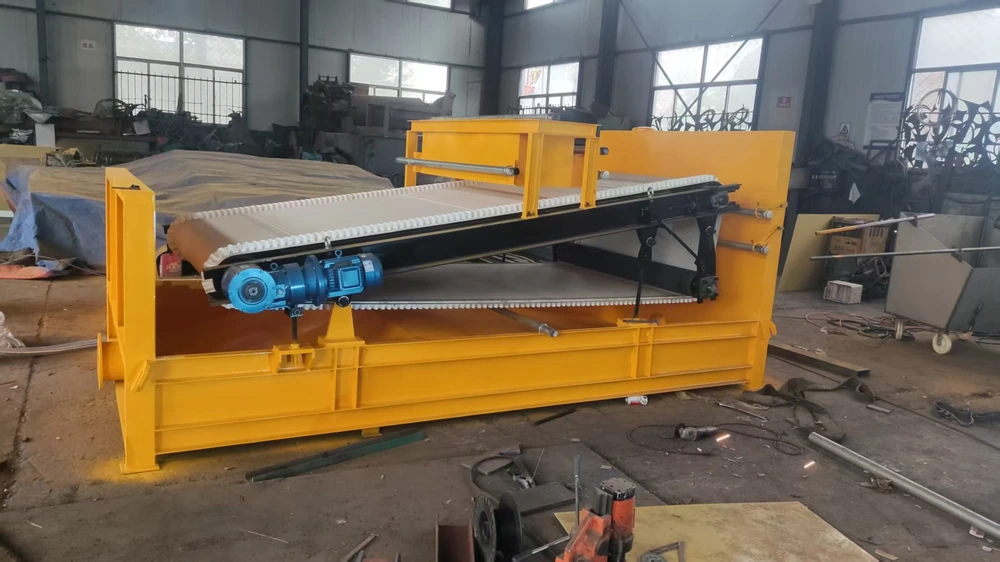
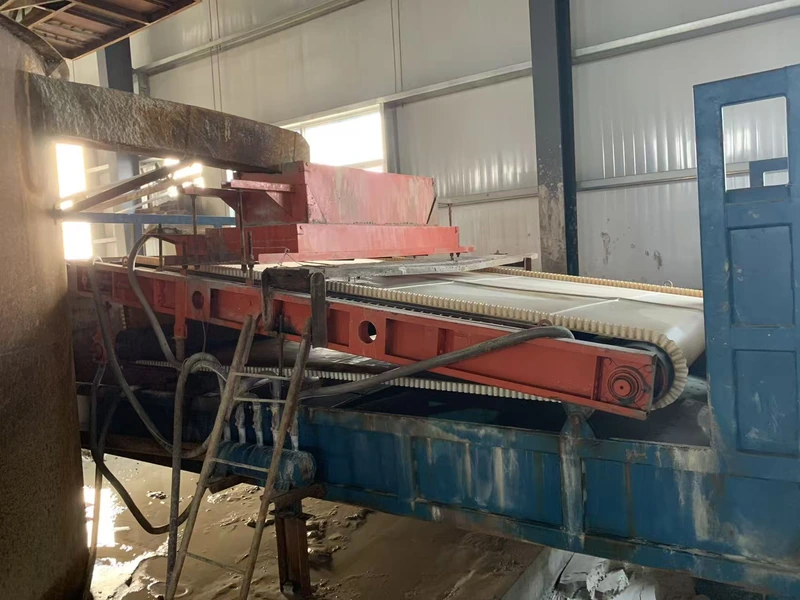
| 1. What minerals are in the feed? | Different minerals react differently to the same magnetic field. | We first check what minerals are present and how much iron is in the feed. If you have lab analysis, XRF, XRD or previous magnetic test results, send them to us. |
| 2. Is the iron free or locked inside the particle? | Iron that is locked inside the main particle cannot behave like a separate magnetic particle. | The iron must be separated from the main mineral before magnetic separation can work well. This is called mineral liberation. If it is still locked, finer grinding or another separation step may be needed first. |
| 3. Particle size | Particle size changes settling, movement through the magnetic area and product loss. | If a very wide size range causes unstable flow, we may recommend classification before the separator. |
| 4. How thick and stable is the slurry? | Too much water means the machine must handle more liquid. Too much solid can make the slurry harder to spread evenly. | Tell us how much solid is in the slurry. This is often given as solids concentration or a water-to-solids ratio. We size the feed system around the normal running condition. |
| 5. Does the slurry spread evenly? | Channeling overloads one area and wastes another part of the magnetic plate. | We match the inlet and feed distributor to the working width and expected flow. |
| 6. Magnetic strength where the material actually flows | The useful magnetic force depends on the field where the particles pass. | If a magnetic value is required, we also agree where and how the reading is taken. One surface Gauss number does not describe the whole separation result. |
| 7. How long does the material stay in the magnetic area? | Too little time can reduce capture. Too much time can reduce flow or increase unwanted carryover. | We set the operating range from the machine shape, flow and material behavior. |
| 8. How much magnetic material builds up? | Buildup can cover the active area and carry non-magnetic product with it. | We match the cleaning or wash method to the expected magnetic load and product-loss risk. |
| 9. How is the result checked? | A test result can change when the sample point, test time, lab analysis method or calculation changes. | If the order includes a required separation result, we agree these test details before the test starts. |