Wet magnetic separation · plate type

Wet High-Intensity Plate Magnetic Separator

Choose this separator when your material is already wet and you need to remove weakly magnetic iron or recover weakly magnetic minerals. The target particles must be free enough from the main mineral for the magnetic field to act on them. We size the separator around your material, slurry flow and required product result. This page covers Corvelan’s plate-type wet high-intensity magnetic separator for slurry. It does not represent every WHIMS or HGMS configuration.

Best ForWet slurry that flows evenly and stays reasonably stable.
Typical MaterialsQuartz, silica, kaolin, feldspar, hematite, limonite and similar wet mineral feeds.
Main PurposeRemove weakly magnetic iron-bearing particles or recover weakly magnetic minerals.
Choose ByParticle size, slurry condition, magnetic response, required flow and required product result.
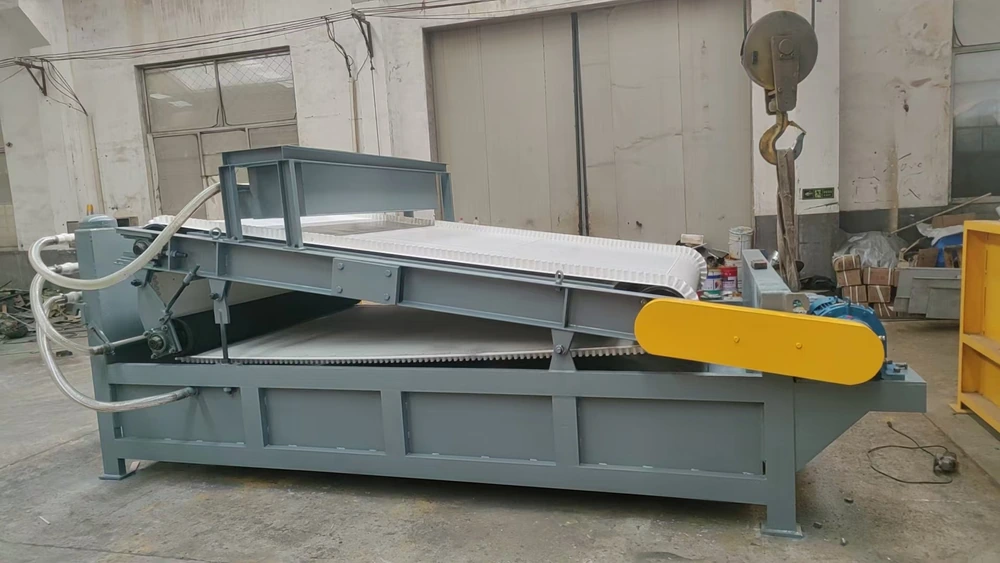
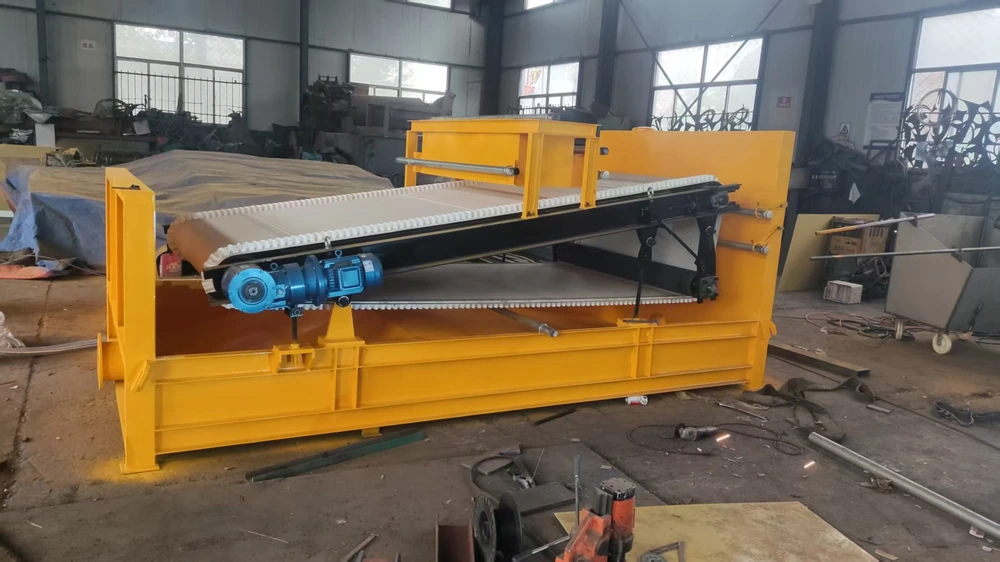
Wet high-intensity plate magnetic separator with belt-type separation structure
Quick Check

Best fit: wet slurry + weakly magnetic iron or minerals + stable feed distribution.

Which Magnetic Separator Should You Choose?

Start with two questions: Is the material wet or dry? Is the target strongly magnetic or weakly magnetic? These two answers usually tell us which separator to check first.

Your MaterialWhat We RecommendWhyWhat We Need to Check
Wet quartz or silica slurry; weak magnetic iron remains after washing or easy magnetic removalChoose the wet high-intensity plate separator.The material is already wet and the remaining iron needs a stronger wet magnetic step.Send particle size, solids level, current product analysis and the required result. We also need to know whether the iron is free from the quartz or silica particle.
Prepared kaolin or feldspar slurry; iron affects color or product qualityChoose the wet plate separator, then test the real material if a product result must be guaranteed.Fine slurry and weak magnetic iron can change with feed condition, so the real material matters.Send the material source, particle size, solids level, current analysis and the property you want to improve.
Hematite, limonite or another weakly magnetic mineral in wet slurryChoose a high-intensity wet separator. Use the plate type when the slurry can spread evenly across the plate.A low-intensity wet drum is usually not the first choice for a weakly magnetic target.Send particle size, mineral analysis, required flow and the grade or recovery you need.
Magnetite-rich slurry or another strongly magnetic mineralChoose a wet drum magnetic separator first.A strongly magnetic target normally does not need a high-intensity plate separator as the first step.Send magnetite content, particle size, required flow and the recovery or grade target.
Dry, free-flowing weakly magnetic materialChoose dry high-intensity separation before adding water.Making slurry adds water handling and dewatering when the process may not need either one.Send moisture, particle size, dust condition and required product result.
Iron is locked inside a non-magnetic particle, or the unwanted material is non-magneticDo not add another magnetic separator first.A stronger magnetic field cannot remove iron that is still locked inside the main particle. It also cannot capture a non-magnetic target.Check whether grinding or another separation step is needed first.

Wet Plate Separator vs WHIMS vs Wet Drum vs Dry High-Intensity

These machines are not the same. Choose the separator that matches the material state, magnetic response and required flow.

SeparatorChoose It WhenDo Not Choose It First When
Wet high-intensity plateThe feed is slurry, the target is weakly magnetic and the slurry can spread evenly across the magnetic plate.Magnetite is the main target, the material should stay dry, or the iron is still locked inside the main particle.
Wet drumA strongly magnetic mineral such as magnetite is the main target in slurry.The remaining target is only weakly magnetic and needs a higher-intensity wet step.
Vertical-ring WHIMS / HGMSChoose a vertical-ring wet high-intensity magnetic separator (WHIMS) or high-gradient magnetic separator (HGMS) when its ring and matrix design handles the slurry and required flow better than a plate design.Choose the plate type when the slurry can be spread well across the plate and the plate design is a better fit for the line.
Dry high-intensityThe material is dry, free-flowing and the process does not need water.The feed is already wet, or moisture and agglomeration make dry separation unstable.

6 Typical Selection Scenarios

Use these examples as a first check. They show which separator to start with and what information should confirm the choice before sizing or testing.

Scenario A · Wet quartz / silica

Weakly Magnetic Iron Remains in Wet Quartz

Start with the wet high-intensity plate separator.

This is a good fit when the quartz or silica is already a slurry, magnetite is not the main target and the remaining iron-bearing particles respond to high-intensity magnetic separation.

What should confirm the choice:
  • Particle-size data
  • Current Fe or Fe₂O₃ analysis
  • Mineral or XRD information when available
  • Feed and product samples from a material test when a result must be guaranteed
Scenario B · Magnetite-rich slurry

Magnetite Is the Main Magnetic Mineral

Start with a wet drum magnetic separator.

Strongly magnetic magnetite normally does not need the plate separator as the first magnetic step. Remove the strong magnetic fraction first, then check whether a weaker magnetic fraction still needs a second step.

What should confirm the choice:
  • Mineral composition
  • Magnetic response of the feed
  • Required recovery or product grade
  • Results from the first magnetic stage
Scenario C · Kaolin / feldspar

The Order Includes a Required Fe, Brightness or Color Result

Start with wet plate separation and test the real material before promising the final result.

Fine kaolin and feldspar can change with mineral type, dispersion, particle size and the way iron occurs in the feed. The real material matters more than a general field number.

What should confirm the choice:
  • Representative material sample
  • Current Fe or Fe₂O₃ analysis
  • Brightness or fired-color test when required
  • Same before-and-after lab analysis method
Scenario D · Locked iron

A Stronger Magnet Gives Little Improvement

Improve particle liberation before adding more magnetic intensity.

If the iron is still locked inside the main mineral particle, another stronger magnetic stage may give only a small change. Finer grinding or another separation step may be needed first.

What should confirm the choice:
  • Mineral or microscope information
  • Results before and after finer grinding
  • Magnetic test results at the same sample condition
  • Check whether the iron is free or still locked in the particle
Scenario E · Dry feldspar or mineral feed

The Material Is Dry and Free-Flowing

Start with dry high-intensity magnetic separation.

Do not make slurry only to use a wet separator when the process can stay dry. Wet separation becomes more practical when the existing process already uses washing, classification or slurry transport.

What should confirm the choice:
  • Feed moisture
  • Particle size
  • Dust and handling condition
  • Whether the next process step is wet or dry
Scenario F · Fine weak-magnetic slurry

The Ring-and-Matrix Design Better Fits the Required Flow

Compare a vertical-ring WHIMS with the plate separator.

Both are wet high-intensity magnetic separators, but they move material through the magnetic area differently. Use the design that better matches the slurry, magnetic response and required continuous flow.

What should confirm the choice:
  • Particle-size distribution
  • Solids level and slurry flow
  • Required material flow
  • Side-by-side material testing when the choice is not clear
Performance confirmation: When the order depends on Fe reduction, grade, recovery, brightness or product loss, confirm the selection with representative-material testing and an agreed test method.

See the Actual Plate-Type Separator

This series uses a belt-type wet plate design with a plate magnetic system, feed system, water system, magnetic discharge and adjustment system.

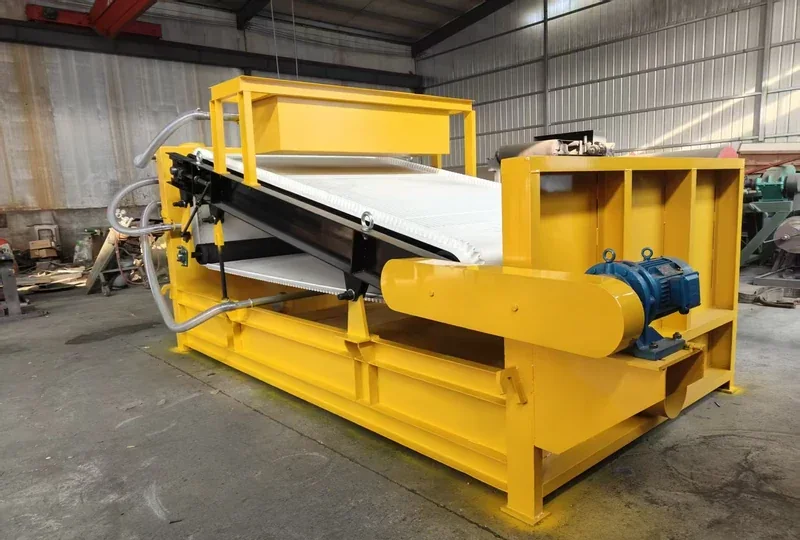
Finished wet high-intensity plate magnetic separator showing belt, frame, drive and feed area

Main Structure Confirmed in the Product Sheet

  • Plate magnetic system: creates the main high-intensity magnetic working area.
  • Belt-type transport: carries captured magnetic material toward the discharge area.
  • Feed system: spreads wet material across the working area.
  • Water system: supports flushing and removal of non-magnetic material.
  • Magnetic discharge: releases captured magnetic material at the discharge end.
  • Adjustment system: belt speed and plate angle can be changed for the material.

Where a Wet High-Intensity Plate Separator Fits Best

Use this separator when the feed is already wet, the target reacts to a strong magnetic field and the slurry can reach the magnetic plate evenly.

Typical candidate materials include: siderite, manganese-bearing ore, ilmenite and wolframite. Suitability should be confirmed through sample testing under the intended slurry and operating conditions.

Quartz and Silica Iron Removal

Choose the wet plate separator when your quartz or silica is already wet and weakly magnetic iron still remains. If magnetite is still the main magnetic impurity, use a wet drum first. If the iron is locked inside the quartz or silica particle, finer grinding or another separation step may be needed first.

Kaolin and Feldspar Purification

Choose the wet plate separator when the slurry is well prepared and the remaining iron reacts to the magnetic field. If you need a guaranteed Fe level, brightness or fired color, send us the real material for testing first. We will agree how samples are taken and how the result is checked.

Weakly Magnetic Mineral Recovery

Use high-intensity wet separation for hematite, limonite and similar weakly magnetic minerals. Choose the plate type when the slurry can spread evenly across the plate and the required material flow fits this machine style.

How Does a Wet High-Intensity Plate Magnetic Separator Work?

The slurry flows across a strong magnetic plate. Particles that react to the magnetic field are captured or carried away from the main slurry, while the remaining material continues to the other outlet.

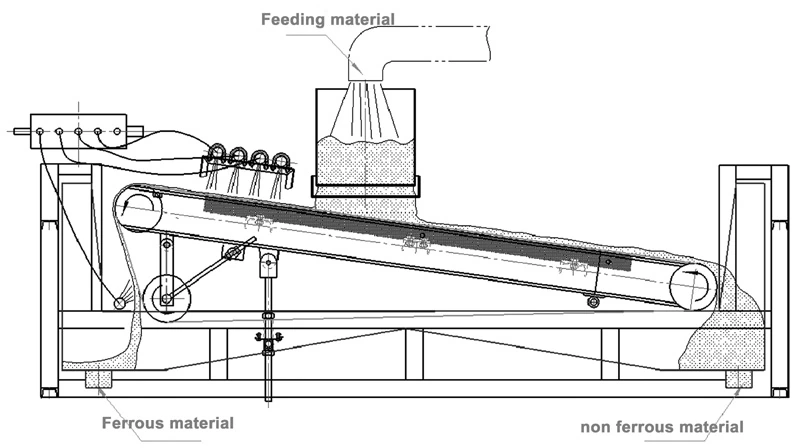
Working principle of a wet high-intensity plate magnetic separator showing feed, magnetic fraction and non-magnetic fraction

Working-principle drawing: wet feed enters above the inclined belt; magnetic material is carried toward its discharge side while the non-magnetic stream continues to the other outlet.

1

Prepare the Slurry

Keep the slurry stable. Classify, disperse or condition the feed when needed so it reaches the separator in a usable form.

2

Spread the Feed

Spread the slurry evenly across the magnetic plate. Uneven flow can overload one area and leave another area unused.

3

Capture Magnetic Particles

The magnetic area pulls on particles that react to the field. The field where the particles actually travel matters more than one headline Gauss number.

4

Give the Material Enough Contact Time

Flow, plate shape, angle and any moving part affect how long the material stays in the magnetic area.

5

Remove Captured Material

The cleaning system removes the captured magnetic material so buildup does not cover the active area.

6

Collect Both Streams

Magnetic and non-magnetic material leave through separate outlets. If the order includes a required product result, we compare samples taken from the same defined stream locations.

Main Parts of the Wet Plate Separator

The separator uses dedicated parts for feed distribution, magnetic contact, transport and cleaning.

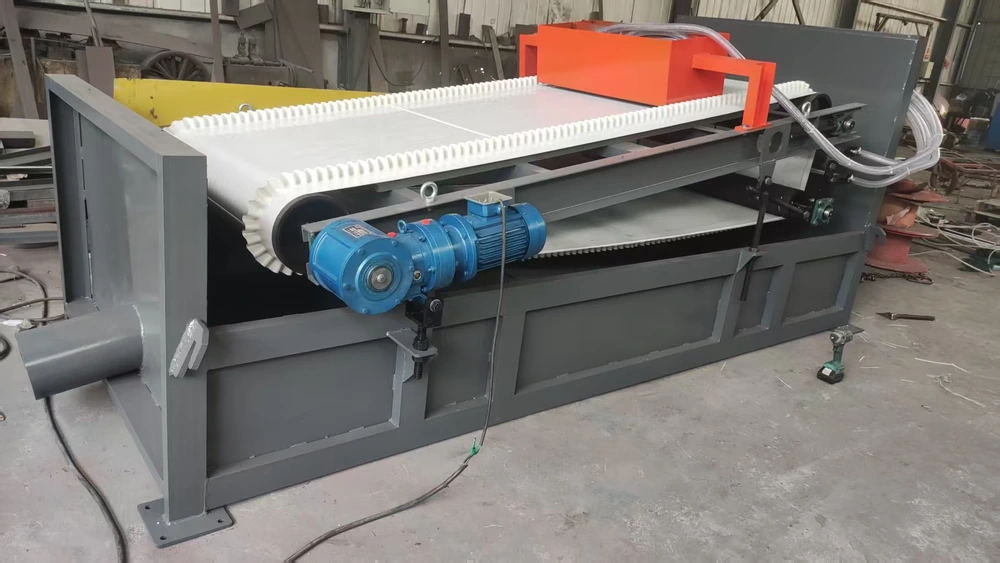
Belt and drive area of a wet high-intensity plate magnetic separator

Belt and Drive

The belt carries captured magnetic material away from the main magnetic area. Belt speed can be adjusted for different material conditions.

Inclined plate and belt working area of a wet high-intensity magnetic separator

Inclined Working Area

The plate slope can be adjusted. Changing the slope changes how the slurry travels across the magnetic working area, so we set it together with feed condition and belt speed.

Feed System

Spreads wet material across the working width so one area is not overloaded while another is underfed.

Water System

Supports washing and helps non-magnetic material move away from the magnetic working area.

Magnetic Discharge

Captured magnetic material is transported away from the main magnetic area and released at the discharge end.

9 Factors That Change Separation Performance

A higher magnetic number does not automatically give a better product. The result also depends on the material, particle size, slurry and the way the feed moves across the magnetic area.

FactorWhat It ChangesHow We Use It
1. What minerals are in the feed?Different minerals react differently to the same magnetic field.We first check what minerals are present and how much iron is in the feed. If you have lab analysis, XRF, XRD or previous magnetic test results, send them to us.
2. Is the iron free or locked inside the particle?Iron that is locked inside the main particle cannot behave like a separate magnetic particle.The iron must be separated from the main mineral before magnetic separation can work well. This is called mineral liberation. If it is still locked, finer grinding or another separation step may be needed first.
3. Particle sizeParticle size changes settling, movement through the magnetic area and product loss.If a very wide size range causes unstable flow, we may recommend classification before the separator.
4. How thick and stable is the slurry?Too much water means the machine must handle more liquid. Too much solid can make the slurry harder to spread evenly.Tell us how much solid is in the slurry. This is often given as solids concentration or a water-to-solids ratio. We size the feed system around the normal running condition.
5. Does the slurry spread evenly?Channeling overloads one area and wastes another part of the magnetic plate.We match the inlet and feed distributor to the working width and expected flow.
6. Magnetic strength where the material actually flowsThe useful magnetic force depends on the field where the particles pass.If a magnetic value is required, we also agree where and how the reading is taken. One surface Gauss number does not describe the whole separation result.
7. How long does the material stay in the magnetic area?Too little time can reduce capture. Too much time can reduce flow or increase unwanted carryover.We set the operating range from the machine shape, flow and material behavior.
8. How much magnetic material builds up?Buildup can cover the active area and carry non-magnetic product with it.We match the cleaning or wash method to the expected magnetic load and product-loss risk.
9. How is the result checked?A test result can change when the sample point, test time, lab analysis method or calculation changes.If the order includes a required separation result, we agree these test details before the test starts.

How We Configure the Separator for Your Material

We use the material, slurry behavior, required flow and product target to choose the working size and operating setup. A larger machine or a higher magnetic number is not automatically the better choice.

Your ConditionWhat We ChangeWhy It Matters
Higher required flowWorking width, working length and feed distribution.The slurry needs enough active area to spread evenly instead of overloading one part of the plate.
Fine weakly magnetic particlesFeed condition, belt speed and available magnetic contact time.Fine particles may need stable flow and enough time in the magnetic area to respond.
High magnetic loadingBelt transport and cleaning conditions.Captured material must leave the magnetic area before buildup blocks active surface or carries good product with it.
Slurry does not spread evenlyFeed distributor, inlet arrangement and flow condition.Channeling lets some material bypass the strongest working area.
Abrasive or difficult slurryWet-contact and wear protection.The right wear parts reduce leakage, unplanned maintenance and early component damage.
Limited installation spaceMachine layout, inlet/outlet positions, supports and access space.The separator must fit the existing line without blocking inspection, cleaning or maintenance.

How Belt Speed Changes Separation

Belt speed changes how long captured material stays in the magnetic area and how quickly it is carried away. We set it around the material, magnetic loading and required product result rather than using one speed for every slurry.

How Plate Angle Changes Slurry Flow

Plate angle changes how quickly slurry moves across the working area. If flow is too fast, contact time can fall. If material holds up or builds up, the flow and plate setting need to be corrected together.

Do not size the machine from one number alone. Working area, feed distribution, belt speed, plate angle, slurry condition and the required result all affect the final selection.

Models and Technical Data

This permanent-magnet plate series is listed with 15,000 G magnetic intensity. Capacity figures are model-selection references; project capacity and separation results are confirmed from material properties and the agreed test conditions.

Magnetic SystemPermanent NdFeB magnetic material
Listed Magnetic Intensity15,000 G
AdjustmentsBelt speed and plate slope
Process TypeWet belt-type plate separation
ModelWorking Zone (W × L)Listed Magnetic IntensityReference CapacityListed Power
PTBY-0815800 × 1500 mm15,000 G8–10 t/h1.1 kW
PTBY-10201000 × 2000 mm15,000 G10–15 t/h1.5 kW
PTBY-12201200 × 2000 mm15,000 G15–20 t/h2.2 kW
PTBY-15251500 × 2500 mm15,000 G20–35 t/h2.2 kW
PTBY-20302000 × 3000 mm15,000 G25–30 t/h3 kW
PTBY-25252500 × 2500 mm15,000 G35–40 t/h4 kW
PTBY-25302500 × 3000 mm15,000 G35–40 t/h4 kW

Selection basis: Confirm the final model and performance criteria from representative material, feed conditions and an agreed test method.

Gauss is not separation efficiency. The 15,000 G value is the magnetic intensity listed in the published technical specifications. A meaningful comparison also needs the same measurement position and method. Final purchase checks should state the reading point when a magnetic value is part of the order.
Electrical planning: the published model table lists a power value for each model, but the final technical quotation should state exactly what that power covers before it is used for plant electrical design.

How to Read the Capacity Data

The same separator can handle different mass flow on different materials. Use the listed t/h as a starting point, then check the real feed before selecting the model.

Particle Size

Coarse and fine particles move differently in slurry and do not contact the magnetic area in the same way.

How Much Solid Is in the Slurry?

A more concentrated slurry puts more solids into the working area and can change flow, loading and cleaning needs.

Material Density

Two slurries with the same volume flow can carry very different tonnes per hour when the solids have different density.

Magnetic Mineral Content

More magnetic material means more captured load, which changes transport and cleaning demand.

Feed Distribution

The quoted working area only helps when the slurry is spread across it. Poor distribution can overload one part of the plate.

Required Product Result

A target for Fe, grade, recovery or maximum product loss may require a different operating point from a simple magnetic-removal job.

For final sizing, send the real feed data. We use your particle size, slurry condition, material flow and required result to check which model should be quoted.

When This Separator Will Not Fix the Problem

A stronger magnet cannot correct the wrong feed condition or the wrong separation method. Fix these problems first.

Iron Is Locked Inside the Particle

Do not simply add a stronger magnetic separator. If the iron is still locked inside the main particle, the material may need finer grinding or another separation step first.

Magnetite Dominates

Use a wet drum first for the strongly magnetic fraction. Add a high-intensity wet step only if weaker magnetic material still needs to be separated.

The Feed Should Stay Dry

Use dry high-intensity separation when the material is free-flowing and there is no process reason to make slurry.

Slurry Settles or Channels

Fix agitation, feed stability or distribution first. Then size the separator around the real running condition.

Particles Stick Together

Scrub, disperse or classify the feed first when particles stick together and cannot reach the magnetic area properly.

The Unwanted Material Is Non-Magnetic

Use a separation method that responds to the real contaminant. A magnetic separator cannot capture a non-magnetic target just by increasing the field.

Installation, Cleaning and Maintenance

Plan the feed, drainage, cleaning access, power and service space before the machine is built. Good layout reduces installation changes and makes routine maintenance easier.

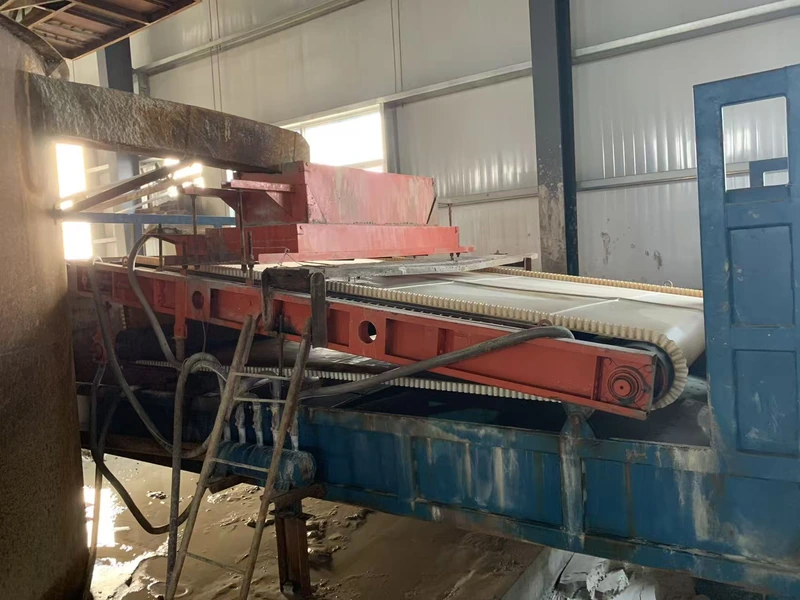
Wet high-intensity plate magnetic separator installed in a wet processing environment

Wet-process installation view showing the separator, piping and surrounding process equipment.

Feed and Drainage

Tell us whether the slurry comes by pump or gravity. We also need the inlet level, normal and peak flow, drainage and where both product streams go next.

Cleaning and Access

We confirm how captured material is removed, where wash water goes and how much space is needed to inspect and clean the magnetic area.

Wear and Slurry Chemistry

Tell us if the slurry is abrasive or has unusual pH, chloride or other chemistry that can affect wet-contact parts.

Drive and Controls

Tell us the available voltage and frequency. We also confirm the motor, control panel, safety interlocks and any control signals needed from your plant.

Magnetic Safety

Strong magnetic areas can pull in ferrous tools and parts. The installation needs suitable guarding, access control and safe maintenance procedures.

Isolation and Service

Plan safe isolation for power, moving parts, water and slurry. Leave safe access to the areas that need inspection or cleaning.

Maintenance and Spare Parts

The main maintenance risk is not the magnet itself; it is keeping the feed, belt, drive, water system and wear areas working consistently. Plan access and spare parts before the separator goes into service.

AreaWhat to CheckWhy It Matters
BeltTracking, surface wear, damage and material buildup.Poor tracking or belt damage can disturb transport through the magnetic area and cause unplanned downtime.
DriveNoise, vibration, lubrication condition and stable running.Drive problems can stop material transport even when the magnetic system is working normally.
Bearings and Rotating PartsNoise, temperature and free movement.Early inspection helps prevent sudden mechanical shutdown.
Water and Cleaning PointsBlocked nozzles, uneven flow, leaks and buildup.Cleaning problems can let captured material remain on the working area or contaminate the wrong stream.
Feed DistributorBlockage, buildup and uneven feed across the width.Uneven feed can reduce the useful magnetic area and make results unstable.
Wet-Contact and Wear AreasAbrasion, corrosion, liners and leak points.Wear depends on the slurry and should be checked before it causes leakage or structural damage.
Ask for a spare-parts list with the quotation. The useful list should match the selected model and identify the wear and service parts that apply to that machine rather than using a generic spare-parts package.

Before Quotation: What to Send

Start with four things: your material, the mineral you want to remove or recover, required material flow and whether the feed is wet or dry. We ask for more detail only when it changes machine sizing, testing or line connection.

Material and Target

Tell us the material name and what you want to remove or recover. If available, send lab analysis such as XRF or XRD and any mineral information.

Feed Condition

Send particle size, how much solid is in the slurry or the water-to-solids ratio, and any settling, viscosity or dispersion problem that changes normal flow.

Flow and Product Requirement

Send normal and peak material flow, the current product result and the result you need, such as Fe, Fe₂O₃, grade, recovery, brightness or maximum acceptable product loss.

What happens next: We compare the material with wet plate, wet drum, dry high-intensity and vertical-ring WHIMS options. If the wet plate separator fits, we move on to model sizing, line connection and any material test needed for the required result.

What the Technical Quotation Should Confirm

The quotation should make it clear what machine is being supplied, what the selection is based on and what is included. That prevents a price comparison from hiding important technical differences.

Selected Model

Model, working area, listed technical data and the feed information used for selection.

Included Equipment

Main machine, supplied drive, controls, accessories and other items that are actually part of the quoted supply.

Required Utilities

Power, water, drainage and control connections that the selected machine needs from the plant.

Checks and Options

Any magnetic reading, material test, spare parts, special inspection or other item that must be included in the order.

Do not approve the order from model name and price alone. Confirm the machine data, included items, line connections and required checks in the same technical quotation.

Before Production: Check the Machine Layout

Before production, we confirm how the separator will fit your line. The general arrangement drawing, or GA drawing, should show the main size, feed inlet, both product outlets, supports and the space needed to inspect, clean and repair the machine.

Machine Size and Supports

Overall dimensions, support points, lifting needs and the space needed around the machine.

Inlet, Outlets and Water

Feed inlet, magnetic-product outlet, non-magnetic outlet, drainage and water connections.

Plate, Belt and Cleaning

Working area, feed distributor, belt arrangement, cleaning method and the access needed to inspect them.

Power and Controls

Power supply, motors, control panel, safety interlocks and any signals exchanged with the plant control system.

Approve the layout before fabrication. A drawing check is the easiest time to catch an inlet height, outlet direction, support or maintenance-access problem.

Before Shipment: Confirm the Check List

Write the required checks into the order before production. Basic machine checks answer “was the correct machine built and does it run?” Additional checks answer questions about magnetic readings, material performance or special inspection.

Core Machine Checks

  • Correct model and machine identification.
  • Key dimensions and inlet/outlet positions against the approved drawing.
  • Supplied mechanical functions and running direction.
  • Supplied controls and safety functions that can be checked before shipment.
  • Accessories and documents included in the order.

Add These When the Order Requires Them

  • Magnetic reading at a stated measurement position and method.
  • Water or cleaning-system check.
  • Specific control signals or interface checks.
  • Customer witness or third-party inspection.
  • Material separation test tied to a defined feed and lab analysis method.
A magnetic reading is not a separation test. If the order depends on Fe reduction, grade, recovery, brightness or another product result, use the real material and a defined sampling and lab analysis method for that test.

What a Material Test Should Show

A useful test record should make the feed, test condition, sample points and lab result clear. That lets you compare the test with the material that will run in production.

Test ItemWhat Should Be RecordedWhy It Matters
Feed sampleMaterial name, sample ID, source and a photo of a sample that matches normal production material.Shows exactly which material produced the result.
Feed conditionParticle size, solids level, water condition and any preparation before the test.A different feed condition can change separation behavior.
TargetWhat must be removed or recovered and the required Fe, Fe₂O₃, grade, recovery, brightness or loss limit when applicable.Stops the test from becoming a general demonstration with no clear pass point.
Machine settingThe settings that can change the result, such as material flow, cleaning condition and other adjustable machine settings.Makes the result repeatable and explains why two test runs may differ.
Sample pointsFeed, magnetic stream and non-magnetic stream when those streams are needed for the calculation.Ensures the right streams are compared.
Lab methodUse the same lab analysis method for feed and product samples.Prevents a lab-method change from looking like a machine-performance change.
Before and after resultShow feed and product results side by side. Recovery work also needs the measured mass and grade data used in the calculation.Gives a direct, checkable comparison.
Test conclusionWhether the result met the target, what limited the result and what machine or process step we recommend next.Turns the test into a clear selection decision.
PhotosFeed, product and test machine when available.
Lab ResultsXRF, XRD, Fe, Fe₂O₃, grade or other defined analysis.
Run NotesFeed condition and the settings that changed during the test.
DecisionWhich separator or next process step we recommend and why.

How We Check the Required Separation Result

If the order includes a guaranteed Fe level, grade, recovery or another separation result, define the material and test method before the guarantee is written into the order. The result only means something when the feed condition, sample points and lab analysis stay clear.

Your RequirementWhat We CheckWhat Must Be Clear Before the Test
A. You only need the machine checkedCorrect model, key dimensions, mechanical and electrical functions, plus a magnetic reading if that is part of the order.The approved drawing, supplied functions, check list and the magnetic reading point if one is required.
B. You need a guaranteed Fe or Fe₂O₃ levelTest the feed and product samples against the required product limit.Material source, feed condition, sample points, test time, lab analysis method and required Fe result.
C. You need guaranteed recovery, grade or maximum product lossMeasure the feed, magnetic stream and non-magnetic stream so mass and lab results can be used in the calculation.How each outlet is counted, which measured weights are used, the lab analysis method and the calculation formula.
D. Your material source changes after the testTreat the old result as a reference until the new material is checked.A sample from the new source, its feed condition and the result required from that material.

From Material Data to Shipment

The process is simple: select the right separator, confirm the machine layout, define any required test, then check the finished machine against the order.

Send Material Data

Material, target mineral or impurity, required flow and wet-feed condition.

Choose the Separator Type

Wet plate, wet drum, dry high-intensity or vertical-ring WHIMS.

Decide on Material Testing

Test the real material when the order depends on a separation result.

Select the Model

Use feed data, working area and required result to size the machine.

Approve the GA Drawing

Confirm size, inlet, outlets, supports and maintenance access.

Manufacture the Equipment

Build the machine to the approved order and drawing.

Run the Confirmed Checks

Check the machine and any extra test items written into the order.

Pack and Ship

Confirm included accessories and documents before packing.

Wet High-Intensity Magnetic Separator FAQ

What is a wet high-intensity plate magnetic separator?

It is a wet magnetic separator for slurry. The slurry flows across a strong magnetic plate. Weakly magnetic particles are captured while the remaining material continues to the other outlet.

When should I choose a wet plate separator instead of a wet drum?

Choose a wet plate separator for weakly magnetic particles in slurry. Choose a wet drum first when magnetite or another strongly magnetic mineral is the main target.

Is a wet plate separator the same as a vertical-ring WHIMS?

No. Both can work with weakly magnetic material in slurry, but they move the material through the magnetic area in different ways. Choose the plate type when the slurry can spread well across the plate. Compare a vertical-ring WHIMS or HGMS when its ring and matrix design is a better fit for the material flow.

Can it reduce iron in quartz or silica sand?

Yes, when the quartz or silica is already wet and the remaining iron-bearing particles are free enough to react to the magnetic field. Use a wet drum first if magnetite is still the main magnetic impurity. A stronger magnetic field cannot solve iron that is still locked inside the quartz or silica particle.

Can it be used for kaolin or feldspar slurry?

Yes, when the slurry is well prepared and the iron-bearing impurity reacts to the magnetic field. If you need a guaranteed Fe level, brightness or fired color, send us the real material first. We will agree how samples are taken and how the result is checked.

Does higher Gauss guarantee better separation?

No. A higher Gauss reading does not automatically mean better separation. Gauss tells you the magnetic flux density at one reading point. The real result also depends on particle size, mineral type, whether the iron is free from the main particle, slurry condition, feed distribution, contact time and cleaning.

What if the iron is locked inside the mineral particle?

Do not simply add a stronger magnetic separator. If the iron is locked inside the main particle, the material may need finer grinding or another separation step first.

What information should I send for selection and quotation?

Start with four items: material, target mineral or impurity, required flow and slurry condition. If available, also send particle size, solids level, XRF or XRD results, current product analysis, line drawing and a sample that matches normal production material.

Can separation performance be guaranteed?

A guaranteed result must be tied to a defined material and test method. If the order includes Fe reduction, grade, recovery, product loss or another result, define the feed condition, sample points, test time, lab analysis method and calculation method before the guarantee is written into the order.

What can be checked before shipment?

Before shipment, check the machine against the approved drawing and order details. This can include key dimensions, inlet and outlet positions, supplied machine functions, magnetic reading points, accessories and shipping documents. A separation result needs a separate material test.

Send Material Data for Quotation

Send us your material, target mineral or impurity, required flow and whether the feed is wet or dry. We will tell you which separator to start with, whether material testing is needed and what information we need next for the drawing and quotation.

Send First

  • Material or mineral name
  • Target impurity or magnetic mineral
  • Normal and peak material flow
  • Wet feed or slurry condition

Add If Available

  • Particle size
  • Solids level or water-to-solids ratio
  • XRF, XRD or other mineral analysis
  • Current and required product analysis
  • Sample that matches normal production material or previous test results

For Line Connection

  • Flowsheet, PFD or line drawing
  • Inlet and outlet positions
  • Available floor space and height
  • Water, power and signals exchanged with your plant control system
  • Required machine checks or separation test method

What Happens Next?

We recommend the separator type, tell you what information is still missing, confirm whether material testing is needed and prepare the machine layout for the technical quotation.

Get An Instant Quotation Now