Find equipment by installation point and separation task.
All magnetic separators →Start with the material or production line you need to protect.
All applications →Compare technologies, check parameters and prepare your RFQ.
All guides →See the factory, quality checks and answers before you request a quotation.
For coal conveyors, the right magnetic separator depends on your belt width, coal load depth, belt speed, tramp iron condition and installation space. Equipment selection should be based on your actual conveyor system, not only magnet strength.
Corvelan helps coal plants select suspended magnets, self-cleaning overband magnets, magnetic head pulleys and magnetic drums based on where metal contamination occurs and what equipment needs protection. If the target is pyrite rather than tramp steel, representative coal testing is recommended before equipment selection.
Request Coal Conveyor Evaluation
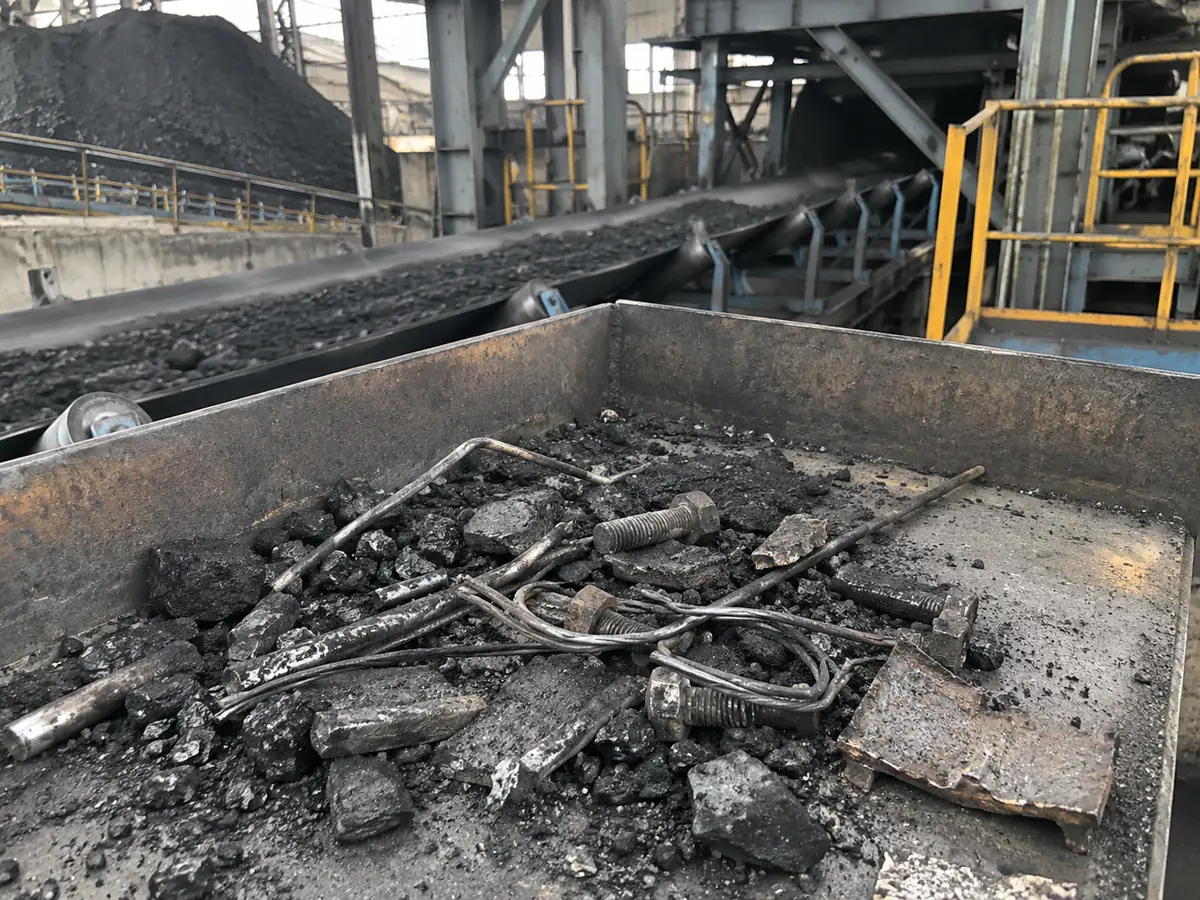
Bolts, wire, rods, broken wear parts, tools and other strongly ferromagnetic debris can enter the coal stream and threaten crushers, screens, feeders and downstream machinery.
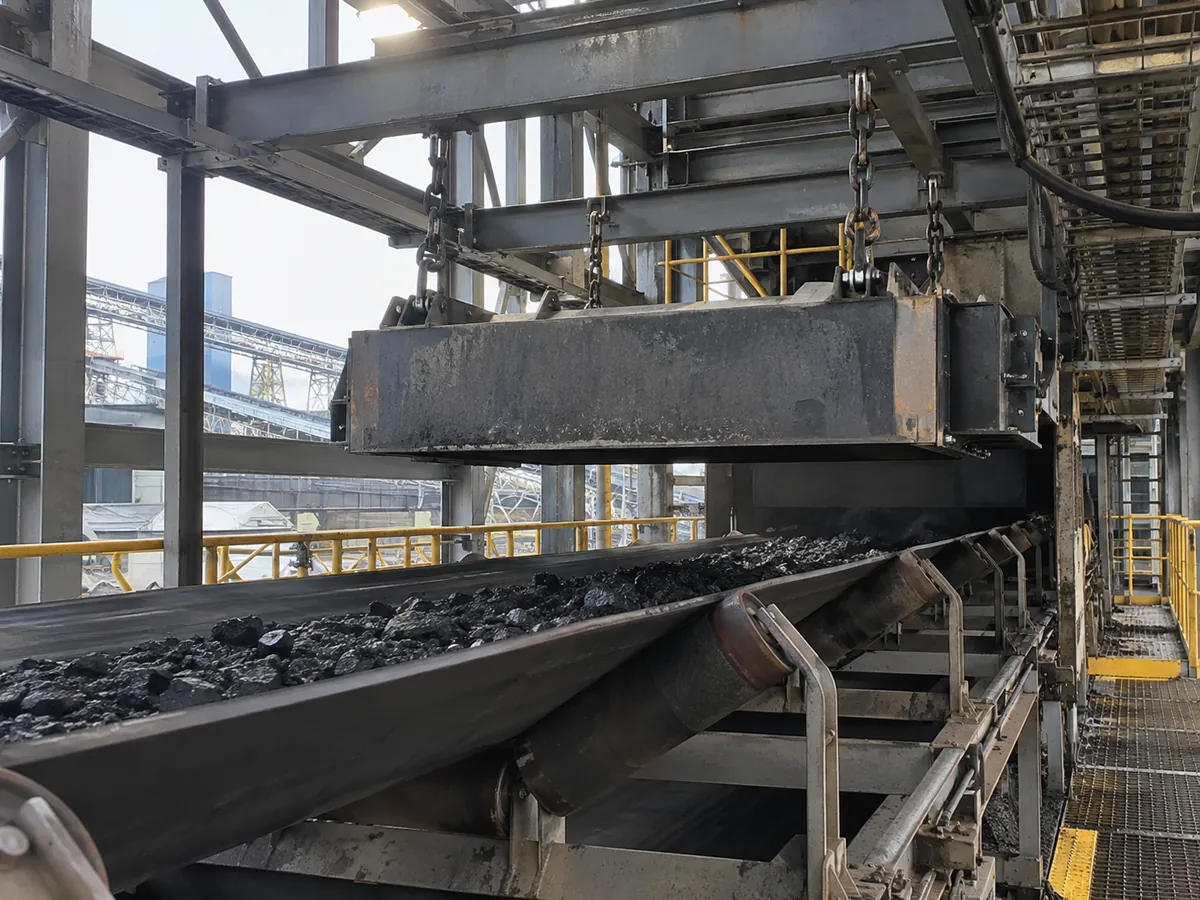
Recommended solution: suspended magnet or self-cleaning overband magnet.
If the separation point is at the conveyor head or in a controlled chute, the material path can favor a magnetic head pulley or magnetic drum rather than an overhead magnet.
Recommended solution: head pulley or drum, depending on the feed path.
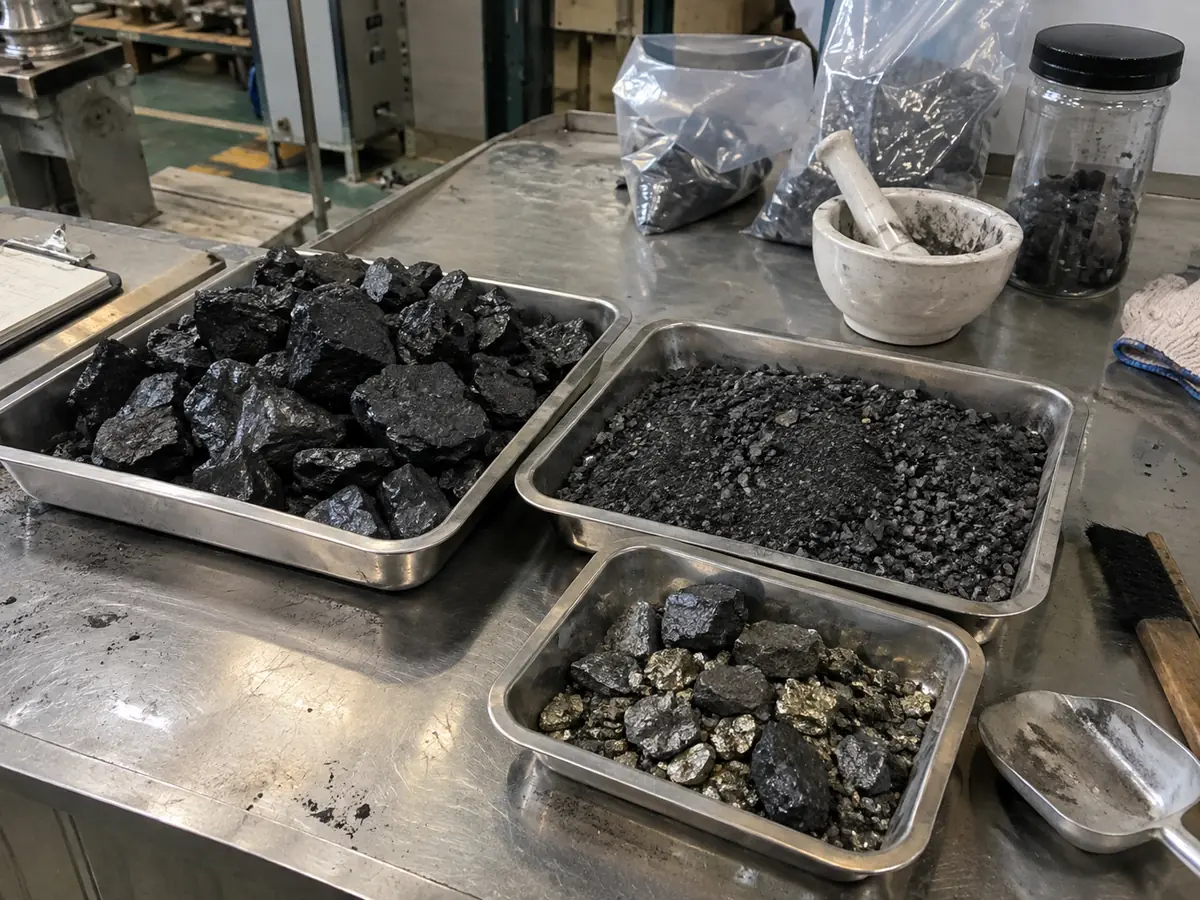
Pyrite may be only weakly magnetic and may remain locked with coal. Liberation, particle size and magnetic response must be checked on representative material before a separator is selected.
Recommended solution: material test first.

In these cases, changing the separation point, preparing the feed, using a different separation technology, or running representative material tests can be more useful than simply specifying a stronger magnet.
| Application condition | Recommended equipment | Suitable when | Consider another option when | Information needed |
|---|---|---|---|---|
| Tramp iron above a coal conveyor | Suspended magnet | Iron loading is intermittent and planned manual cleaning is practical. | Frequent captured-metal loading makes repeated cleaning stops unacceptable. | Belt width, belt speed, coal layer depth, tramp iron, available suspension height. |
| Frequent conveyor tramp iron | Self-cleaning overband magnet | Continuous or frequent automatic reject discharge is required. | There is no safe side-discharge path or maintenance envelope. | Belt data, burden, tramp iron, discharge side, headroom and service clearance. |
| Separation at conveyor discharge | Magnetic head pulley | The belt head is a practical separation point and material trajectories can be split. | Existing pulley, shaft, bearing or chute interfaces make retrofit unsuitable. | Pulley dimensions, shaft/bearing interface, belt speed, burden, splitter space. |
| Controlled dry chute or feeder | Magnetic drum | Coal can be presented as a reasonably distributed dry bulk stream to a defined magnetic zone. | Material is too sticky, feed is unstable or separate discharge paths cannot be arranged. | Feed width, particle size, moisture, flow direction, layer depth and outlet geometry. |
| Pyrite or weakly magnetic mineral target | Testing-driven high-intensity / high-gradient route | The mineral is sufficiently liberated and representative testing shows a useful magnetic response. | Pyrite is locked, organic sulfur is the main issue or test criteria are undefined. | Representative sample, particle size, mineralogy if available, target evaluation standard. |

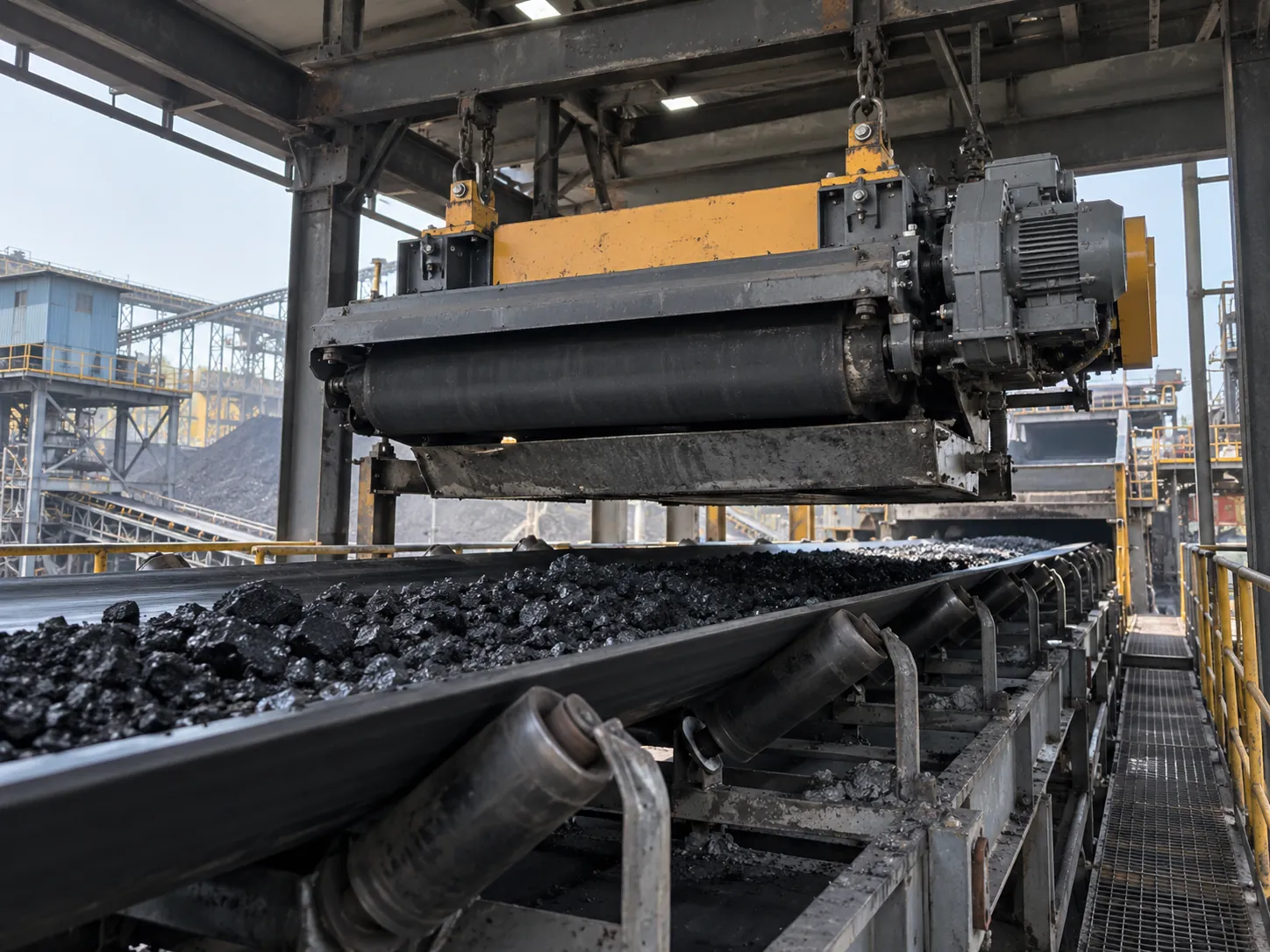
The separator should normally protect the equipment whose damage carries the highest consequence, while still giving the magnet a workable distance to the target and a safe iron discharge path.
Typical logic: place a suspended or overband magnet before the crusher when tramp iron threatens the crusher; use the conveyor head when a head-pulley separation zone fits the line; use a magnetic drum where a chute or feeder can present coal consistently.

Installed across the conveyor. Useful where captured iron can be discharged to the side.
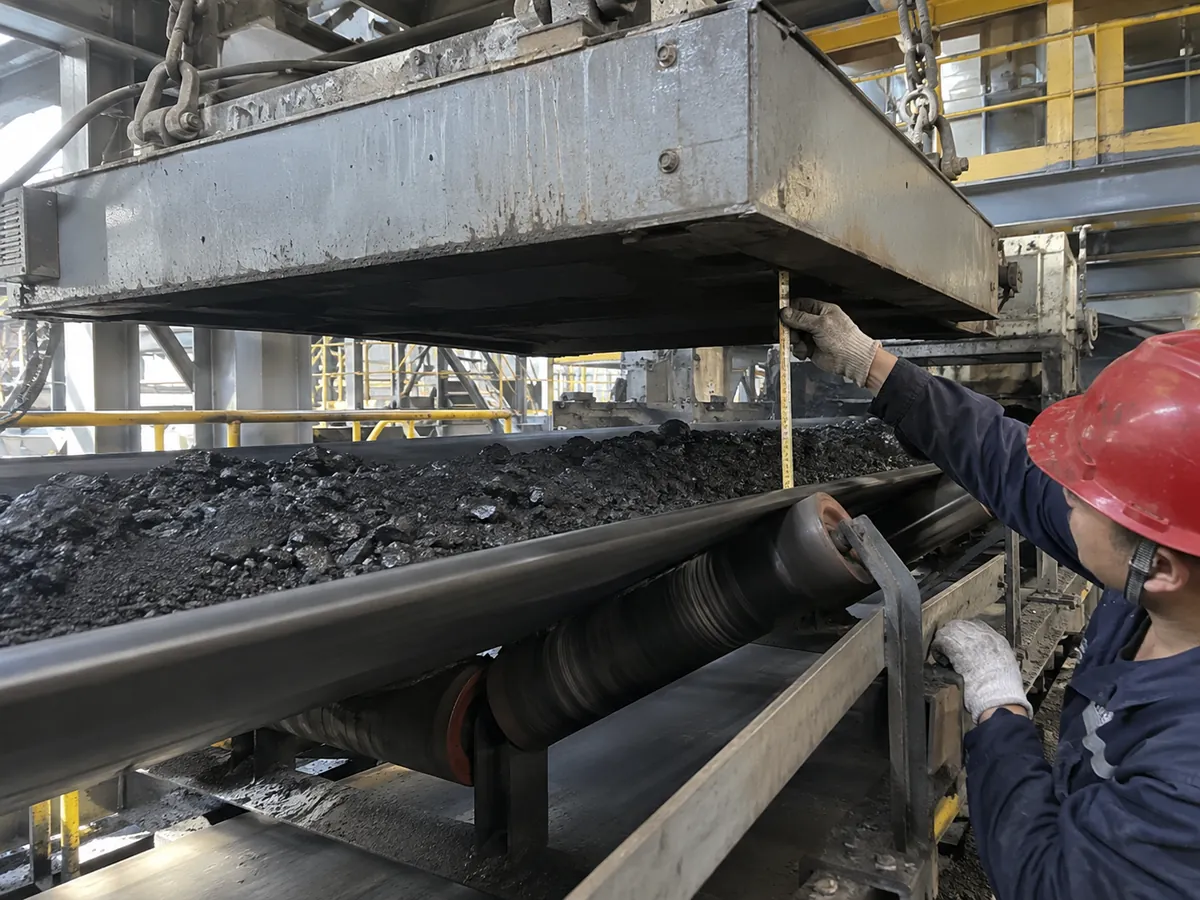
Check: real coal layer depth, suspension height and side reject clearance.
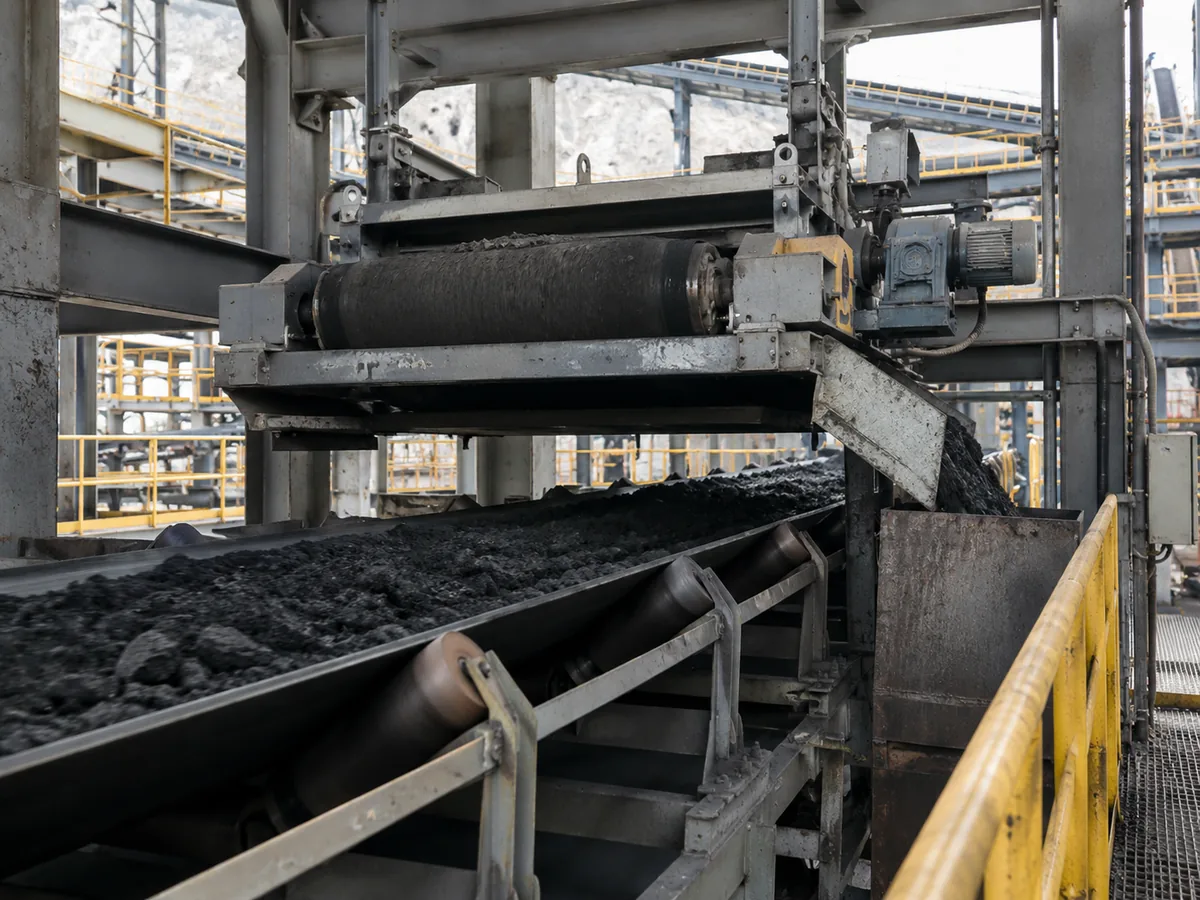
Installed along the belt direction, often near the head-end region where the burden may begin to open.
Check: head-end geometry, target trajectory and discharge route.
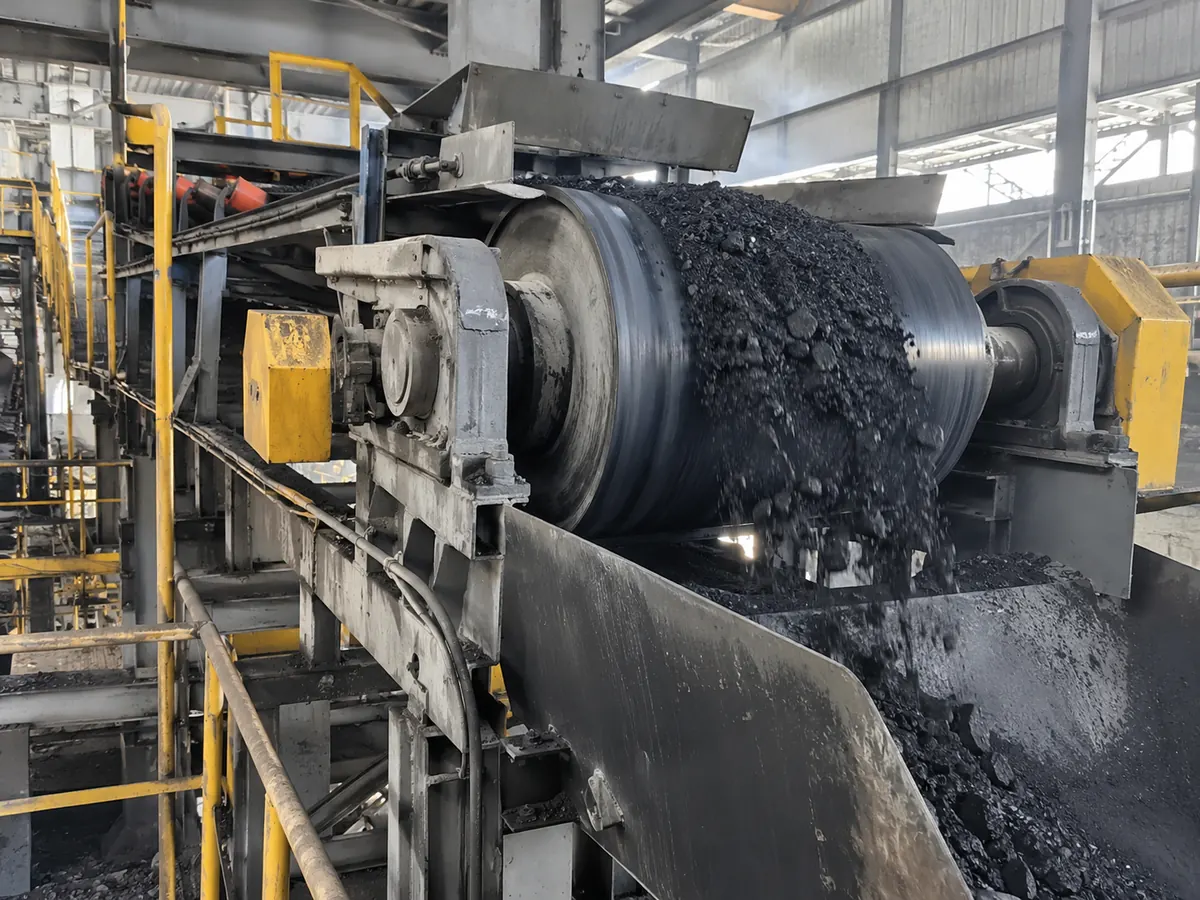
The magnetic separation zone is built into the conveyor discharge point rather than suspended above the burden.
Check: pulley, belt, shaft, bearing, splitter and discharge interfaces as one system.
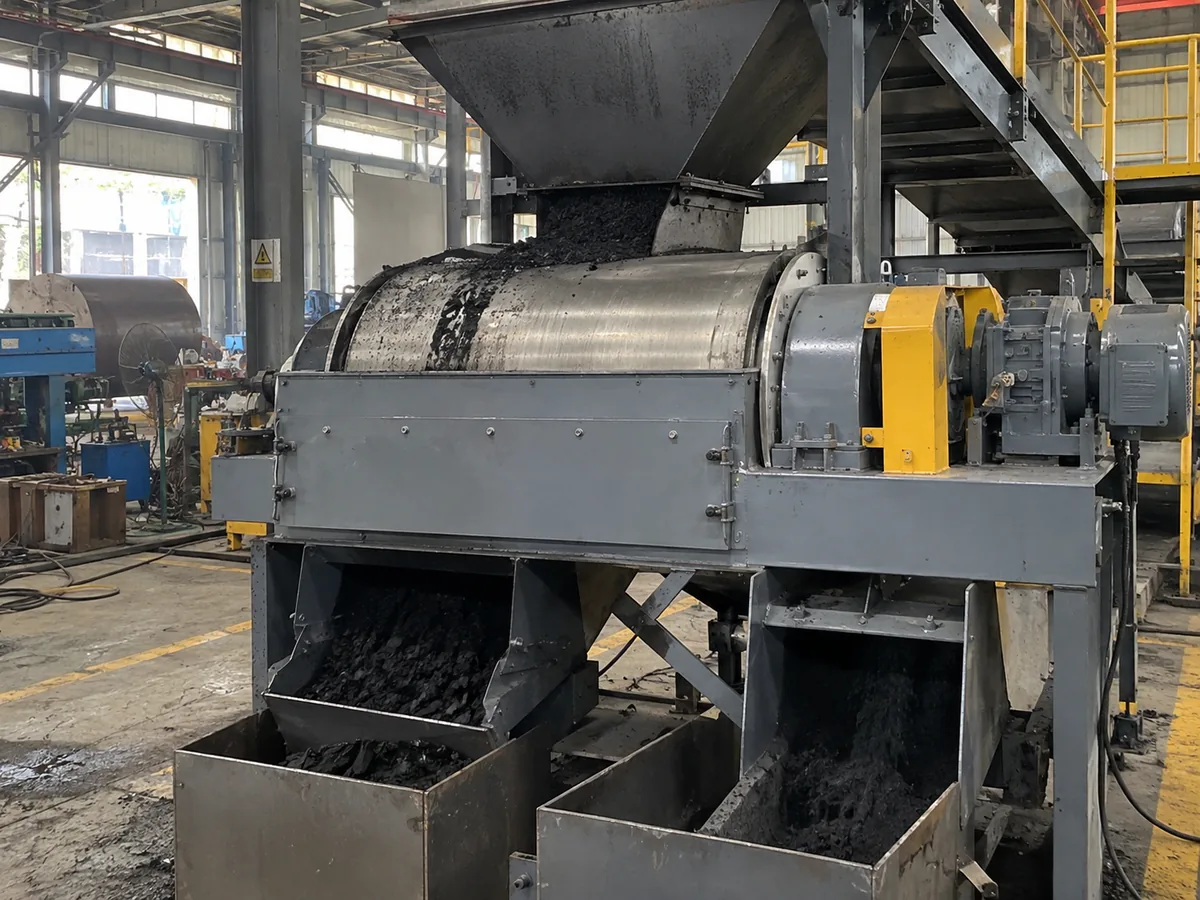
Coal is deliberately fed into a controlled magnetic separation zone with separate product and iron discharge paths.
Check: feed presentation, magnetic arc, splitter and outlet geometry.

| Factor | Why it matters to the buyer |
|---|---|
| Coal layer depth | Determines how deeply the tramp iron may be buried below the top of the coal bed. |
| Working distance | The useful question is magnetic performance at the actual target position, not only at the separator surface. |
| Belt speed | Changes the time available for the magnetic force to alter the contaminant trajectory. |
| Tramp iron size and shape | Wire, plates, bolts and compact fragments do not present the same magnetic or mechanical capture problem. |
| Coal particle size | Changes burial, flow, shielding and how contaminants are presented to the separator. |
| Moisture and flowability | Sticky coal can carry back, bridge or present inconsistently to the separation zone. |
| Iron loading | Helps determine whether manual cleaning is practical or continuous self-cleaning is more appropriate. |

For a coal conveyor, the relevant working distance runs from the magnet’s reference face to the hardest-to-capture tramp-iron position. Include the belt, wear layer, air gap and coal burden in that distance; a surface Gauss reading alone cannot confirm capture on the moving stream. Compare options at the same target position and operating conditions. See the Magnetic Separator Working Distance guide for a full distance checklist.

Potentially, but pyrite removal should be treated as a representative-material testing problem, not a standard tramp-iron duty.
| Check | Why it matters |
|---|---|
| Liberation | Pyrite that remains locked in coal may report with the coal regardless of magnetic field strength. |
| Particle size | Grinding and size distribution influence liberation, handling and magnetic response. |
| Magnetic response | The response of the actual coal sample should be tested rather than inferred from a generic equipment specification. |
| Evaluation standard | Sulfur analysis, clean/reject sampling and mass yield should be defined before judging a test result. |
Magnetic separation does not remove organic sulfur. Any sulfur-reduction claim must be tied to the tested coal, feed preparation and agreed analytical method.

Clarify whether the target is tramp steel, a finer ferrous fraction, pyrite or another magnetic mineral.
Check particle size, moisture, throughput, normal and maximum burden, and how consistently the material is presented.
Decide whether the best separation zone is above the conveyor, at the head pulley, or in a controlled chute/feed stream.
Account for the physical gap from the magnetic source to the most difficult target position.
Use testing when the target is weakly magnetic, liberation is uncertain, or the acceptance result depends on feed condition.
Agree what constitutes acceptable separation under defined operating conditions before turning a test result into an equipment requirement.

For ferrous tramp above a coal conveyor, a suspended magnet or self-cleaning overband magnet is usually the first option to consider. The final choice depends on coal layer depth, belt speed, tramp iron, working distance, cleaning requirement and available iron discharge space.
Use a self-cleaning option when captured-metal loading or production continuity makes repeated manual cleaning impractical and there is enough space to discharge the captured iron safely.
Neither is universally better. Inline installation can benefit from head-end material geometry, while crossbelt installation offers side discharge and flexible placement. The decision depends on coal layer depth, headroom, conveyor geometry and reject clearance.
Coal layer depth changes the distance between the magnetic source and iron buried inside the coal bed. A deeper burden can make the most difficult target much farther from the magnet than a surface measurement suggests.
No. Gauss must be tied to a measurement position. Working distance, field gradient, target size and shape, belt speed and feed presentation all influence whether the contaminant is actually captured and removed.
Potentially, but it should be treated as a test-driven mineral separation problem. Liberation, particle size, mineralogy, magnetic response and analytical acceptance criteria must be evaluated on representative coal. Magnetic separation does not remove organic sulfur.
Send coal type, particle size, throughput, moisture, target contaminant, conveyor or chute width, belt speed, coal layer depth, installation photos or drawings, and the required separation result. Representative samples are recommended when the target is pyrite or another weakly magnetic mineral.
The first equipment family to evaluate based on the installation point and target contaminant.
The missing conveyor, chute, clearance or discharge details that must be resolved before configuration.
Whether representative material testing is needed before a reliable equipment recommendation can be made.
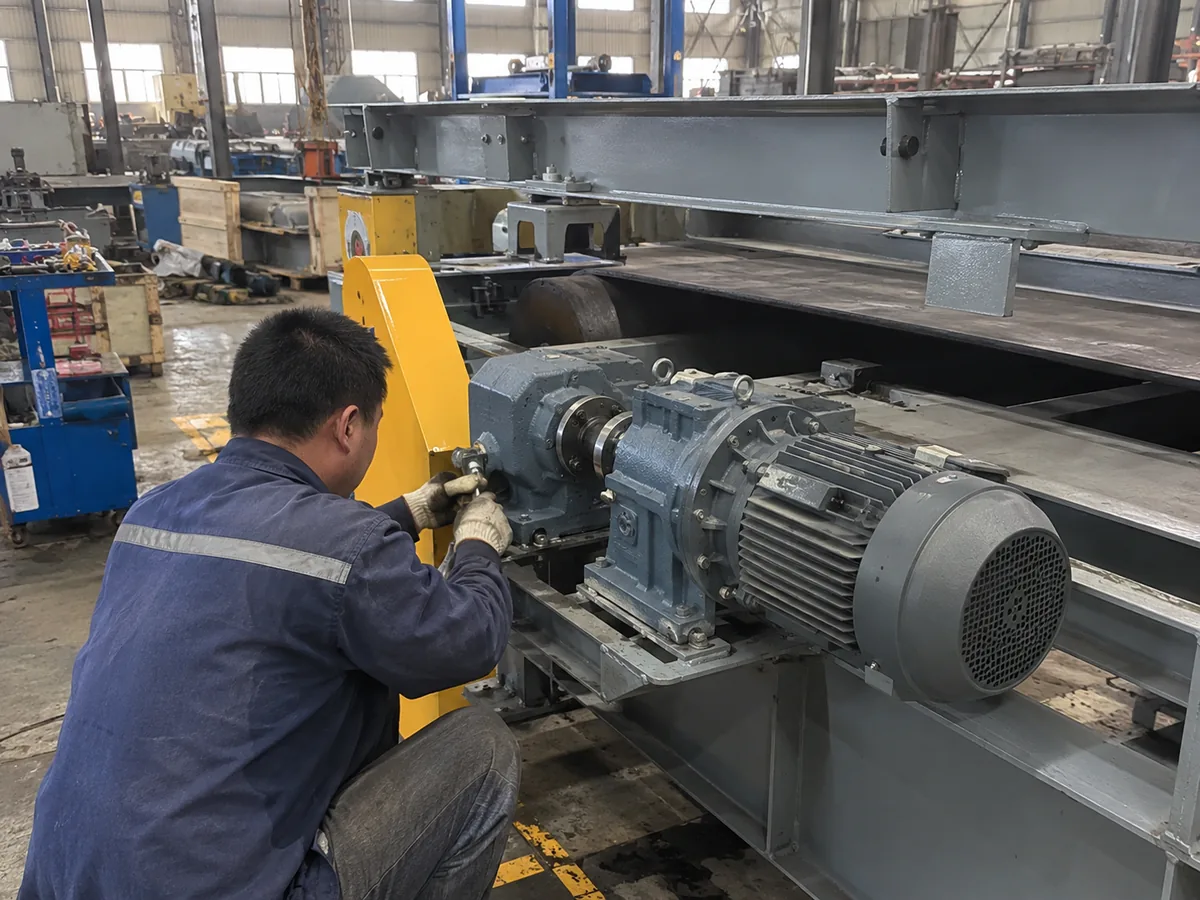
The operating conditions and interfaces that should be confirmed before the equipment scope is finalized.
Send the conveyor or chute layout, burden condition and target contaminant. Corvelan will review the separation position, working distance, cleaning requirement and equipment interface before the quotation scope is finalized.
Send Coal & Conveyor Data