Conveyor Tramp-Iron Removal

Air-Cooled Self-Unloading Suspended Electromagnetic Separator

Corvelan air-cooled self-unloading suspended electromagnetic separators remove unwanted iron and steel (tramp iron) from material moving on a conveyor. A moving cleaning belt carries the captured metal away automatically. We select the separator around your real conveyor conditions, not around one catalog Gauss value.

Best ForContinuous tramp-iron removal from conveyor-fed bulk material.
TargetIron and steel pieces the magnet can attract and remove from the material stream.
InstallationCross-belt or inline above a conveyor or transfer point after layout review.
Selection Depends OnBelt width, working distance, material depth, belt speed, target iron, run time, airflow and discharge space.
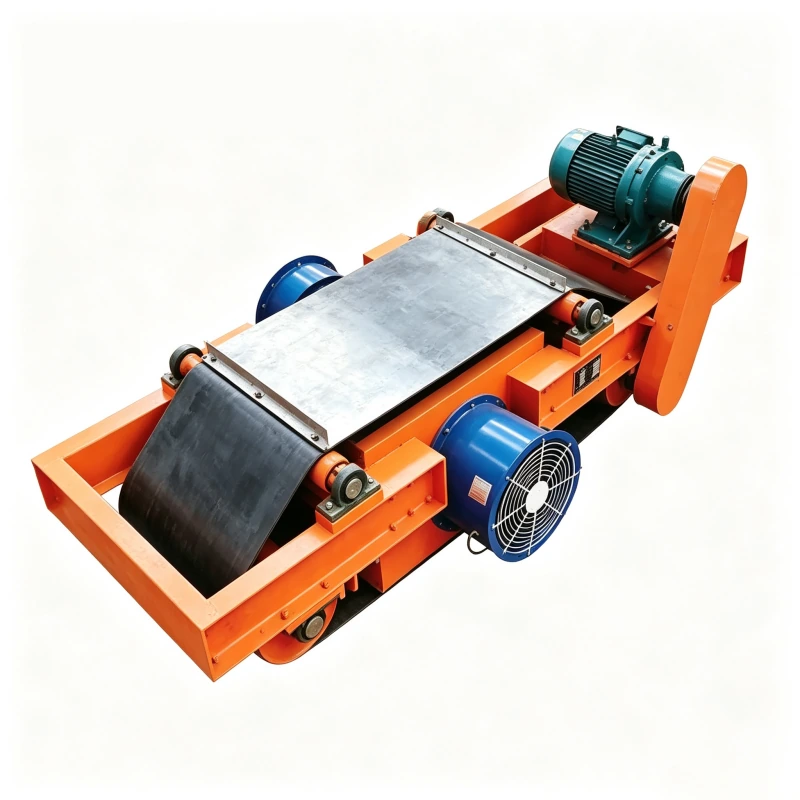
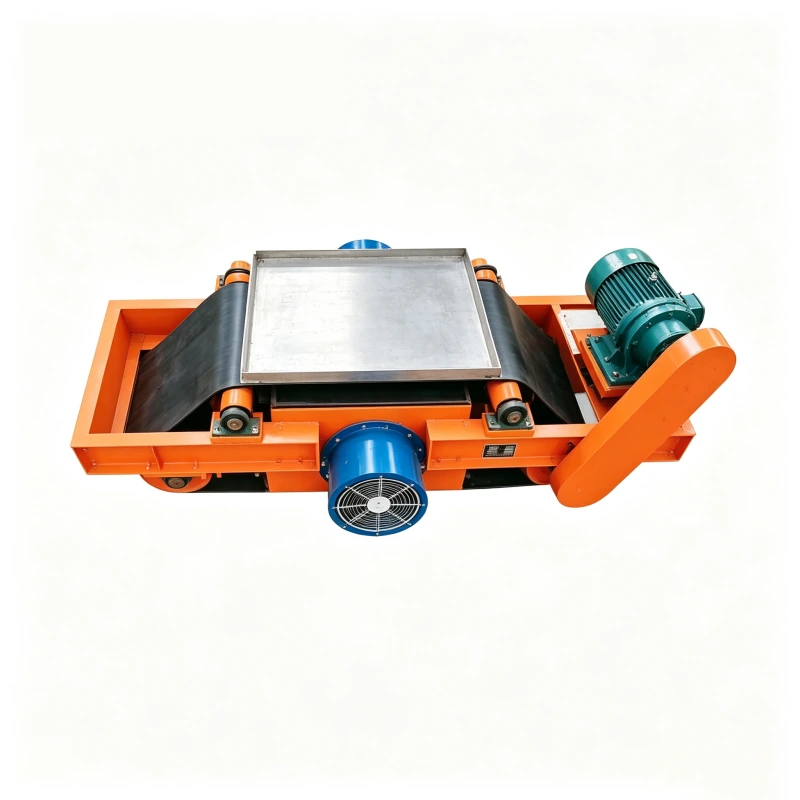
Air-cooled self-unloading suspended electromagnetic separator with cooling fan and automatic cleaning belt
Electromagnet bodySelf-unloading beltBelt driveAir-cooling fan

Quick Fit

When to Choose an Air-Cooled Self-Unloading Suspended Electromagnet

Choose this route when you need continuous tramp-iron removal above a conveyor, automatic discharge and air cooling. The separator uses an electromagnet powered by electricity. We check how far the magnet must reach and how the cleaning belt will discharge the iron. We also check airflow and how the separator fits your conveyor.

Continuous Tramp Discharge

A moving cleaning belt carries captured iron away from the magnet. This allows continuous discharge instead of stopping to clean the magnet by hand.

Electromagnetic Field

The coil uses electrical power to create the magnetic field. Corvelan matches the magnet, power supply, controls and mechanical layout to the project.

Air-Cooled Design

Air moves heat away from the electromagnet instead of using an oil-cooling circuit. Cooling performance depends on site temperature, airflow, dust conditions and operating time.

Three functions work together: the electromagnet creates the field, the self-unloading belt removes captured iron, and the air-cooling system manages coil heat. Corvelan matches all three to the same conveyor conditions and installation.

Where It Fits

What Materials and Tramp Iron Can This Separator Handle?

We Recommend This Separator When

  • Dry or reasonably free-flowing bulk material moving on a belt.
  • Iron and carbon-steel pieces the magnet can attract.
  • Regular tramp-iron loading where automatic discharge reduces cleaning stops.
  • Enough space above and beside the conveyor for suspension, service and iron discharge.
  • Site power and controls are available for the electromagnet and cleaning-belt drive.

We May Recommend Another Option When

  • Aluminum, copper or other non-ferrous metals are the main target. These metals need a different separation method.
  • Weakly magnetic minerals are the main target; these often need higher-intensity equipment and material testing.
  • The material is sticky, packed or deep enough to hold the target iron inside the material bed.
  • Cooling air cannot move freely because of the enclosure, site temperature, dust or safety requirements.
  • The site requires a specific hazardous-area, IP, temperature or compliance rating that has not yet been defined.

Typical Conveyor Duties

Where We Use This Separator

We use this equipment where tramp iron must be removed automatically from bulk material on a conveyor. The suitable separator depends on the material, material depth, target iron and installation conditions.

Mining & Ore Handling

Tramp-iron removal at conveyor points where iron and steel pieces must be taken out before downstream handling or processing equipment.

Coal & Bulk Minerals

Continuous removal of iron and steel pieces from belt-conveyed material when automatic discharge is preferred.

Aggregate & Quarrying

Tramp-iron removal where recurring iron or steel pieces can enter the material stream.

Recycling & Waste Handling

Iron and steel removal where a self-cleaning overband helps carry captured metal away from the product stream.

Working Principle

How Does the Air-Cooled Self-Unloading Suspended Electromagnetic Separator Work?

The coil uses electrical power to create a magnetic field above the conveyor. Iron and steel pieces are pulled out of the material. The self-unloading belt carries them away from the magnet and drops them at the planned discharge point. Air cooling removes heat from the electromagnet during operation.

1

Material passes below

The conveyor moves the material under the magnet. Belt speed and material depth affect how easily the separator can capture tramp iron from the material flow.

2

The coil is energized

The electromagnet creates the working field. A rectifier converts incoming power for the magnet. The rectifier, controls and electrical protection are selected according to the equipment configuration.

3

Tramp iron is lifted

The magnet must still attract the iron at its real position inside the material. Distance, material depth and conveyor movement all matter. Engineers also look at field strength and field gradient. This is why a surface Gauss number alone cannot show whether the target iron will be captured.

4

The cleaning belt discharges iron

The moving belt carries captured iron away from the magnet. The iron then drops into the planned collection area.

Visible product structure: the self-unloading belt, drive, pulley arrangement and cooling fan are part of the equipment configuration shown here. Corvelan confirms the final belt direction, discharge side, cooling layout and service access for the project.
  • Electromagnet body
  • Self-unloading cleaning belt
  • Belt drive and pulley system
  • Air-cooling fan
  • Suspension / support structure
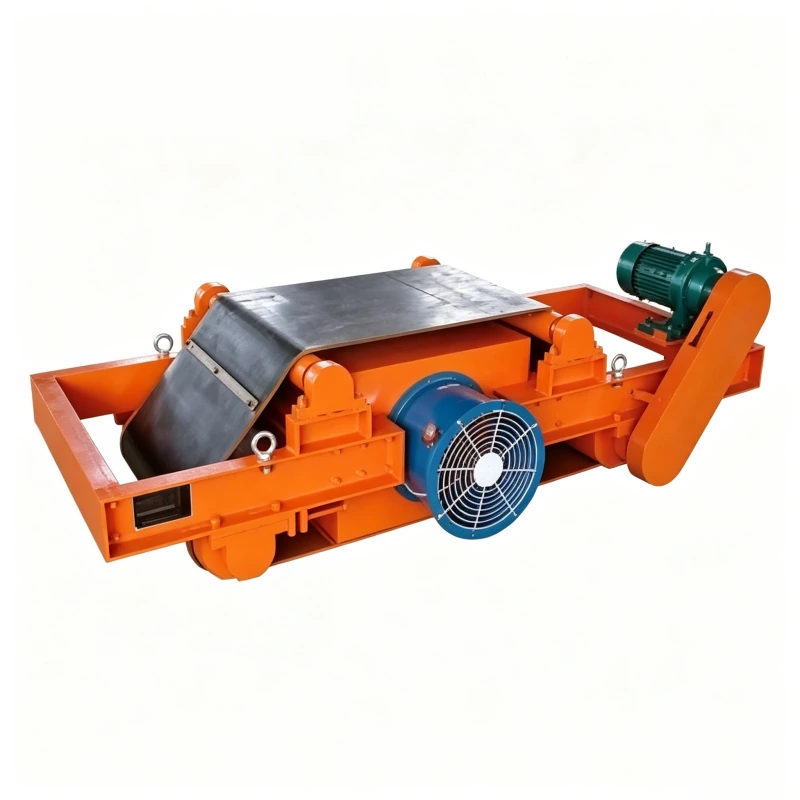
Self-unloading suspended electromagnetic separator showing cleaning belt, drive and air-cooling fan
Self-unloading beltDrivePulley / guardAir-cooling fan

Air-Cooled Design

Why Use an Air-Cooled Electromagnetic Separator?

The air-cooled design moves heat away from the electromagnet with air instead of an oil-cooling circuit. We check site temperature, airflow, dust, enclosure space and how long the separator will run before confirming the cooling setup.

Airflow Access

The cooling-air path must stay open. We check nearby panels, dust buildup and anything else that could block airflow.

Run Time & Site Conditions

How long and how often the separator runs, along with site temperature and dust, affects cooling. We confirm the cooling setup in the equipment configuration.

Air-cooled suspended electromagnetic separator with visible side cooling fan
Cooling fanCooling-air accessSeparator body

Sizing Logic

Why Throughput Alone Cannot Size a Suspended Electromagnet

Two conveyors moving the same tonnes per hour can need different separators. Throughput does not show how deep the material is or how far the target iron sits from the magnet. It also does not show how quickly the target moves through the magnetic zone.

Same Throughput, Different Material Depth

A wide conveyor with a shallow material bed can place the target iron closer to the magnet. A narrower or more heavily loaded conveyor can create a deeper bed and a longer working distance.

Same Throughput, Different Target Iron

A large exposed steel piece is not the same capture problem as a smaller piece buried deeper in the material. Size, shape, position and frequency change the selection.

Belt Speed Changes Exposure Time

A faster belt gives the magnetic field less time to pull the target away from the material stream. Belt speed therefore matters even when tonnes per hour stay the same.

Working Distance Brings the Inputs Together

We use belt width, material depth, clearance and target position to understand the real working distance. That distance is more useful for selection than throughput by itself.

Send throughput, but do not stop there. Belt width, belt speed, normal and maximum material depth, target-iron details and a conveyor drawing let Corvelan narrow the separator more reliably.

Selection Factors

What Affects Magnet Size and Capture Performance?

Corvelan starts with the hardest iron target at the real working distance, not with surface Gauss alone. We then check material depth, conveyor speed, cleaning, cooling, power and site layout together.

Real Working Distance

The farther the target iron is from the magnet, the harder it is to capture. Working distance includes the air gap, mechanical clearance and the target position inside the material.

Burden Depth

Burden depth means how deep the material is on the belt. A deeper or uneven burden puts some iron farther from the magnet and can hold pieces inside the material.

Main Conveyor Speed

Higher belt speed gives the magnet less time to pull a target from the material. Speed can also change how material moves near a transfer point.

Target Iron

Size, shape, weight, position and frequency all matter. A long bar, bolt, plate fragment and thin wire do not behave the same way in a magnetic field.

Cooling & Run Time

Site temperature, airflow and how long the separator runs all affect cooling. Cooling openings must also stay clear during operation.

Discharge System

Cleaning-belt width, tracking, drive access, scraper setup, the largest captured piece and discharge space all affect reliable self-unloading.

Do not select by Gauss alone. A magnetic reading is meaningful only when the measurement position and condition are defined. Gauss is not the same as pull force, working-distance capture or separation efficiency.

Installation Orientation

Cross-Belt or Inline: Which Installation Should We Configure?

Cross-belt and inline layouts move captured iron in different directions. The right choice depends on the conveyor, discharge route, available space and support structure. Send us the conveyor drawing and available clearance; we will recommend the layout before the final design is released.

What to Check
Cross-Belt
Inline
Orientation
The cleaning belt runs across the direction of the main conveyor.
The separator is arranged parallel to the main conveyor.
Main layout question
Is there side clearance for tramp discharge, drive access and collection?
Is there enough space near the head pulley or transfer point for support, service and iron discharge?
What Corvelan checks
Belt width, material depth, side clearance, discharge side and support structure.
Transfer-point layout, working distance, headroom, support and discharge route.

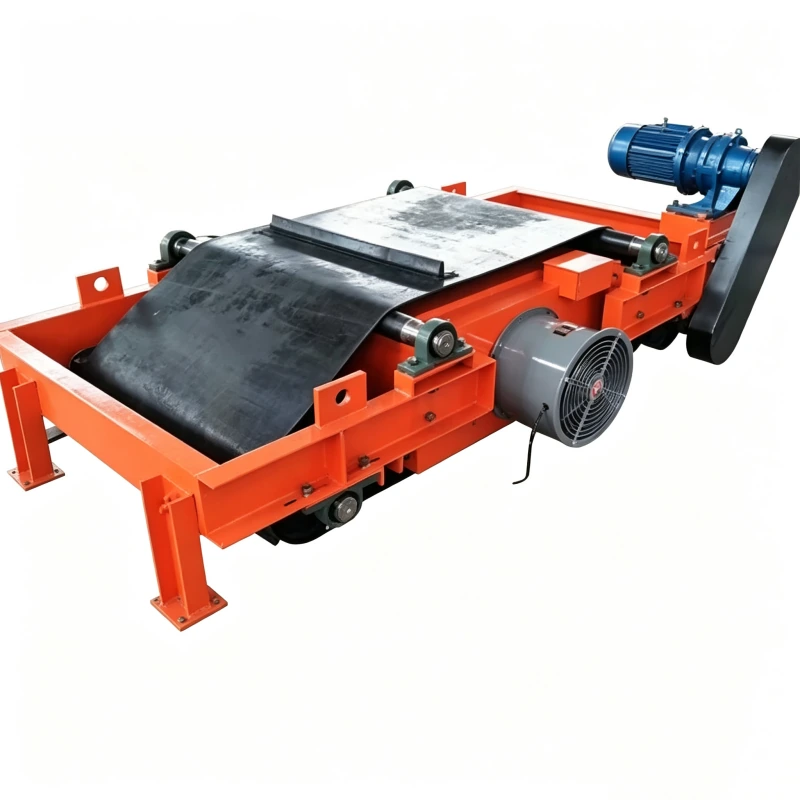
Configuration view: this product image shows the frame, self-unloading belt, drive and cooling-fan position. We ask for the conveyor layout so these parts can fit the available space and discharge route.

Top configuration view of air-cooled self-unloading suspended electromagnetic separator
FrameCleaning-belt pathDrive positionCooling-fan position

Configuration

Key Configuration Factors for Your Separator

Configuration
What Corvelan Checks
What This Helps Define
Cross-belt or in-line
Conveyor direction, head-pulley area, side space, support and collection point.
How the cleaning belt carries iron away and what support structure is needed.
Magnet reach & power
Working distance, material depth, target iron, run time, power and controls.
How far the magnet must reach and what electrical setup is needed.
Air-cooling arrangement
Site temperature, airflow, dust, fan or duct arrangement if used, and service access.
The cooling setup and the space needed for airflow and service.
Self-unloading belt
Iron loading, largest expected piece, belt construction, tracking, drive, scraper and discharge space.
The belt, drive and discharge setup needed for reliable self-unloading.
Guarding & controls
Rotating parts, lockout points, electrical isolation, local or remote control and required interlocks.
The safety items and plant connections we need to confirm before final release.

Equipment Configuration

What We Confirm in Your Equipment Configuration

Corvelan selects the separator from your real conveyor conditions. Send the conveyor layout, material depth and target iron, and we will define the configuration and equipment configuration for quotation.

Your InputWhat We ReviewWhat Corvelan Confirms
Conveyor dataBelt width, profile, speed, material depth and available headroom.Separator size and how it will fit the conveyor.
Working distance & material depthDistance from the magnet face to the hardest target, including burden depth and mechanical clearance.Required magnetic reach and mounting position.
Target ironMaterial, approximate size, shape, weight, frequency and position in the material.Magnetic reach and capture requirement, plus any agreed test sample.
Power & controlsSite power, start/stop method, isolation, protection and required control signals.Power and control scope for quotation.
Site conditions & run timeHow long and how often the separator runs, site temperature, airflow, dust and enclosure limits.Air-cooling setup and service-access requirements.
Iron dischargeLoading, largest expected piece, collection point, discharge side and maintenance access.Self-unloading belt arrangement and discharge route.
Site requirementsDust, corrosion, temperature, hazardous-area or other specified compliance requirements.Requirements that must match your site and the quotation scope.
What you need us to verifyWhich dimensions, functions, magnetic points or capture checks need to be verified?Agreed inspection or test method.

Separator Options

Which Suspended Separator Type Should You Choose?

There is no single suspended magnet that fits every conveyor. We choose the route from iron loading, required magnetic reach, cleaning method, cooling conditions, power and the available installation space.

Separator OptionsGood Starting Point WhenWhat We Still Check
Manual-Clean Suspended ElectromagnetIron loading is low enough for planned cleaning and an energized magnetic field is still useful.Working distance, cleaning access, safe shutdown, iron accumulation, power and controls.
Suspended Permanent MagnetThe required magnetic reach can be met without an energized coil and the selected cleaning method fits the operation.Working distance, iron loading, manual or self-cleaning arrangement, support and discharge space.
Air-Cooled Self-Unloading ElectromagnetAutomatic iron discharge and an energized magnetic field are required, with suitable airflow around the separator.Working distance, iron loading, belt arrangement, run time, site temperature, dust and airflow access.
Oil-Cooled Electromagnetic RouteProject conditions point toward an oil-cooled thermal design instead of the air-cooled route.Run time, site temperature, enclosure, maintenance requirements and the approved cooling design.
Another Separation TechnologyThe main target is non-ferrous metal or a weakly magnetic mineral that needs a different separation method.Target material, magnetic response, liberation, feed condition and whether representative testing is needed.

This comparison is a selection starting point, not a model specification. Corvelan confirms the final equipment route from the actual conveyor and target material.

Other Options

When We Recommend a Different Separator

Manual-Clean Suspended Electromagnet

We may recommend a manual-clean route when tramp loading is low and planned cleaning can be performed safely without disrupting the process.

Suspended Permanent Magnet

We may recommend a suspended permanent magnet when it can provide enough magnetic reach without an energized coil. This can also simplify the electrical setup.

Oil-Cooled Electromagnetic Route

We may recommend oil-cooled or another cooling route when run time, site temperature, airflow or enclosure conditions point away from the air-cooled design.

Another Separation Technology

For aluminum, copper or other non-ferrous metals, we use a different separation method. Weakly magnetic minerals may need higher-intensity equipment and material testing.

Installation

Installation Considerations for Suspended Electromagnetic Separators

Support & Clearance

The suspension structure, headroom and access space should match the selected separator design.

Magnetic Zone

Show nearby magnetic steel parts, such as idlers, chutes and beams, on the layout. These parts can affect the working magnetic zone, so we review them before finalizing the installation.

Iron Discharge

Leave enough side or end space for the captured metal to reach a bin or chute. The discharge path should prevent iron from falling back into the product stream.

Cooling Air

Keep the cooling-air path open. If the separator sits inside an enclosure, we check the air inlet, outlet, dust level and service access before approving the cooling setup.

Drive Service Access

Leave room for cleaning-belt tracking, tension, drive, pulley, bearing and scraper inspection. Exact service clearances belong on the equipment drawing.

Power & Controls

Confirm site power, rectifier and controller location, cable route, grounding, isolation and plant control signals before we release the final electrical scope.

Available installation space matters. We use the conveyor layout to check headroom, suspension points, cooling clearance, drive access and the iron discharge path. Final dimensions and loads come from the selected equipment drawing.

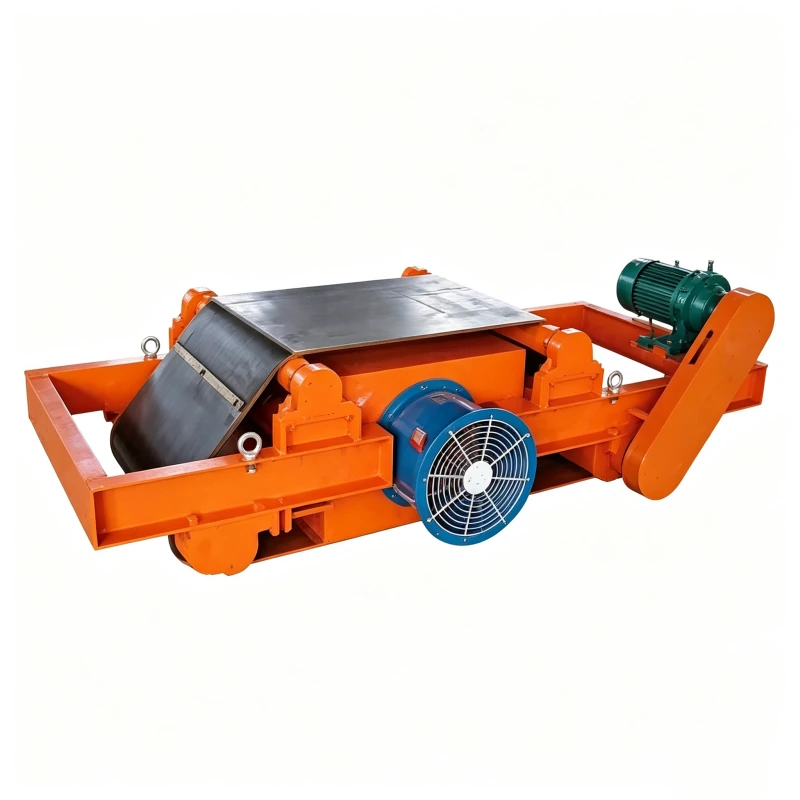
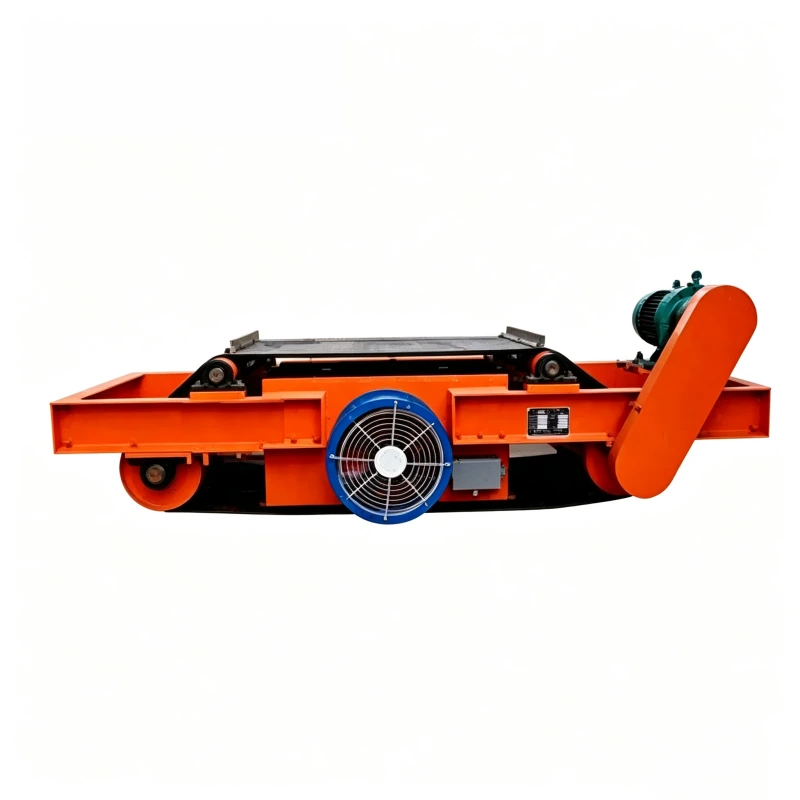
Side view of air-cooled self-unloading suspended electromagnetic separator for installation planning
Side equipment envelopeCleaning-belt pathDrive-side access

Cleaning, Maintenance & Safety

How We Plan Cleaning, Maintenance and Safe Access

Mechanical checks

  • Cleaning-belt tracking, tension and wear.
  • Scraper/cleat condition and iron discharge path.
  • Drive, pulley, bearing and fastener condition.
  • Guarding and access around rotating or pinch-point areas.

Electrical and cooling checks

  • Cooling-air path, fan condition where fitted, and blocked-airflow risk.
  • Electrical isolation, controller and rectifier condition, and the required electrical protection.
  • Grounding, cables and control connections.
  • Lockout/tagout and site procedures before maintenance.
Include project safety requirements in your quote request. If your site requires a specific IP level, hazardous-area requirement, guarding standard or other compliance condition, include it with the application data. The approved quotation and project documents define what is supplied.
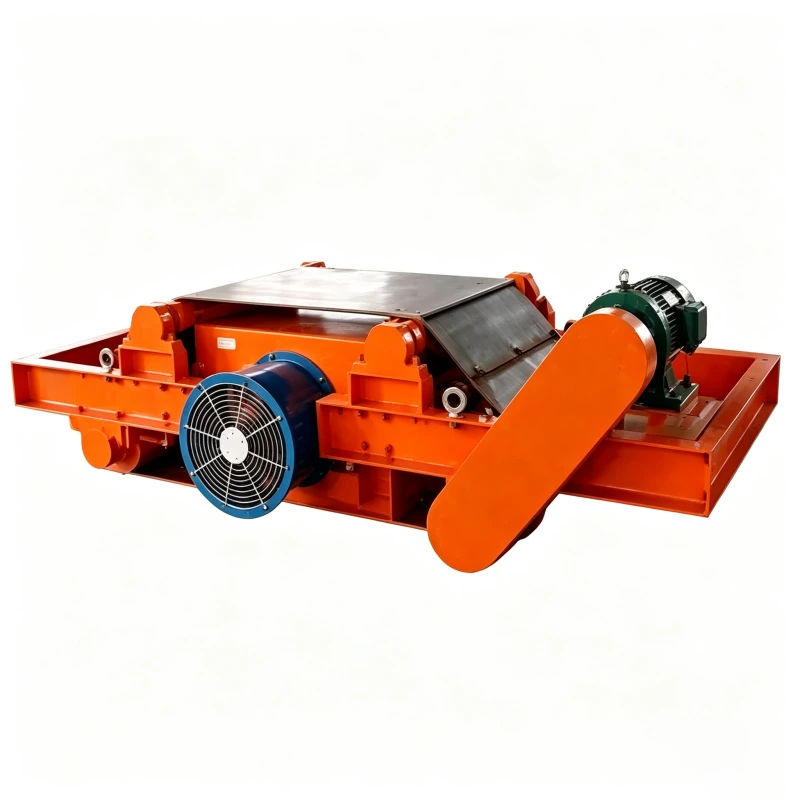
Air-cooled self-unloading electromagnetic separator showing belt drive, pulley guard and cooling fan
Belt drivePulley / guardCooling fanService side

Inspection & Testing

Quality Checks Before Delivery

We first agree what needs to be checked. Then we use the right inspection or test for that requirement. A Gauss reading, a cleaning-belt function check and a capture test each answer a different question.

Drawing Check

Check the suspension points, clearances, cooling access, discharge path and other key connections against the approved equipment drawing.

Functional Check

When included in the quotation scope, check cleaning-belt movement, tracking, cooling functions and control operation before shipment or commissioning.

Magnetic Measurement

If magnetic field strength must be checked, we define the instrument, probe direction, measuring point, air gap and operating condition. This measurement is magnetic flux density, often reported in Gauss or Tesla.

Iron Removal Performance Check

If capture must be checked, we agree the iron sample, material depth, belt speed and working distance. We also define the number of passes and what result counts as a pass.

If the project needs inspection records, test methods or certificates, we define them in the quotation or inspection plan.

Application scope matters. We only describe a check as completed when it is included in the agreed inspection plan and recorded for the project. A product photo is not a test record.

Corvelan Selection Support

How Corvelan Helps Select the Right Separator

You do not need to choose the separator from one Gauss number or a generic model table. Send us your material and conveyor information. We use it to select the configuration and prepare the quotation.

You sendConveyor drawing, belt width, speed and material depth.
We defineHow far the magnet must reach, cross-belt or inline orientation, support and installation needs.
You sendTarget iron size, shape, frequency and where it appears in the material.
We defineMagnetic reach and capture requirement, plus any agreed test sample.
You sendSite temperature, run time, enclosure details and dust conditions.
We defineAir-cooling setup and service-access requirements.
You sendDischarge area, power and control needs, and what you need us to verify.
We defineSelf-unloading layout, power and control connections, and quotation scope.
Coverlan air-cooled self-unloading suspended electromagnetic separator product view
Separator bodySelf-unloading beltDriveCooling fan

For Quotation

Information Needed for Separator Selection and Quotation

Start with the process, the target iron and the conveyor. Throughput is useful, but belt width, belt speed and material depth often change the selection. A conveyor drawing plus a clear photo of the target iron can shorten the review.

Send First

  • Material and physical form
  • Target iron or steel, approximate size and a photo if available
  • Normal and peak throughput or conveyor operating rate
  • Belt width and belt speed
  • Normal and maximum material depth (burden depth)
  • Conveyor photo, side view or drawing showing the proposed separator position

Add When Available

  • Particle or lump size, moisture and bulk density
  • Largest expected iron piece, typical iron frequency and where it appears in the material
  • Headroom, support structure, discharge side and collection space
  • Daily run time, site temperature, dust and enclosure conditions
  • Site power, control signals and preferred local or remote operation
  • Drawing, inspection, magnetic measurement or capture checks you need us to verify
Most useful extra item: send a side-view conveyor drawing that shows belt line, normal and maximum material depth, available headroom and the planned iron-discharge side. That single drawing answers several selection questions at once.

What happens next?

1. Fit checkWe check whether this air-cooled self-unloading separator fits the material, target iron and conveyor conditions.
2. Missing dataWe identify the few missing details that can change the selection instead of asking for every possible field at once.
3. ConfigurationWe define the equipment layout, cooling, cleaning belt, power and control connections for quotation.
4. Inspection planIf needed, we agree the drawing, inspection and test requirements before manufacturing starts.

FAQ

Air-Cooled Self-Unloading Suspended Electromagnetic Separator FAQ

What is an air-cooled self-unloading suspended electromagnetic separator?

It is a suspended electromagnet that removes iron and steel from bulk material moving on a conveyor. A driven cleaning belt carries captured metal away automatically. Air cooling removes heat from the electromagnet during operation.

What is the difference between self-unloading and manual-clean suspended electromagnets?

A self-unloading separator uses a driven cleaning belt to discharge captured iron continuously. A manual-clean electromagnet holds the iron until the magnet is cleaned during a planned stop. The right choice depends on iron loading, allowed downtime, access and safety.

How is an air-cooled separator different from an oil-cooled electromagnetic separator?

The main difference is how the electromagnet is cooled. An air-cooled design moves heat away with air instead of an oil-cooling circuit. Run time, site temperature, dust, maintenance needs and the final machine design help determine the right cooling route.

How high should the separator be above the conveyor?

There is no single height that fits every conveyor. We use the real distance from the magnet face to the hardest target inside the material. Target size and shape, belt speed, burden depth and the magnetic design also matter.

Does higher Gauss mean better tramp-iron removal?

No. Gauss is a measurement of magnetic flux density at a defined point. A Gauss value alone does not prove pull force, capture at the real working distance, removal efficiency or overall process performance.

Should I choose an electromagnetic or permanent suspended magnet?

Corvelan compares working distance, target iron, material depth, run time, available power, cleaning method and installation space. We may recommend a permanent magnet when it can meet the required reach without an energized coil. We use an electromagnetic route when the process needs an energized magnetic field.

What should I send Corvelan for an initial review?

Send the material, target iron, throughput or conveyor operating data, and a photo or drawing of the separation point. If available, also send belt width, belt speed, burden depth, iron size and frequency, headroom, discharge space, site conditions, power and control needs.

Get Separator Selection Support

Send the conveyor drawing or photo, material, target iron and operating data you already have. Corvelan will check the application, identify any missing selection details and define the air-cooled self-unloading separator configuration for quotation.

Get An Instant Quotation Now