
Occasional Iron + Planned Cleaning Stop
Use a manual-clean RCDB suspended electromagnet. This is the main application for the disc-type separator on this page.
Find equipment by installation point and separation task.
All magnetic separators →Start with the material or production line you need to protect.
All applications →Compare technologies, check parameters and prepare your RFQ.
All guides →See the factory, quality checks and answers before you request a quotation.
Corvelan disc-type suspended electromagnetic separators are round electromagnets installed above a conveyor. They pull unwanted iron and steel pieces out of dry material moving on the belt. These unwanted metal pieces are often called ferrous tramp metal. Choose the documented manual-clean RCDB type when tramp iron appears only from time to time and a planned cleaning stop is practical.
Choose a different separator when the job changes. Use a self-cleaning suspended electromagnet when iron appears often or production cannot stop for cleaning. Do not use this RCDB separator for aluminum, copper, wet slurry, or weakly magnetic mineral recovery. Those jobs need another type of separator.
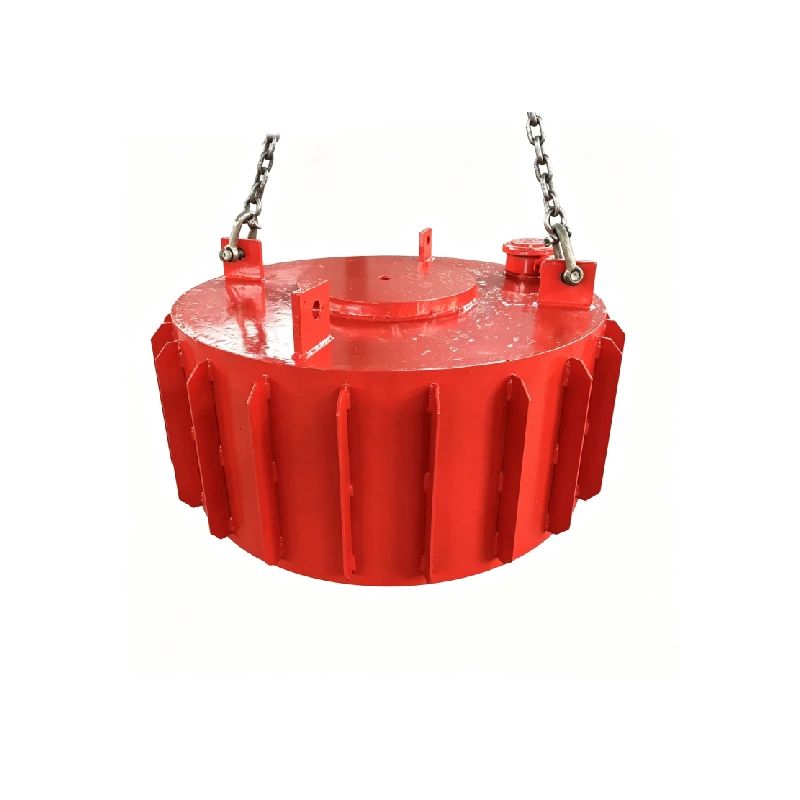
Use the manual-clean RCDB disc type when dry material moves on a conveyor, iron appears only from time to time, and a planned cleaning stop is practical. Use a self-cleaning suspended electromagnet when iron appears frequently or the line cannot stop for cleaning.
Use a manual-clean RCDB suspended electromagnet. This is the main application for the disc-type separator on this page.
Use a self-cleaning suspended electromagnet or cross-belt electromagnetic separator. We do not use the manual-clean RCDB as the first choice for this condition.
Review a suspended permanent magnet when it can reach the required iron target at the real working distance.
Do not use this RCDB separator. These jobs need a different separation technology.
| If this describes your process | Use | Why |
|---|---|---|
| Dry material on a conveyor. Iron appears only from time to time, and the line can stop for cleaning. | Manual-clean RCDB suspended electromagnet | Captured iron can be removed during a planned stop. |
| Iron appears often, automatic discharge is required, or cleaning stops would interrupt production. | Self-cleaning suspended / cross-belt electromagnetic separator | The discharge belt carries captured iron away while the process keeps running. |
| You want to avoid an energized coil, and a permanent magnet can still reach the target iron. | Suspended permanent magnet | No continuous magnet power is needed when the permanent system can meet the required reach. |
| The main target is aluminum or copper. | Use the correct non-ferrous separation technology | RCDB electromagnets are designed for iron and steel, not aluminum or copper recovery. |
| The process is wet/slurry or the goal is weakly magnetic mineral recovery. | Use the separator designed for that wet or mineral-processing duty | This page covers dry conveyor tramp-iron removal. |
A disc-type suspended electromagnetic separator is a round electromagnet installed above a conveyor. It pulls unwanted iron and steel out of dry material moving on the belt. The RCDB type shown on this page is a manual-clean design, so captured metal is removed during a planned cleaning stop.
This type is also called a suspended round electromagnet, manual-clean suspended electromagnet or RCDB electromagnetic separator. It is different from a multi-disc mineral separator used for weakly magnetic mineral separation.
Choose this equipment when the material is dry, moves on a conveyor, and the unwanted pieces are iron or steel that a magnet can attract.
If the job is to recover weakly magnetic minerals or to run a wet mineral-separation stage, use the magnetic separator designed for that process instead.
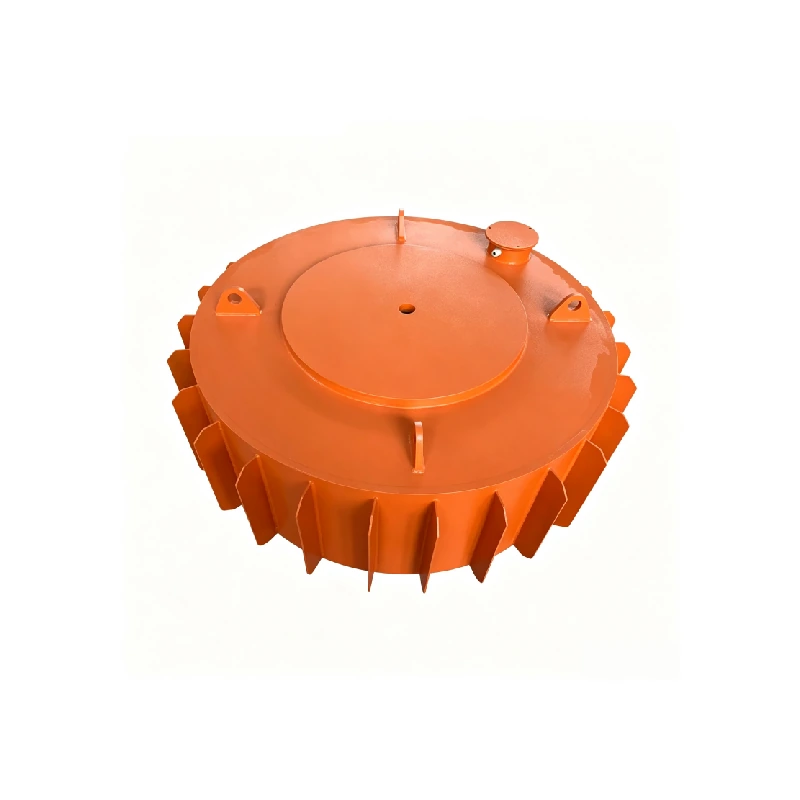
When the electromagnet is energized, it pulls iron and steel pieces out of the material moving below it and holds them on the magnet face. With the documented manual-clean RCDB type, the line stops for a controlled cleaning step so the captured metal can be removed safely.
Material moves below the magnet at the actual belt speed and material depth.
Iron and steel pieces are pulled toward the magnet. Distance, gravity and the surrounding material make them harder to lift.
Iron that is pulled free from the material is held on the magnet face.
Accumulated iron is removed during a controlled stop after safe isolation according to the final design and site procedure.
Belt width gives the first RCDB model to check, but it does not confirm the final model. Material depth, belt speed, target iron, working distance and the installation can keep that starting model or force us to change it.
| What you tell us | What it can change |
|---|---|
| Belt width | The first RCDB model to check. |
| Belt speed | How long the iron remains in the useful magnetic zone. |
| Normal material depth | The normal distance from the magnet to iron buried in the material. |
| Maximum material depth | The worst-case distance to the deepest important target. |
| Iron size and shape | How difficult the target is to pull free from the material. |
| Where the iron sits in the material | The real magnet-to-target distance. |
| How often iron appears | Manual-clean or self-cleaning separator type. |
| Whether the line can stop | Whether manual cleaning is practical. |
| Installation space and nearby steel | Magnet position, support arrangement and whether the proposed location is workable. |
| Voltage, frequency and PLC needs | The electrical and control arrangement. |
| Hazardous-area requirement | The project-specific electrical and mechanical specification that must be confirmed. |
Use this table to find the first RCDB model to check. Do not confirm the final model from belt width alone. We also check material depth, belt speed, the hardest iron target, real working distance and the installation.
| Model | Belt Width mm | Rated Suspension Height mm | Material Depth ≤ mm | Magnetic Flux Density ≥ mT | Excitation Power ≤ kW | Belt Speed ≤ m/s | Operating Mode | Weight kg | Reference Dimensions (A×B×C), mm |
|---|---|---|---|---|---|---|---|---|---|
| RCDB-4 | 400 | 120 | 70 | 50 | 0.6 | 2.5 | Continuous | 250 | 500×270×320 |
| RCDB-5 | 500 | 150 | 100 | 60 | 1.0 | 2.5 | Continuous | 430 | 600×280×330 |
| RCDB-6 | 600/650 | 180 | 130 | 63 | 1.6 | 2.5 | Continuous | 580 | 650×280×330 |
| RCDB-6.5 | 650 | 200 | 150 | 70 | 2.0 | 2.5 | Continuous | 680 | 720×280×330 |
| RCDB-8 | 800 | 250 | 200 | 70 | 3.6 | 2.5 | Continuous | 950 | 960×300×350 |
| RCDB-10 | 1000 | 300 | 250 | 70 | 5.0 | 2.5 | Continuous | 1520 | 1200×320×370 |
| RCDB-12 | 1200 | 350 | 300 | 70 | 6.8 | 2.5 | Continuous | 2250 | 1400×370×470 |
| RCDB-14 | 1400 | 400 | 350 | 70 | 9.0 | 2.5 | Continuous | 2950 | 1650×405×500 |
| RCDB-16 | 1600 | 450 | 400 | 70 | 13 | 2.5 | Continuous | 4800 | 1900×460×560 |
| RCDB-18 | 1800 | 500 | 450 | 70 | 18 | 2.5 | Continuous | 6900 | 2150×570×630 |
| RCDB-20 | 2000 | 550 | 500 | 70 | 20 | 2.5 | Continuous | 7500 | 2300×580×680 |
What “Continuous” means: this is the operating-mode wording in the published technical specifications. It does not mean the separator automatically removes captured iron. The RCDB family on this page is manual-clean. What A×B×C means: these dimensions are copied from the published technical specifications. Do not use them for support steel or clearance planning until the selected-model drawing defines A, B and C.
Example: for a 1,000 mm belt, start with RCDB-10 because that is the documented family reference. Keep RCDB-10 only if the real target distance, material depth, belt speed and installation all fit. If they do not, change the model or choose another separator instead of forcing the belt-width match.
Tramp-iron capture depends mainly on the real distance from the magnet to the iron, material depth, belt speed, target size and shape, and where the magnet is installed. A surface Gauss or mT value alone cannot predict separation performance.
Working distance is the real distance from the magnet face to the iron you need to remove. It includes the air gap above the material plus the depth of the target inside the material layer. If the target is buried deeper, the magnet must reach farther. This is why material depth can change the model even when belt width stays the same.
No. Gauss and mT describe magnetic flux density at a defined measurement point. They do not directly tell you pull force, working distance, separation efficiency, throughput or recovery rate. We use the magnetic value together with target iron, working distance, belt speed and material depth.
Send both normal and maximum material depth. A deeper material layer increases the distance between the magnet and buried iron. If the maximum depth pushes the target too far from the magnet, we move to a larger model or change the installation.
A large exposed steel plate is easier to attract than a small bolt buried deep in the material. We select against the harder important target, not the easiest piece.
Higher belt speed gives the magnet less time to attract the iron. Use the real operating speed. If the conveyor runs at several speeds, send the highest relevant speed.
Lumpy, dense, wet, sticky or uneven material can make iron harder to pull free. Tell us the real feed condition, not only the material name.
Nearby steel, trough shape, headroom and support position can change the workable magnet location. We check the installation drawing before confirming the model.
A magnetic reading does not by itself tell you pull force, maximum working distance, separation efficiency, throughput, recovery rate or whether a buried target will be captured.
We follow four steps. First, we choose the right type of separator. Next, belt width gives the first RCDB model to check. Then we check the hardest iron target. Finally, we make sure the model fits the real installation.
Occasional iron + planned cleaning stop → manual-clean RCDB. Frequent iron or automatic discharge → self-cleaning suspended separator. Aluminum, copper, wet slurry or mineral recovery → another separator type.
Use actual belt width to identify the documented RCDB family starting model. Do not treat this as the final selection.
Use the maximum relevant material depth, the real distance from the magnet face to the iron, the highest relevant belt speed, and the iron piece that matters most.
If the starting model can reach the hardest iron target and fits the installation space, keep it for quotation. If it cannot, move to another model or choose a different separator type or installation.
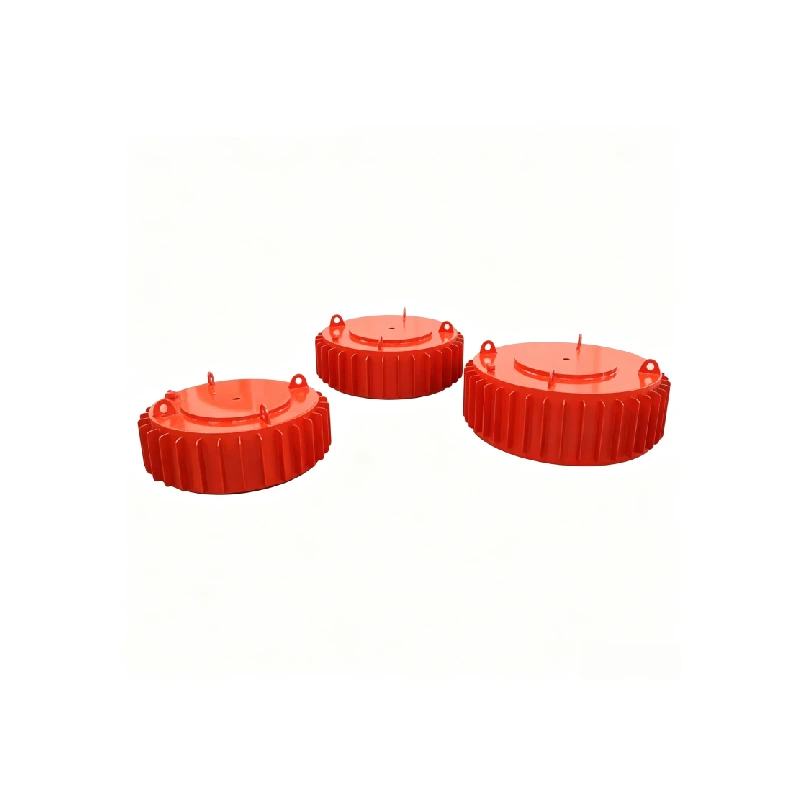
We do not confirm the separator from one number. We check the conveyor, material depth, target iron, installation and electrical requirements together. If one of these changes the job, we change the model or separator type.
| What we check | Why it matters | What can change |
|---|---|---|
| Conveyor width and speed | Belt width gives the first RCDB model; speed changes the time available to attract iron. | Starting model or required magnetic duty. |
| Normal and maximum material depth | Deeper material puts buried iron farther from the magnet. | Model size, magnet position or installation height. |
| Target iron size, shape and position | A small buried bolt can be harder to capture than a large exposed plate. | The model we keep and the way the final selection is checked. |
| Magnet-face-to-belt distance | This combines with material depth to set the real target distance. | Magnet position, support height or model. |
| Installation drawing or photo | Headroom, nearby steel, supports and cleaning access can limit where the magnet can go. | Mounting arrangement or separator type. |
| Voltage, frequency and controls | The electromagnet and control cabinet must match the site supply and operating sequence. | Electrical arrangement and control functions. |
| What the project must check before acceptance | The test must match the result the order actually needs. | Magnetic measurement, representative iron-piece test, installed function check or a project-specific performance test. |
The magnet and its installation must work together. A correct model can still perform poorly if it is installed too far from the material or in the wrong position. Send us the real separation point, magnet-face-to-belt distance, normal and maximum material depth, support position, headroom, nearby steel, cleaning access and site electrical requirement.
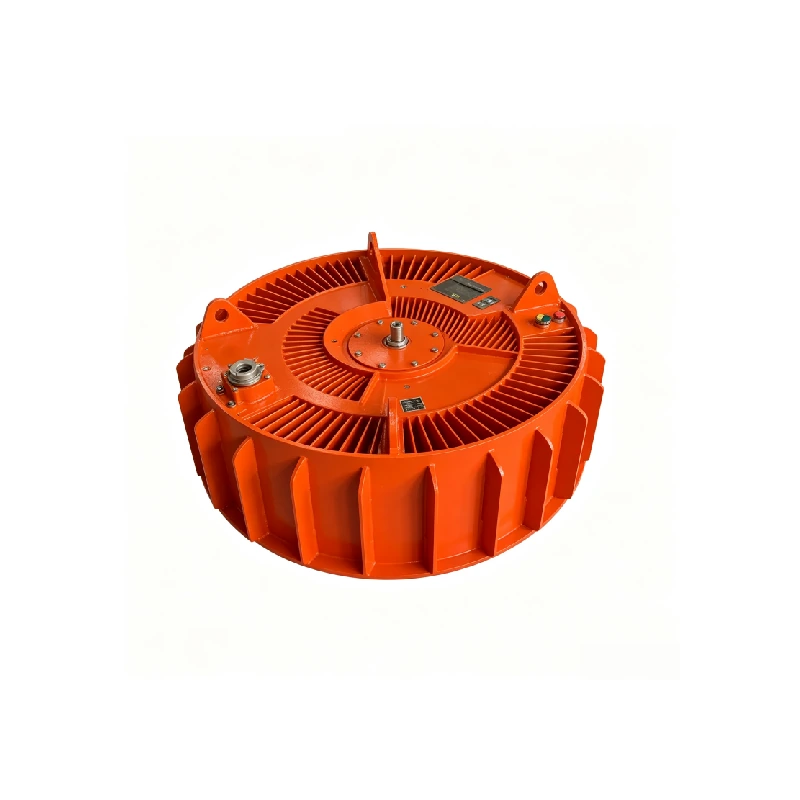
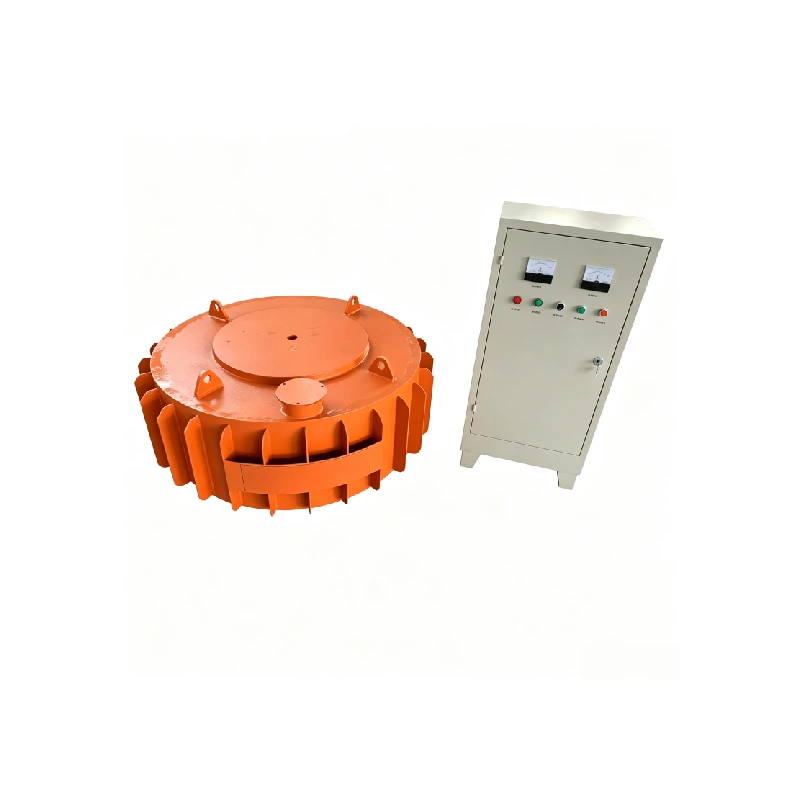
We use those values to establish the real target distance and check the RCDB starting model.
How the material moves, where the iron sits, nearby steel and service space can differ from a straight conveyor section.
We choose the electrical arrangement from that requirement. We do not assume the control cabinet shown in the photo applies to every order.
Tell us which start/stop, status or alarm signals you need. We include those PLC input/output (I/O) requirements in the quotation.
Send the required zone or class, whether the hazard is gas or dust, and the standard your project follows. We only describe the separator as suitable for that hazardous area when the quoted documents support it.
Choose a self-cleaning separator or change the installation so captured metal can be removed safely under the site procedure.
Use the check that matches the result you actually need. If you need a magnetic-field value, measure the field at a defined point. If you need to know whether a critical iron piece can be removed, run that piece or a representative piece through the conveyor. If you need to confirm the installed unit, run the agreed function check.
| What you need to know | How to check it | Agree these details first |
|---|---|---|
| Magnetic flux density at a stated position | Magnetic measurement | Instrument, probe direction, measurement point, gap, energized condition and target value. |
| Whether a known iron piece can be captured | Run the actual or representative iron piece through the conveyor | Target size, shape and mass; target position; belt speed; material depth; real target distance; number of passes; and the pass/fail rule. |
| Whether the installed separator and controls work correctly | Installed function check | Approved layout, mounting position, clearances, electrical supply, control response, safe access and cleaning procedure. |
| A specified removal percentage or recovery result | Project-specific performance test | Feed condition, contaminant population, sampling method, test duration, pass/fail metric and who records the result. Do not use surface Gauss as a substitute. |
The examples below show how we would apply the selection rules. They are not customer project records and they are not published test results. Replace the example values with the actual project data before quotation.
Why: iron appears only from time to time, so continuous automatic discharge is not required. The 1,000 mm belt points first to RCDB-10 in the RCDB family table.
Use: a self-cleaning suspended electromagnet or cross-belt electromagnetic separator. Captured metal must be carried away without repeated production stops.
Use: RCDB-12 as the next family model to check. The deeper material moves the hardest target farther from the magnet, so belt width alone is not enough to keep RCDB-10.
Use: an eddy current separator or another system designed for non-ferrous metal recovery. RCDB electromagnets are designed to attract iron and steel, not aluminum or copper.
Send us your conveyor, material and target-iron details. We will tell you which separator type to use, which RCDB model to check first, what could change that model, how the magnet should be installed, what controls are needed and how the final unit should be checked.
Manual-clean RCDB, self-cleaning suspended electromagnet, suspended permanent magnet or another separator type based on the real process.
The first RCDB model to check from the family table when the manual-clean RCDB is the right separator type.
Real target distance, maximum material depth, belt speed, target iron, installation space and any point that could change the starting model.
Magnet location, support and headroom needs, nearby-steel concerns, cleaning space and the drawing information still needed.
Power supply, local or remote controls, PLC start/stop/status/alarm needs and any site-specific electrical requirement.
Magnetic measurement, representative iron-piece test, installed function check or a project-specific performance test, depending on what the order needs to confirm.
| You send | Corvelan returns |
|---|---|
| Conveyor width, speed and material depth | Separator type + first model to check |
| Target iron details | What makes the target easy or difficult to capture |
| Installation photo or drawing | Magnet location and installation points required for final model selection |
| Voltage, frequency and control needs | Electrical and control requirements for quotation |
| What the project must confirm before acceptance | The test method and the details that must be agreed before the test |
It means the round RCDB-style suspended electromagnet installed above a conveyor for ferrous tramp-metal removal. It does not mean the multi-disc mineral-processing separator used for weakly magnetic mineral beneficiation.
Choose the manual-clean RCDB when the material is dry and moves on a conveyor. The target should be iron or steel that a magnet can attract. This option fits best when tramp iron appears only from time to time and the line can stop for cleaning. If iron appears often or the line cannot stop, choose a self-cleaning suspended separator instead.
Choose a self-cleaning suspended or cross-belt electromagnetic separator when tramp iron is frequent, automatic discharge is required or repeated manual-cleaning stops would interfere with production.
No. The same throughput can create different material depths depending on belt width, belt speed, bulk density and feed distribution. Use throughput together with belt width, actual belt speed, normal and maximum material depth and the target iron.
Start with RCDB-10 because it is the documented family reference for a 1,000 mm belt. Keep RCDB-10 only after checking the real distance from the magnet to the iron, normal and maximum material depth, belt speed, target iron and installation. If those conditions do not fit, change the model or choose another separator.
Do not use one hanging height for every job. Send the magnet-face-to-belt distance plus normal and maximum material depth. We check the real distance to the hardest iron target, because iron buried near the belt is farther from the magnet than iron near the top of the material.
No. “Continuous” is the operating-mode wording in the source family data. It does not mean the manual-clean RCDB automatically removes captured iron. If you need automatic discharge, choose a self-cleaning suspended separator.
No. Gauss and millitesla describe magnetic flux density at a defined measurement point. They are not pull force and they are not separation efficiency. Capture also depends on working distance, target size and shape, material depth, belt speed and material condition.
Some photographed Corvelan configurations use a separate control cabinet. Tell us the site voltage and frequency, whether you need local or remote control, any PLC interlock or I/O signals, and the installation environment. We use those details to define the electrical arrangement for the quotation.
If you need a magnetic-field value, measure it at a stated point. If you need confirmation that a critical iron piece can be removed, run that piece or a representative piece through the conveyor. If you need to confirm the installed unit, use a functional check. If you need a removal percentage, agree a full performance test before the test starts; do not use surface Gauss as the acceptance result.
Send the material, target iron, throughput or conveyor loading, belt width, belt speed, normal and maximum material depth, magnet-face-to-belt distance, available headroom, site power and a photo or drawing of the proposed installation point. Add acceptance criteria, hazardous-area classification or plant control requirements when they apply.
We use different information for different questions. Product photos confirm the physical product. The RCDB family table gives a starting model. The selected-model drawing confirms installation details. A magnetic measurement shows only the stated field value. Use an agreed iron-piece test when the order needs to confirm that a defined iron piece can be captured under the stated condition.
No. They are selection examples created to show how the choice changes when the process changes. They are not customer projects, test reports or performance results. A real project must use its actual conveyor, material, target, installation and acceptance data.
You do not need to write a finished specification. Send the real process condition. We will tell you whether to use a manual-clean RCDB, a self-cleaning suspended separator, a suspended permanent magnet or another separator type. If the manual-clean RCDB is right, we will also give you the first model to check and the points that still need to be confirmed before quotation.
If a non-critical detail is missing, we tell you exactly what is missing and what we can still decide from the information already provided.
Send us the material, target iron, conveyor data and an installation photo or drawing. We will tell you which separator type to use, which model to start with and the information required to complete the quotation.