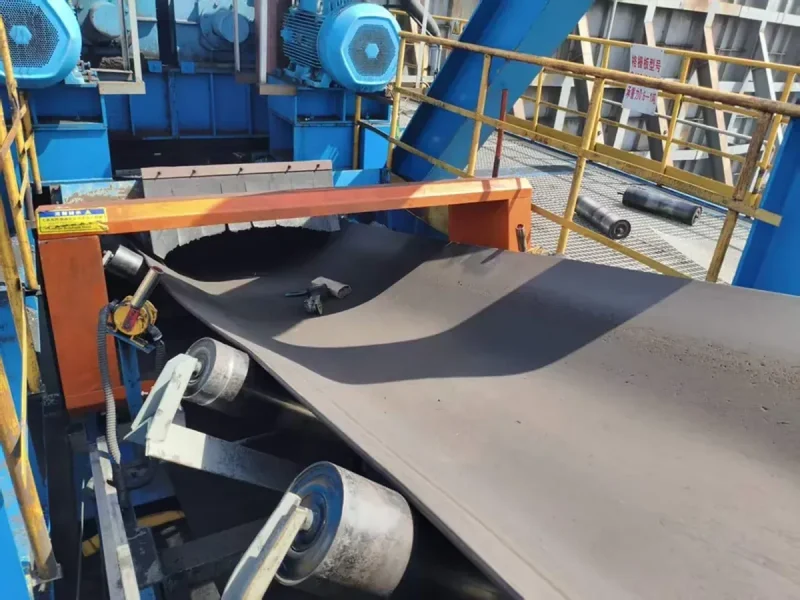
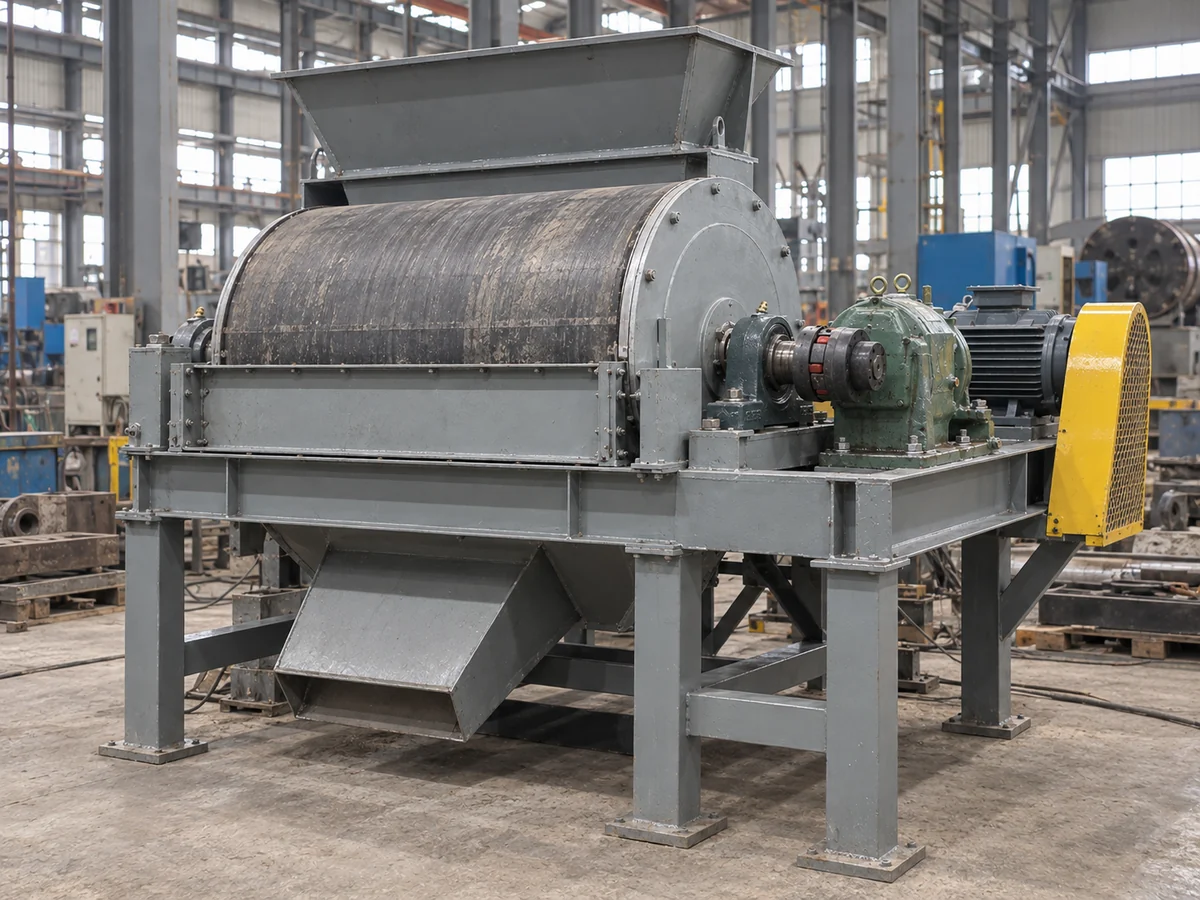
In silica sand magnetic separation, use a dry drum for loose steel and strongly magnetic grains, a high-intensity roll for dry sand with liberated weakly magnetic minerals, and wet high-gradient separation for fine, weakly magnetic particles already in slurry. If the iron sits on the quartz as a coating or inside it as an inclusion, start by testing what can be released. The best equipment choice is the one that delivers the required iron grade and enough saleable sand at your plant’s feed rate.
Start with the buyer’s iron limit, a representative sample, and the point in your process where the iron enters or becomes free. If your plant already meets the chemical specification and the issue is steel worn off a screen, the job may be equipment protection. If clean-looking sand still fails a glass buyer’s iron limit, the job is mineral separation.
How Does Silica Sand Magnetic Separation Remove Iron?
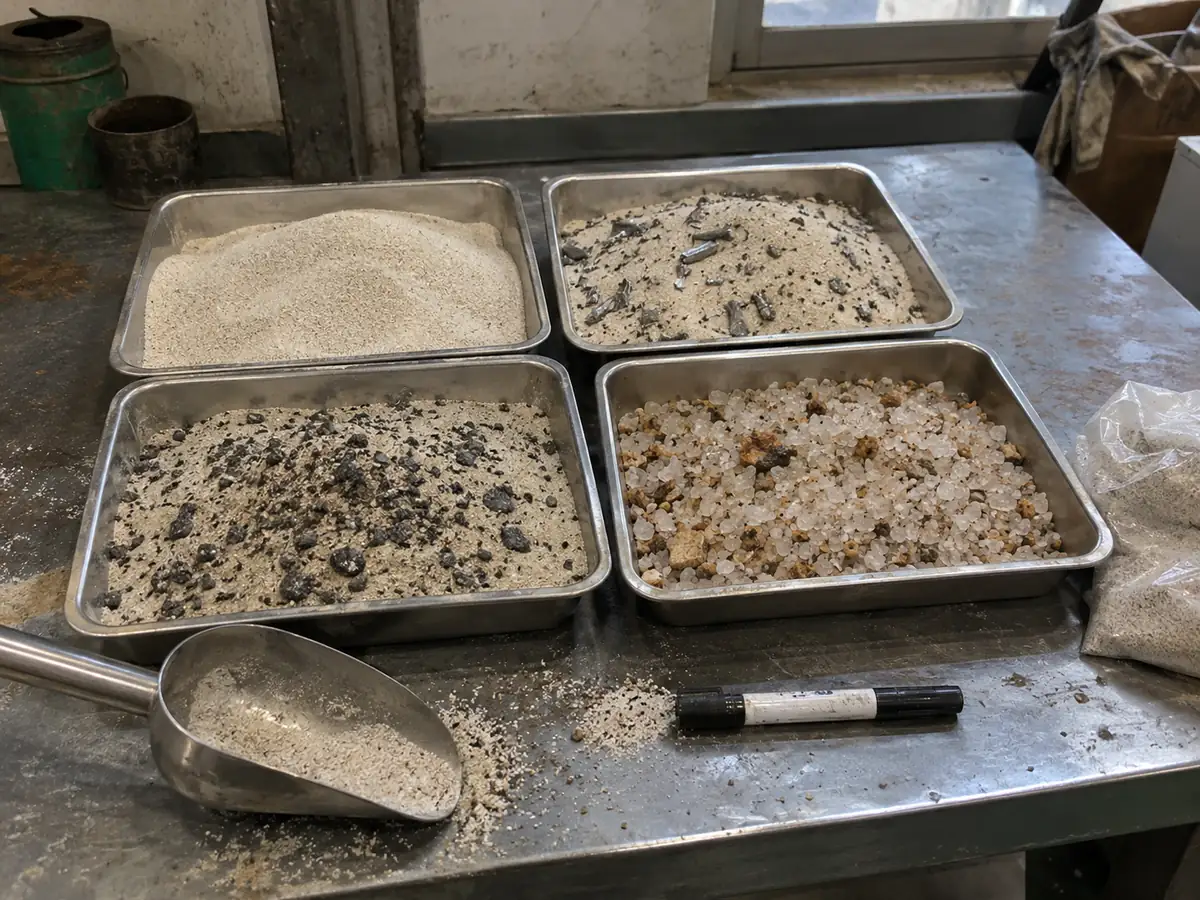
It separates particles that respond to a magnetic field from the quartz-rich stream. A separator changes the path of a responsive grain so it lands in a different outlet. The mineral carrying the iron must respond strongly enough under the actual feed conditions for that split to improve the sand.
Where is the iron in the sand?
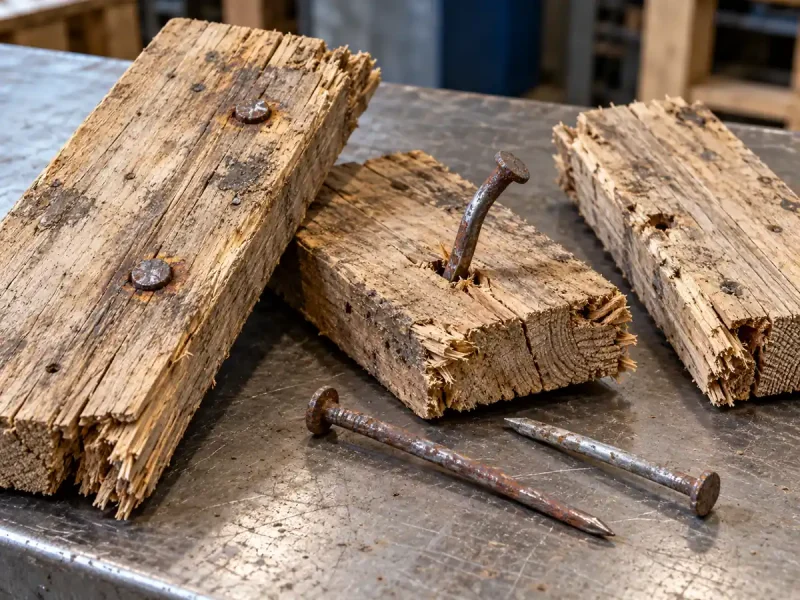
Start by separating loose iron-bearing particles from iron attached to or held inside quartz. Steel chips, mill wear and liberated magnetite typically respond strongly. Some liberated hematite, ilmenite and iron-bearing mica respond more weakly. A red or brown coating can stay on a quartz grain as it passes through the machine. An inclusion inside quartz can travel with the whole grain and send saleable silica to the magnetic outlet if the combined particle responds strongly enough.
Why can two sands with the same iron assay need different equipment?
A total iron result measures how much iron is present. A fraction test and mineral examination show what you can separate. Two lots with the same reported Fe₂O₃ can differ because one contains free iron-bearing grains, while the other carries much of its iron as stains or inclusions. Sieve both lots, assay the relevant sizes, and compare a low-intensity split with a high-intensity split. If the magnetic fractions are iron-rich and small, you have a route worth testing. If the iron stays in the quartz-rich fraction, examine those grains before committing to another magnetic stage.
Which Magnetic Separator Should You Use for Silica Sand?
Choose the separator by the iron-bearing particle’s magnetic response and the condition in which the sand reaches the machine. A plant can use more than one type when each stage removes a different fraction.
| Feed at the separator | First equipment to test | What to verify |
|---|---|---|
| Free-flowing dry sand with loose steel or strongly magnetic grains | Dry magnetic drum | Check the size and amount of iron captured, how much good sand leaves with it, and whether the outlet stays clear at peak feed. |
| Dry, evenly fed sand with liberated weakly magnetic grains | High-intensity rare-earth roll | Compare size fractions, belt speed, feed per unit of width and splitter position against both grade and yield. |
| Slurry carrying fine, weakly magnetic grains | Matrix-type wet high-intensity or high-gradient separator | Check capture and washout at the actual solids loading and particle size. Track any sand lost in the magnetic wash. |
When should you use a dry magnetic drum?
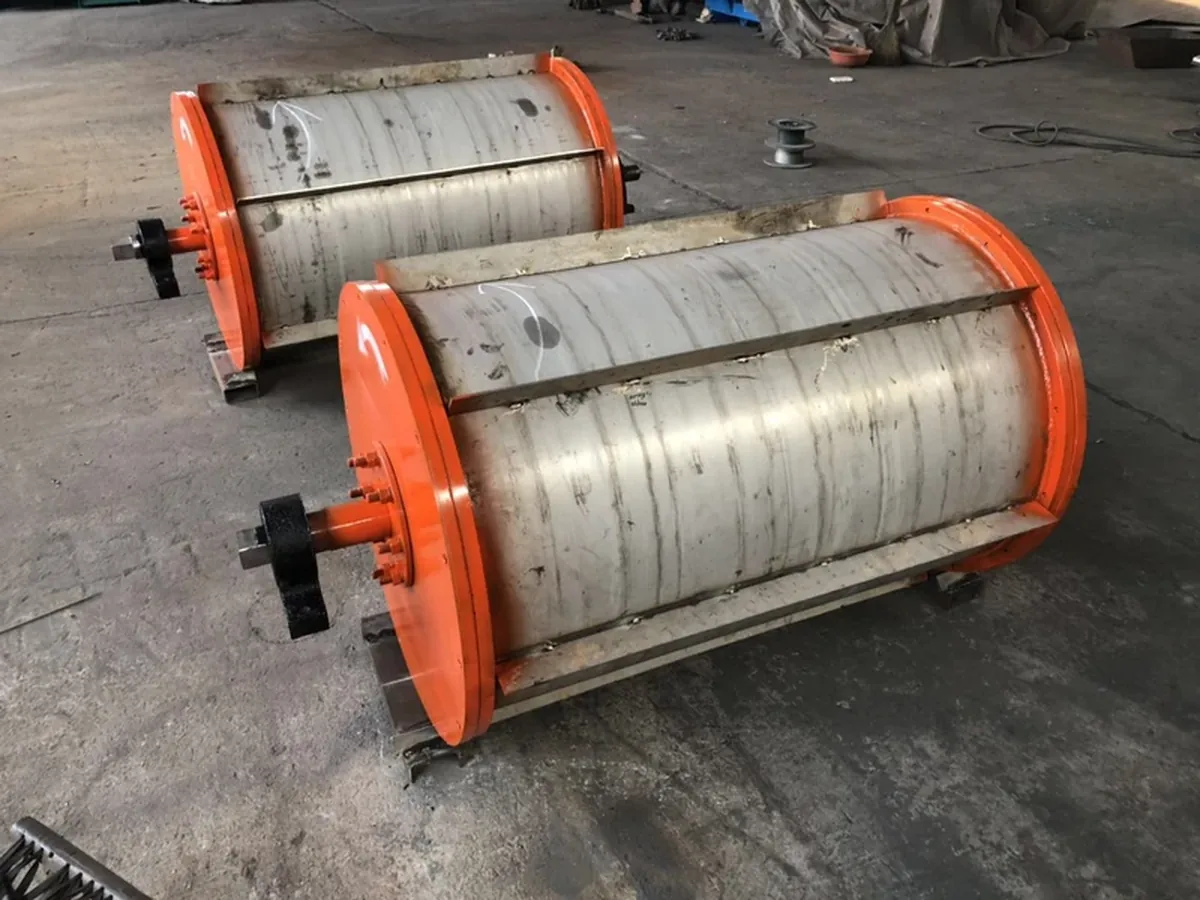
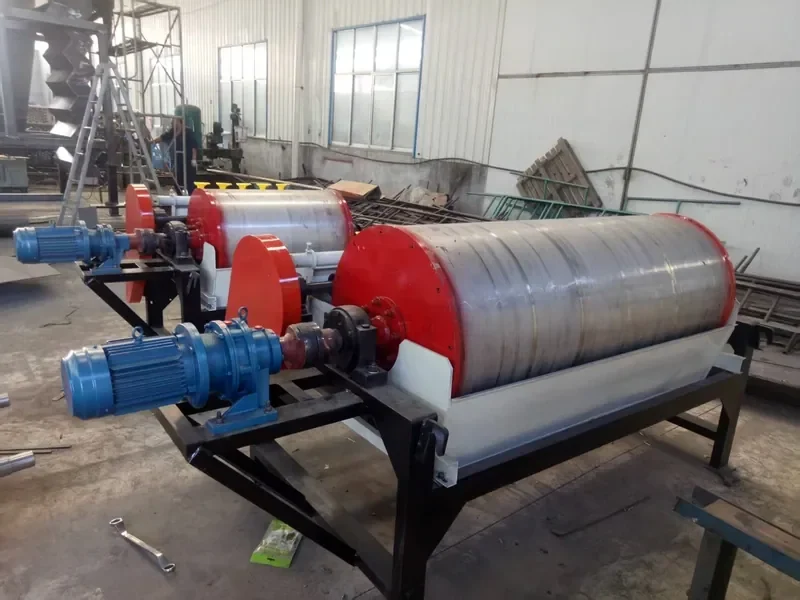
Use a dry drum when loose steel or strongly magnetic grains are the main target in free-flowing sand. The magnetic zone holds responsive particles to the rotating shell long enough for the clean sand to fall away. The drum then releases the magnetic fraction into a separate chute. Put the drum after the operation that introduces the steel, or before a finer separator that needs protection from it. Check the drop height, feed width, maximum debris size and space for both outlets when you review our dry drum magnetic separator.
When should you use a high-intensity magnetic roll?
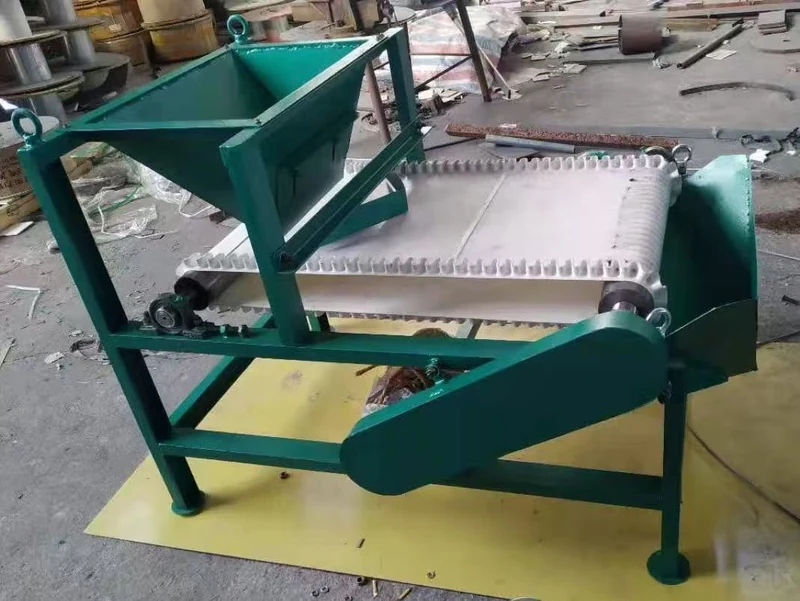
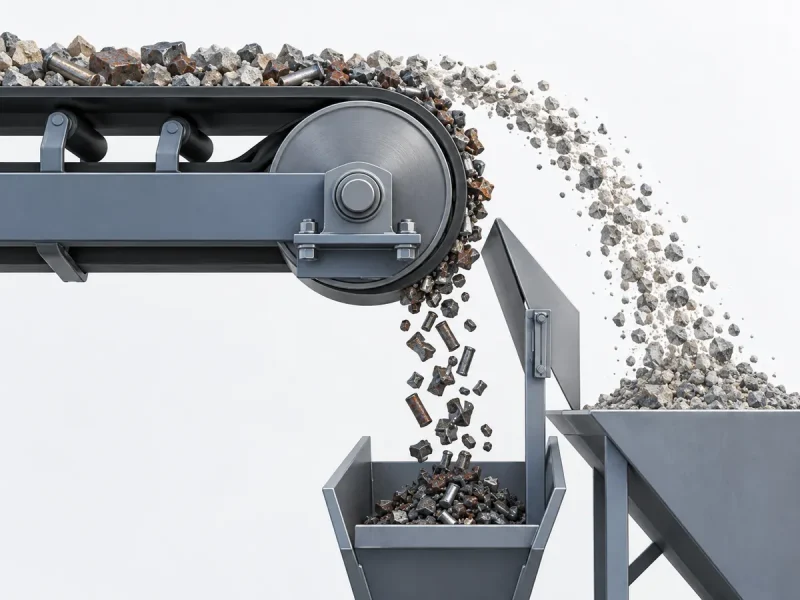
Use a rare-earth roll to clean dry, free-flowing sand when the weakly magnetic grains are already liberated. A thin belt carries particles close to the magnetic poles. Relatively nonmagnetic quartz leaves along its usual path, while responsive particles follow the belt farther around the roll. A splitter divides the falling streams. A deeper bed can hide responsive grains or carry good sand into the reject. Find the setting that meets your product limit at the required throughput, and use our high-intensity magnetic roller separator page to check feed and configuration fit. The roll mechanism and operating trade-offs are illustrated in the Eriez rare-earth roll brochure, pp. 3–4.
When should you use wet high-gradient magnetic separation?
Test a matrix-type wet unit when weakly magnetic particles are fine, liberated and dispersed in slurry. A magnetized matrix creates steep changes in field strength around the collection surfaces. Responsive grains collect there while the quartz-rich slurry passes through. The machine washes the captured material out into a separate stream. Ask which matrix opening fits your top size and whether the wash cycle clears the captured solids under your feed conditions. A wet drum can serve a separate role if the slurry still carries a strong magnetic fraction. See the SLon silica sand HGMS equipment description for an example of a pulsating matrix design.
Should You Use Dry or Wet Magnetic Separation?
Start with dry separation when your sand already feeds evenly without water. Start with wet testing when the material is already in slurry or a comparison shows that wet feeding disperses fine particles that clump in a dry feed. Compare both routes when you would need to add a dryer for the roll or a new water circuit for wet treatment.
What makes sand suitable for a dry roll?
The sand needs to spread across the belt in a thin, steady layer at the rate you expect to run. Damp lumps behave like larger mixed grains, and a broad size range can blur the split because coarse and fine particles leave the roll along different paths. Record the size distribution and moisture during the trial, including the dampest feed you expect to run. If the feed layers unevenly, try a narrower size cut or fix the feeder before changing the roll. Include enclosure and dust extraction at transfer points in a dry-line layout. For U.S. facilities, use the applicable exposure assessment and dust-control provisions in OSHA’s general-industry crystalline silica standard.
What changes when you choose a wet route?
Budget for the slurry path from the feed tank through product dewatering and reject-water handling. Hold the slurry feed steady and record both the flow and solids concentration. The same cubic meters per hour can deliver very different dry tonnes to a matrix as solids content changes. Check whether the existing pumps, wash-water supply, settling circuit and dewatering equipment can handle the additional streams. Compare the two routes at the same dry feed tonnage, buyer specification and acceptable sand yield.
Where Should the Magnetic Separator Go in the Process?
Put a protection magnet near the source of large ferrous debris and put the fine separator after the steps that free and prepare the iron-bearing grains. Take a final sample after the last transfer that can add iron. This shows what actually reaches the buyer.
How would you set up a dry sand line?
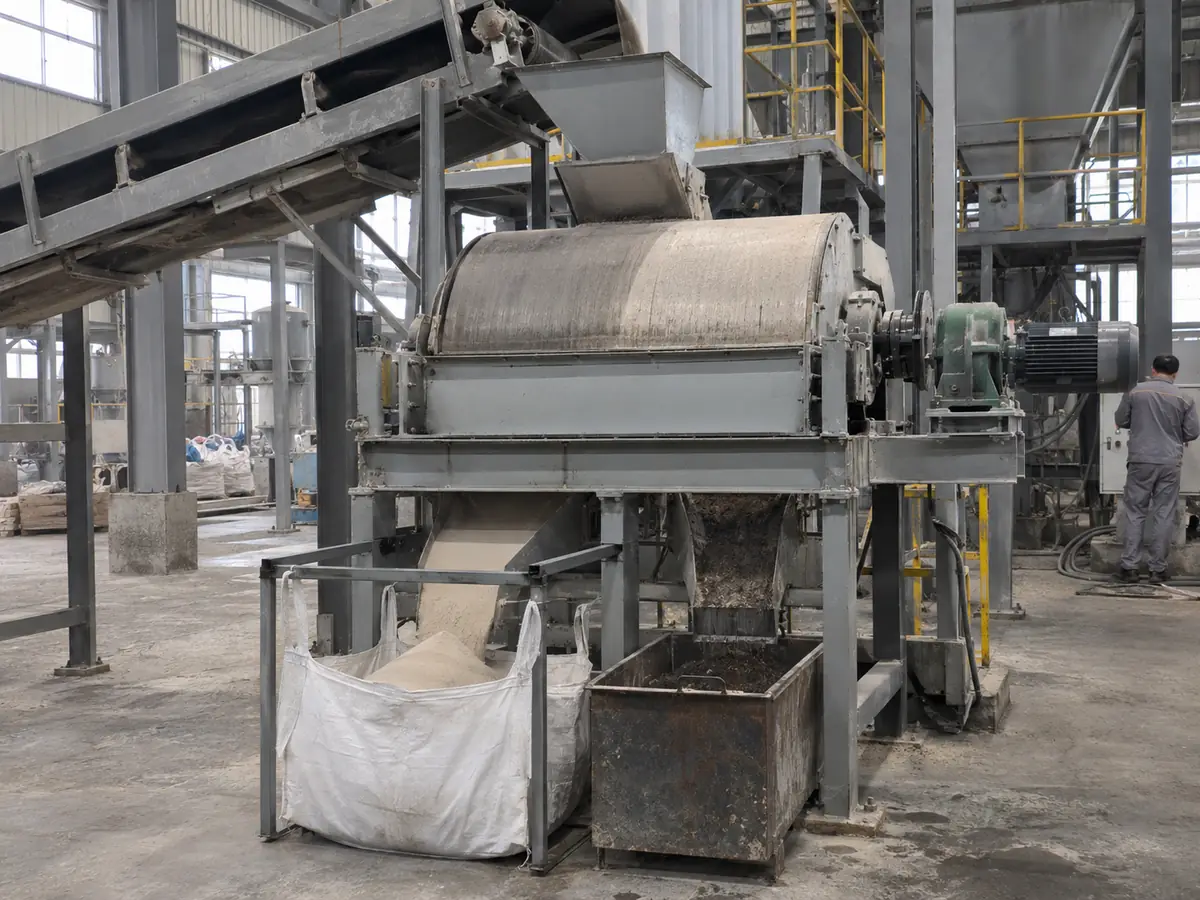
On a dry line, take out loose ferrous debris before the roll and feed the roll a steady size fraction. A practical sequence is screening or classification, dry drum pre-cleaning where free iron is present, and rare-earth roll cleaning where weakly magnetic grains remain. If large steel can reach a crusher, an upstream overband magnet or suitable pulley can protect that crusher. If the crusher, mill or screen then adds wear particles, sample after that machine and use the results to place the final cleanup stage.
How would you set up a washed sand line?
In a wet circuit, prepare the slurry before feeding a fine matrix. Scrub the sand when grain surfaces carry removable coatings, then classify or deslime where a size-by-size assay shows the fines are carrying unwanted iron. Test a wet drum for strongly magnetic material, followed by wet high-gradient separation if a separate weak fraction still limits grade. Dewater the clean stream and plan where the magnetic wash and slimes will go. A published supplier quartz-sand flowsheet from Sinonine illustrates the order of desliming, drum separation, high-gradient separation and dewatering.
When does a second magnetic pass pay off?
Add a second pass when its own test result improves grade or recovers enough good sand to justify the extra stage. A cleaner pass treats the first nonmagnetic product to lower its iron grade. A recovery pass treats a quartz-rich reject or middlings stream to recover usable sand. Sample each stream separately before routing any recovered sand back. Recycle can raise the load and return iron to the feed, so repeat the trial with the loop running before using the result for equipment sizing.
What Should You Test in a Silica Sand Sample?
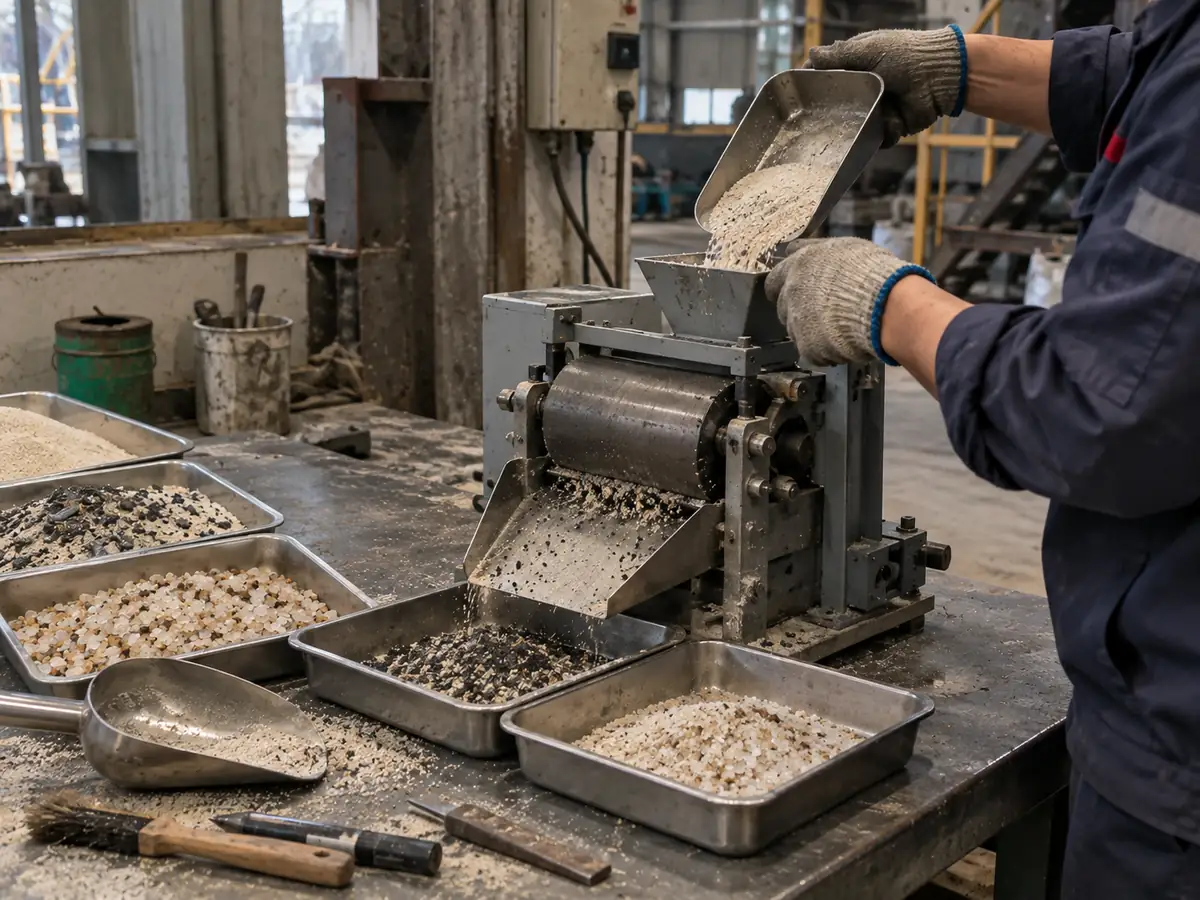
Test representative feed at the proposed equipment inlet and agree on the final grade and size limits first. The most useful starting information is the current iron assay, the buyer’s limit on the same basis, the size distribution, and the dry or slurry condition.
Which product specification should you use?
Use the actual off-take or plant specification for the grade you sell. For glass sand, obtain the buyer’s maximum iron oxide and required sieve range for the glass product. For ceramic feed, check whether the qualification also depends on fired appearance or other coloring oxides. For foundry sand, clarify whether you are removing metal from a reusable silica stream or recovering a separate chromite fraction as well. A published reclaimed foundry sand study describes a rare-earth stage separating the streams before a gravity step recovers chromite from the magnetic output. For high-purity quartz projects, obtain the full trace-element specification and impurity characterization before planning deeper purification.
How do you collect a sample that represents the line?
Collect increments across routine feed and keep distinctly different feed lots separate. Sample across the moving stream with the plant’s approved sampling method. Include normal variation across shifts or ore zones. Retain a reference split and record the original moisture or slurry solids. Sieve the sample and record the dry mass and iron grade of important fractions. For coated sand, compare untreated sand with a scrubbed and classified split. For suspected inclusions, ask the lab to examine grains under a microscope or use a suitable mineralogical method.
Keep the feed, product and reject assays on one dry reporting basis. Record the lab method, such as a suitable XRF assay, and check that the method’s reporting limit is low enough for the buyer’s specification. Set up a trial with a baseline, then change one meaningful variable at a time. A lower iron assay by size or after scrubbing tells you where to spend the next round of testing.
How Do You Read an Iron Removal Test Report?
Read three results together: product Fe₂O₃, the dry mass yield of usable sand, and the share of the feed iron diverted from that product. Compare runs made on equivalent feed splits under recorded conditions. A low product assay can come at the cost of throwing away too much usable sand.
How do you calculate yield and iron removal?
Weigh the dry feed and clean product and multiply each mass by its iron grade to find the iron-equivalent mass in that stream. Use the same chemical reporting basis in both assays. Product mass yield equals dry product mass divided by dry feed mass. The iron removal rate is one minus the product’s iron-equivalent mass divided by the feed’s iron-equivalent mass, expressed as a percentage. If other streams exist, weigh and assay them to reconcile the balance.
Suppose a test starts with 1,000 kg of dry sand at 0.040% Fe₂O₃, or 0.400 kg of Fe₂O₃ equivalent. The two settings below are an illustration using that same feed. Both products are assumed to meet the required sieve range.
| Result | Setting A | Setting B |
|---|---|---|
| Dry product / dry reject | 900 kg / 100 kg | 800 kg / 200 kg |
| Product Fe₂O₃ | 0.020% (200 ppm) | 0.015% (150 ppm) |
| Fe₂O₃ equivalent remaining in product | 0.180 kg | 0.120 kg |
| Product mass yield | 90% | 80% |
| Feed iron removed from product | (0.400 − 0.180) ÷ 0.400 = 55% | (0.400 − 0.120) ÷ 0.400 = 70% |
If the buyer accepts 0.020% Fe₂O₃ and repeated runs confirm that Setting A meets the agreed acceptance rule, A gives you 100 kg more sand per 1,000 kg of feed. If the limit is 0.018%, qualify Setting B across variable feed or test an intermediate setting. When a result sits right at the limit, check the lab precision and repeat sampling before committing to a production setting.
What does a published silica sand test tell you?
In one published glassmaking-sand test, attrition scrubbing followed by wet high-intensity separation lowered Fe₂O₃ from 0.024% in the feed to 0.012% in the quartz product. Table 2 in the same study found 0.12% Fe₂O₃ in the fraction below 125 µm, which accounted for 3.15% of the feed mass. That is a reason to assay size fractions early. Table 3 reports the combined treatment’s grade drop. To calculate the share of feed iron removed or separate the contribution of each stage in your test, collect and weigh the streams at each step. See Grigorova and colleagues, Low Iron Silica Sand for Glassmaking, 2011, Tables 2–3.
How Do You Size a Separator for Production?
Size the separator for the highest sustained dry feed rate at which it can meet your product grade and yield together. A short lab run shows whether the mineral responds. A longer run with production-like feeding shows whether you can keep the same split as the feed rate, moisture or ore source changes.
Which operating conditions should a pilot run reproduce?
Feed the same size range and moisture or slurry conditions you expect at the machine, then test both normal and peak rates. On a dry roll, record feed rate per working width, belt speed and splitter position. Ibrahim, Farahat and Boulos tested a 106–600 µm sand as a mixed feed and as two narrower cuts, 106–211 µm and 211–600 µm. The cuts gave a greater drop in product iron grade when the team optimized the speed and splitter setting for each one. Use this as a reason to try a split-size test on your sand. See the rare-earth roll study and its size-fraction results.
On the wet unit, log dry solids rate, slurry percent solids, matrix configuration and wash behavior. Let the capture and wash cycles stabilize before you compare grades. If the trial needs more working width or parallel units, confirm the feed can be split evenly and that each unit still receives the same conditions that produced passing results.
How should you verify performance at the plant?
Agree on a sustained run, the sampling points and the pass criteria before buying equipment. Specify the feed envelope, throughput in dry tonnes per hour, buyer grade limit, minimum mass yield and lab method. Sample feed, clean product and reject during the same operating interval. Allow for the time it takes the sand to travel between sampling points. Confirm grade after the last transfer and record interruptions such as blocked outlets or wash interruptions. If the operating range includes more than one ore source, test those sources separately before agreeing to a common set of limits. If grade or yield slips at peak feed, specify the lower passing rate per unit and test a wider or parallel setup against your required plant rate.
Why Does Iron Removal Drop During Production?
First find where the change starts. Compare samples immediately before and after the separator and at the final discharge. Read them alongside the feed rate, moisture or slurry solids and operating notes from the same interval.
| What you see | What to check | How to verify the fix |
|---|---|---|
| Product iron rises when dry feed surges | Look for feeder surging, a thick or uneven bed, damp lumps and a shift in splitter position. | Restore a steady feed across the width, then repeat the feed and product assays at normal and peak load. |
| Wet product degrades over the run or washout gets erratic | Check oversize, slurry solids, wash-water delivery, any installed pressure or level indicator, and evidence of matrix loading or blockage. | Restore the specified feed and wash conditions. Check whether the grades and reject flow stabilize across several cycles. |
| Reject contains more clean-looking sand when the grade improves | Check whether an aggressive splitter setting, wet entrainment or a broad size range is carrying quartz into the reject. | Weigh and assay the reject. Compare a less aggressive setup or a separate recovery pass against the required grade. |
| Separator discharge meets grade, final sample fails | Look for screen, chute, conveyor or handling wear between the two sampling points. | Sample on each side of the suspected transfer after the repair. Check the final product again. |
What if the equipment has not changed but the iron has?
Compare new and retained feed samples at the same settings. A new seam or recycled stream can shift iron to a different size fraction or mineral. Check the sieve and assay results first. If the plant has a good separation on the retained feed, rebuild the test around the new feed distribution before changing equipment.
What should you inspect before moving the settings?
Check the feed distributor, belt or drum surface, splitter, matrix wash and reject outlets against the original test setup. Worn liners or a blocked reject chute can change a good split. Follow your site’s hazardous-energy isolation procedure before reaching into a chute, clearing a blockage or opening a guard for service. For U.S. general industry, see OSHA’s control-of-hazardous-energy standard for covered work. After maintenance, run at the previous passing setting, recheck product grade and yield, then change one variable at a time.
When Does Silica Sand Need More Than Magnetic Separation?
Change the process when the remaining iron sits in a fraction the magnet cannot selectively remove at an acceptable sand yield. If a stronger test or another pass barely improves grade while reject mass keeps climbing, characterize the remaining iron before adding another magnetic stage.
What works when the iron is on the quartz surface?
Test attrition scrubbing and a size split first when the iron is on removable coatings or in attached fines. Attrition scrubbing uses grain-to-grain rubbing to loosen surface material. Depending on where the loosened iron reports, remove the iron-rich slimes by classification, or test magnetic separation on the fractions that still contain liberated, responsive particles. Compare both the change in grade and the lost sand at the new cut size. If a persistent stain still limits the product, have a qualified mineral-processing lab assess whether another purification step is warranted.
What if the remaining iron is locked inside the quartz?
Use mineral examination to see whether finer sizing would free discrete inclusions or mainly destroy the size fraction your buyer needs. Where liberation can help, test the grind on a small split and recheck the product size and recovery together. If density or surface properties offer a better way to separate discrete impurities, evaluate gravity separation or flotation. If trace iron within quartz still sets the limit, check whether you need a different ore source or a specialist purification study. A higher field may collect more composite grains and cost you usable sand.
What Should You Include in a Separator Quote Request?
Send the feed condition, required product and installation point together. With those inputs, we can review whether a dry drum, magnetic roller or additional material testing is the right starting point. See how these options fit a line in our silica sand iron removal application guide.
What information does the supplier need first?
Start with a recent sieve analysis and iron assay, the maximum acceptable product iron, and normal and peak dry tonnes per hour. Add moisture or slurry solids, a short description of how the sand is fed, and the location you want to change. For a retrofit, a sketch of the inlet, discharge heights, clearances and current equipment helps us see whether both product and reject can be collected. When several feed lots are involved, mark the source and conditions of each sample.
What should you compare across quotations?
Compare the installed cost and expected operating cost per tonne of sand that meets your specification. Ask each supplier to identify what is supplied and which feed and production trial support the quoted capacity. Include the feeder and controls, chute work, service access, dust controls or wet utilities, and belt or matrix maintenance. Compare dryer or dewatering requirements, reject handling, and the cost of lost usable sand. When the material test is the deciding factor, agree on sample conditions, how each stream will be measured, and the pilot or acceptance run before finalizing the order.
Send Your Sand Data for a Separator Recommendation
Choose the stage that matches the iron you can separate, then check it at the grade, yield and throughput you need. Send us your sieve range, current and target iron levels, feed condition, and dry throughput. We can use those details to review the dry drum or roll options and identify what to confirm in a material trial.
Discuss your silica sand separation requirementsFAQs About Silica Sand Magnetic Separation
Can I compare an elemental Fe result with a buyer’s Fe₂O₃ limit?
Put both values on the same basis first. If the laboratory reports total elemental Fe, multiply it by about 1.43 to express it as Fe₂O₃ equivalent. For example, 100 ppm Fe is about 143 ppm as Fe₂O₃ on the same dry mass basis. Confirm the original reporting convention before converting.
What if the lab reports iron below its reporting limit?
Compare the reporting limit with the buyer’s limit. If the lab reports less than 100 ppm while the buyer requires 75 ppm, use a suitable method with a lower reporting limit and retest a representative sample before accepting the result.
Will a hand magnet tell me whether a high-intensity roll will work?
A hand magnet is useful for spotting a strong magnetic fraction. If it captures little, weakly magnetic grains may still respond on a roll. Run a controlled separator trial on the relevant size fractions before deciding the material has reached its magnetic separation limit.
How should I compare gauss ratings from two suppliers?
Ask for the measurement location, working gap and test method. A pole-surface reading and a reading at the particle path describe different conditions. Compare results on the same sand and dry feed rate, with matching product limits and yield requirements. Use a vendor’s field reading as a setup reference for that machine.
Can I blend two sand sources before separation?
Trial each source separately, then trial the intended blend. One source may add fines or heavier magnetic loading that changes how the other source separates. Fix the blend ratio and sampling points before using a blended result for a production commitment.
Can I use recirculated water in a wet separator?
Include the actual recycle water in the trial if you plan to use it. Check suspended solids, screen the return if the circuit requires it, and watch whether wash flow and product clarity stay stable as the circuit runs. Confirm that the treatment and bleed arrangements suit the water balance.
What should I do with the magnetic reject?
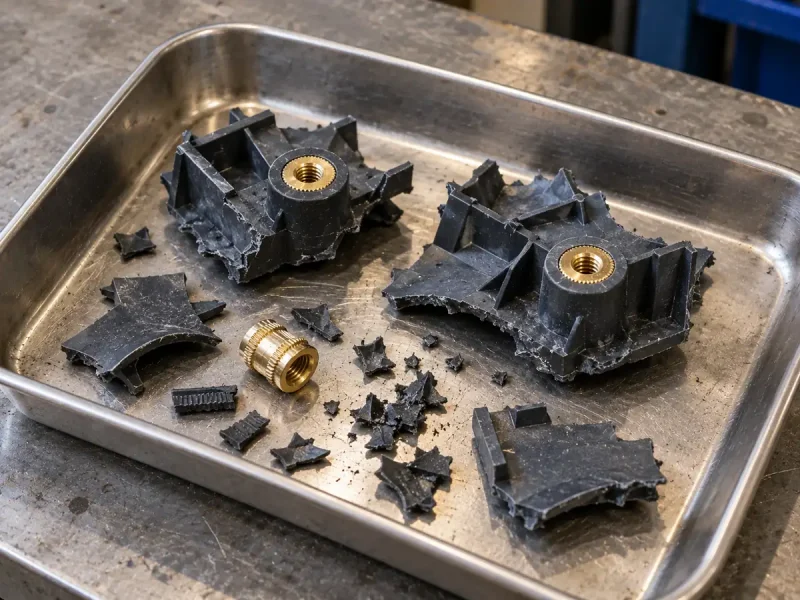
Weigh, assay and characterize it before deciding where it goes. A stream rich in recoverable quartz or a valuable heavy mineral can justify further separation. A stream dominated by wear debris or contaminated fines needs handling suited to its actual composition and local requirements.
How do I calculate dry throughput from slurry flow?
Multiply slurry volume per hour by slurry density and by the solids mass fraction. For example, 20 m³/h at a slurry density of 1.20 t/m³ and 25% solids by mass gives 20 × 1.20 × 0.25 = 6.0 dry t/h. Use density and solids readings taken under the same flow condition.
How can I reduce purchase risk if I need a trial before ordering?
Ask what representative-sample and continuous pilot options are available before you compare rental or purchase offers. Set the sample source, feed range, grade and yield, then ask which conditions the trial can reproduce and whether the setup can handle the planned peak load.
What noise information should I request for an indoor installation?
Ask for declared noise data at the stated operating condition, including the feeder and any pumps or dust extraction needed for the line. Use that information for the plant layout and check the installed system under load through your site’s normal workplace assessment.