Dry Bulk Ferrous Contamination Control

Pipeline Magnetic Separator for Dry Bulk Material

Corvelan pipeline magnetic separators remove unwanted iron and steel from dry powders and granules as they move through a chute, spout or enclosed transfer line. In magnetic separation, this unwanted iron and steel is called ferrous contamination. We design the separator around your material, line size, required throughput, expected metal load and cleaning method. The current range includes RCYG continuous automatic iron-removal models and RCYA1 / RCYA2 permanent-magnetic models.

Scope: this page covers dry-bulk gravity and chute lines. RCYG is the continuous automatic route; RCYA1 / RCYA2 are permanent-magnetic manual-cleaning routes. Pneumatic conveying, liquids, slurries, sanitary service and pressure-rated lines need a separator designed for those conditions.

Send your material, normal and peak throughput, and line opening. We use this information to choose the right separator setup and confirm what we still need for your quotation.

MaterialDry powders, granules and small free-flowing bulk solids.
RemovesTramp iron, steel fragments and other magnetically responsive ferrous contamination.
Install InGravity chutes, spouts and enclosed dry-bulk transfer lines.
We Design AroundMaterial flow, line opening, throughput, expected metal load, available space and cleaning method.
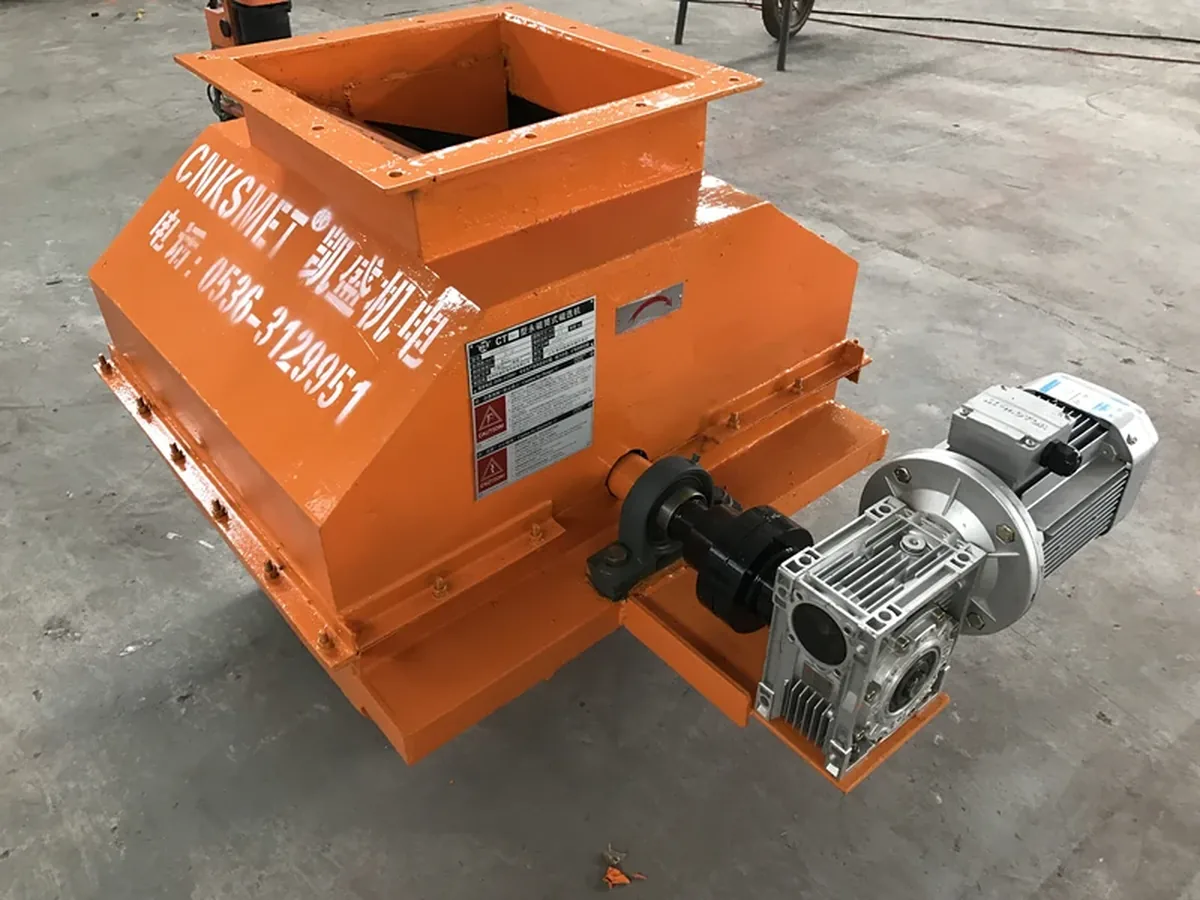
Pipeline magnetic separator with driven cleaning assembly for dry-bulk gravity-flow line integration. Pipeline magnetic separator for dry-bulk gravity-flow line integration. Final inlet, outlet, cleaning access and drive arrangement are matched to the project.
Quick Fit

Is This Pipeline Magnetic Separator the Right Fit?

Choose this pipeline magnetic separator when dry powder, granules or other dry bulk solids move through an enclosed gravity line. It is a good fit when unwanted iron must be removed before the next process step. Corvelan also checks how the material flows so the separator does not become a choke point.

Recommended Applications

Dry powders, granules and small bulk solids that move through a gravity chute or enclosed line, with enough access for cleaning and metal discharge.

We Adjust the Design When

The material may be damp, sticky, abrasive or inconsistent. We also adjust the design when iron loading is high, space is limited, large pieces are present or the feed is uneven.

Choose Another Separator When

Your process uses liquid or slurry, pressure-rated pneumatic conveying, weakly magnetic mineral separation, or non-ferrous metal separation. These applications need a different separator type.

Identify

Pipeline Magnetic Separator Working Principle

A pipeline magnetic separator puts a magnetic capture area directly in the dry material path. As powder or granules pass through, iron and steel that respond to the magnetic field are held or moved away from the clean product stream. Engineers call this active area the magnetic working zone.

Corvelan uses this separator family for dry gravity-flow points. Suspended conveyor magnets, magnetic drums, pneumatic line magnets and liquid traps are made for different material flows and installation conditions. We first choose the right separator type for your process, then compare the magnetic design.

Engineering principle: a higher Gauss reading does not automatically mean better separation. The result also depends on how far the metal is from the magnet (working distance), how the magnetic field changes with distance (field gradient), the type and size of metal, feed depth, material movement and cleaning condition.
Product Anatomy

Pipeline Magnetic Separator Main Parts

The exact build changes with the line, but the separator still needs a clear material path, a magnetic capture area and practical access for cleaning. These are the main parts we define before the project drawing is finished.

Inlet

The inlet connects the separator to the upstream chute or transfer line and guides material into the separation chamber.

Separation Chamber

This is the enclosed flow area where dry material passes through the magnetic capture zone.

Magnetic Assembly

The magnetic assembly creates the field used to attract iron and steel. Its layout is selected around the target metal, working distance and material path.

Clear Flow Opening

The open passage must let the material move through without creating an unnecessary choke point or deep material layer.

Cleaning / Access Area

This area gives operators the space needed to reach the magnetic parts, remove collected metal and inspect the separator.

Outlet & Metal-Discharge Route

The outlet returns cleaned material to the process. The metal-discharge route is defined separately when the selected cleaning method needs one.

Product Series

Corvelan Pipeline Magnetic Separator Series and Model Data

Corvelan's current dry-bulk pipeline range includes two main product routes. RCYG is the driven, continuous automatic iron-removal series. RCYA1 / RCYA2 are permanent-magnetic pipeline separators with manual access for removing captured iron. We keep the series separate because their cleaning method, installation angle and model data are different.

RCYG Self-Cleaning Pipeline Magnetic Separator

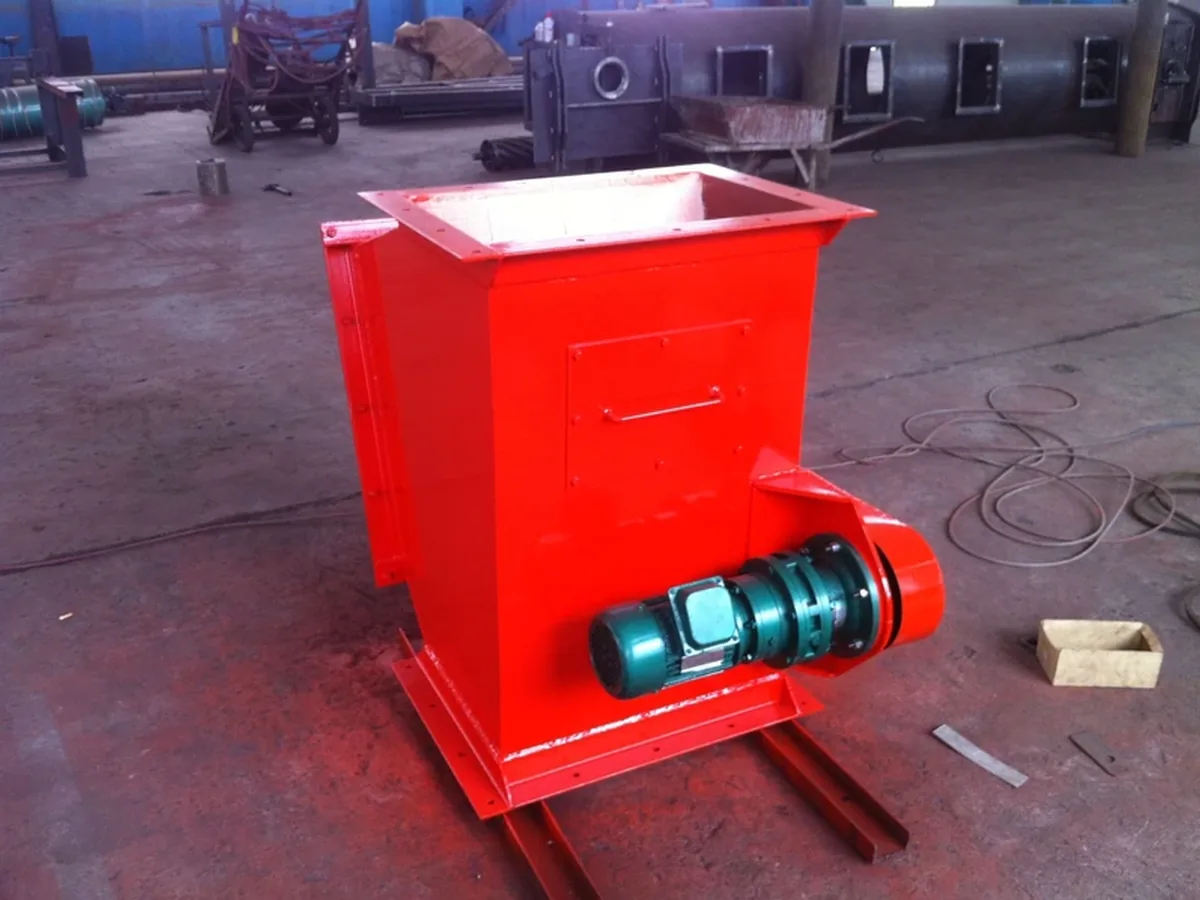
RCYG is used where dry powder or small granules move through a pipeline and captured iron needs to be discharged continuously. The RCYG series includes seven models from RCYG-100 to RCYG-1000, all with continuous automatic iron removal. The current model table lists a 380 V drive supply, with motor power increasing by model.

  • Model range: RCYG-100 / 150 / 200 / 400 / 600 / 800 / 1000.
  • Listed capacity range: 80–120 t/h up to 900–1100 t/h, depending on model.
  • Cleaning: continuous automatic iron removal.
  • Drive: geared-motor cleaning mechanism; listed motor power 0.37–3.0 kW by model.
RCYG self-cleaning pipeline magnetic separator with driven iron-discharge assembly. RCYG driven self-cleaning pipeline configuration.
RCYG modelListed capacity (t/h)CleaningListed ferrous particle size (≤ mm)Motor power (kW)Power supply (V)Equipment weight (kg)
RCYG-10080–120Continuous automatic300.37380320
RCYG-150130–160Continuous automatic500.37380380
RCYG-200180–220Continuous automatic800.55380560
RCYG-400350–450Continuous automatic1001.13801100
RCYG-600550–650Continuous automatic1201.53801500
RCYG-800720–880Continuous automatic1502.23801800
RCYG-1000900–1100Continuous automatic2003.03802200

The RCYG values above are current Corvelan series data. “Ferrous particle size” is a model-selection field for iron-removal particle size; it is not a separation-efficiency guarantee. Final selection still needs the actual material, contaminant, feed condition and installation point.

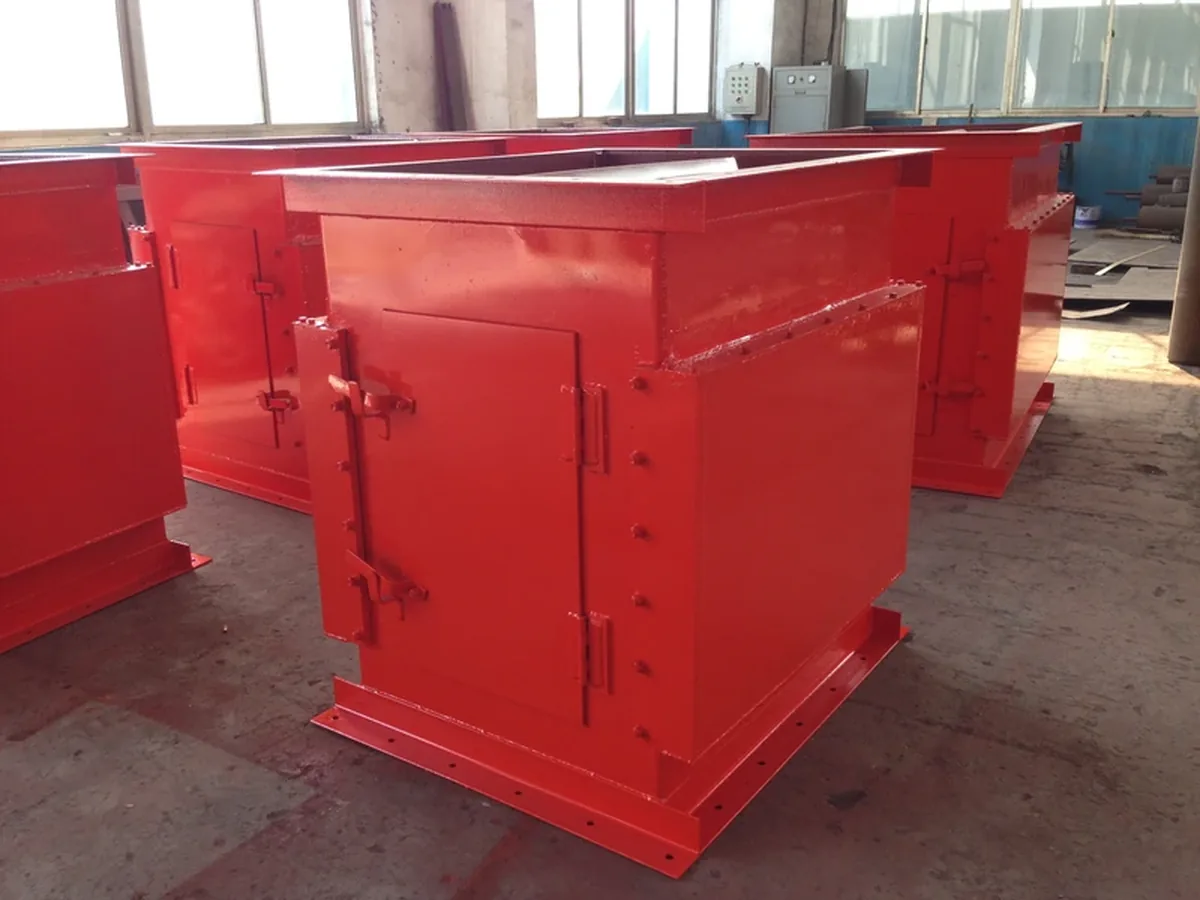
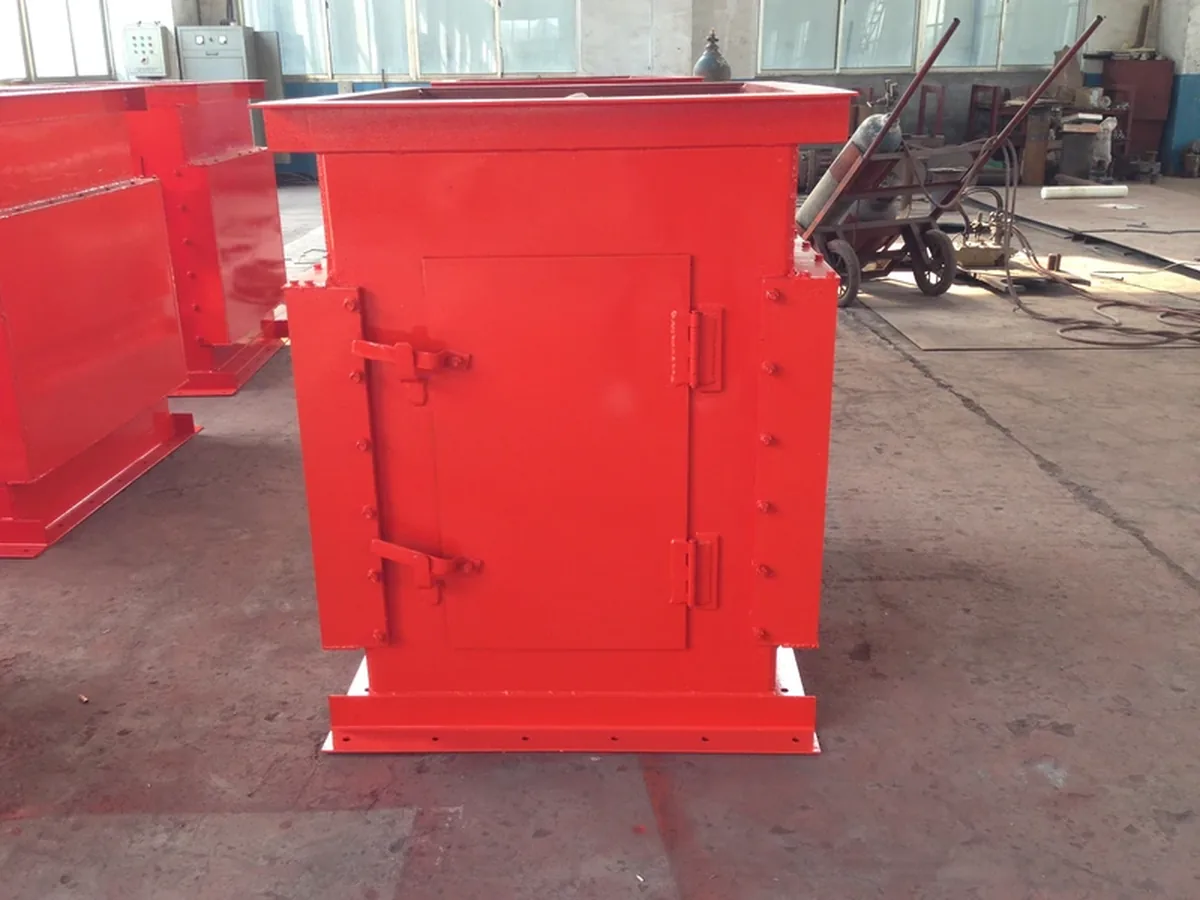
RCYA permanent pipeline magnetic separator with manual access door for dry bulk material. RCYA permanent-magnetic pipeline separator configuration.

RCYA1 / RCYA2 Permanent Pipeline Magnetic Separator

The RCYA1 / RCYA2 series use permanent magnets and manual access for removing captured iron. RCYA1 is listed for lump and granular material at an installation angle of 40°–50°. RCYA2 is listed for powder at 55°–75°. The two series share the same model capacities and dimensional table in the current Corvelan data.

SeriesMaterial routeListed installation angleCleaning / drive route
RCYA1Lump and granular material40°–50° to groundPermanent magnet; manual access / cleaning
RCYA2Powder55°–75° to groundPermanent magnet; manual access / cleaning
RCYA modelListed capacity (≤ t/h)Pipeline body L×W×H (mm)Permanent magnet L×W×H (mm)Flange opening L×W (mm)Weight (kg)
RCYA1/2-1515800×520×140400×500×200620×240260
RCYA1/2-3030900×620×170500×600×200720×270320
RCYA1/2-50501000×670×190600×650×200770×290500
RCYA1/2-80801100×720×200600×700×230820×300850
RCYA1/2-1001001200×820×220600×800×230920×320980
RCYA1/2-1501501300×1020×240800×1000×2301120×3501150
RCYA1/2-2002001400×1220×280800×1200×2301320×3801350
RCYA1/2-3003001600×1420×3101000×1400×2301520×4001580

The RCYA dimensional and capacity values shown here are current Corvelan series data. Use them as series-selection data, then confirm the final project interface and actual material condition before manufacture.

Fit

Materials and Contaminants We Design For

Corvelan designs this pipeline separator family for dry bulk material moving through an enclosed gravity-flow point. The current range covers powder, granules and lump / granular feed routes, depending on series. Typical application industries in the product data include cement, chemical, glass, ceramics, gypsum, building materials and food processing. Food-contact, hygiene and other compliance requirements still need to be confirmed for the actual project.

  • Material form: dry powder, granules and small / lump bulk solids, with the exact route matched to the selected series.
  • Target: iron filings, iron pieces, steel balls, bolts / screws and ferrous wear debris are examples covered in the current product data.
  • Process: gravity-fed chute, spout or enclosed dry transfer point with workable inlet, outlet, cleaning and metal-discharge access.
  • Common objective: protect downstream equipment, reduce unwanted iron carried into the next process, or improve product cleanliness.

We only state product-contact material, hygiene status, pressure rating, hazardous-area status or other compliance details when they are defined and supported for the actual project.

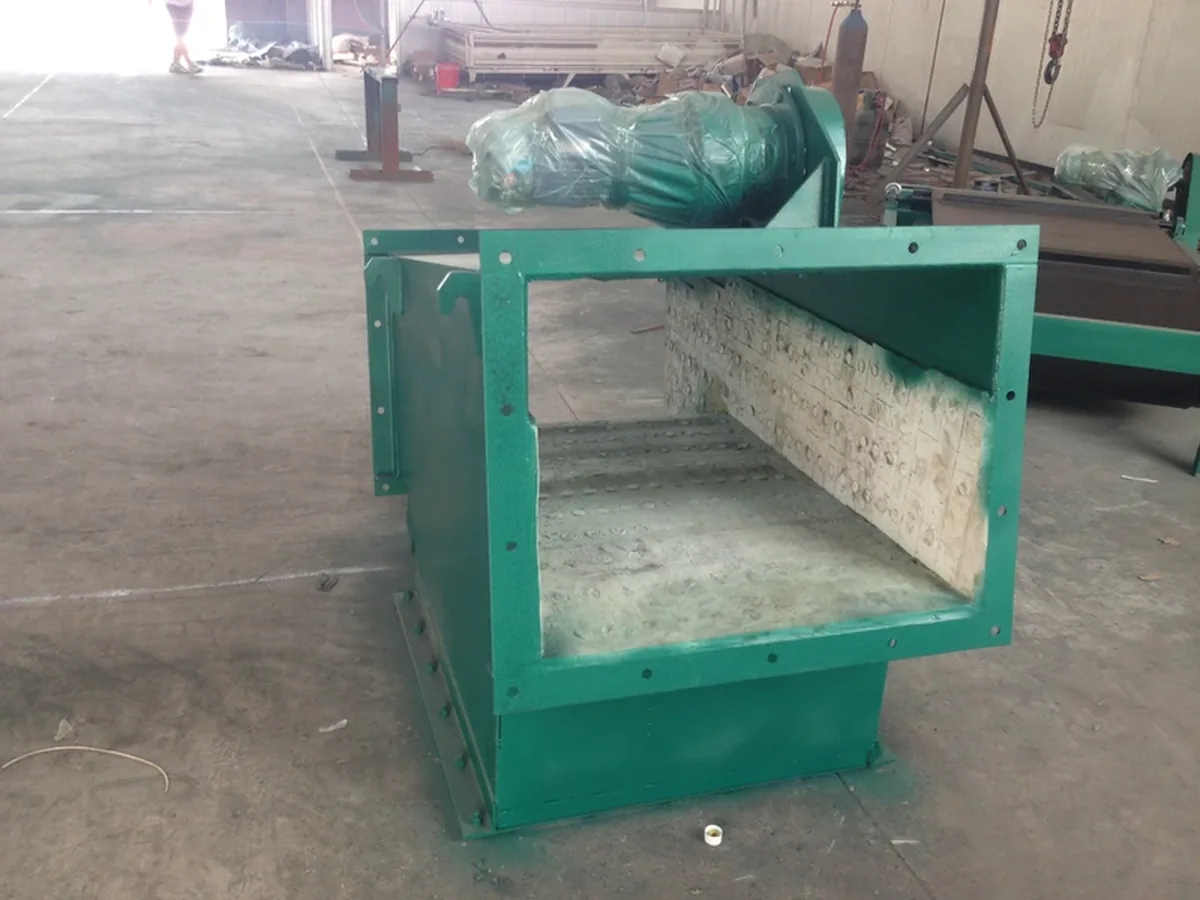
Pipeline magnetic separator flow opening for reviewing clear passage and line interfaces. Flow-opening reference for reviewing clear passage, material presentation and line interfaces.
Applications

Typical Dry-Bulk Separation Points

We place a pipeline magnetic separator at an enclosed gravity-flow transfer point where unwanted iron can be captured and removed safely. Common positions include:

Before Milling or Sensitive Equipment

Use magnetic separation upstream when tramp iron could damage or interfere with the next machine.

Before Mixing or Blending

Remove unwanted iron before material enters the next mixing or blending step.

Before Packing or Final Discharge

Add an in-line magnetic separation point where dry bulk material passes through a controlled chute or spout before discharge.

At Gravity Transfer Points

Install the separator in an enclosed chute or transfer line where the material path, opening and cleaning access can be clearly defined.

Fit Check

Where This Dry-Bulk Pipeline Separator Fits — and Where It Does Not

Use this table as a first fit check. Final selection still depends on the real material, line layout and the iron you need to remove.

Process conditionStarting fitWhyWhat we check next
Dry, free-flowing powderSuitable starting pointMaterial can move through the magnetic area with limited build-up.Particle size, feed depth, throughput and cleaning access.
Dry granules or pelletsSuitable starting pointGravity flow can bring the product close to the magnetic capture area.Largest pieces, clear opening, flow behavior and target metal.
Enclosed gravity chute or spoutSuitable starting pointThe separator can be placed directly in the material path.Inlet/outlet geometry, available height and service clearance.
High or frequent iron build-upReview cleaning methodMore captured metal can increase cleaning frequency and downtime.How often the line can stop and whether driven/self-cleaning is needed.
Sticky, damp or cohesive materialReview flow pathMaterial may bridge, cake or build up inside the housing.Clear opening, internal path and whether the product can stay close to the magnet.
Pressure pneumatic conveyingUse another pipeline designPressure, air speed and sealing change the equipment requirements.Pressure, sealing, velocity, connection and pneumatic-line requirements.
Liquid or slurryUse a wet-line magnetic separatorLiquid flow needs a different internal design and cleaning route.Flow rate, viscosity, pressure, product-contact and cleaning requirements.
Sanitary or validated hygienic processDedicated project reviewCleanability, finish and documented compliance may become part of the design.Product-contact construction, finish, cleaning method and required evidence.
Understand

How We Make the Separator Work With Your Line

The separator creates a magnetic capture area inside the material path. We shape the inlet and internal passage so unwanted iron can pass close enough to the magnet. We also plan the cleaning route so the bulk material can keep moving through the line.

1

Material Enters the Separator

We size the inlet, outlet and clear passage around the material and required flow rate. Feed must also spread well because a deep or bridged layer can keep iron too far from the magnet.

2

Iron Passes Close to the Magnet

The internal magnetic layout brings iron and steel close to the active magnetic field. The metal can then be held or moved away from the clean material path. This close-capture area is the magnetic working zone.

3

Captured Metal Is Removed

We choose the cleaning method from the amount of iron the separator may collect, how often the line can stop and the available service space. The final setup may use manual cleaning or a driven/self-cleaning method.

Select

6 Things We Check Before We Size a Pipeline Magnetic Separator

Corvelan looks at the iron you need to remove and the way your material moves through the separator. We use all six points together instead of choosing a separator from one magnetic number.

1. What Kind of Metal Do You Need to Remove?

You tell us: the metal type, size and shape, and whether it is loose or mixed deep inside the material.

What it changes: the magnetic arrangement and how the material needs to pass the capture area.

2. How Far Is the Metal From the Magnet?

You tell us: feed depth, material layer and where the contamination sits in the flow.

What it changes: the working distance and the magnetic condition needed at the real capture point.

3. How Does Your Material Flow?

You tell us: whether the product is free-flowing, damp, sticky, caking or unevenly fed.

What it changes: the clear opening, internal flow path and risk of bridging or build-up.

4. How Much Material Passes Through the Line?

You tell us: normal and peak throughput, plus bulk density if known.

What it changes: the clear opening, feed depth and the amount of material passing the magnetic area at one time.

5. How Much Iron May the Separator Collect?

You tell us: whether iron appears only from time to time or builds up often. Engineers often call this ferrous loading.

What it changes: cleaning frequency and whether manual or driven/self-cleaning is the better route.

6. How Much Space Is Available?

You tell us: line size, available height, opening direction and nearby equipment.

What it changes: inlet/outlet layout, service access, metal discharge and how the separator fits the line.

Need help choosing the cleaning method?

Send your material flow, expected amount of iron and installation drawing. We will compare manual and driven/self-cleaning routes before quotation.

Review My Installation & Cleaning Route
Material Flow

When Material Flow Changes the Separator Design

Magnetic strength is only part of the job. The separator also needs to keep the material moving and present the product close enough to the magnetic area for iron to be captured.

Bridging

Powder or granules can form an arch over a narrow opening and stop moving freely. We check the clear opening and internal path when bridging is possible.

Build-Up

Damp, sticky or fine material can collect on internal surfaces. We review the flow path, access and cleaning method when build-up is likely.

Deep Material Layer

A deep layer can place some iron farther from the magnet. We check feed depth, throughput and the way material is spread through the capture area.

What this can change: clear opening, internal flow path, magnetic position, cleaning access and the point where the separator is installed in the line.
Performance

Why Gauss Alone Is Not Enough

Gauss is a magnetic flux-density reading at a specific measurement point. It does not by itself tell you how much iron will be removed from a moving layer of powder or granules.

The useful magnetic condition at the contamination depends on working distance, material depth, particle position, metal size and magnetic response. Material flow and cleaning condition also affect how consistently the separator can work.

For selection: send the contamination target and real process conditions first. If a Gauss value is later used as a project check, the measurement point and test method must also be defined.
Configuration

How We Build the Separator Around Your Line

Corvelan builds the final separator around your material, expected iron load, line connection, available space and cleaning method. Before the project drawing is finished, we define how it connects, how much clear flow area is needed, how the magnetic capture area is arranged, how collected metal is removed and how the unit can be reached for service.

RCYA Permanent or RCYG Self-Cleaning: Which Route Fits the Process?

Selection pointRCYA1 / RCYA2 permanent routeRCYG continuous automatic route
Cleaning methodManual access / cleaning of captured iron.Continuous automatic iron removal with driven cleaning mechanism.
Material routeRCYA1: lump / granular; RCYA2: powder.Powder and small granular material.
Installation / powerRCYA1: 40°–50°; RCYA2: 55°–75°. Permanent-magnet route with no cleaning motor listed.380 V drive; listed motor power 0.37–3.0 kW by model.
When to review firstUse when manual access is practical and the listed installation angle fits the process.Use when frequent iron discharge or reduced cleaning interruption is important.
What we need to chooseWhat affects itWhat Corvelan sets
Inlet / outlet layoutExisting line size, flow direction and available height.Connection type, orientation and project dimensions for the drawing.
Clear opening and internal passageMaterial size, flow behavior, throughput and risk of bridging.A clear material passage matched to the real separation point.
Magnetic layoutType and size of metal, working distance and how material passes the magnet.The magnetic capture-area layout and the project check used to confirm it.
Cleaning / metal-discharge methodExpected iron load, allowed downtime and cleaning access.Manual or driven/self-cleaning route, plus how removed metal is collected.
Drive, guarding and controlsSelected cleaning method and site connection needs.Driven parts, guarding and required control connections where the project uses them.
Construction / finish requirementsMaterial contact, wear, environment and required documents.The project construction and finish after these needs are supplied and verified.
Equipment Selection

Pipeline Magnetic Separator vs Drawer, Grate and Plate Magnets

These separators can all remove unwanted iron from dry bulk material, but they fit different parts of a process. We first look at how the material moves and how the magnet can be cleaned, not just the equipment name.

EquipmentWorks well whenMain thing to check
Pipeline Magnetic SeparatorMaterial moves through an enclosed gravity chute, spout or transfer line.Can the separator fit the line, keep a clear material path and leave enough room for cleaning and metal discharge?
Drawer MagnetFree-flowing powder or granules pass through a housing with magnetic tubes arranged in removable drawers.Is there enough room to pull the drawer out, and can the product pass around the tubes without bridging?
Magnetic GratePowder or granules can pass directly over or around magnetic tubes in a hopper, chute or gravity line.Can the material make close contact with the tubes, and can the grate be reached for cleaning?
Plate MagnetMaterial can flow past a magnetic plate mounted in or over a chute without blocking the product path.Is the plate close enough to the unwanted iron, and can it be reached for cleaning?
Specifications

From Your Process Data to a Buildable Separator Specification

You do not need to know every technical value before contacting us. Start with the process information you already have. Corvelan uses it to define the mechanical and magnetic details needed for the project drawing and quotation.

What You Send

InputWhat to provideWhy it matters
MaterialPowder, granules, pellets or other dry bulk material; include flow behavior if known.Material behavior affects the clear passage, feed presentation and cleaning needs.
Particle sizeTypical range and largest expected pieces.Large pieces and fines can require different flow clearances and magnetic presentation.
ThroughputNormal and peak flow rate.Throughput must be reviewed with bulk density, feed depth and the clear opening.
Metal to removeTramp iron, steel fragments, fine iron or another magnetic target; include size if known.The target metal helps define working distance and magnetic layout.
Line informationChute / pipe opening, flow direction, available height, drawing or clear photos.This defines how the separator must connect to the existing line.
Cleaning needExpected iron build-up, acceptable stop time and preferred cleaning method if known.This helps choose manual or driven/self-cleaning arrangements.
Operating conditionsTemperature, pressure, dust, hygiene, corrosion or other site requirements when relevant.These conditions can change construction, sealing, finish and documentation needs.

What Corvelan Defines

Project itemWhat we defineWhy it mattersHow it is confirmed
Inlet / outletConnection geometry, orientation and project dimensions.Lets the separator fit the existing line without forcing an improvised connection.Project drawing.
Flow passageHousing shape, clear opening and internal material path.Helps the product move through the separator without unnecessary restriction or excessive feed depth.Drawing plus application review.
Magnetic arrangementCapture-area layout around the target metal, material path and working distance.Places the magnetic field where the contamination actually travels.Project specification and defined magnetic check when required.
Cleaning / metal dischargeManual or driven/self-cleaning method and how removed metal leaves the unit.Controls cleaning frequency, downtime and how collected iron is handled.Drawing and functional check where moving parts are included.
Service accessSpace needed to open, clean, inspect and maintain the separator.Prevents an installation that works on paper but cannot be cleaned or serviced safely.Installation drawing.
Construction / finishProject-specific construction after material-contact, wear, hygiene and environment needs are supplied.Matches the equipment to the real material-contact and site conditions.Approved project specification.
Final checksDimensional, magnetic, functional or material checks that answer the agreed project question.Makes the acceptance method clear before the equipment is judged.Defined inspection / test method.
How to use the published model data: the RCYG and RCYA tables above provide real series capacities, dimensions, drive data and weights from current Corvelan model data. Final model selection still needs the actual material, bulk density, feed consistency, contaminant size, installation angle and line interface.
Integration

How We Integrate the Separator Into Your Line

Before we release the final drawing, Corvelan checks how the separator connects to your line. We also check flow direction, support, clear opening, cleaning space and where removed metal will go. The goal is a separator that fits the line, brings material close to the magnetic capture area and stays practical to inspect and clean.

  • We match the clear opening to the largest expected material and the real feed condition.
  • We leave enough space to open doors, remove magnetic parts, service drive components and discharge collected metal.
  • We check the feed before the separator and the equipment after it so the separator does not become a choke point.
  • We use the approved project drawing as the installation reference for connection dimensions and maintenance space.
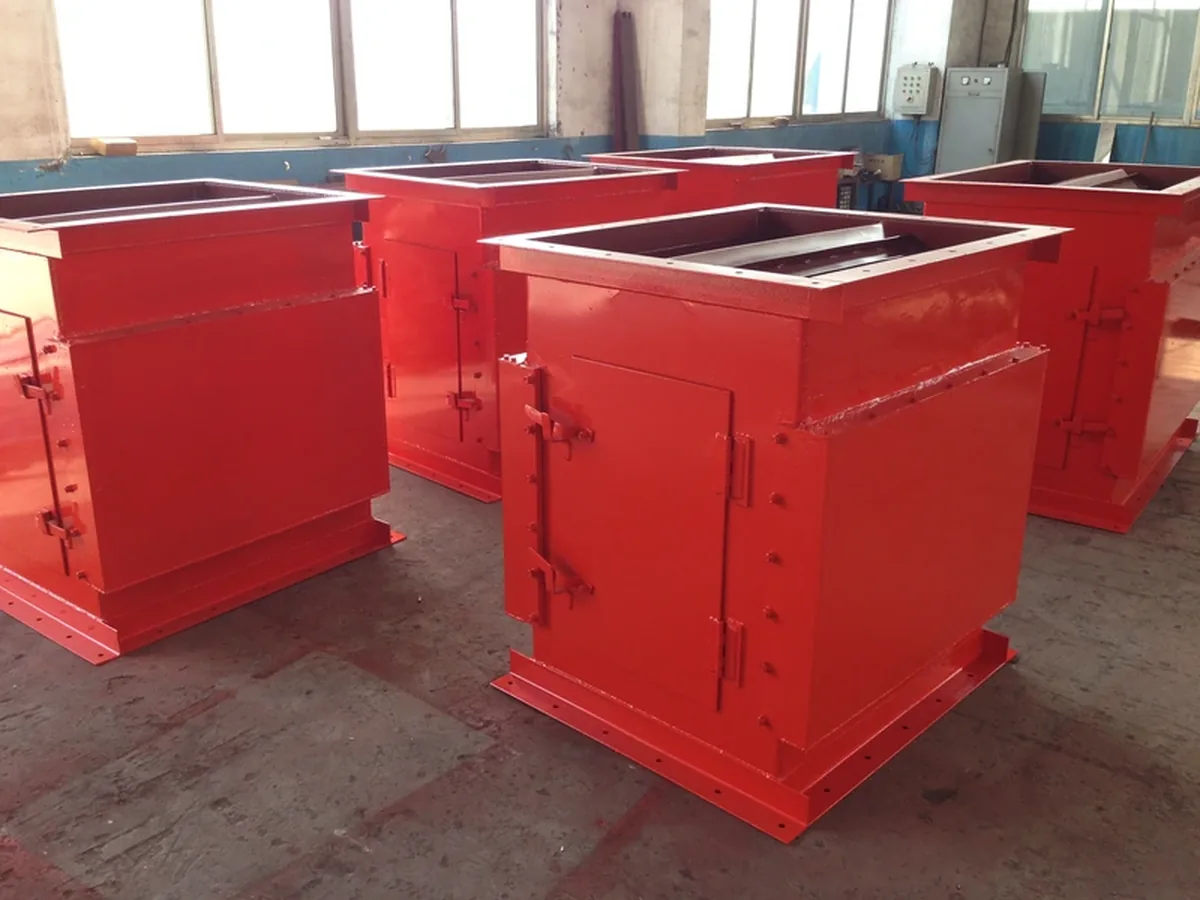
Pipeline magnetic separator family configurations for line integration and service access. Pipeline separator family configurations for line integration. Installation dimensions come from the approved project drawing.

Connection and Installation Details We Confirm

Inlet Shape

We define the inlet from the real upstream opening. Round, square or rectangular geometry depends on the line that the separator must join.

Outlet Shape

The outlet is matched to the downstream chute, hopper or process connection so material can leave the separator cleanly.

Connection Layout

Flange or other connection details are taken from the project drawing instead of assumed from a generic catalog size.

Flow Direction

We confirm whether the material falls vertically or at an angle because the direction affects material presentation and available space.

Service Side

We confirm which side can be opened for cleaning, inspection and removal of captured metal.

Available Height

The separator must fit between the equipment above and below it while keeping enough room for safe cleaning and maintenance.

Pipeline magnetic separator access arrangement for cleaning and maintenance planning. Access arrangement for planning cleaning, inspection and service clearance.
Cleaning, Maintenance & Safety

How RCYA and RCYG Handle Cleaning and Iron Discharge

The current Corvelan range gives two clear cleaning routes. RCYA1 / RCYA2 use permanent magnets with manual access for removing captured iron. RCYG uses a geared-motor cleaning mechanism for continuous automatic iron removal. We choose between these routes from material type, expected iron loading, allowed downtime, installation angle and available service space.

  • RCYA1 / RCYA2 permanent route: manual access and cleaning; published technical specifications list RCYA1 for lump / granular material and RCYA2 for powder.
  • RCYG continuous automatic route: geared-motor cleaning mechanism with a 380 V supply in the current model specifications; motor power is model-dependent.
  • Wear and access: allow enough room to inspect build-up, open access points, service moving parts where fitted and remove collected metal.
  • Project compliance: food contact, sanitary finish, pressure rating, IP rating, CE, ATEX or other compliance status is only stated when verified for the actual project.
Safety note: strong magnetic fields can pull in iron or steel tools and parts. Driven equipment can also add rotating and electrical hazards. Isolation, guarding and work procedures must match the actual machine and site.
Validate

How We Check the Separator Before Final Approval

Before final approval, we agree on what each check needs to prove. Engineers may call this the acceptance check. The drawing confirms fit. A defined magnetic measurement checks the magnetic condition. A function check confirms the cleaning or drive system. A material trial is used when the result depends on the actual product.

Dimensions and Fit

Confirm the inlet, outlet, mounting, access and maintenance space against the approved project drawing.

Magnetic Check

If magnetic flux density is part of the check, measure it at a defined point and distance with a defined probe direction and method.

Function Check

For driven equipment, check the direction, movement, cleaning or discharge action, controls and relevant safety functions.

Material Trial

If the result depends on the real product, use material that closely represents the actual process. Record the test conditions at the same time.

A sample or factory test shows what happened under the recorded test conditions. It does not guarantee the same result under every production condition.

Drawings, Inspection and Material Testing

What Should Support the Final Separator Specification?

We confirm installation dimensions in the drawing, specified magnetic measurements during inspection, and material performance through testing when required. We use the same Drawings, Inspection and Material Testing structure commonly expected for industrial magnetic separation projects, while the exact evidence package is confirmed for the Corvelan project scope.

Approved Drawing

Supports inlet, outlet, mounting, clear opening, service space and other agreed dimensions.

Magnetic Measurement

Supports a defined magnetic condition only when the measurement point, distance, probe direction and method are recorded.

Functional Check

Supports movement, cleaning, discharge or controls where those functions are part of the selected separator.

Material Trial

Supports a separation result only for the recorded sample, separator setup and operating conditions used in the test.

Evidence rule: a drawing does not prove magnetic performance, a Gauss reading does not prove separation efficiency, and a sample trial does not prove every production condition. The check must match the claim.
Trust

Why Work With Corvelan for Pipeline Magnetic Separation

Corvelan matches the magnetic design to your material, the real line layout and the way you want the finished separator checked. We do not choose a separator from one Gauss number alone.

Built Around Your Material

We size the separator around your material, the unwanted metal, required throughput and the actual separation point.

You receive: a project basis tied to the real material and contamination target.

Built to Fit Your Line

We define the inlet and outlet, clear opening, maintenance space and cleaning or metal-discharge method around your line layout.

You receive: connection and installation details for the project drawing.

Clear Check Plan

We confirm whether the project needs a drawing check, magnetic measurement, function check or material test.

You receive: a clear inspection scope instead of one vague performance claim.

From RFQ to Drawing

We turn the process information you send into the details needed for the project drawing and quotation.

You receive: a defined technical basis for the next commercial step.

Terminology

Pipeline Magnet, Pipe Magnetic Separator, Inline Magnetic Separator and Magnetic Trap: Are They the Same?

These names can overlap in the market, but they do not always describe the same machine. A pipeline magnet, pipe magnetic separator or inline magnetic separator may be used for dry bulk, pneumatic, liquid or slurry service depending on the supplier and the process.

On this page, Corvelan uses pipeline magnetic separator for a dry-bulk, gravity-flow separator installed in an enclosed chute, spout or transfer line. Liquid magnetic traps, slurry separators and pressure pneumatic separators need different flow, sealing, pressure and cleaning reviews.

Choose the equipment from the material and process condition first, not from the product name alone.

FAQ

Pipeline Magnetic Separator FAQ

What is a pipeline magnetic separator?

A pipeline magnetic separator removes unwanted iron and steel from dry material as it moves through an enclosed chute, spout or gravity transfer line. This unwanted metal is called ferrous contamination, and the active capture area is called the magnetic working zone.

What materials are a good fit?

This page covers dry powders, granules and small bulk solids that move through an enclosed gravity-fed or chute-style transfer point. Corvelan checks how the material flows, particle size, moisture, bulk density, required throughput and clear opening before we define the final design.

Can Corvelan customize the inlet and outlet for my existing line?

Yes. Send us your line dimensions, drawing or clear photos. We use the real line size, flow direction, available height and maintenance space to match the inlet, outlet and layout before quotation.

Should I choose manual cleaning or a self-cleaning setup?

Corvelan offers both routes in the current series. RCYA1 / RCYA2 use permanent magnets with manual access for cleaning. RCYG uses continuous automatic iron removal with a driven cleaning mechanism. We choose the route from material type, iron loading, allowed downtime, installation angle and service space.

Does a higher Gauss value always mean better separation?

No. Gauss describes magnetic flux density at a defined measurement point. The actual separation result also depends on working distance, feed depth and material flow. Metal size, magnetic response, field change with distance and the removal method also matter.

What is the difference between a gravity-flow pipeline separator and a pneumatic pipeline separator?

A gravity-flow separator handles material that falls through the housing by gravity. A pneumatic pipeline separator works inside a pressure or vacuum conveying line, so air speed, pressure, sealing and connection design become additional engineering requirements. Liquid and slurry lines need a separate wet-line magnetic separator route.

What should I send Corvelan for quotation?

Start with the material, the metal you need to remove, normal and peak throughput, and the installation condition. If available, also send particle size, moisture or bulk density, and the expected amount of iron. Inlet and outlet dimensions, available space, temperature, cleaning preference, and a line drawing or photo are also useful.

Is a pipeline magnetic separator the same as a magnetic trap?

Not always. The names can overlap, but many magnetic traps are made for liquids or pressure lines. This page covers a dry-bulk gravity-flow separator. The material and process condition should be checked before the equipment name is used to choose a design.

Do I need to know the required Gauss before asking for a quotation?

No. Start with the material, metal to remove, throughput and line conditions. If a Gauss value is later used as a project check, Corvelan will also need the measurement point, working distance and test method so the value can be understood and repeated.

Project Process

What Happens After You Send the Application?

You do not need a finished specification before contacting us. We use the application data to narrow the separator type first, then turn the confirmed information into a buildable project scope.

1

Application Review

We check the material, unwanted metal, throughput and installation conditions.

2

Separator Route

We confirm whether this dry-bulk pipeline separator is the right starting design or whether another separator type fits better.

3

Project Details

We confirm the remaining dimensions, flow opening, cleaning method, service access and project-check requirements.

4

Drawing & Quotation Basis

The confirmed information becomes the basis for the project drawing and quotation.

RFQ

What Should You Send for Selection and Quotation?

You do not need a complete specification to contact us. Start with four items. Corvelan uses them to choose the right separator type and confirm any missing details needed for the drawing and quotation.

You do not need to know the required Gauss before contacting us. Start with the material, metal to remove, throughput and installation condition. We use those details to identify what magnetic and mechanical information still needs to be defined.

Start with these 4

  1. Material: name, physical form and flow behavior.
  2. Metal to remove: tramp iron, steel fragments, fine iron or another magnetic target. Engineers may call this the target contaminant.
  3. Throughput: normal and peak flow rate for the material.
  4. Installation / process condition: gravity chute, enclosed transfer point, available space and line direction.

If available, also send

  • Particle-size range and largest pieces
  • Moisture, bulk density and caking tendency
  • Expected amount of iron and preferred cleaning method
  • Inlet/outlet dimensions or a line drawing
  • Temperature, pressure or dust/environment conditions
  • Product-contact material, finish, required documents or how you want the unit checked before approval

Start with what you know: if some values are still unknown, send the material and line information you already have. We will identify the missing points that matter before the drawing and quotation are finalized.

Next Step

Send Your Separation Requirement

Send the material, the metal you need to remove, throughput and installation condition you already have. We will use that information to choose the right separator setup and confirm what is still needed before drawing and quotation.

Get An Instant Quotation Now