Tramp Metal Detection for Bulk Conveyors

LJT-A Conveyor Metal Detector for Bulk Material Conveyors

Detect unwanted metal, often called tramp metal, before it reaches crushers or other equipment further down your line. The LJT-A range covers belt widths from 500 to 2000 mm. We help you choose the right frame size based on your conveyor, material and the metal you need to detect.

What It DoesDetects unwanted metal on a belt conveyor.
Belt Widths500–2000 mm across nine LJT-A frame sizes.
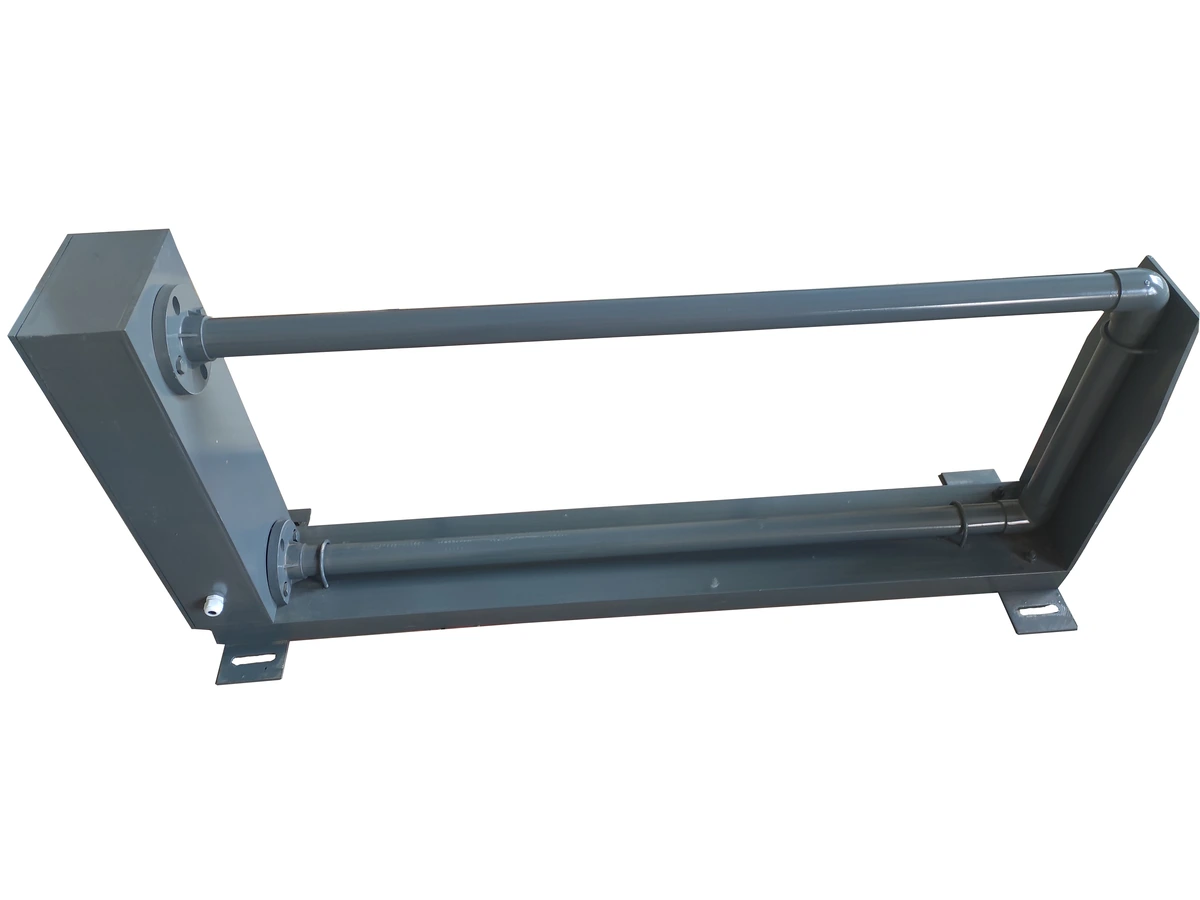
How It InstallsA frame-style sensing structure sits around the conveyor path.
What We CheckMaterial, target metal, material depth, belt, speed and installation area.
Metal RemovalDetection only. Removal or line action is handled separately.
What to Send FirstBelt width, material, target metal and material depth.
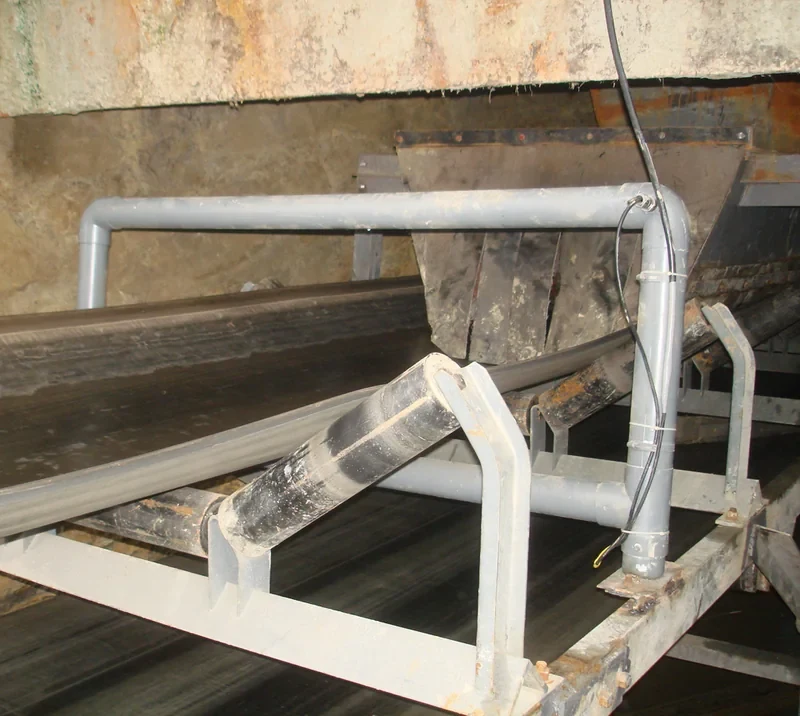
LJT-A conveyor metal detector sensor frame for a bulk material belt conveyor

Quick Fit

Is the LJT-A Right for Your Conveyor?

The LJT-A is made for bulk-material belt conveyors where unwanted metal could reach crushers, screens, mills or other equipment further down the line. Belt width tells us which frame size to start with, but it is not the only thing that matters.

A Good Starting Point

Your belt width is known, you know what unwanted metal is a concern, and you want to detect it before it reaches equipment further down the line.

What You Should Check First

Tell us the material, target metal, material depth and belt speed. Also tell us the belt and splice type, available space and what the line should do after detection.

When We Need More Information

Tell us if the material is strongly mineralized or conductive, the belt contains steel, vibration is severe, or the target metal is very small.

Tell Us What Is on the Belt

Material name, particle or lump size, moisture and normal material depth help us understand the conveyor condition. If the material is strongly mineralized or electrically conductive, include that too.

Tell Us What Metal You Need to Find

Send the metal type if known and the smallest or most damaging piece that matters. A photo next to a ruler, dimensions or a sample can make the requirement easier to understand.

Detection is not automatic removal. The LJT-A detects metal and provides a signal. Your line still needs a defined next step, such as an alarm, belt stop or removal process. If you need continuous ferrous-metal removal, a magnetic separator may be the better route.

Working Principle

How Does a Conveyor Metal Detector Work?

A conveyor metal detector creates an electromagnetic detection area around the belt. Engineers often call this the sensing zone. When metal passes through this area, the detector sees a change in the signal.

The LJT-A uses a frame-style sensing structure around the conveyor path. The detector does not work alone. The conveyor around it can change the result.

The size and type of metal matter first. The depth of material on the belt also matters. Steel near the detector, belt construction, vibration and electrical interference can also affect the signal.

Tell us what you want the conveyor to do after metal is detected. For example, you may need an alarm, a belt stop or a signal sent to another system.

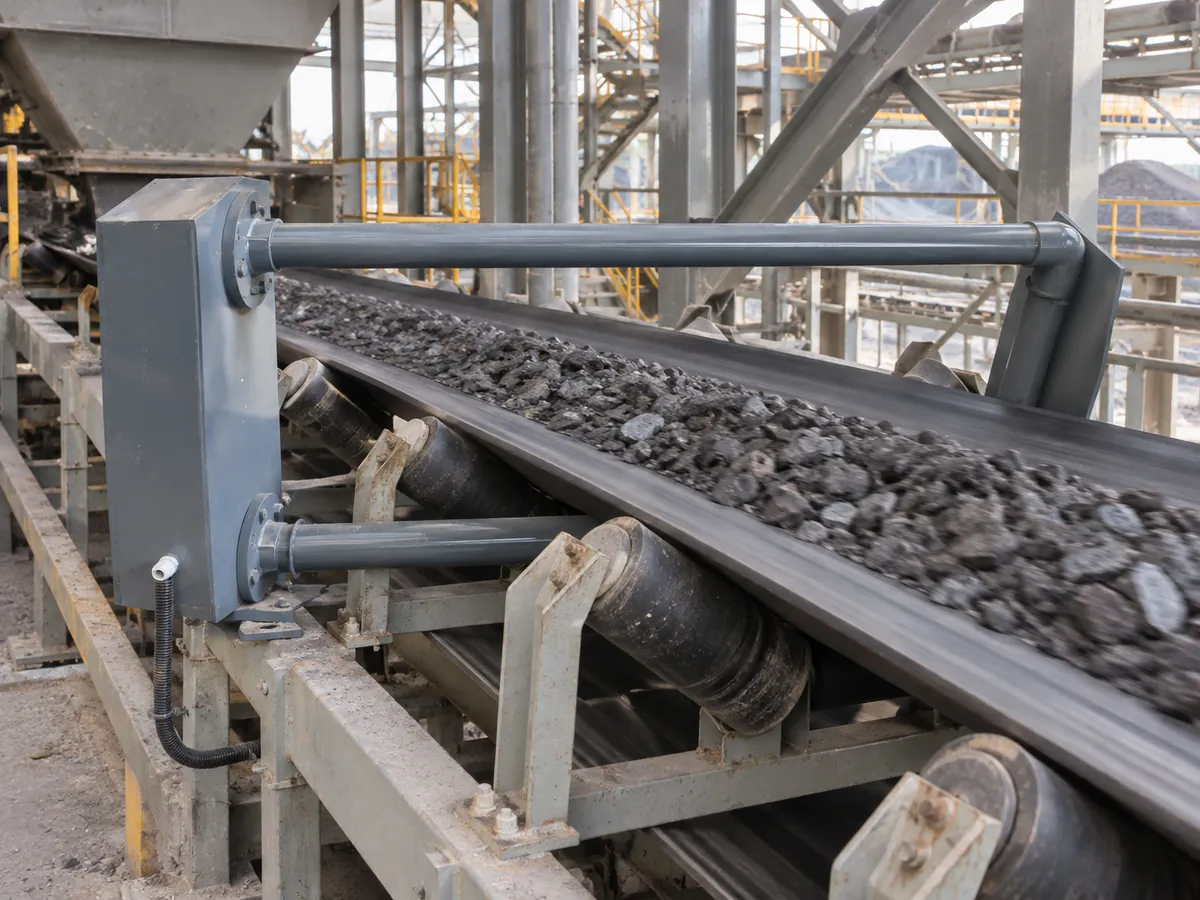
Representative industrial conveyor metal detector installed around a bulk-material belt conveyor in operation

Detection Response

What Happens After Metal Is Detected?

The detector identifies the metal, but your conveyor still needs a clear response. The exact response depends on the control setup used on your line.

1

Metal Enters the Detection Area

The target travels with the bulk material through the sensing area around the conveyor.

2

The Detector Sees a Signal Change

The sensing system identifies a change caused by the metal target.

3

The Line Uses the Detector Signal

Common line actions include an alarm, belt stop, event marking or a signal to another control system.

4

The Metal Is Removed or Investigated

Detection tells the line that metal is present. The removal method is a separate part of the process.

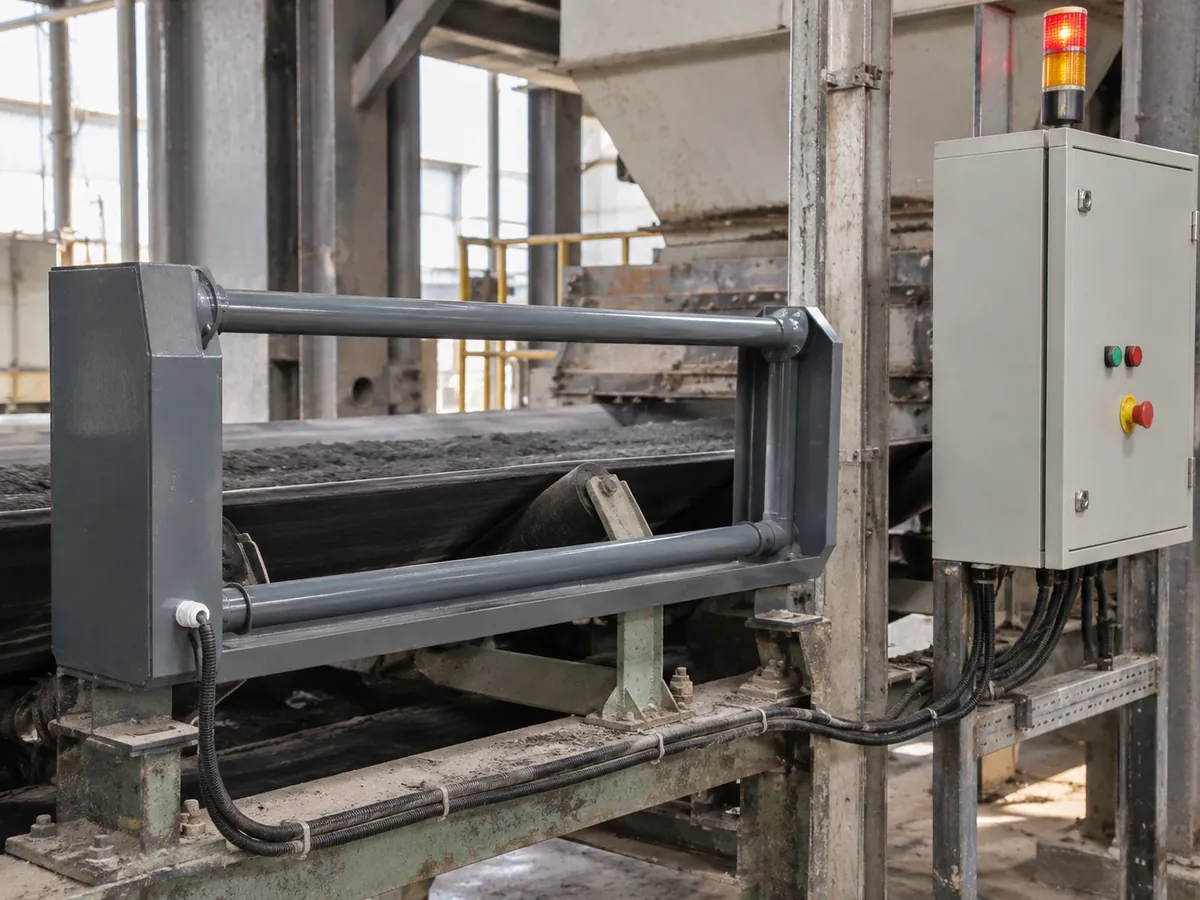
Representative conveyor metal detector installation beside an industrial control cabinet and alarm beacon
Common industry practice Conveyor metal detector systems often connect detection to an alarm, belt stop, marking device or downstream control action. The exact LJT-A outputs and connected devices must be confirmed for the setup supplied for your project.

Performance Factors

What Can Change Metal Detection Performance?

Belt width helps us choose the frame size. It does not tell us the final detection result. Detection depends on the target metal and the conveyor conditions around the sensing zone.

Target Metal

A large metal piece is usually easier to find than a very small one. Shape, position and metal type also change the signal. Send a photo, dimensions and metal description when possible.

Material Depth — Burden Depth

The depth of material on the belt is often called burden depth. A metal piece buried deep in the load may behave differently from one closer to the detector. Tell us the normal and maximum depth.

Material Condition

Some materials can affect the detector signal even when no unwanted metal is present. Wet, conductive or highly mineralized material can change the background signal.

Belt & Splice

Metal inside the belt can also affect detection. Tell us if the belt uses steel cords, metal clips, metal fasteners or a metal-containing splice.

Belt Speed

Belt speed changes how long the metal target stays inside the sensing zone. Send us the normal and maximum operating speed.

Installation Area

Vibration, moving metal, nearby steel and electrical interference can affect the signal. Photos of the planned installation area are useful.

Models & Dimensions

LJT-A Models for 500–2000 mm Conveyor Belts

Corvelan offers nine LJT-A frame sizes for belt widths from 500 to 2000 mm. Start with belt width, then check the real conveyor cross-section, trough shape and available mounting space before the drawing is confirmed.

How to Use This Table

Start with your belt width to find the nearest LJT-A frame size. Then check the conveyor cross-section, trough shape and available mounting space. Belt width helps with frame sizing, but it does not confirm the final detection result.

ModelBelt Width (mm)L (mm)W (mm)H (mm)D (mm)
LJT-A-5500800200510300
LJT-A-6.5650990200510300
LJT-A-88001190200610400
LJT-A-1010001400200610400
LJT-A-1212001580200710500
LJT-A-1414001860200760550
LJT-A-1616002080200760550
LJT-A-1818002300200840630
LJT-A-2020002500200910700
Example: If your belt is 1200 mm wide, LJT-A-12 is the starting frame size in the current table. We still need to check the conveyor profile, installation space and the metal you need to detect before the final drawing is confirmed.
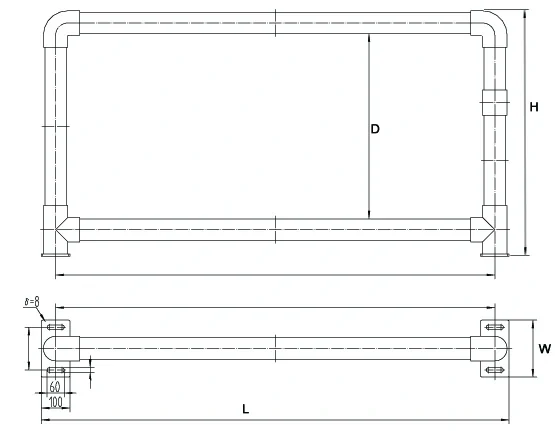
LJT-A conveyor metal detector outline drawing showing L, W, H and D dimension references

The L/W/H/D values above are the current LJT-A outline dimensions. Use them for an early space check. Final mounting still depends on your conveyor shape, support steel, access and the approved project drawing.

What to Check After Belt Width

What to checkWhy it mattersWhat to send us
Conveyor fitConfirms the starting frame size and available installation space.Belt width, trough profile and conveyor cross-section.
Target metalDefines what the detector needs to find.Metal type, size, shape and a photo or sample if available.
Operating conditionMaterial depth, belt speed and belt construction can change detection.Normal burden depth, speed, belt and splice details.
Required line responseThe detector signal must connect to the action your line needs.Alarm, belt stop, marking or another required action.

Detection or Removal?

LJT-A Metal Detector or Magnetic Separator?

Use a metal detector when you need to know that unwanted metal has entered the line. Use a magnetic separator when the main goal is to remove magnetically responsive metal from the material stream. Some conveyor lines use both.

QuestionConveyor Metal DetectorMagnetic Separator
Main jobDetect unwanted metal on the conveyor.Capture and remove suitable magnetic metal.
Ferrous metalCan be a detection target. The result depends on the target and conveyor conditions.Can be attracted and removed when the magnetic field, working distance and material conditions are suitable.
Non-ferrous metalMay be detectable depending on the detector, target and operating conditions.A standard magnetic separator does not attract ordinary non-ferrous metal such as aluminum or copper.
What happens next?The line needs a defined alarm, stop, marking or other response.Suitable magnetic metal is removed by the separator design.
What should you send us?Target metal, belt width, material depth, belt and installation details.Material, magnetic contamination, burden depth, working distance and installation details.

Which Route Should You Check First?

Your SituationWhat to Do Next
Belt width and target metal are knownStart with the matching LJT-A frame size and check the conveyor layout.
The target metal is very smallDefine the smallest important target before ordering.
Material depth changes a lotSend the normal and maximum burden depth.
The belt contains steel cords, metal clips or a metal spliceSend the belt and splice details before the setup is confirmed.
The material is strongly mineralized or conductiveUse representative material conditions when checking detection.
You need continuous removal of ferrous metalCheck a magnetic separator route.
You need both detection and removalCheck both technologies as part of the same conveyor protection plan.
Installation space is tightSend a side view and conveyor cross-section before the frame is confirmed.

Installation Checklist

What Should You Check Before Installation?

Check the conveyor, available space, surrounding equipment and required control action before the detector position is fixed.

Conveyor

  • Belt width
  • Trough profile
  • Normal and maximum material depth
  • Idler position
  • Belt and splice type

Space

  • Room around the detector
  • Nearby support steel
  • Installation access
  • Future inspection access

Environment

  • Vibration
  • Moving metal near the sensing area
  • Electrical interference
  • Material buildup or impact risk

Controls

  • Control equipment location
  • Alarm or belt-stop requirement
  • Signal to another control system
  • How metal will be removed or located
Common industry practice Steel-cord belts, metal splices, nearby moving steel, vibration and electrical interference are common conditions that can affect conveyor metal detection. Tell us about these conditions before the detector position is finalized.

If you are adding the LJT-A to an existing conveyor, send a side view and conveyor cross-section. A photo of the planned installation area also helps.

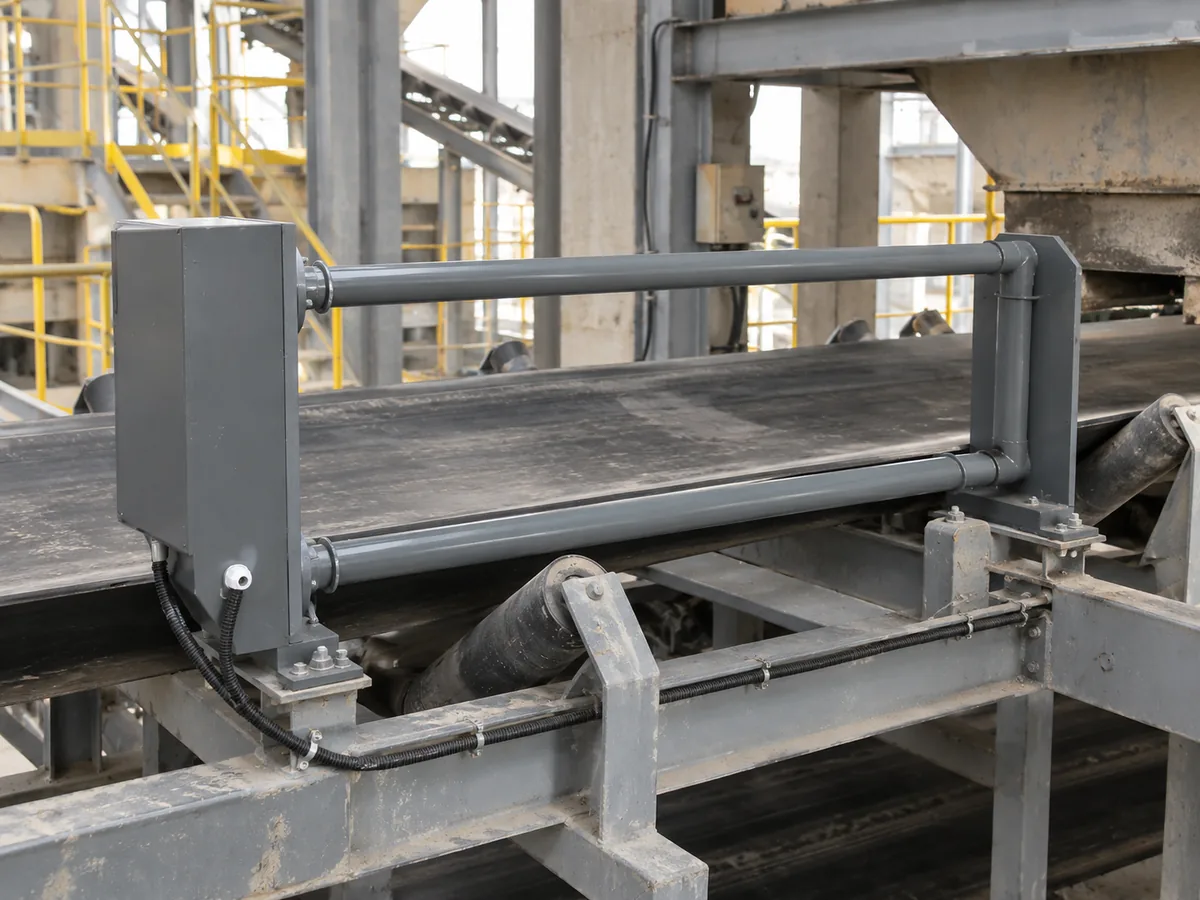
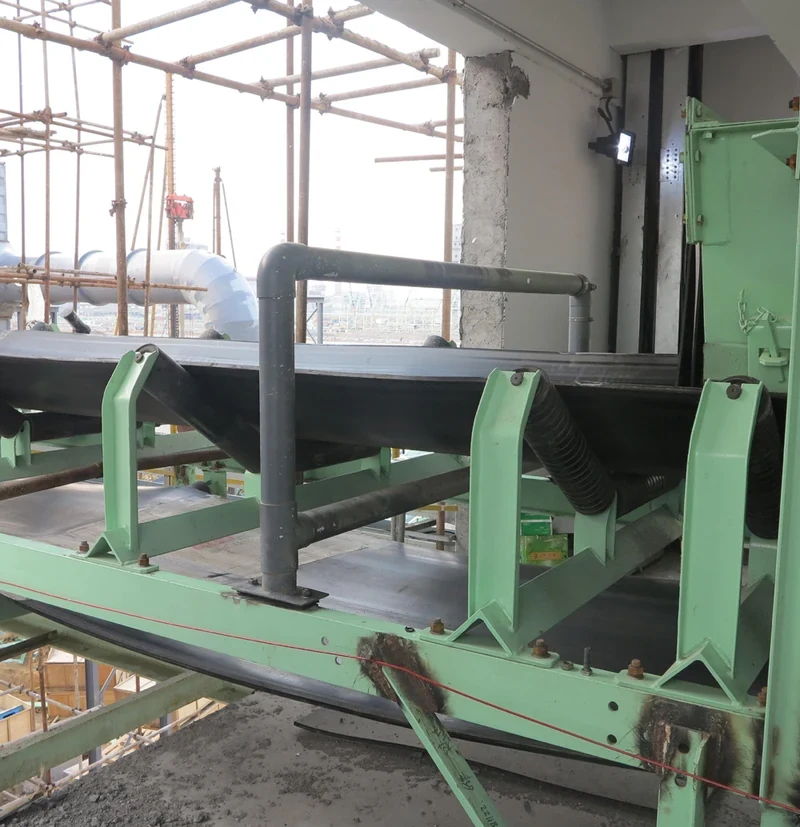
Representative conveyor metal detector installation showing the detector frame, belt supports and cable routing
Frame-style conveyor metal detector installed around a bulk-material belt conveyor

Installation reference — the final position depends on your conveyor shape, nearby steel, access and the approved project drawing.

Conveyor metal detector frame shown on an industrial belt conveyor installation

Installation reference — use this image to understand the frame position. We still need the real conveyor dimensions and support layout before mounting is confirmed.

Troubleshooting

Why Can a Conveyor Metal Detector Give Unexpected Signals?

Unexpected signals do not always mean there is tramp metal in the material. Metal in the belt, nearby steel, vibration, electrical interference or changing material conditions can also affect the sensing area.

What you noticeWhat to check firstWhy it matters
A signal repeats at the same belt positionBelt splice, clips, fasteners or steel cordsMetal that returns with every belt revolution can create a repeating signal.
Signals started after conveyor steelwork changedNew beams, brackets, chutes or moving metal near the detectorNearby metal can change the sensing condition around the detector.
Signals appear during strong vibrationDetector mounting, supports and nearby idlersMovement can change the electrical or mechanical condition seen by the sensing system.
The signal changes with the materialMoisture, mineral content and material depthThe material background can change even when the metal target stays the same.
Signals appeared after electrical workCable routing and nearby electrical equipmentElectrical interference can affect the detector signal.
A small target is not repeatableTarget position, orientation and burden depthA small target buried deep in the load creates a harder detection condition.
Use this as a first check, not a universal fault code. The exact diagnostic procedure depends on the detector electronics and control setup supplied for the project. Record when the signal occurs and send us photos of the belt, splice and installation area.

How We Help

How We Check the LJT-A for Your Conveyor

We start with the frame size, then check the target metal and the real conveyor conditions. The goal is to identify the right starting size and the items that still need to be confirmed before quotation.

1. Check the Conveyor

Send the belt width, trough shape, material depth, belt speed and available installation space.

2. Define the Metal Target

Tell us the metal type and smallest important piece. A photo next to a ruler, dimensions or a sample can help.

3. Confirm Installation & Response

We check the belt and splice, nearby steel, vibration, access and what the line should do after detection.

If detection is critical: define a real target piece and a clear pass condition before ordering. Check it under representative material depth, belt speed and normal conveyor conditions, and confirm the required alarm or interlock action.

FAQ

LJT-A Conveyor Metal Detector FAQ

What is the LJT-A Conveyor Metal Detector?

The LJT-A is a metal detector designed for bulk-material belt conveyors. A frame-style sensing structure sits around the conveyor path and detects unwanted metal passing with the material. The range includes nine frame sizes for belt widths from 500 to 2000 mm.

Does the LJT-A remove metal from the conveyor?

No. The LJT-A detects metal; it does not remove it by itself. Your line can use the detector signal for an alarm, belt stop or another action, depending on the final setup.

What belt widths are available for the LJT-A series?

The LJT-A range covers 500, 650, 800, 1000, 1200, 1400, 1600, 1800 and 2000 mm belt widths. The model table above shows the matching L/W/H/D outline dimensions.

Can the LJT-A detect ferrous and non-ferrous tramp metal?

Metal type alone does not determine the result. Ferrous (iron-containing) and non-ferrous targets can behave differently. Exact detectability depends on target size, shape, position, material depth, belt construction and the installation area. Send us the metal type and smallest target size you need to find so we can check the requirement with you.

Can the LJT-A be added to an existing conveyor?

Yes, an existing conveyor can be checked for LJT-A installation. Send the belt width, conveyor cross-section, available space, belt and splice type, nearby steel and access conditions. We can then check whether there is enough space around the conveyor for the detector and its supports.

What affects conveyor metal detector sensitivity?

The main factors are the metal target, material depth, material condition, belt and splice type, belt speed, vibration, nearby moving metal and electrical interference. These conditions can change the detector signal, so they should be checked together.

How should detection be checked before acceptance?

Use a real target piece under conditions that represent normal operation. Check it with the normal material, material depth, belt and speed. Also confirm that the required alarm or interlock action works as expected.

What should I send for an LJT-A quotation?

Start with the material, target metal, belt width, material depth, conveyor speed and what you want the line to do after detection. If available, also send throughput, particle size, moisture, belt and splice details, target dimensions, conveyor drawings or photos, site conditions and destination.

What happens after the LJT-A detects metal?

The detector signal needs to be connected to the action defined for your line. Common actions include an alarm, belt stop, event marking or a signal to another control system. The exact LJT-A outputs and connected devices must be confirmed for the setup supplied for your project.

What is the difference between a conveyor metal detector and a magnetic separator?

A conveyor metal detector tells you that unwanted metal has entered the line. A magnetic separator physically captures suitable magnetically responsive metal. If you need both detection and continuous ferrous-metal removal, the two technologies can be checked together.

Can belt splices or steel in the conveyor affect metal detection?

Yes. Steel cords, metal clips, metal fasteners, nearby moving steel and some splice designs can affect the detector signal or the installation position. Send the belt and splice details before the LJT-A setup is confirmed.

RFQ

Send These 4 Details for LJT-A Sizing

Start with these four items:

  1. Material: What is on the belt?
  2. Target metal: What metal do you need to find, and what size matters?
  3. Conveyor: What is the belt width and normal material depth?
  4. Operating condition: What is the belt speed, and what should happen after detection?

Other Details That Help

Throughput, particle or lump size, moisture, belt and splice type, target-metal dimensions, conveyor cross-section, installation photos, available space, site conditions and destination can all help.

If you have a conveyor drawing or photo, send that too. We use this information to check the LJT-A frame size, installation conditions and the next step for your quotation.

Get An Instant Quotation Now