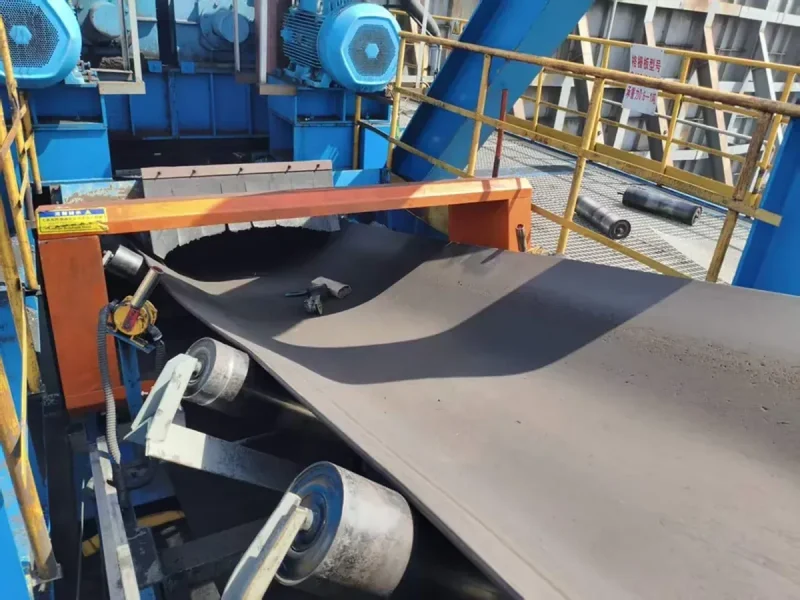
A magnetic drum creates a separate separation stage, a magnetic head pulley separates at the conveyor discharge, and an overband magnet lifts iron out from above the belt. Choose the machine around where the iron can move out of your material and where it can discharge without mixing back in.
For a magnetic drum vs magnetic head pulley comparison, start with the feed arrangement. A usable conveyor head often favors a pulley. A separate, controlled feed can favor a drum. Choose an overband when iron needs to leave the belt from above, especially before a vulnerable machine.
This comparison covers dry bulk handling and the removal or recovery of iron and steel. Unwanted iron pieces are often called tramp iron; iron-based metal that responds strongly to a magnet is called ferrous metal.
What is the difference between a magnetic drum, head pulley and overband magnet?
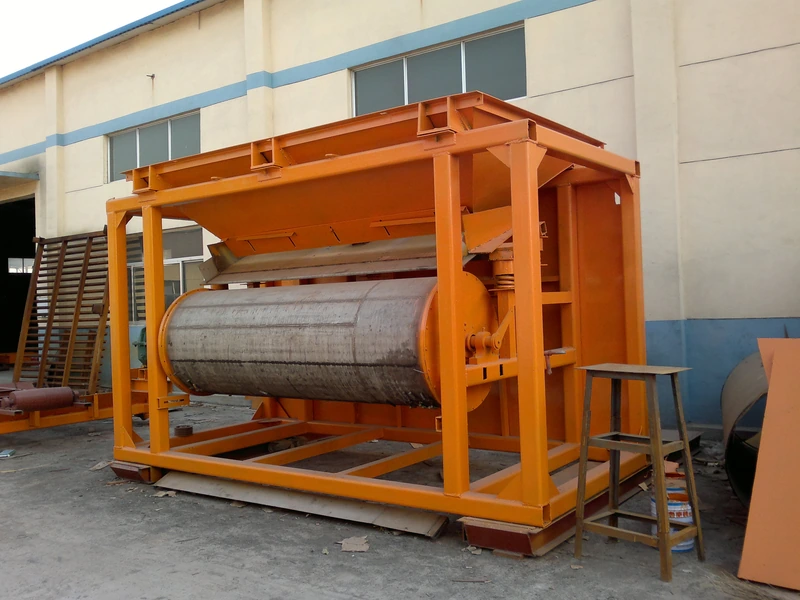
The main difference is how the material reaches the magnet: directly onto a drum, over a conveyor head pulley, or beneath a suspended overband. That changes the distance to the iron, the way the iron moves, and the work needed to connect the separator to your line.
| What you compare | Magnetic drum | Magnetic head pulley | Self-cleaning overband magnet |
|---|---|---|---|
| Installation | A separate separator at a feeder, chute or transfer | The conveyor head or discharge end | Above the belt or discharge area |
| Material presentation | Feed directed onto or through the drum’s working area | Material carried over the pulley on the conveyor belt | Material travels below the suspended magnet |
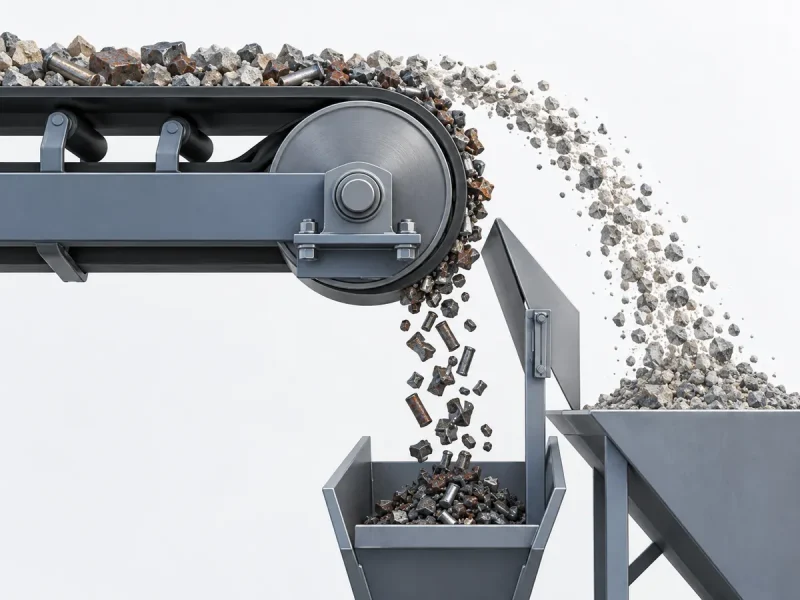
| Iron movement | Held against the rotating shell and carried to a separate outlet | Held to the belt as it wraps around the pulley | Lifted out of the material and carried away by a cleaning belt |
| Main integration work | Feed control, support, drive and two outlets | Pulley, shaft, bearings, drive and discharge arrangement | Suspension structure, clearance and iron discharge space |
| A useful starting point | A controlled stream needs continuous ferrous separation | The existing conveyor head is a practical separation point | Iron must be removed from above a conveyor |
How does each separator discharge the iron?
All three need a clear iron outlet; attracting the metal is only the first part of separation. The captured iron must leave the magnetic holding area and reach its collection point without returning to the product.
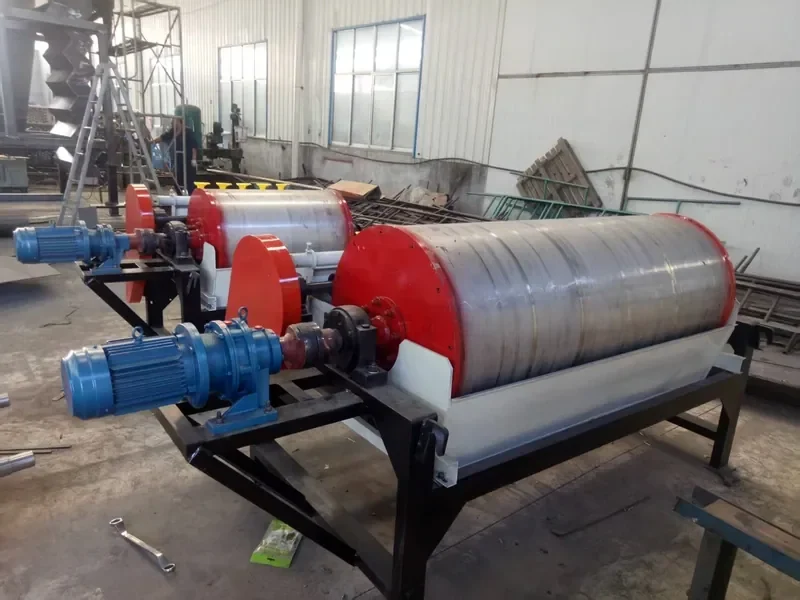
In a common dry drum design, a stationary magnet sits inside a rotating shell. The shell carries captured iron around the drum while the non-magnetic material leaves by another path. A divider, often called a splitter, keeps those streams apart.
A head pulley holds magnetic pieces against the conveyor belt as other material falls away. The iron follows the belt farther around the pulley and releases below. The chute and splitter must accommodate both paths.
A self-cleaning overband has its own short belt running around the magnet. That belt carries the lifted iron beyond the holding area and drops it into a chute or bin. A manual-clean suspended magnet holds the iron until cleaning; it is a different operating arrangement.
When should you choose a magnetic drum instead of a head pulley?
Choose a drum when you need a dedicated feed and separation stage. Start with a head pulley when the existing conveyor discharge can do the job and its mechanical connections can be matched. Neither choice is automatically better at recovering iron; the material and installation decide.
Choose a head pulley for a usable conveyor discharge
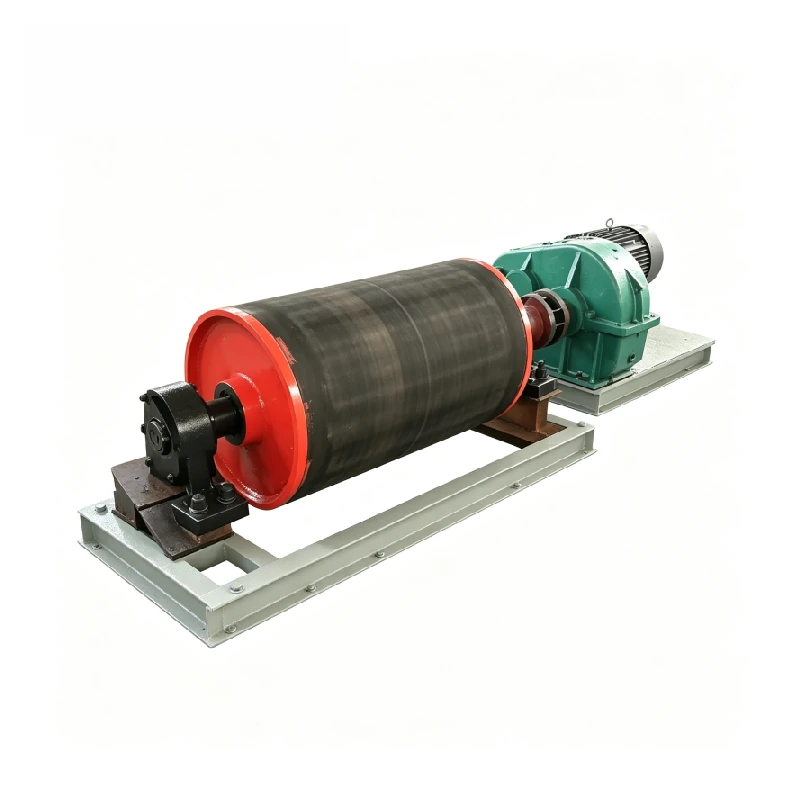
A head pulley is worth comparing first when your line already carries material to a suitable discharge point. It can add continuous ferrous separation without adding another transfer stage.
For example, suppose a dry aggregate conveyor already feeds a chute with enough room for a separate iron outlet. If the pulley, drive and belt can be matched, a magnetic head pulley offers a direct way to use that location. Adding a separate drum would also add another feed connection and support structure.
The decision changes if the head is boxed in, the captured iron would fall back into the product, or the drive cannot be adapted within the planned shutdown. In those cases, compare another installation point before selecting a pulley size.
Our magnetic head pulley separator page covers the conveyor dimensions and discharge details needed for that review.
Choose a drum when the feed needs its own separation stage
A drum is a stronger starting point when material can be metered across a separate working area. This lets you arrange the feeder, drum and splitter around the separation job rather than around an existing conveyor head.
Suppose a recycling line has a steady stream of liberated steel mixed with dry granules. If a feeder can spread that stream evenly, a drum gives the line a dedicated place to recover the steel continuously. Liberated means the steel is free from the surrounding material, rather than still attached to rubber, plastic or another part.
The feeder matters as much as the drum. Surges can overload part of the working area, while a large drop can damage a thin shell. Arrange the feed to reach the drum evenly and avoid heavy impacts. These points are also addressed in Eriez’s dry drum installation manual, in the installation guidance on feed control and the divider.
Compare our dry drum magnetic separator when a separate feed and two discharge paths fit your line. If you cannot create stable feed or sufficient outlet space, solve that layout problem before adding the drum.
When is an overband magnet the better choice?
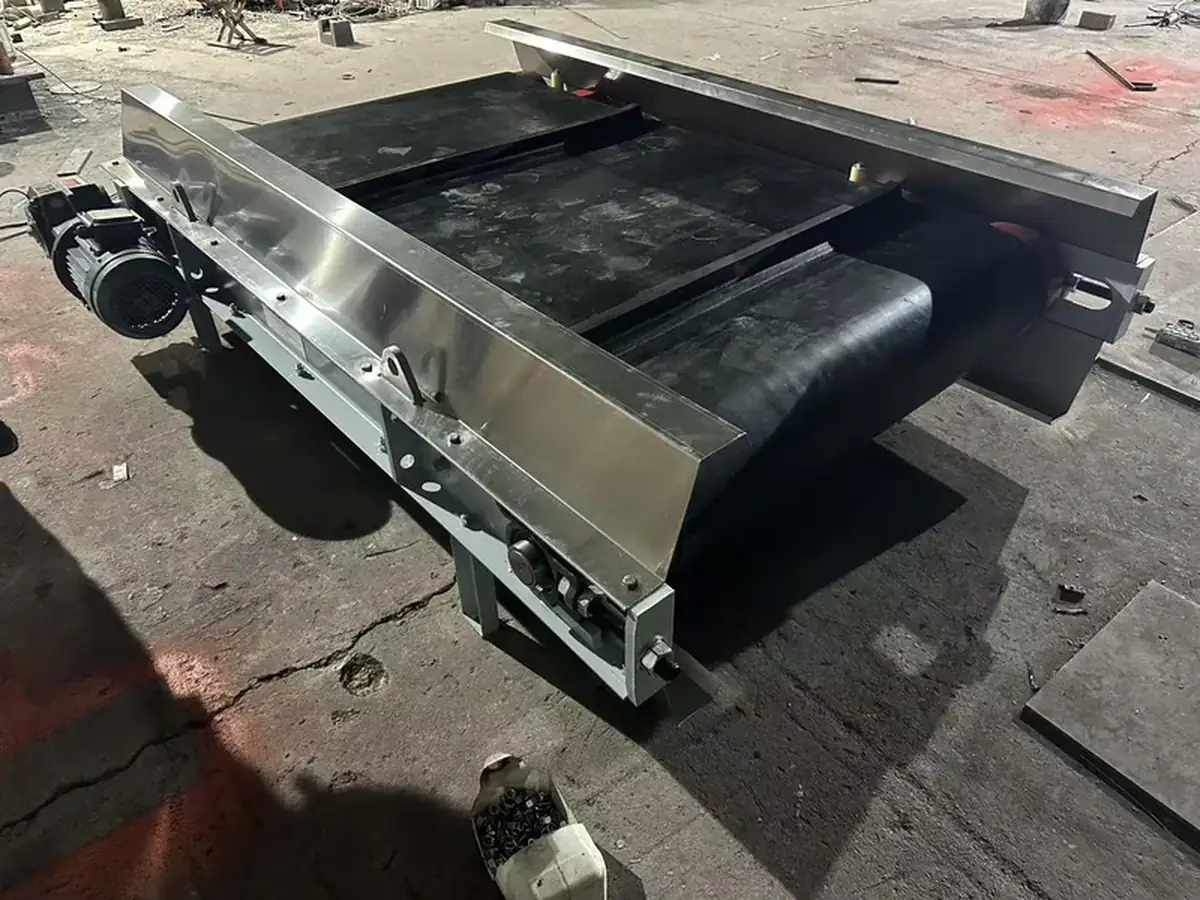
Choose an overband when iron can be lifted out from above the conveyor and discharged clear of the belt. It is especially useful when the iron must be removed before a crusher, shredder or other machine, or when replacing the existing head pulley is impractical.
The position must protect the equipment you care about. A separator after a crusher cannot remove a bolt before that bolt enters the crusher. Start by marking the machine to protect on the line drawing, then identify a workable separation point upstream.
An overband also needs enough room to move the captured iron away. If the iron is lifted but drops onto the far edge of the conveyor, the installation has failed to complete the separation. Magnet coverage, centering and the reject chute must work together. Bunting’s crossbelt installation guidance describes how suspension height, width and position can cause these problems.
Crossbelt or inline: which layout fits?
Use crossbelt mounting when a side discharge is practical; compare inline mounting when the conveyor head offers a workable forward discharge. Both need a magnetic arrangement selected for that position.
A crossbelt runs across the main conveyor and carries iron to one side. Check that the support frame, walkway or adjacent conveyor does not block that path.
An inline arrangement runs in the main direction of travel, often at the head. Material opening up as it leaves the belt can make the iron easier to reach, but the magnet and chute still need to follow the actual material trajectory. The available space may make one arrangement much easier to install and service.
Our overband magnetic separator covers permanent, self-cleaning options for these conveyor layouts. Recurring iron calls for enough discharge capacity; a cleaning belt that cannot clear the captured load becomes another bottleneck.
How do burden depth and iron position change the choice?
Iron near the top of a material layer is closer to an overband; iron near the belt is closer to a head pulley. A drum offers another way to present the material, but its feed depth and distribution still control how well targets reach the magnetic area.
The material layer on the conveyor is called the burden. Burden depth is its thickness. Record normal and peak depth where separation will occur, including any ridge down the center of a troughed belt.
For an overband, distinguish the clearance above the material from the full distance down to buried iron. A shallow air gap above a deep burden can still leave the bottom target far from the magnet. The iron must also move through surrounding material to reach the cleaning belt.
For a head pulley, include belt thickness and pulley covering, or lagging, between the magnetic system and the target. Iron at the top of a deep bed is farther away than iron lying near the belt. Sticky material may also follow the belt around and carry good material into the iron outlet.
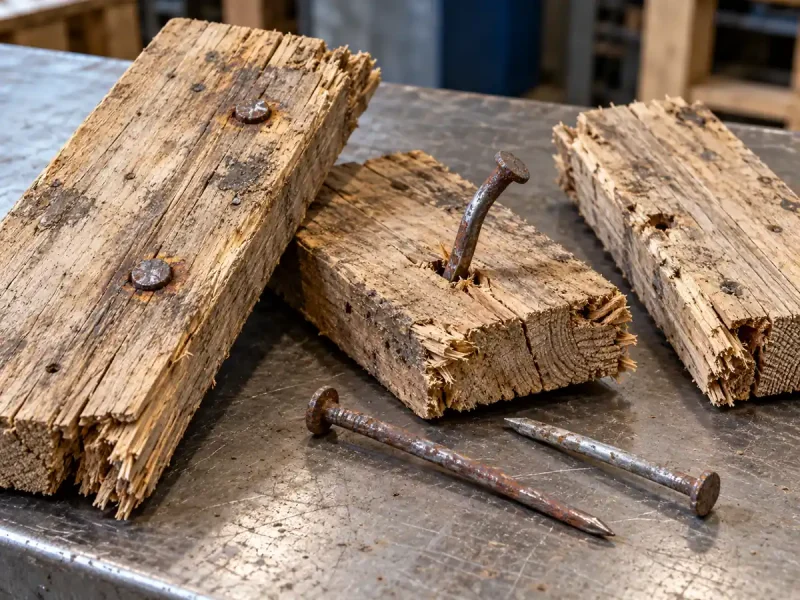
Consider two targets in the same load: an exposed steel piece on top and a smaller loose piece beside the belt. An overband may be the better first opportunity for the upper piece; a head pulley gives the lower piece a different opportunity. That is a reason to compare their positions or combine stages, rather than label one machine universally stronger.
Why can a higher Gauss reading still miss iron?
A surface Gauss reading does not describe the full capture job at the target’s actual location. Gauss measures magnetic flux density at a stated point. Capture also depends on the field’s change with distance, the target’s response, time in the field and resistance from surrounding material.
Compare readings only when their measurement positions are defined. Then compare the actual target under the planned belt speed, layer depth and feed condition. A metal piece resting against a magnet in a workshop gives a very different task from the same piece buried in moving material.
If a separator began missing iron after throughput increased, record the new burden profile first. If it began after a thicker belt or lining was fitted, review that added distance. Buying a higher headline Gauss value leaves those causes unresolved.
Should you combine separators or adjust the one you have?
Adjust the existing installation first when a change in feed, distance or discharge explains the problem. Add another separator when the remaining iron needs a different capture position or a separate recovery step. A second magnet should have a clear job.
What does an overband and head pulley combination add?
An overband can remove accessible iron from the upper part of the stream, while a head pulley can recover iron closer to the belt. This upper-and-lower arrangement is described in Goudsmit’s magnetic head pulley installation information.
Use the residual stream to decide whether the second stage is worthwhile. If the remaining iron is mainly loose material near the belt, compare a head pulley. If the next job needs a freshly spread feed after screening or size reduction, compare a separate drum at that point.
Design the two positions together. Each machine needs its own capture and release path. Review their magnetic interaction and nearby steelwork; placing two units close together without that review can change how iron holds and releases.
When should the existing separator stay?
Keep it when a practical correction restores the required result at normal and peak production. Use the observed failure to choose the correction:
Before measuring inside a guarded area, moving a splitter, clearing wire or adjusting a belt, isolate the relevant equipment against unexpected movement. Permanent magnets remain magnetic after the drives are isolated, so keep steel tools and loose ferrous objects controlled around them.
- Iron passes after the overband was raised: measure the new suspension position and restore the approved position if clearance allows. If normal production needs the greater clearance, reassess the magnetic reach for that height.
- Iron is captured, then appears downstream: follow the release path. Move or reshape the collection chute or splitter so iron cannot re-enter the product.
- Misses are concentrated at one belt edge: inspect centering and effective magnetic coverage before increasing magnet size.
- Misses occur only during feed surges: spread or meter the feed, then repeat the comparison at the required rate.
A complete change becomes more sensible when the required capture point is unavailable, the drive cannot fit, or discharge cannot cope with the iron load. Those are reasons to change the arrangement, even if the existing magnet still attracts exposed steel.
What changes the retrofit cost and maintenance work?
Compare the cost of a working installation: separator, feed connection, support, drives, outlets and planned shutdown work. A lower equipment price can lose its advantage when the conveyor or chute needs major changes.
| Separator | Work to include in the comparison | Parts and conditions to maintain |
|---|---|---|
| Head pulley | Diameter and face width; shaft, bearings, torque and drive connection; belt suitability; splitter and return-side iron collection | Belt tracking and wear, bearings, lagging, release path and collection chute |
| Dry drum | Feeder or feed gate; drum drive and support; inlet height; shell protection; separate product and iron outlets | Shell wear, bearings and drive, feed distribution and splitter position |
| Overband | Suspension structure; lifting and service access; working height; cleaning-belt drive; side or forward iron chute | Cleaning-belt tracking and tension, pulleys and bearings, mounting position and unobstructed discharge |
For a pulley retrofit, bring the existing head drawing and belt specification into the discussion early. Matching the face width alone leaves the shaft, drive load, belt construction and iron-release point unresolved.
For a drum, include the feeder and chute in the proposed supply or site-work list. A bare drum and a housed unit with a feeder are different purchases. For an overband, state who supplies the suspension frame and iron chute, and who checks their loads and clearances.
Ask each quotation to name the included guards, controls, interfaces and commissioning work. Then compare power demand, wear parts, cleaning access and shutdown needs over the same operating period. The best-value option is the one that meets your separation target with manageable installation and upkeep. There is no reliable price ranking based on the three equipment names alone.
How can you compare separation results before ordering?
Compare the options with representative material at the required throughput, then measure both recovered iron and lost good material. A successful lift test alone leaves feed surges, discharge and product loss unanswered.
Start with material that includes the particle sizes, moisture and iron shapes your line actually handles. Record normal and peak feed rate, burden depth, belt or drum speed, magnetic settings where adjustable, and splitter or discharge positions. Keep the feed and required result comparable; allow each machine to use a suitable setup and record those differences.
Agree the required result before the trial. Equipment protection may focus on defined damaging objects escaping. Ferrous recovery also needs the amount and quality of the recovered stream. Product cleanup needs a defined residual contamination limit and sampling method.
Measure recovery, ferrous purity and good-material loss
Use separate measurements for how much iron is recovered, how clean that iron stream is, and how much good material leaves with it. Weigh the feed and both output streams on the same basis. Sort or analyze representative samples to establish the target iron in each stream.
- Target-iron recovery (%) = target iron collected in the iron outlet ÷ target iron in the feed × 100.
- Ferrous purity of the iron stream (%) = target ferrous mass in that outlet ÷ total mass from that outlet × 100.
- Good-material loss (%) = non-target good material in the iron outlet ÷ good material in the feed × 100.
For example, suppose a 1,000 kg dry batch contains 80 kg of target iron and 920 kg of good material. The iron outlet collects 72 kg of iron plus 18 kg of good material, totaling 90 kg.
Iron recovery is 72 ÷ 80 × 100 = 90%. The recovered stream’s ferrous purity is 72 ÷ 90 × 100 = 80%. Good-material loss is 18 ÷ 920 × 100 ≈ 1.96%. The other outlet should contain 910 kg, including the remaining 8 kg of target iron and 902 kg of good material.
These figures give three different decisions. More aggressive separation may recover more iron but take more good material with it. A tighter splitter may improve the recovered stream’s purity while letting some iron escape. Compare both outputs against your agreed targets, and reconcile the batch weights before interpreting the percentages.
Use the result to change the setup
Let the failure point decide the next adjustment. If a setup meets the target at low feed but misses it at the required rate, work on the feed layer, distribution and machine loading before accepting the result.
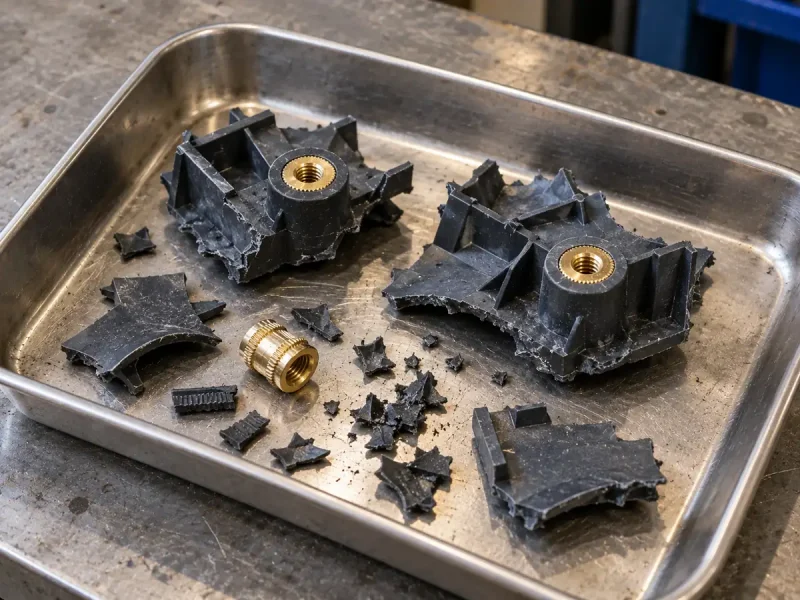
If iron is held and then drops into the product, correct the release and collection arrangement. If iron remains attached to larger composite pieces, improve liberation when you need separate, clean fractions. A magnet may pull the whole composite, taking valuable material with it.
Repeat the changed setup under the same recorded conditions. For an operating line, use repeat samples across the run rather than one clean-looking handful. Keep the weights, sample results and settings with the equipment proposal so both sides are comparing the same job.
Choose the separator around the material path
For magnetic drum vs magnetic head pulley selection, use a drum for a dedicated, controlled feed and a head pulley for a suitable conveyor discharge. Choose an overband when iron is better removed from above the belt. Burden depth, target position and a clean iron outlet can change that first choice.
Keep a working separator when better feeding or discharge solves the problem. Add a second stage when the remaining iron has a distinct capture or recovery need. Compare the complete installed arrangements and their results with representative material.
Send us the material, photos or dimensions of the target iron, normal and peak throughput, belt width and speed, material depth, and a side-view drawing of the available space. For a head-pulley retrofit, add the existing pulley and belt details. Put the information you have in the message on our contact page; we can review the equipment type and installation requirements with you.
Magnetic drum, head pulley and overband magnet FAQ
Can a magnetic head pulley work with a steel-cord belt?
A steel-cord belt needs a specific compatibility review before you select the pulley. Send the belt construction and thickness with the pulley drawing. The reinforcing steel can interact with the magnetic system, while the pulley must also meet the belt’s mechanical requirements. Do not approve a replacement from outside diameter and face width alone.
Can I keep the existing head scraper with a magnetic pulley?
A scraper that strips iron off before its separate release point needs to be moved or redesigned. Otherwise it can send captured iron into the normal product outlet. Map the iron-release path and belt-cleaning position together, including the space needed to collect the iron below the head.
Will these separators remove every type of stainless steel?
No. Stainless steel varies in magnetic response, so test the actual pieces. Some types respond strongly; others respond weakly or very little. Fine or weakly magnetic stainless may need a specialized high-gradient system. Do not treat an ordinary tramp-iron magnet as a universal stainless separator.
Does a permanent magnetic separator use no electricity?
The permanent magnetic field needs no electrical excitation, but moving parts still need drive power. A drum needs rotation; a self-cleaning overband needs its cleaning belt to run. A magnetic head pulley uses the conveyor’s drive arrangement. Compare the complete installed power demand rather than the magnet alone.
Which of the three should I choose for wet, sticky feed?
First establish whether the feed can spread and release cleanly. Sticky lumps can trap iron and drag good material into the iron outlet. If moisture can be reduced or the feed dispersed, repeat the trial in that condition. If the process is a slurry, compare a wet-separation design instead of treating a dry drum as a wet drum.
What if the target includes long steel wire?
Include the actual wire shapes in the trial and observe their complete discharge. Wire can catch, wrap or drag other material even when magnetic capture is easy. Record the longest pieces and any attached rubber or plastic, then review clearances and the outlet. A clean lift without clean release leaves the main handling problem unresolved.