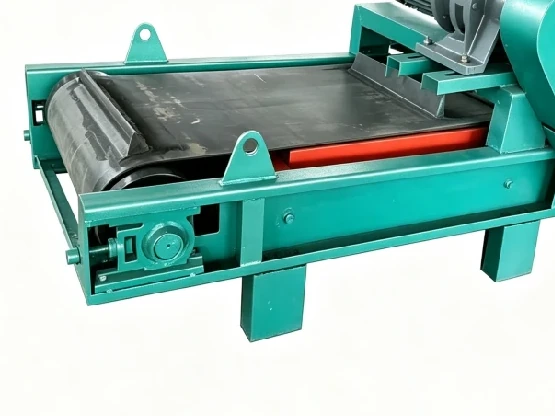
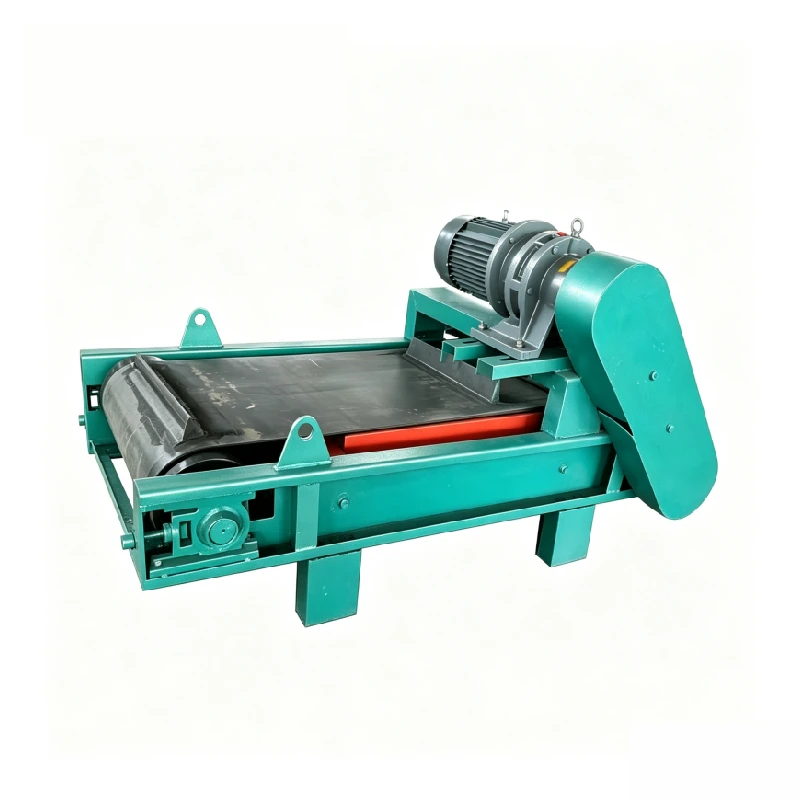
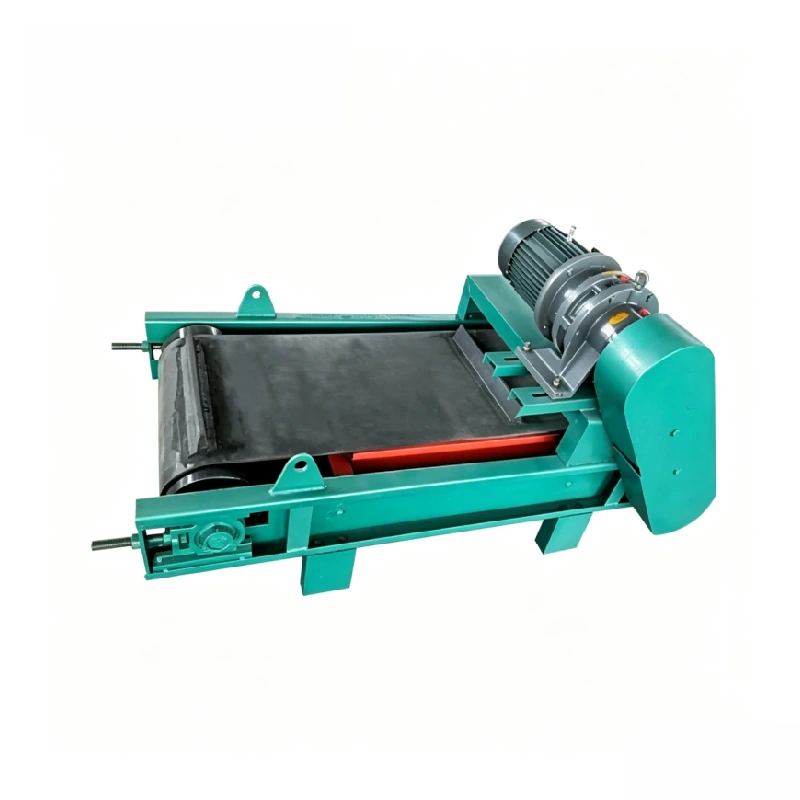
Self-Unloading Permanent Overband Magnet · Conveyor Tramp Iron Removal

Light-Duty Self-Unloading Cross-Belt Permanent Magnet Separator

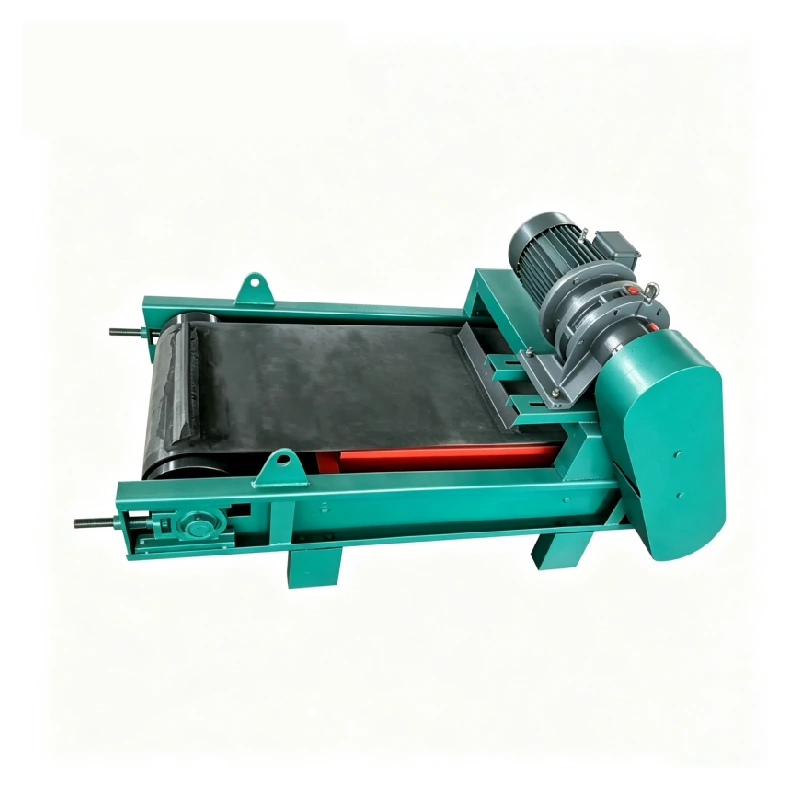
Corvelan’s Light-Duty Self-Unloading Cross-Belt Permanent Magnet Separator removes iron and steel from dry material on a belt conveyor. This cross belt magnetic separator uses a permanent magnet to lift ferrous tramp while a driven cleaning belt carries the captured metal to the side, so the line does not need to stop just to clean the magnet.

ApplicationDry belt conveyor
RemovesFerrous tramp iron and steel
CleaningAutomatic side discharge
Magnet typePermanent
MountingCross-belt above conveyor
Send usWidth · Speed · Burden · Tramp
Coverlan light-duty self-unloading cross belt magnetic separator

Corvelan light-duty permanent crossbelt separator with a self-cleaning discharge belt.

Quick Fit

Is this cross belt magnetic separator a good fit?

This separator works well when

Use this crossbelt type for dry material on a belt conveyor when unwanted iron or steel must be removed automatically. The site also needs safe support, maintenance access and enough side space for discharged metal.

Choose another separator type when

Use another type for aluminum or copper, slurry or pneumatic lines, or fine weakly magnetic mineral recovery. A deeper working distance or difficult tramp may also require a stronger permanent or electromagnetic separator.

How we check fit: Corvelan reviews the deepest target position, real working distance, belt speed, tramp size and shape, discharge clearance and nearby steel before choosing the separator.

Product Family

What does “light-duty” mean on this Corvelan separator?

A compact permanent crossbelt family

“Light-duty” identifies this Corvelan Light-Duty Self-Unloading Cross-Belt Permanent Magnet Separator family. We use the term to distinguish it from separator designs intended for longer magnetic reach, heavier tramp loading or more demanding conveyor conditions.

Final fit still comes from the conveyor

The name is not a fixed rating for capacity, Gauss or suspension height. We still check the real working distance, burden depth, belt speed, target tramp and installation space before confirming the machine.

Why This Design

Why choose a self-cleaning cross belt magnetic separator?

Automatic side discharge

The cleaning belt carries captured iron out of the magnetic area, avoiding repeated stops just to clear the magnet.

Permanent magnetic field

The magnetic field does not need electrical excitation. Power is still used for the cleaning-belt drive.

Conveyor protection

The separator removes tramp iron before it reaches vulnerable downstream equipment such as crushers, screens or mills.

Practical cross-belt layout

This layout can fit an existing conveyor when headroom, support points and side-discharge space are available.

Working Principle

How does a self-unloading crossbelt magnet work?

1

Material moves below the magnet

Material travels under the magnet. The material layer is often called the burden, and its depth changes how far the magnet must reach.

2

Iron and steel are pulled out

The magnet attracts responsive iron and steel. Metal buried deeper in the burden is usually harder to lift.

3

The cleaning belt carries it away

The cleaning belt moves captured metal beyond the magnetic area and drops it into a planned side bin or chute.

The magnet and cleaning belt do different jobs

The permanent magnet creates the magnetic field. A motor and reducer move the cleaning belt. Drive details are confirmed for the quoted machine and site power supply.

Coverlan cross belt magnetic separator cleaning belt and drive assembly

The permanent magnet provides the magnetic field, while the separate motor and reducer move the self-cleaning belt.

Performance Factors

How we size a cross belt magnetic separator for reliable tramp removal

The hardest piece is often the iron buried deepest in the material, not the piece already visible on top.

Real working distance is measured from the magnet face to the actual target metal inside the burden. That includes the visible air gap and the depth of the metal inside the material.

Surface Gauss alone cannot predict tramp-metal capture at the real working distance.

Burden depth & working distance

We check the distance to the deepest target, not only the visible gap above the material.

Belt speed

Higher speed gives the magnet less time to pull metal out and can change how material moves below the separator.

Target iron or steel

Size, shape, weight and position matter. A plate, bolt and thin wire do not behave the same way.

How material sits on the belt

Loose, even material is easier to reach than wet, sticky, lumpy or tightly packed material.

Nearby steel

Steel idlers, beams and chutes close to the magnet can affect the useful magnetic area and the available installation space.

Discharge path

Captured metal needs a clear route to a bin or chute so it does not strike equipment or fall back into the product.

Keep unnecessary steel out of the active magnetic zone. When we review the installation, we check the structure directly below and around the separator. Non-magnetic components may be needed in critical areas depending on the final layout.
Gauss ≠ pull force ≠ capture efficiency. Corvelan selects the separator from the real conveyor conditions, not from one surface reading.

Selection Information

What information do we need from you?

You do not need to choose the magnet strength or exact model. Start with the conveyor and tramp-metal information you already have. Corvelan uses it to choose the right machine basis.

Start with these six

MaterialWhat is moving on the conveyor?
Target trampWhat iron or steel must be removed?
Conveyor widthWhat belt width and profile must be covered?
Belt speedHow fast does the material pass the magnet?
Burden depthHow deep can the target metal be buried?
Photo / drawingShow the proposed installation area.
If available, also send: particle or lump size, bulk density, moisture, trough angle, conveyor incline, head-pulley position, tramp amount or frequency, headroom, side-discharge clearance, ambient temperature and site power.

What should your conveyor photo show?

A useful installation photo is more than a close-up of the belt. Try to show the separator position and the surrounding structure in the same view.

Conveyor widthShow the belt and trough profile that must be covered.
Material depthShow the normal burden so we can judge the real working distance.
Proposed magnet positionInclude the space above the conveyor and nearby chutes or idlers.
Nearby steelShow beams, rollers or other steel close to the active magnetic area.
Side-discharge spaceShow where captured metal can leave the conveyor safely.
Support structureInclude the frame or steelwork available for mounting.
You sendCorvelan checksWhat we determine
MaterialFlow, moisture, lumping and material behaviorWhether this separator type fits the process
Target iron or steelSize, shape, weight, position and frequencyRequired magnetic reach and discharge method
Conveyor width / profileRequired magnetic coverageSeparator width and mounting position
Normal / peak burden depthDeepest expected target positionWorking-distance requirement
Belt speedTime available for magnetic attractionMagnet size basis and installation needs
Headroom / clearanceSpace above the conveyorMechanical fit and maintenance access
Side clearanceSafe path for captured metalCross-belt feasibility and discharge direction
Photo / drawingSupports, idlers, chutes and nearby steelMounting, clearance and support needs
Power supplyCleaning-belt drive requirementMotor and electrical setup
Site requirementsGuarding, environment and required recordsItems to confirm in the quotation

Not sure how strong the magnet needs to be?

Send the conveyor layout, burden depth and target iron. We will check whether this light-duty model fits or a stronger separator is needed.

Check This Application With Corvelan

Product Construction

Real product construction: what you can see on this crossbelt separator

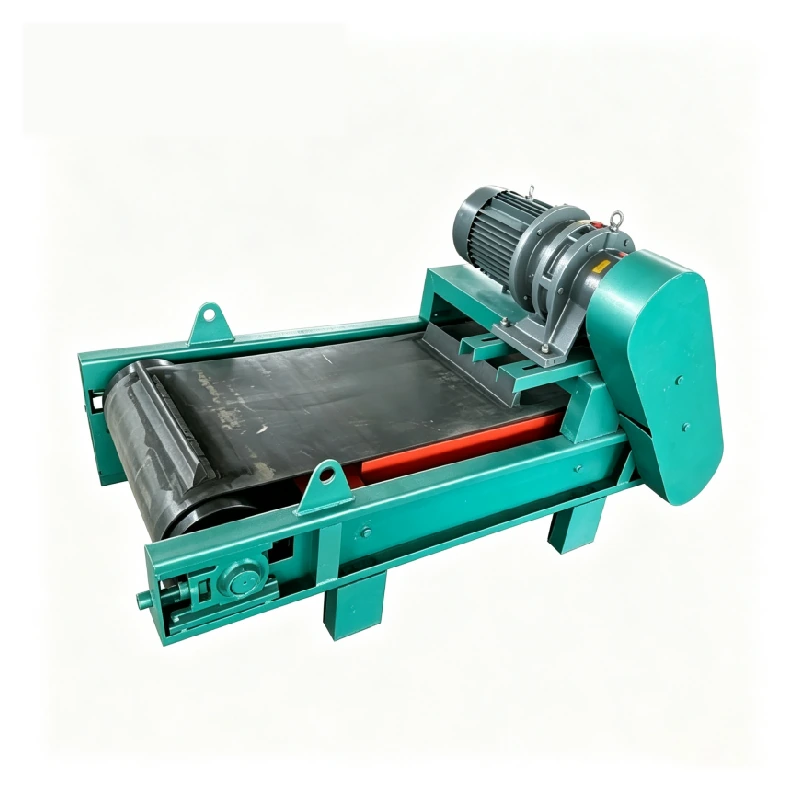
These real Corvelan product views show the cleaning belt, drive, rollers, frame and mounting points visible on this light-duty crossbelt family. They prove product form and visible construction, not magnetic performance or exact dimensions.

Permanent magnet assembly

Creates the magnetic field that attracts responsive iron and steel without electrical excitation.

Self-cleaning belt

Carries captured metal out of the magnetic area and releases it at the planned side-discharge point.

Drive assembly

Moves the cleaning belt. The motor and reducer power the belt, not the permanent magnetic field.

Pulley / roller system

Guides the cleaning belt and supports belt movement and tracking.

Main frame

Supports the crossbelt assembly above the conveyor.

Suspension / mounting points

Connect the separator to the support structure defined for the installation.

Coverlan permanent overband magnet cleaning belt frame and drive

Overall Corvelan product view showing the self-cleaning belt, drive assembly, roller system, frame and visible lifting or mounting points.

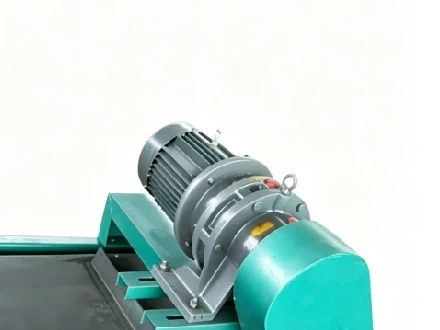
Self-cleaning magnetic separator motor and reducer detail

Real product detail: motor and reducer used to move the self-cleaning belt. The drive does not create the permanent magnetic field.

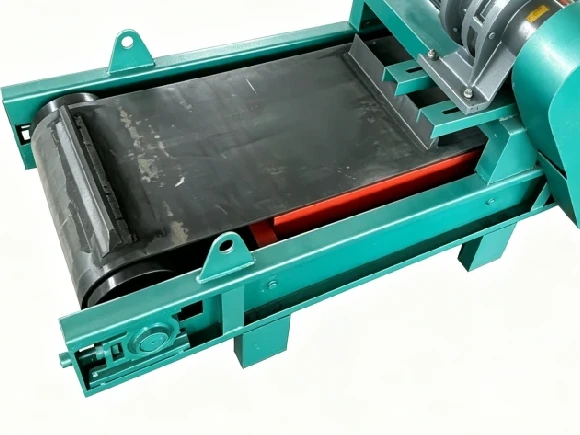
Crossbelt separator cleaning belt cleat and end roller detail

Real product detail: cleaning belt, cleat and end-roller area used to carry captured tramp metal away from the magnetic zone.

Permanent overband magnet frame and visible mounting points

Real product detail: main frame and visible lifting or mounting points used when planning support and service access.

What we confirm in the quotation

Quotation itemConfirmation basis
Separator widthConveyor width, profile and required magnetic coverage
Magnet arrangementReal working distance, burden depth and target tramp
Cross-belt orientationConveyor direction and required discharge side
Cleaning-belt arrangementTramp shape, expected loading and discharge clearance
DriveFinal machine size, belt arrangement and site power
Mounting pointsConveyor structure and support information
Overall dimensionsFinal selected machine and installation space
Maintenance clearanceAccess for belt, drive, pulley and lifting work
Electrical dataSite supply and agreed controls
Inspection itemsChecks agreed before order or shipment

Installation Options

Cross belt, inline overband or magnetic pulley?

Cross-belt mounting is often practical for an existing conveyor when side-discharge space is available. If the conveyor head is accessible, we also compare an inline overband because the material may open as it leaves the belt.

Process conditionStarting point
Existing conveyor with usable side-discharge spaceCross-belt self-cleaning overband magnet
Conveyor head area is availableCompare an inline overband arrangement
Separation must happen at the head pulleyCheck a magnetic head pulley

Permanent crossbelt

A good starting point when the required magnetic reach can be achieved without an energized magnetic coil. Electrical power is still needed for the self-cleaning belt drive.

Electromagnetic separator

We compare an electromagnetic type when the application needs a different magnetic reach, deeper burden handling or a more demanding tramp-removal duty.

Coverlan cross belt magnetic separator frame and installation access view

Real Corvelan product view used to review visible frame, lifting or mounting points, service access and the space needed around the separator.

Show us the full conveyor area

  • Conveyor width, profile and speed
  • Normal and peak burden depth
  • Proposed magnet position
  • Nearby idlers, beams, chutes and steelwork
  • Side-discharge bin or chute
  • Maintenance and lifting space
Keep the active magnetic zone clear of unnecessary steel. Nearby ferrous structure can affect the useful field and installation. We check whether critical parts around the magnet need a non-magnetic solution.

Maintenance & Safety

Automatic discharge reduces manual cleaning, but the machine still needs safe access

Cleaning belt

Leave access to inspect belt tracking, cleats, pulleys, bearings and the drive.

Permanent magnetic field

The magnet stays active even when the cleaning-belt drive is electrically isolated.

Installation safety

Provide guarding, lifting points, maintenance access and a clear area for falling tramp metal.

Leave space for these maintenance tasks

Track the beltCheck alignment and visible belt condition.
Inspect pulleysAllow access to rollers, pulleys and bearings.
Reach the driveLeave service space around the drive assembly.
Clear discharged trampKeep the bin or chute accessible.
Lift safelyPlan lifting access before installation.
Isolate the driveRemember that the permanent magnetic field remains active.
Coverlan cross belt magnetic separator drive roller and belt maintenance access

Real Corvelan product view showing the drive side, belt, end roller and frame areas that need service access after installation.

Visible areas to keep accessible

  • Drive side: leave working space around the motor and reducer.
  • End roller and belt: allow inspection of tracking and visible belt condition.
  • Frame / lifting points: keep safe access for lifting and service work.
  • Discharge side: keep the bin or chute area clear so removed metal can leave safely.
Project requirements: Tell us about required electrical standards, guarding, IP rating, certification or project documents before quotation. We will confirm what applies to the exact separator.

Engineering Checks

What do we check before quotation and before shipment?

Before quotation

Installation position

Confirm real working distance, supports, side-discharge path and maintenance space from the conveyor layout.

Magnetic measurement, when required

Define the instrument, probe direction, measurement point and distance. A surface reading is not working-distance performance.

Representative tramp test, when required

Define the test piece, material condition, burden depth, belt speed, working distance and pass rule before testing.

Cleaning-belt function

Confirm belt direction, discharge path and maintenance access for the selected machine.

What We Check Before Shipment

What must be trueHow we check itWhat the check proves
Machine matches the approved arrangementDimension / assembly checkIdentity and agreed mechanical dimensions
Cleaning belt moves in the correct directionRunning and tracking check, when includedMechanical belt and drive function
Drive operates as specifiedRotation / operating check, when includedDrive function for the supplied machine
Magnetic reading is recorded as agreedDefined instrument, point and distanceMagnetic field value under those measurement conditions
Quoted machine and accessories are presentIdentity / document reviewShipment matches the agreed supply list
How We Select the Separator A magnetic reading checks the field at a defined point. If you need to verify iron removal, we can agree on a representative capture test.

Engineering Documents

What information can be prepared for the selected separator?

The final document set depends on the project stage and the quoted machine. Corvelan confirms the applicable documents in the quotation or order record rather than promising a fixed package for every separator.

Quotation specificationConfirmed machine and order information.
Overall dimensionsInstallation dimensions when defined for the selected machine.
Electrical requirementDrive power-supply information for the quoted setup.
Mounting informationSupport and installation information available for the project.
Inspection itemsAgreed checks or records before shipment, when required.

How We Select the Separator

Send us the conveyor. We will choose the right separator type.

Start with the material, target iron or steel, conveyor width, belt speed, burden depth and a photo or drawing. We use these inputs to check whether this light-duty crossbelt fits and what still needs to be confirmed.

Process conditions

Material, target tramp, speed, burden depth and material condition.

Magnetic reach

Real working distance and the hardest target to lift.

Mechanical fit

Width, supports, headroom, discharge space, nearby steel and service access.

What happens after you send the application details?

1

Check product fit

We check whether this crossbelt type fits the process and target tramp.

2

Find missing data

We identify any conveyor, material or site data still needed.

3

Define the machine basis

We set the size basis, magnetic reach, installation direction and cleaning arrangement.

4

Prepare the quotation

We confirm the quoted separator, applicable documents and any project-specific checks or options.

FAQ

Cross Belt Magnetic Separator FAQ

What is a Light-Duty Self-Unloading Cross-Belt Permanent Magnet Separator?

It is a permanent magnet suspended across a belt conveyor, with a moving cleaning belt that automatically carries captured iron or steel out of the magnetic area. This product is also commonly described as a self-cleaning cross belt magnetic separator or permanent overband magnet.

Does the permanent magnet need electrical power?

The magnetic field does not. The self-cleaning belt drive does. A permanent magnet creates its field without electrical excitation, while the motor and reducer move the discharge belt.

What is the difference between a crossbelt magnet and an inline overband magnet?

A crossbelt unit runs across the main conveyor and normally discharges to the side. An inline unit follows the conveyor direction, often near the head pulley.

How high should the separator be above the conveyor?

There is no universal height. The key distance is from the magnet face to the hardest target inside the burden, not only the visible gap above the material.

Does higher Gauss mean better tramp iron removal?

No. Gauss is magnetic flux density at a defined point. It does not by itself show whether buried metal can be lifted at the real working distance.

What tramp iron can it remove?

The target is responsive ferrous metal such as iron and steel. Capture depends on the piece size, shape, weight, position and conveyor conditions.

When should I choose self-unloading instead of manual cleaning?

Self-unloading is useful when tramp appears often or repeated cleaning stops are undesirable. Manual cleaning may be enough when tramp is rare and safe access is easy.

What should I send to Corvelan?

Start with the material, target metal, conveyor width, belt speed, burden depth and a photo or drawing. If available, also send moisture, bulk density, lump size, headroom, side-discharge space and site power.

Is a cross belt magnetic separator the same as an overband magnet?

“Overband magnet” is the broader term. A crossbelt separator is an overband arrangement whose cleaning belt runs across the main conveyor.

Should I use a permanent or electromagnetic cross belt separator?

A permanent crossbelt is a good starting point when the required magnetic reach can be achieved without an energized coil. We compare an electromagnetic separator when the working distance, burden or tramp-removal conditions need a different magnetic reach.

Can a cross belt magnet remove aluminum, copper or stainless steel?

It is mainly for strongly responsive iron and steel. Aluminum and copper need another separator type. Stainless response varies by grade and condition.

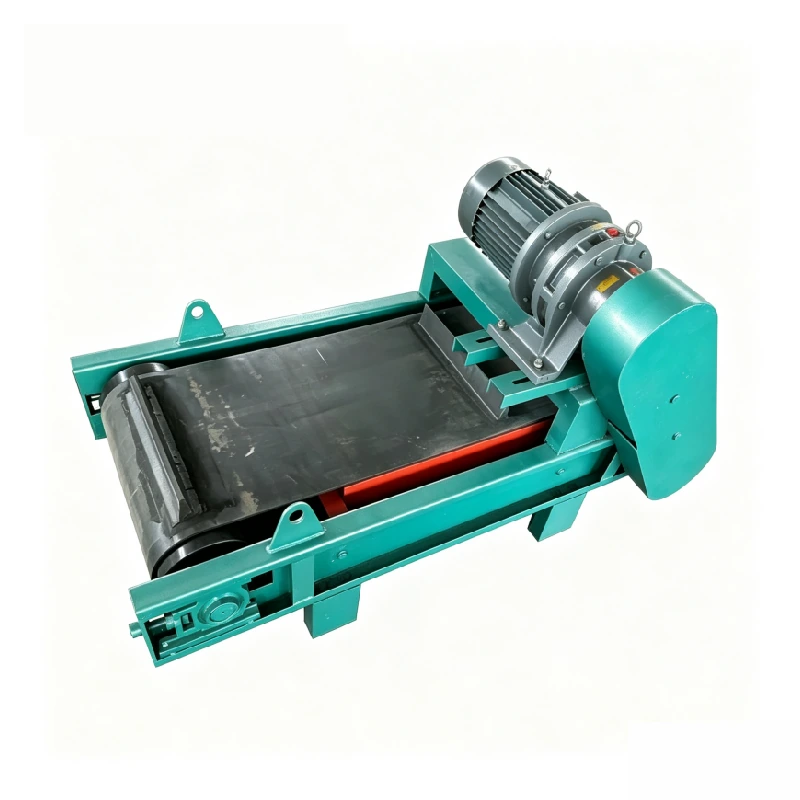
Start Here

Send Your Separation Requirement

You do not need to select a model first. Send four basic items and Corvelan will check the product fit, working-distance requirement and any missing data.

1

Material

Material name and physical form.

2

Target metal

Iron or steel you want to remove.

3

Throughput / material flow

Normal throughput or material flow, if known.

4

Conveyor layout

Photo, sketch or drawing of the proposed separation point.

Also useful: belt width, belt speed, burden depth, target-metal size, moisture, bulk density, lump size, trough angle, conveyor incline, headroom, side-discharge space, nearby steel and site power.

Get An Instant Quotation Now