LJT-H Underbelt Conveyor Metal Detector

The Corvelan LJT-H is an underbelt conveyor metal detector for finding unwanted ferrous and non-ferrous metal on moving conveyor lines. The sensor sits below the belt, giving you a compact conveyor belt metal detector where a full detector tunnel may not fit.

Confirmed LJT-H-2 models on this page cover 500–1600 mm belt widths and 0.5–4.5 m/s belt speeds. Flat-type and V-type sensors are available for different conveyor profiles.

Best ForPlastics, wood and quarry conveyor applications
TargetFerrous and non-ferrous unwanted metal
InstallationUnder conveyor belt
Selection Depends OnTarget metal, belt shape, speed, material depth and available space
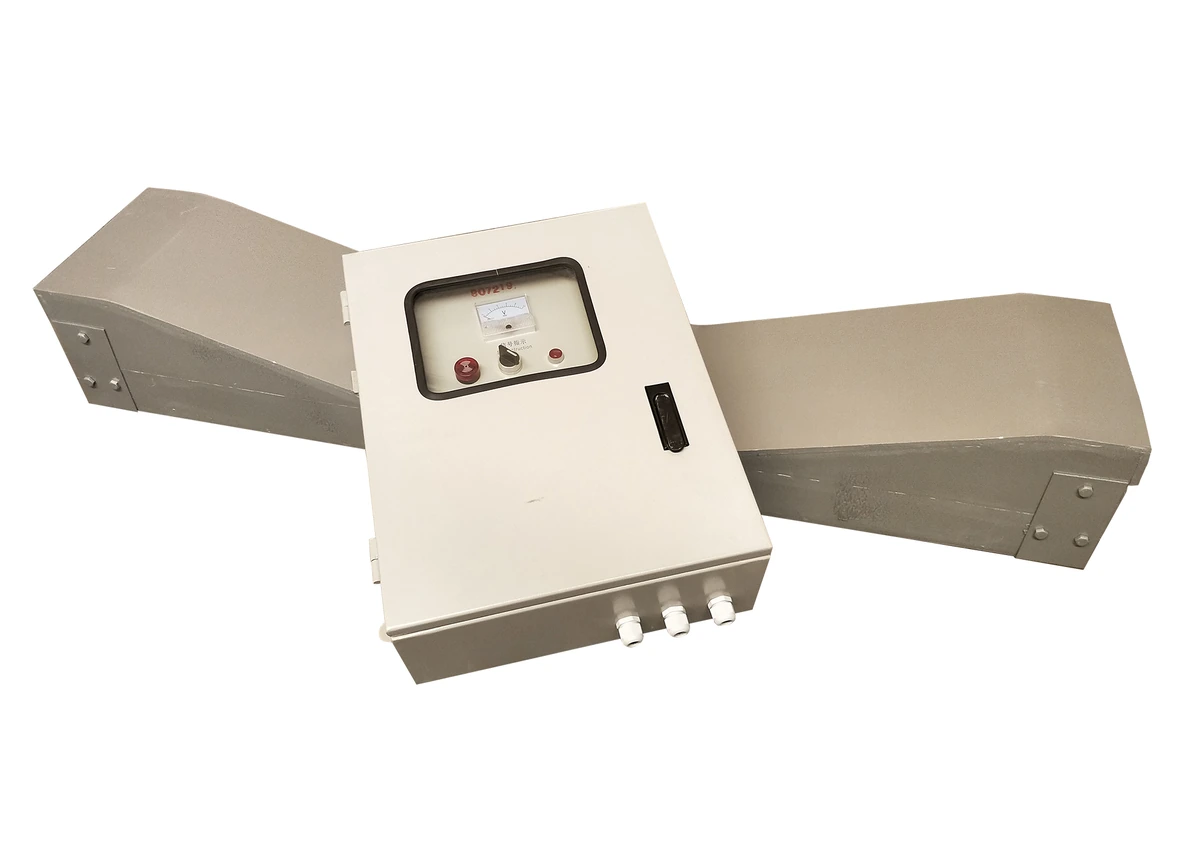
Coverlan LJT-H underbelt conveyor metal detector with control enclosure
Detection TargetFerrous & non-ferrous metal
InstallationUnder conveyor belt
Confirmed Widths500–1600 mm
Belt Speed0.5–4.5 m/s
Sensor OptionsFlat-type / V-type
InputAC 220 V ±10%, 50 Hz
Quick Fit

Is the LJT-H the right detector for your conveyor?

Start with the conveyor layout and the metal you need to find. The LJT-H is a practical starting point when the sensor can sit below the belt and the main job is metal detection rather than automatic removal.

You Need a Detector Below the Belt

The LJT-H sensor installs under the conveyor belt. It does not need a full tunnel around the conveyor.

Space Around the Conveyor Is Limited

The compact underbelt layout can fit where there is not enough room for a larger detector around the belt.

You Need to Find Loose Metal Pieces

The LJT-H is a better starting point when larger loose metal pieces are the main concern. We do not assume fine-particle detection without a defined test.

You Need Detection, Not Automatic Removal

The LJT-H detects metal but does not remove it by itself. Tell us what should happen after detection so we can review the required control setup.

Why Metal Detection Matters

Why detect tramp metal before it travels farther down the conveyor line?

On bulk conveyor lines, unwanted metal can move with the material toward downstream machines. In this role, the LJT-H works as a tramp metal detector: it identifies the metal early enough for the line controls to respond before the metal travels farther through the process.

Find the Metal Earlier

The detector identifies unwanted metal while it is still on the conveyor, before the material reaches the next process step.

Give the Line Time to Respond

Depending on the selected controls, a detection signal can be used for an alarm, conveyor stop, marker or a separate reject action.

Reduce Downstream Risk

Earlier detection can help reduce the risk of unwanted metal continuing into crushers, shredders or other downstream equipment. The actual protection result still depends on the full line design and response method.

General engineering note: detection is only one part of the protection system. The final result also depends on where the detector is installed, how quickly the line responds and how the metal is removed or isolated.
Application Fit

Where do we apply the LJT-H?

The confirmed LJT-H application references available to us are plastics, wood and quarry conveyors. We still check the material, belt profile, material depth and target metal before we recommend a setup.

Plastics

Plastics Conveyor Lines

Use the LJT-H where plastic material moves on a conveyor and unwanted metal needs to be found before the material continues to the next process. Send the belt width, material depth and target metal so we can review the setup.

Wood

Wood Processing Conveyors

We review the wood material, normal material depth, belt shape and target metal before recommending the detector. If the required target is small or may sit far from the sensor, define it before selection.

Quarry

Quarry Conveyors

Use the underbelt detector where loose metal needs to be found on a quarry conveyor and the compact sensor can fit below the belt. Conveyor structure and available space should be checked before installation.

If you have a required minimum metal size: send the metal type, size, expected position, belt speed and material depth. We can use those conditions to review how the detection test should be defined.
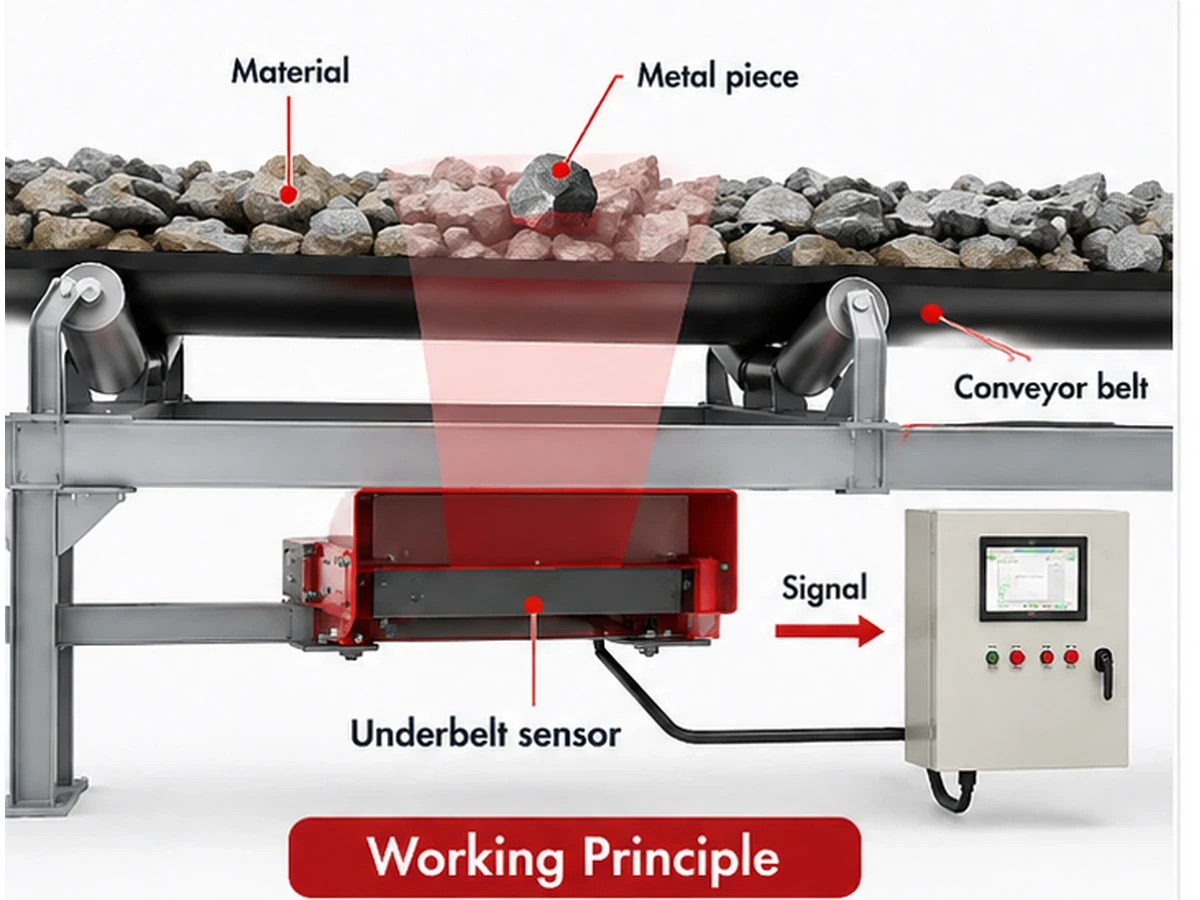
Working Principle

How does the LJT-H detect tramp metal on a conveyor?

The sensor sits below the belt and creates an electromagnetic detection zone through the belt and the material above it. When metal enters that zone, the detector produces a signal that can be used by the control system.

1

Material Moves Over the Sensor

The conveyor carries material above the underbelt sensor at the normal operating speed and material depth.

2

Metal Enters the Detection Zone

When ferrous or non-ferrous metal passes through the sensing area, the detector signal changes.

3

The Control System Responds

Depending on the selected controls, the signal can be used for an alarm, conveyor stop, marker or a separate reject system.

Educational diagram showing an underbelt conveyor metal detector sensor below the belt, a metal piece in the detection zone and a control signal
Educational diagram. It explains the detection sequence only; it is not a scale drawing or a detection-sensitivity test.
Important: the LJT-H detects metal. It does not remove the metal by itself.
Performance Factors

What affects real detection performance?

There is no single sensitivity number that describes every conveyor. Detection depends on the target metal and the real conditions between the metal and the underbelt sensor.

Target Metal

Metal type, mass, shape and orientation change the detection signal.

What to send: metal type plus an example size, photo or test piece if available.

Target Position

A metal piece close to the sensor is usually easier to detect than the same piece farther away.

What to send: the most difficult expected metal position in the material layer.

Material Depth (Burden Depth)

A deeper layer puts some metal farther from the sensor. Engineers often call this material depth the burden depth.

What to send: normal and maximum material depth.

Belt Speed

The confirmed LJT-H-2 range on this page is 0.5–4.5 m/s.

What to send: normal operating speed and any major variation.

Belt Profile

Flat-type and V-type sensors are available. We choose the sensor shape to match the conveyor profile.

What to send: belt profile, trough shape and a photo or drawing.

Installation Area

Nearby steelwork, idlers, cables, vibration and electrical noise can affect where the detector should be installed.

What to send: photos and dimensions around the planned detection point.

Selection Logic

How we select the right LJT-H configuration for your conveyor

We start with the conveyor and the metal you need to find. Belt width is important, but it is not enough by itself.

What to CheckWhy It MattersWhat to Send Us
Material & material depthMaterial depth changes how far the metal can be from the sensor.Material name, normal/max depth, particle or piece size if known.
Target metalMetal type, size, shape and position can change the signal.Example metal, photo, sample description or required test piece.
Belt width & profileThey guide sensor size and whether a flat-type or V-type sensor fits better.Belt width, profile, conveyor photo or drawing.
Belt speedIt changes the time the target spends in the sensing zone.Normal and maximum operating speed.
Available installation spaceThe detector must fit around the frame, idlers, covers and maintenance access.Side/front photos, dimensions and available clearance.
Belt joint / spliceA belt joint that contains metal can affect detection or control settings.Splice type and whether it contains metal.
What should happen after detection?The signal must connect to the action you need.Alarm, conveyor stop, marker, separate reject system or control-system connection.
Not sure which sensor form fits? Send the belt profile, target metal and a conveyor photo. We can tell you what other details are needed before quotation.
Sensor & Control Options

LJT-H sensor and control options

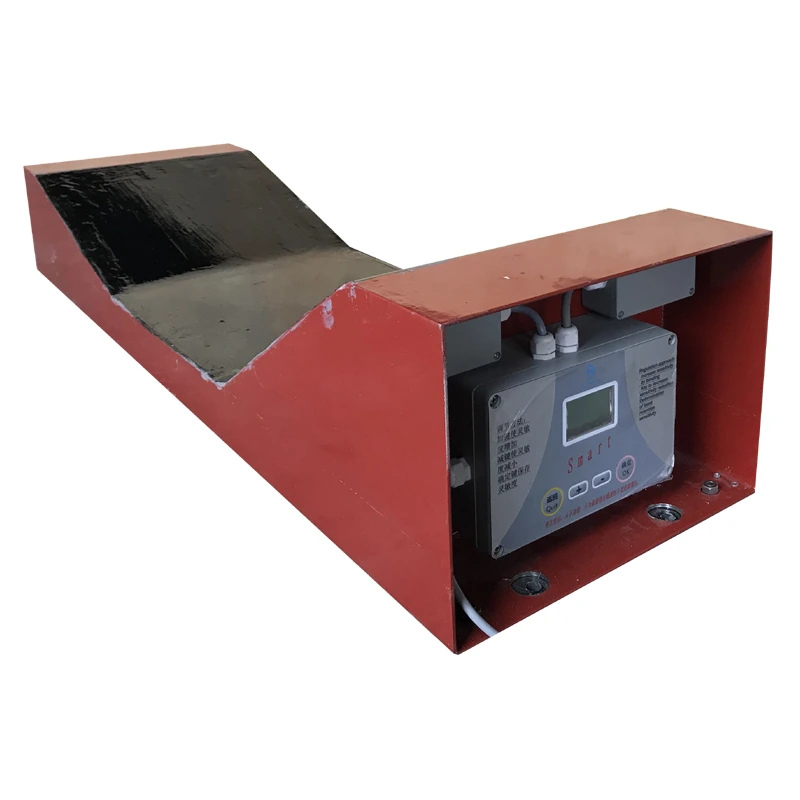
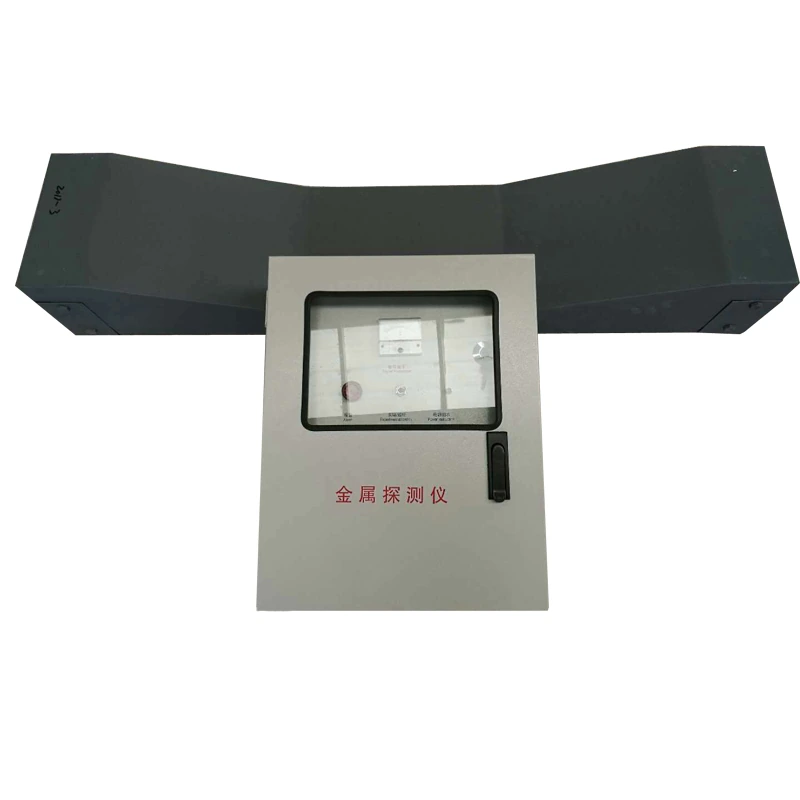
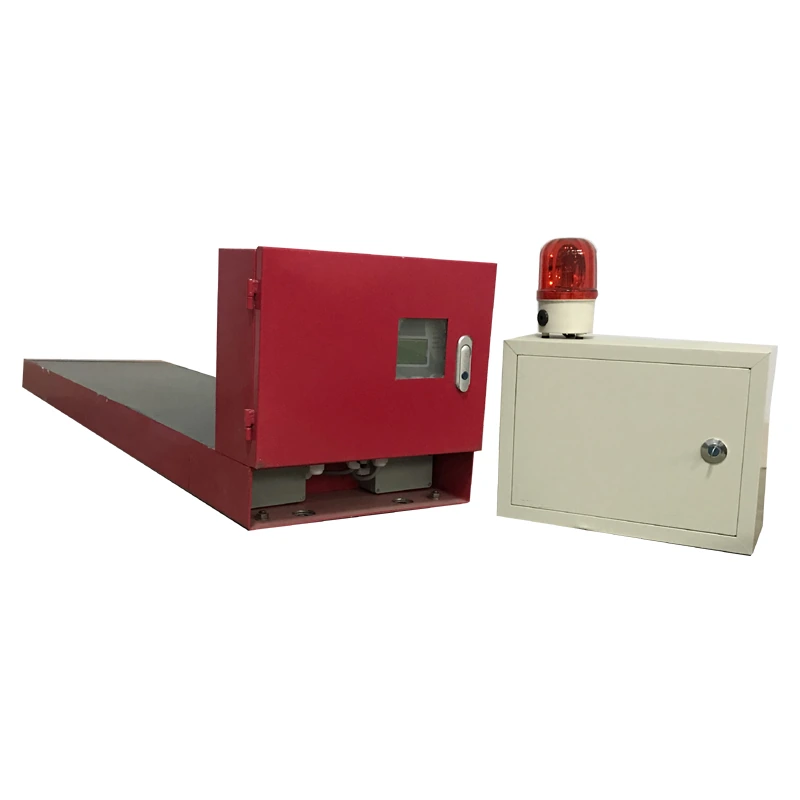
The LJT-H family includes flat-type and V-type sensors. We choose the sensor form from the conveyor profile. Electronic control-unit choices and an optional belt-joint detector are also listed for the product family. We confirm the exact supplied setup in the quotation.

Coverlan LJT-H underbelt metal detector sensor and control example A

Sensor & Control Example A

Example LJT-H sensor and electronic-control arrangement. We choose the sensor form from your conveyor profile.

Coverlan LJT-H underbelt metal detector sensor and control example B

Sensor & Control Example B

Another LJT-H configuration example. The final setup follows the conveyor profile and installation space.

Coverlan LJT-H metal detector control unit example

Control Unit Example

Example product-family control arrangement. We confirm the control unit, outputs and required connections in the quotation.

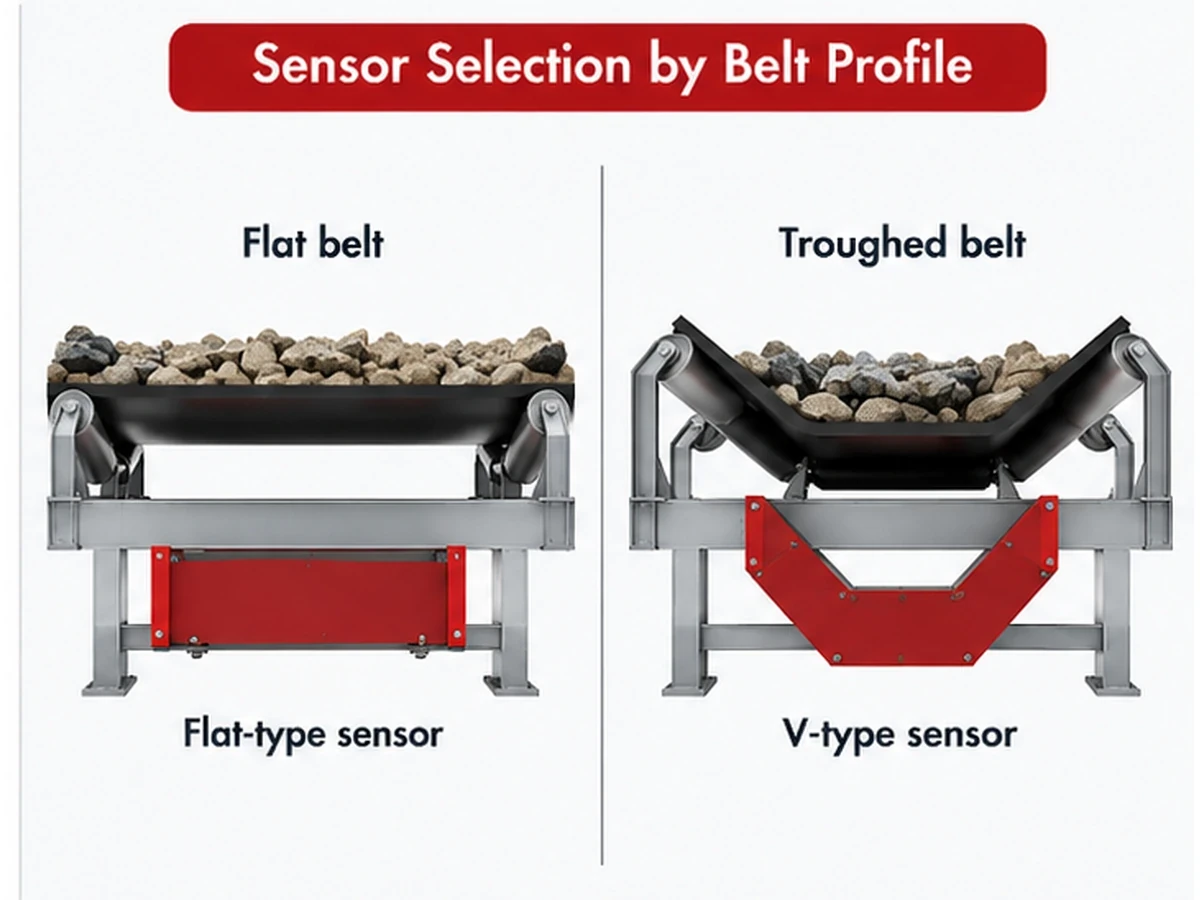
Sensor Selection

Flat-type or V-type sensor: which one fits your conveyor?

Start with the belt profile. The sensor should match the conveyor shape and the space available below the belt. We confirm the final choice from the conveyor photo or drawing.

Educational comparison of flat-type and V-type underbelt metal detector sensor selection by conveyor belt profile
Educational selection diagram. It shows why belt profile is the starting point; it does not claim one sensor form is more sensitive than the other.
Selection PointFlat-Type SensorV-Type Sensor
Main starting pointFlat conveyor profile.Troughed or V-shaped conveyor profile.
What we checkAvailable area below the flat belt and nearby conveyor structure.Trough shape, belt profile and available area below the conveyor.
What to sendBelt width plus a side/front photo or drawing.Belt width, trough profile plus a side/front photo or drawing.
Final choiceConfirmed after we review the actual conveyor layout. We do not claim one sensor form is more sensitive than the other without a defined test.
Model Data

LJT-H-2 model selection by belt width

Start with conveyor belt width, then check installation space, belt profile and operating conditions before confirming the model. The table below contains the confirmed LJT-H-2 data currently available for 500–1600 mm belt widths.

ModelBelt width (mm)Power ≤ (W)Belt speed (m/s)InputDEABC
LJT-H-2-500500300.5–4.5AC 220 V ±10%, 50 Hz890200950600530
LJT-H-2-650650300.5–4.5AC 220 V ±10%, 50 Hz9902001050600530
LJT-H-2-800800500.5–4.5AC 220 V ±10%, 50 Hz12902001350600530
LJT-H-2-10001000500.5–4.5AC 220 V ±10%, 50 Hz13902001450600530
LJT-H-2-12001200500.5–4.5AC 220 V ±10%, 50 Hz15902001650600530
LJT-H-2-14001400600.5–4.5AC 220 V ±10%, 50 Hz17902001850600530
LJT-H-2-16001600600.5–4.5AC 220 V ±10%, 50 Hz19902002050600530
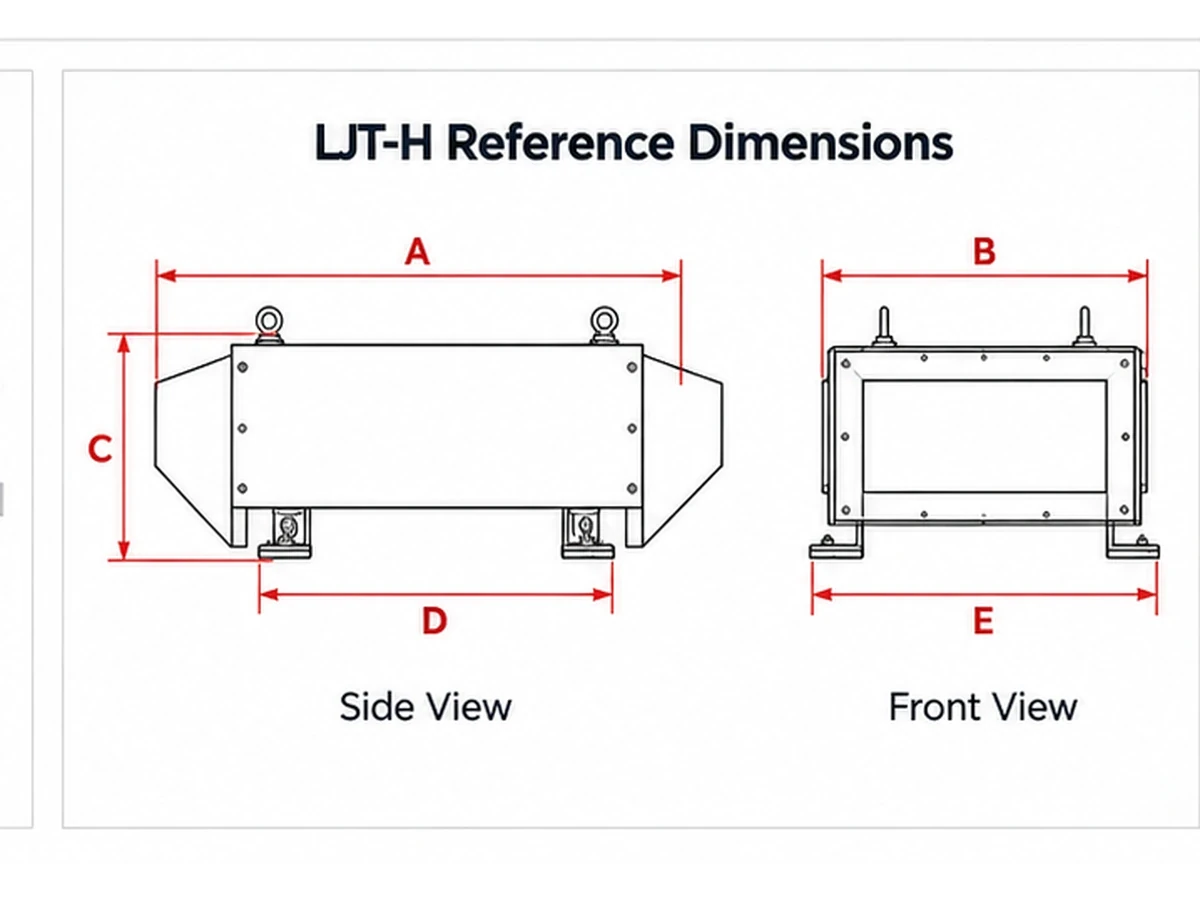
LJT-H underbelt conveyor metal detector reference dimensions A B C D E educational drawing

Reference Dimensions A/B/C/D/E

This clean reference diagram is derived from the supplied LJT-H drawing and only highlights A/B/C/D/E, which are the dimensions published in the model table above. Confirm the approved project drawing before fabrication or conveyor modification.

A/B/C/D/E are drawing reference dimensions in millimetres. Use the table for model comparison, then confirm the selected model and approved installation drawing before fabrication or conveyor modification.
Where It Fits

When should you use the LJT-H?

The LJT-H May Fit Your Conveyor If

  • You already use a belt conveyor.
  • You need to find unwanted ferrous or non-ferrous metal.
  • Available space favors a compact sensor below the belt.
  • Your application is plastics, wood or quarry conveying.
  • The main concern is larger loose metal pieces.

Talk to Us Before Choosing If

  • The target is small or buried deep in the material.
  • Material depth changes a lot during operation.
  • The belt joint is unusual or contains metal.
  • You need to detect a defined minimum metal size.
  • The alarm or stop action is critical to production or safety.
  • You require a specific certification or protection rating.

Another Product May Fit Better If

  • You need continuous removal of magnetically responsive metal rather than detection only.
  • Your process is not conveyor-based and needs another detector shape.
  • You need a fixed detection limit but cannot define a representative test.
Detection vs Separation

Metal detector or magnetic separator: which job do you need?

These products solve different problems. Use the LJT-H when the main job is to detect unwanted metal and send a signal. Use magnetic separation when the main job is to capture or remove magnetically responsive material.

RequirementLJT-H Metal DetectorMagnetic Separator
Main purposeDetect unwanted metal and send a detection signal.Capture, separate or remove magnetically responsive material.
Ferrous metalCan be detected.Can be targeted when it is magnetically responsive.
Non-ferrous metalCan be detected.Standard magnetic separation does not target non-magnetic metal.
Automatic removal by the device itselfNo.Depends on the separator design and cleaning/discharge method.
What we need firstTarget metal, belt layout, material depth, speed and required response.Material, magnetic target, burden depth/working distance and separation point.
Not sure which product family fits? Send the material, target metal and a line photo. We can review whether the job starts with metal detection or magnetic separation. Related product links should only be added after the current staging URLs are cleaned and verified as Corvelan pages.
Installation

What should we check before installation?

The sensing element installs below the conveyor. The best position depends on the real conveyor structure, available clearance and nearby metal parts.

Sensor Position

Choose a position where the sensor can match the belt profile and remain practical to inspect and adjust.

Conveyor Structure

Show nearby idlers, beams, covers and other metal parts on the drawing or photo.

Belt Joint

Tell us if the belt joint contains metal. An optional belt-joint detector is listed for the LJT-H family.

Available Space

Send the available width, height and nearby structure if installation space is limited.

Before quotation: tell us if you require CE, ATEX, a specific IP rating or another certification. We will confirm what is available for the quoted equipment; no certification is assumed without project evidence.
Control Response

What can happen after metal is detected?

The LJT-H detects the metal and produces a signal. What happens next depends on the control design selected for the line.

Alarm

The signal can be used to alert the operator when metal is detected, if this function is included in the controls.

Conveyor Stop

The signal can be used as part of a conveyor-stop action when the required control connection is provided.

Marker

A marker can be used to help identify the metal location when that function is part of the selected system.

Separate Reject System

The detector signal can be integrated with a separate reject or control system when the required interface is confirmed.

These are possible control actions, not standard features on every LJT-H unit. Tell us what the line should do after detection so the required connections can be confirmed before quotation.
Validation

How can you set a clear metal detection test?

If a missed metal piece could damage downstream equipment or stop production, define the target and test conditions before the final detector setup.

1

Choose the Metal Test Piece

Record the metal type, size, shape and orientation you want to use for the test.

2

Use the Real Conveyor Conditions

Use the real belt speed, material depth and metal position during the test.

3

Agree How the Test Will Be Run

Set the number of passes and the metal positions that will be checked.

4

Decide What Should Happen

Set the signal or action you expect when the detector finds the test piece.

5

Define Acceptance Criteria Before Testing

Write down what result counts as a pass before the test is used as a performance requirement.

What this means in practice: the LJT-H can detect ferrous and non-ferrous metal, but no single metal size can be promised for every conveyor condition. A critical target should be tied to a defined material, metal position, belt speed and test method.
Corvelan Project Support

How Corvelan supports your LJT-H project

You do not need a perfect specification before contacting us. Start with the conveyor photo, belt width, material and target metal. We use those details to narrow the detector setup and tell you what else is needed.

Conveyor Review

We review belt width, profile, speed, material depth, nearby structure and the target metal.

Setup Selection

We match the sensor and control setup to the conveyor layout and the response required after detection.

OEM Support

OEM changes are available for project requirements. We confirm the exact changes before quotation.

Installation Support

Installation and commissioning support is available. We confirm what support is included for the project before quotation.

Start with what you have: a conveyor photo, belt width, material and target metal are enough for the first review.

What you get from the first review

1. Starting Detector Direction

We check whether the LJT-H layout matches the conveyor profile, target metal and installation position.

2. Open Technical Points

We identify the details that still need to be confirmed, such as material depth, splice condition, control response or a defined metal test.

3. Quotation Inputs

We narrow the information needed to prepare the detector setup and quotation instead of asking you to complete a long specification first.

FAQ

LJT-H Underbelt Conveyor Metal Detector FAQ

What is an underbelt conveyor metal detector?

An underbelt conveyor metal detector is a conveyor belt metal detector with the sensing element below the belt. It checks conveyed material for unwanted metal as the belt moves through the detection area. The LJT-H is this type of under-belt detector.

What metals can the LJT-H detect?

The LJT-H detects ferrous and non-ferrous tramp metal. Actual detection still depends on the metal size and position, material depth, belt speed, belt profile and sensor setup. Define a test target when a specific minimum metal size matters.

What belt widths are covered on this page?

Confirmed LJT-H-2 models on this page cover 500, 650, 800, 1000, 1200, 1400 and 1600 mm belt widths.

What belt speed is listed for the confirmed LJT-H-2 models?

The confirmed model table lists 0.5–4.5 m/s. Use the actual operating speed when defining a detection test.

Flat-type or V-type: which one should I choose?

Start with the conveyor profile. A flat-type sensor is the starting point for a flat profile, while a V-type sensor follows a troughed or V-shaped profile. We confirm the final choice from the conveyor layout.

Does the LJT-H remove metal automatically?

No. The LJT-H detects metal but does not remove it by itself. If the main job is continuous magnetic removal, a magnetic separator may be the better product family.

Can the detection signal be used for an alarm or conveyor stop?

It can be used for control actions such as an alarm or conveyor stop when the required control function and connection are included. Tell us what the line should do after detection.

Can I use the LJT-H with a metal-containing belt splice?

A belt joint that contains metal needs review because it can affect detection. Send the splice type plus a photo or drawing if available. An optional belt-joint detector is listed for the LJT-H family.

What affects metal detection performance?

The main factors are the target metal, its position, material depth, belt speed, belt profile and the installation area around the sensor. A critical target should be checked under defined conveyor conditions.

What should I send for LJT-H selection?

Start with the material, target metal, belt width, belt profile and a conveyor photo or drawing. If available, also send belt speed, material depth, splice details and what should happen after detection. You do not need a complete specification to start.

Project Details

Send Your Conveyor Metal Detection Requirement

You do not need every technical detail before contacting us. Send the conveyor photo, material, belt width and target metal first. We can identify the remaining points needed for model selection and quotation.

Start with these 4

  • Material — what is moving on the belt?
  • Target metal — ferrous or non-ferrous; add an approximate size or sample if known.
  • Belt width & profile — flat, troughed or V-shaped profile.
  • Conveyor photo or drawing — show the planned detection point and available space.

Helpful if available

  • Belt speed and material depth.
  • Belt-joint details and available installation space.
  • What should happen after detection: alarm, stop, marker or separate reject action.
  • Required certification, protection rating or metal detection test.

Get An Instant Quotation Now