FAQ
RCDFQ electromagnetic separator FAQ
What is an RCDFQ electromagnetic separator?
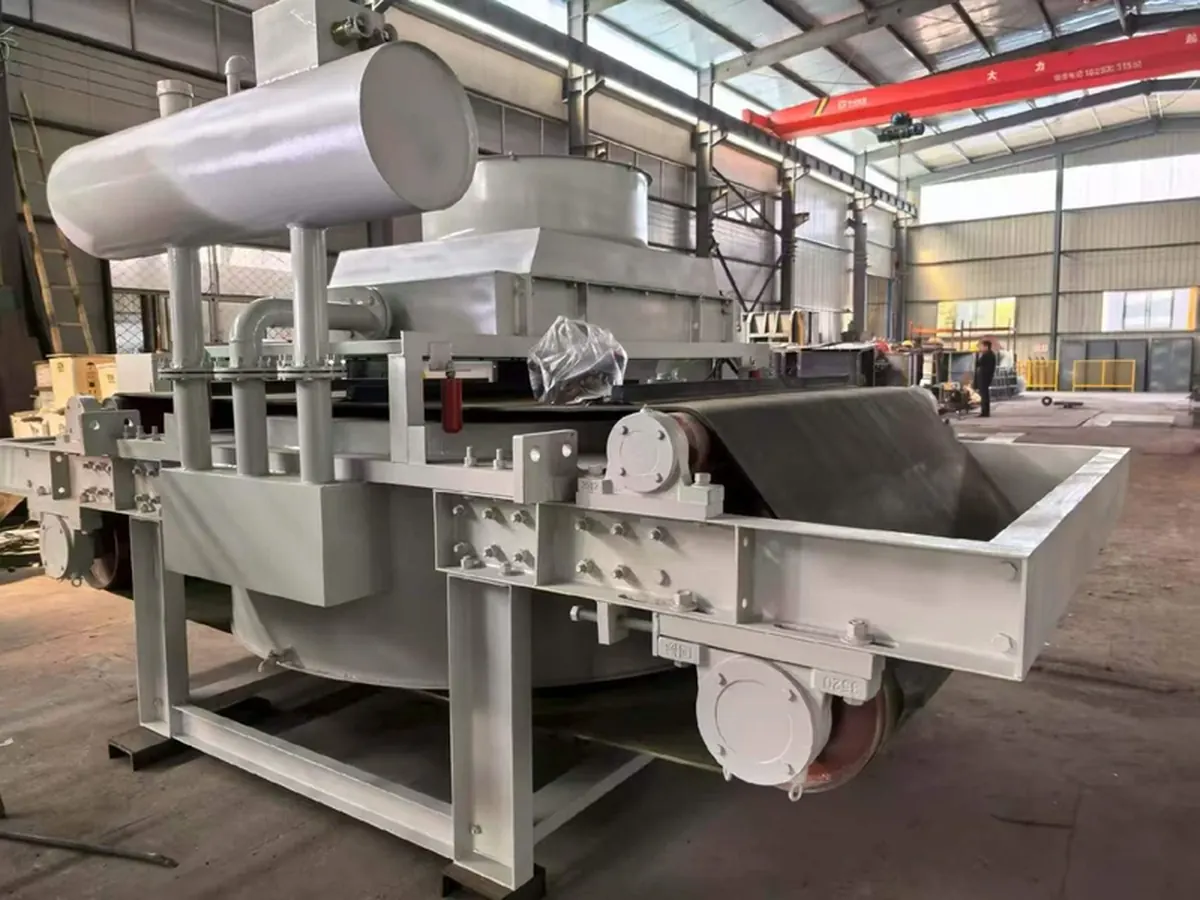
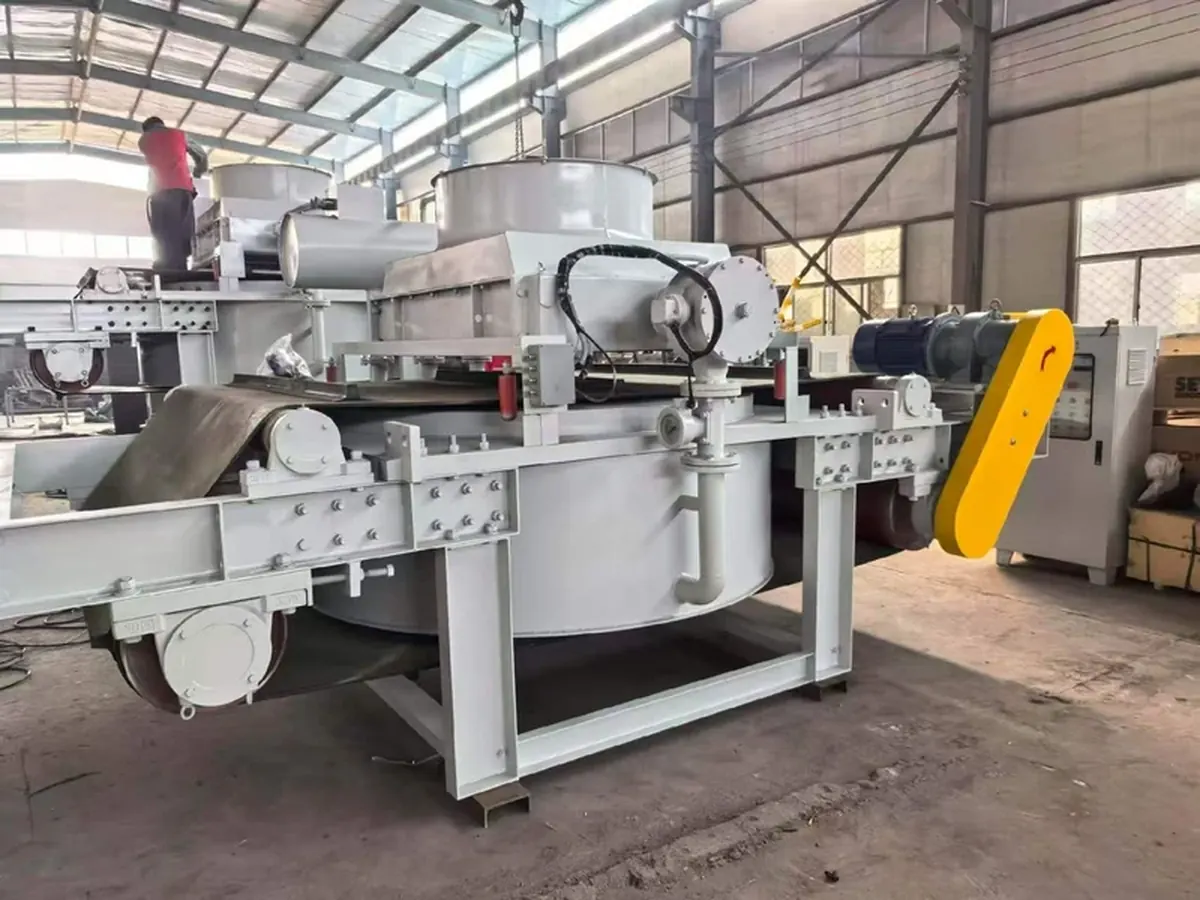
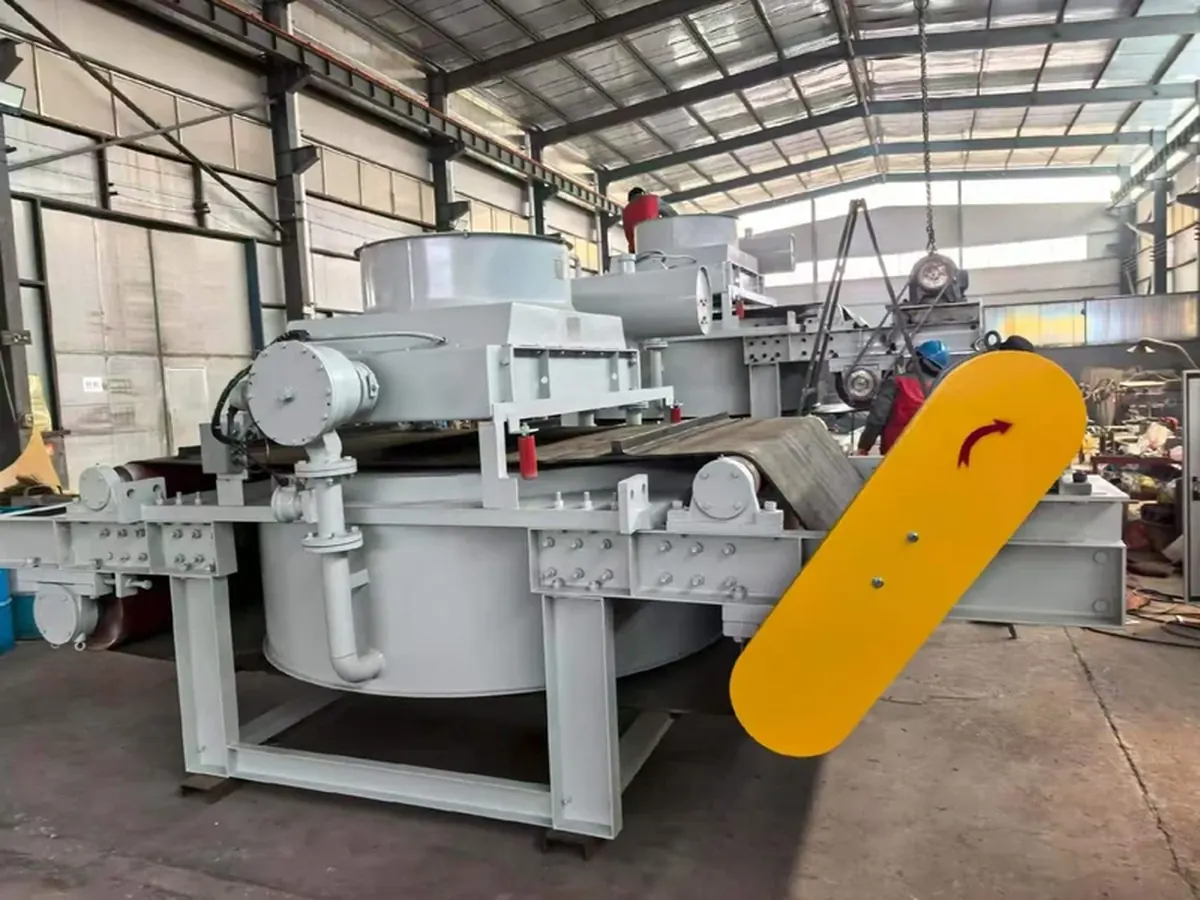
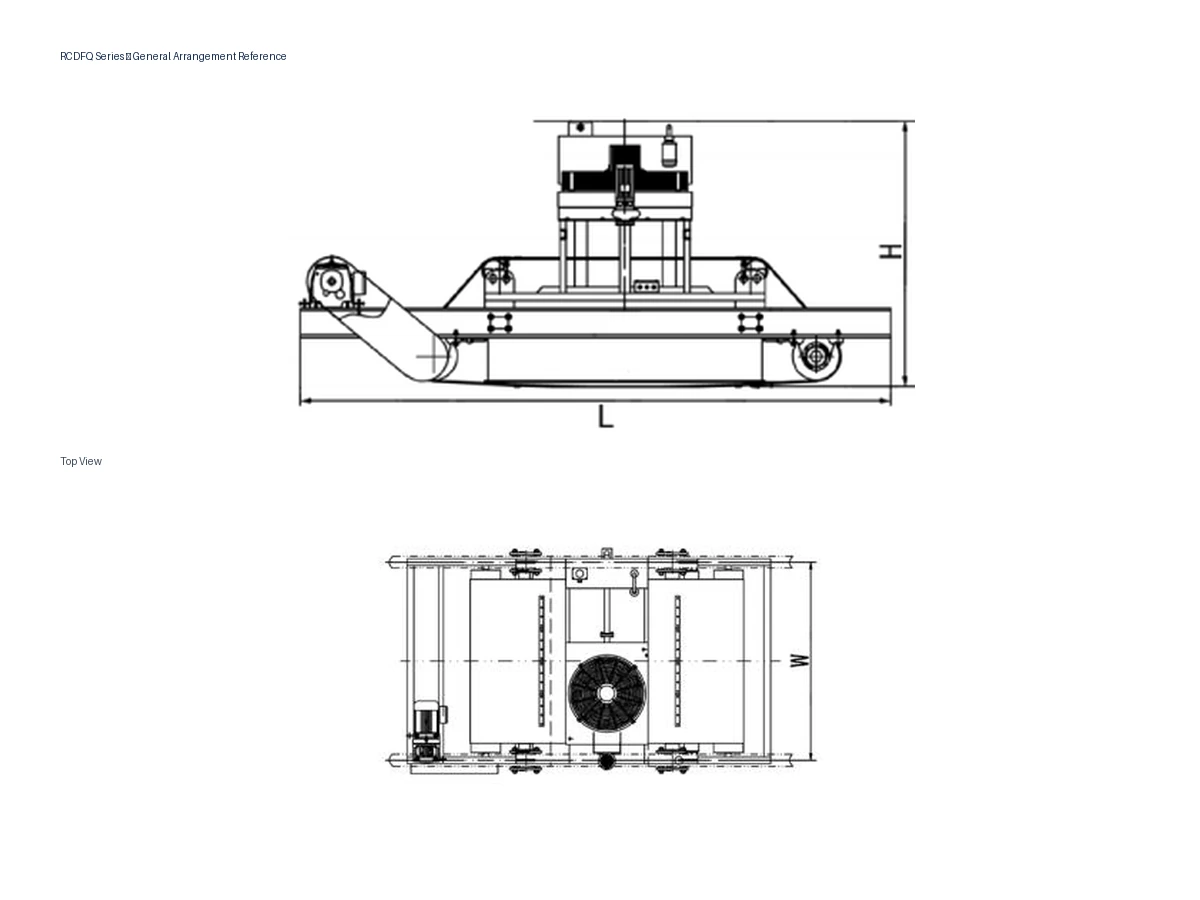
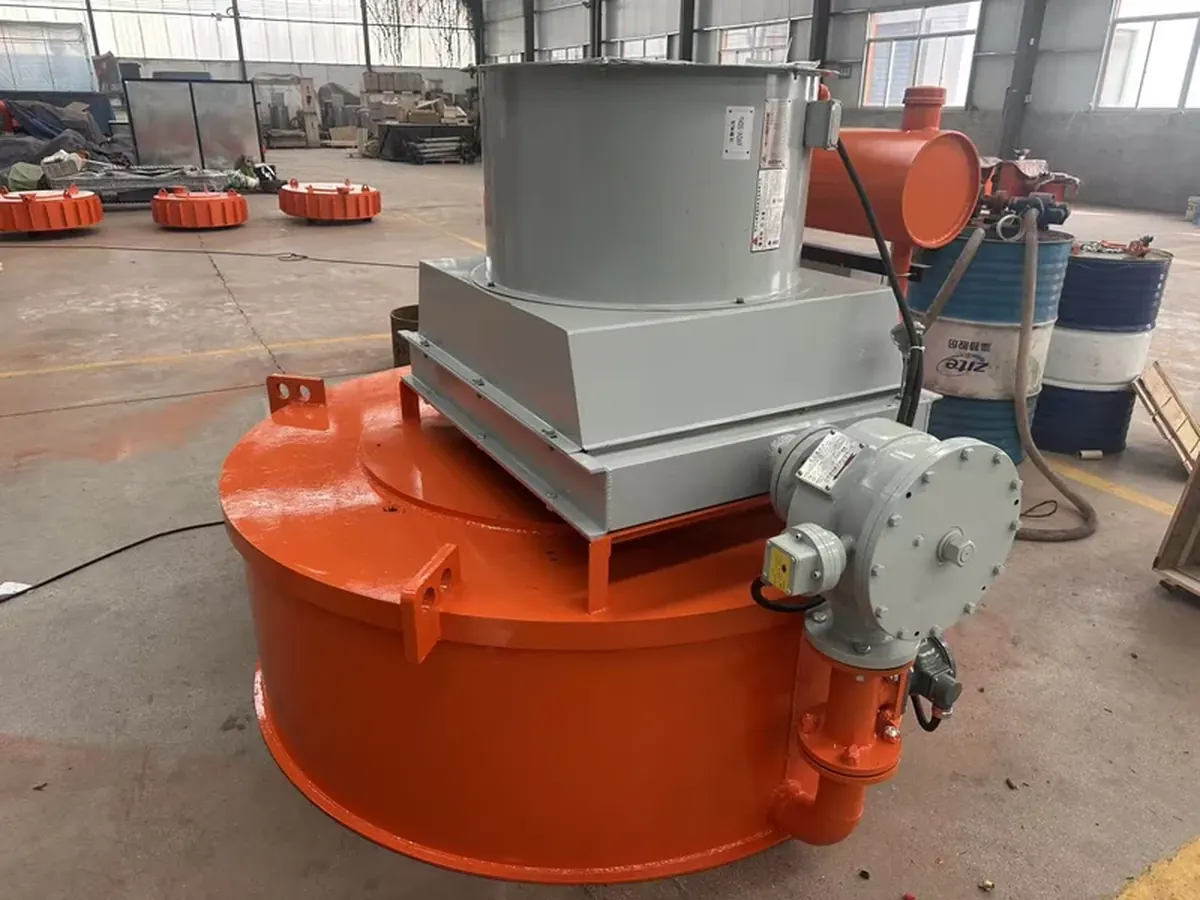
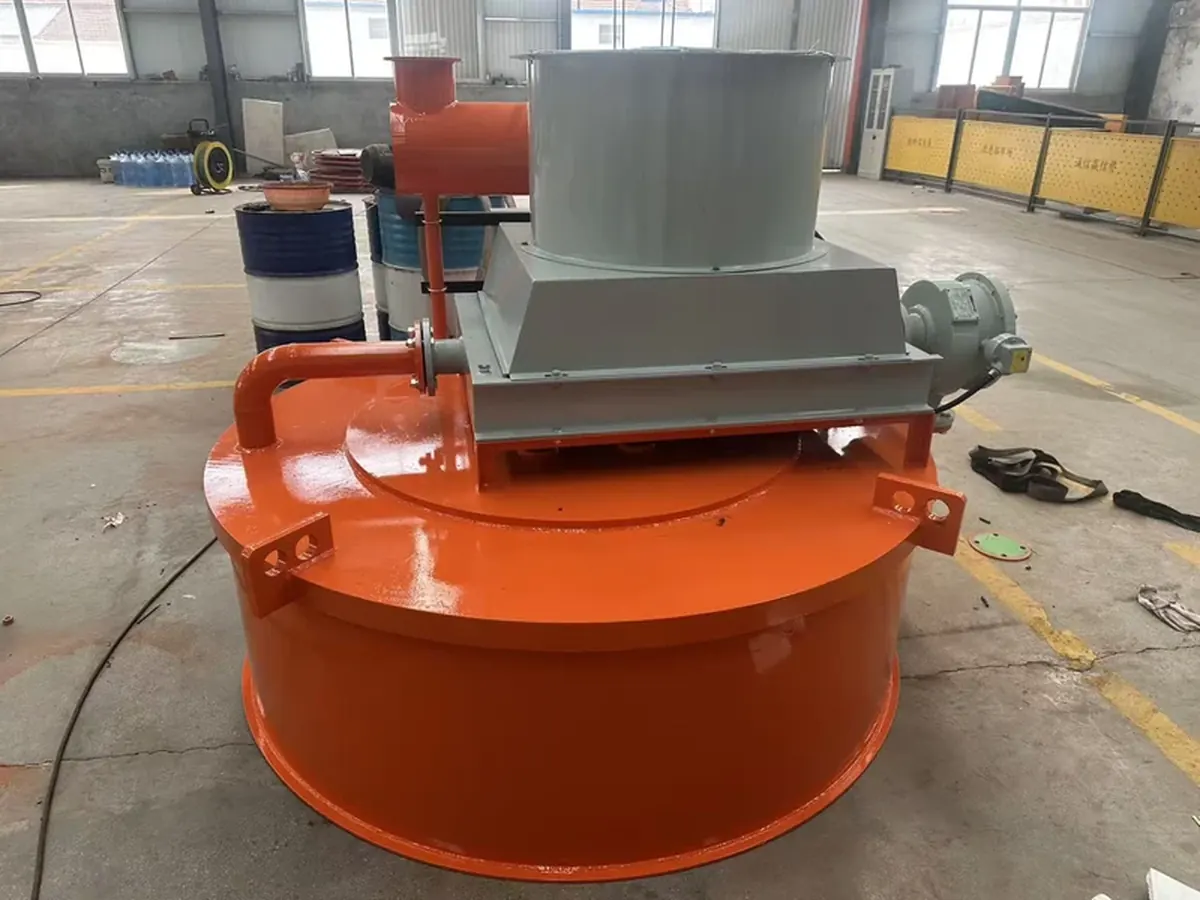
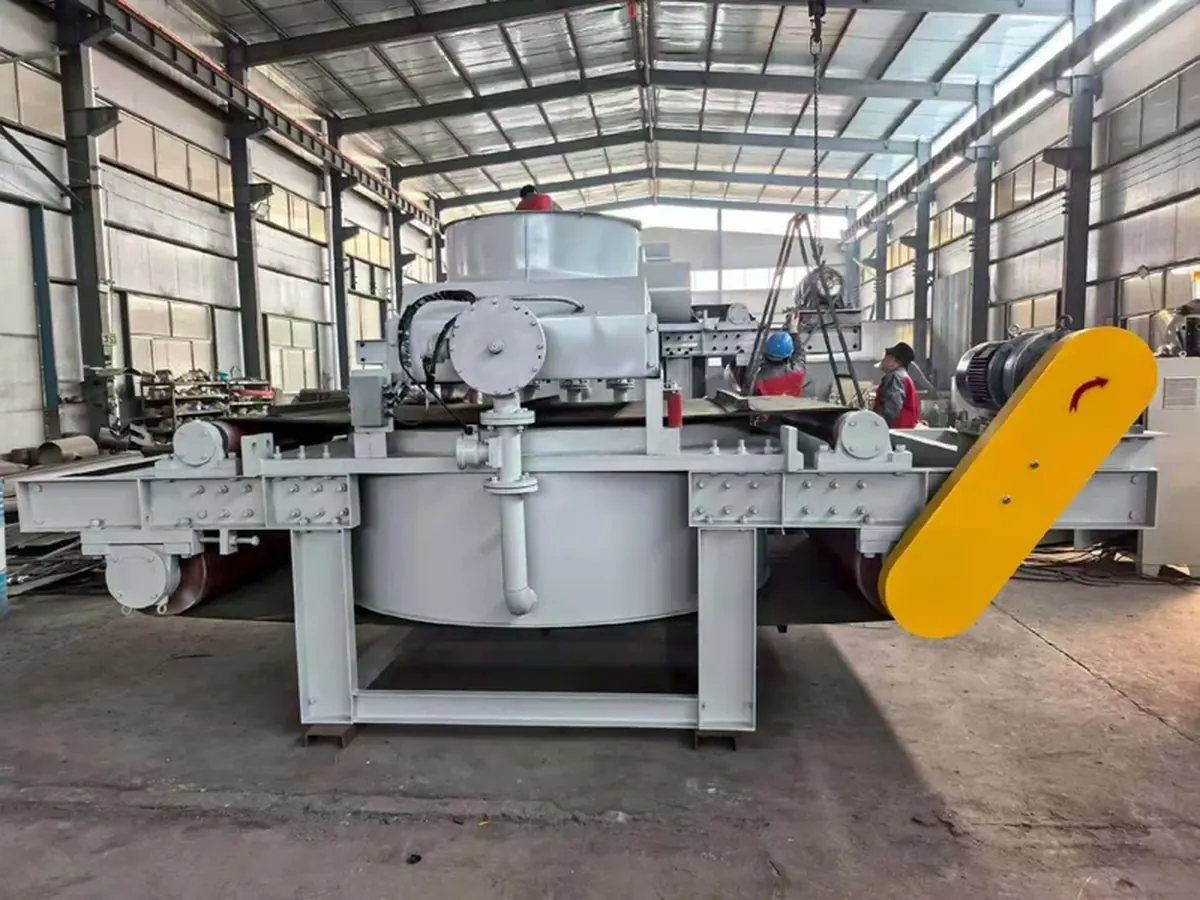
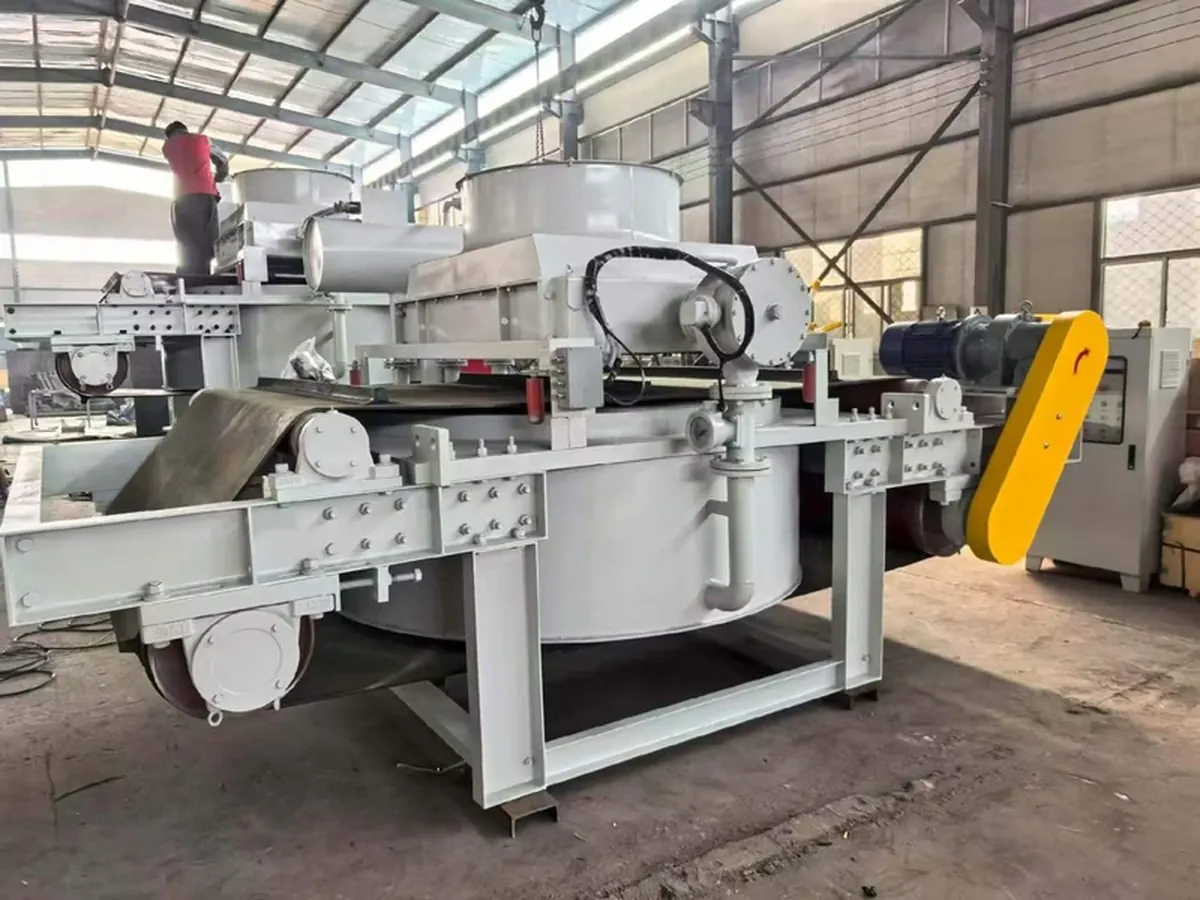
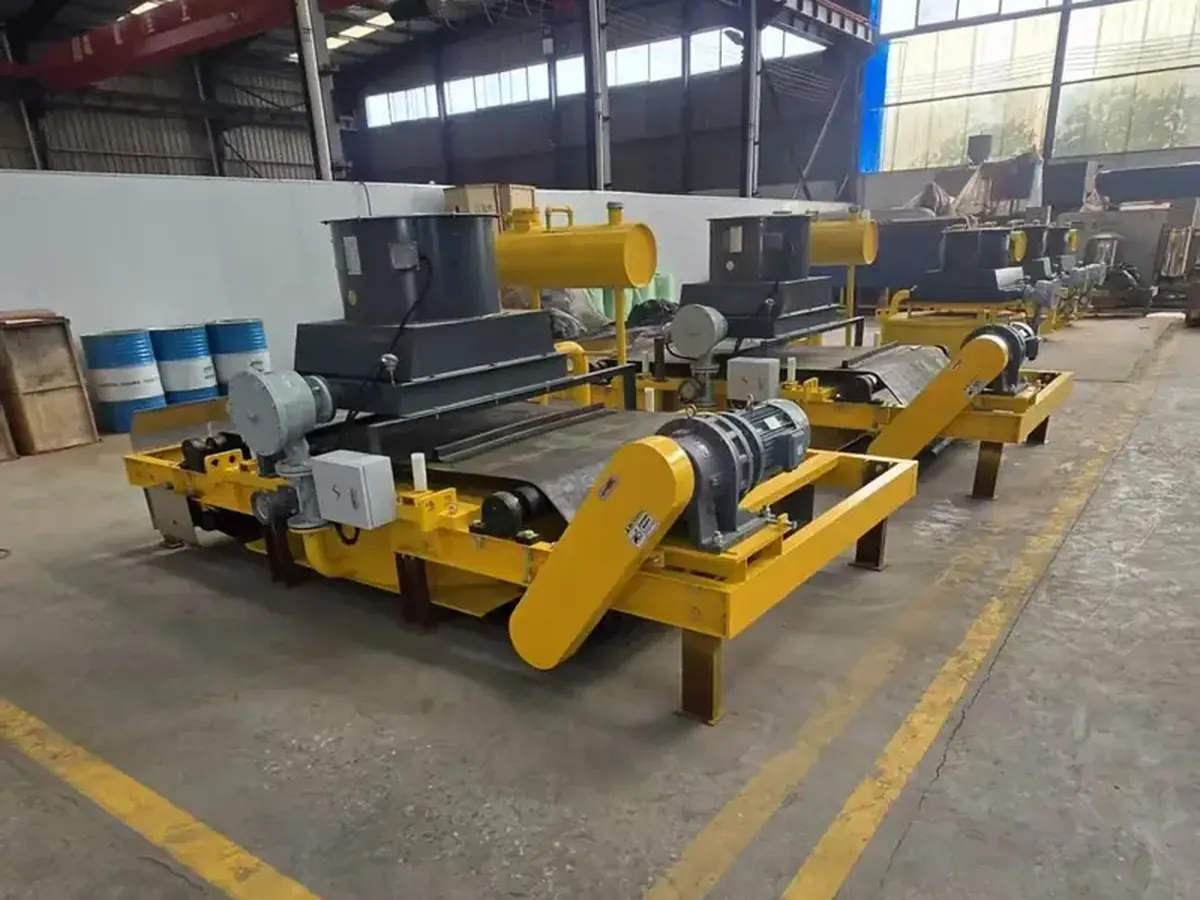
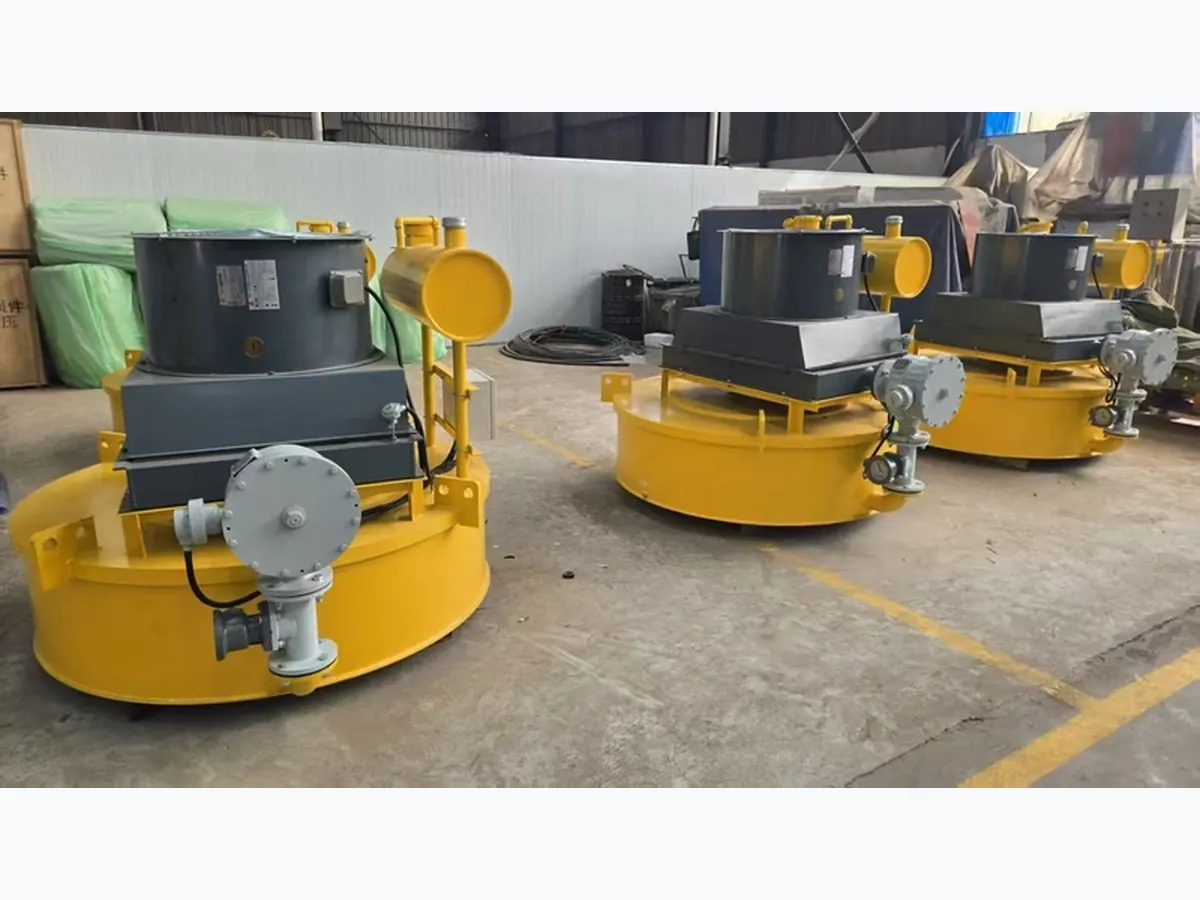
RCDFQ removes iron and steel from bulk material moving on a conveyor. It is a suspended electromagnetic separator with automatic belt cleaning and forced oil cooling. The cleaning belt carries captured metal away from the main material stream.
Why use a forced oil-cooled electromagnetic separator?
We use forced oil cooling to help manage heat while the electromagnet is energized. For the selected RCDFQ model, we confirm the cooling circuit, auxiliary equipment and operating conditions in the project specification.
Is the RCDFQ series self-cleaning?
Yes. RCDFQ uses a moving cleaning belt to carry captured iron or steel out of the magnetic zone. The belt then discharges the metal away from the main material stream.
How do I choose between T1, T2, T3 and higher T-levels?
We first choose the base model from your conveyor width and working distance. We then match the T-level to the target iron and how difficult it is to capture. Higher T-levels can also change power, cooling equipment, dimensions and weight, so we do not choose from the mT value alone.
Does a higher mT value guarantee better iron removal?
No. Magnetic flux density in mT is not the same as separation efficiency. Material depth, working distance, target size and shape, belt speed, material behavior and installation position also affect capture.
What conveyor belt widths are listed for the RCDFQ series?
Our current RCDFQ series data covers conveyor-width classes from 1000 to 2400 mm. We still check the conveyor profile, material depth, support structure and available clearance before final model selection.
Can this separator remove aluminum or copper?
No, not as the main separation method. RCDFQ is designed for iron and steel that respond strongly to a magnet. Aluminum, copper and other non-ferrous metals usually need a different separation technology.
Is RCDFQ an overband electromagnetic separator?
Yes. RCDFQ is a suspended, self-cleaning electromagnetic overband separator. It is installed above the main conveyor, and its cleaning belt carries captured iron or steel away for automatic discharge.
Should the separator be installed cross-belt or in-line?
Both layouts can be used in suspended overband applications. The right choice depends on conveyor geometry, material flow, reject direction, available headroom and service access. Send us the conveyor drawing or photos and we will review the installation position.
What should I send for RCDFQ selection and quotation?
Send us the material, target iron or steel, throughput, belt width and speed, and material depth or working distance. Also send a photo or line drawing, available space, site requirements and any required test. We use these inputs to recommend the RCDFQ base model and T-level.