
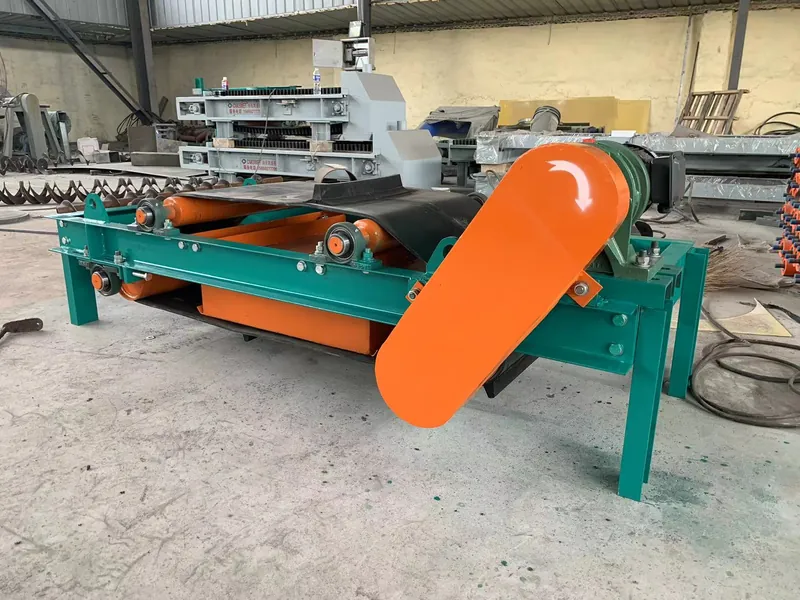
Self-Cleaning Cross-Belt Permanent Magnet Separator
Best for: Belt conveyors with frequent tramp iron that needs automatic removal.
View product →Find equipment by installation point and separation task.
All magnetic separators →Start with the material or production line you need to protect.
All applications →Compare technologies, check parameters and prepare your RFQ.
All guides →See the factory, quality checks and answers before you request a quotation.
Industrial Magnetic Separation
We supply magnetic separation equipment for removing tramp iron, cleaning dry powders, separating magnetic minerals and handling wet magnetic separation. If you are not sure which type you need, start with your material, how it moves, and what you want to remove.
Coal, ore, aggregate, powder, slurry or another bulk material?
What do you want to remove or recover?Large iron, steel pieces, fine ferrous contamination or a magnetic mineral?
How is the material moving?On a belt, through a pipe, as dry bulk, or as slurry? Material depth, speed and installation distance can change the final choice.
Start with the job you need the equipment to do. The same material can need a different separator when the goal changes.
Remove large tramp iron before it reaches downstream machinery.
Remove unwanted magnetic contamination from the material before the next process or final use.
Separate a useful magnetic fraction from the feed instead of treating it only as contamination.
Use metal detection when finding metal matters more than removing it with a magnetic field.
Now look at how the material moves. This usually narrows the equipment type quickly.
Start with a suspended magnetic separator when the main job is removing tramp iron from above the belt.
Choose another type if you need the full material stream split into magnetic and non-magnetic parts.
A magnetic pulley can separate magnetic material at the conveyor discharge point.
Use a suspended magnet instead if the head pulley cannot be changed.
Use a magnetic drum when the full material flow needs to pass through a continuous magnetic separation zone.
Use a high-intensity magnetic filter when small magnetic or ferrous contamination must be removed from dry powder.
Use a magnetic roller when the dry feed contains weakly magnetic particles and can be fed in a controlled layer.
Use a wet magnetic separator. Do not choose a dry drum just because the mineral itself is magnetic.
Use a pipeline magnetic separator for inline iron removal.
Use a metal detector. A detector and a magnetic separator do different jobs.
Select a product type below. Each group shows when it fits, when another type may be better, and what you should check before choosing.
Use these separators above a conveyor when you need to remove iron or steel from moving bulk material.
Your material moves on a belt and a permanent magnetic system can reach the target metal.
Choose another type if you need a full-stream magnetic split or the target is weakly magnetic fine material.
Material depth, real distance to the buried metal, belt speed and how often iron appears.
Best for: Belt conveyors with frequent tramp iron that needs automatic removal.
View product →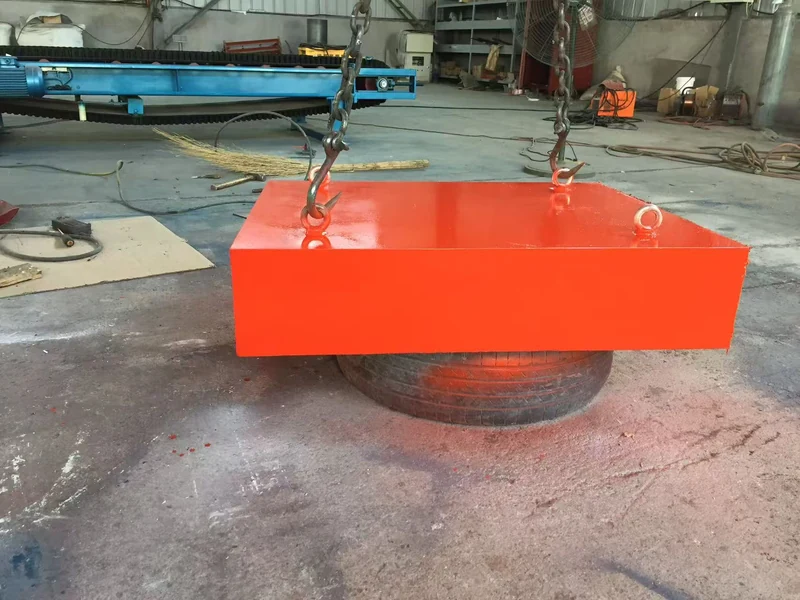
Best for: Removing occasional tramp iron from a conveyor when manual cleaning is practical.
View product →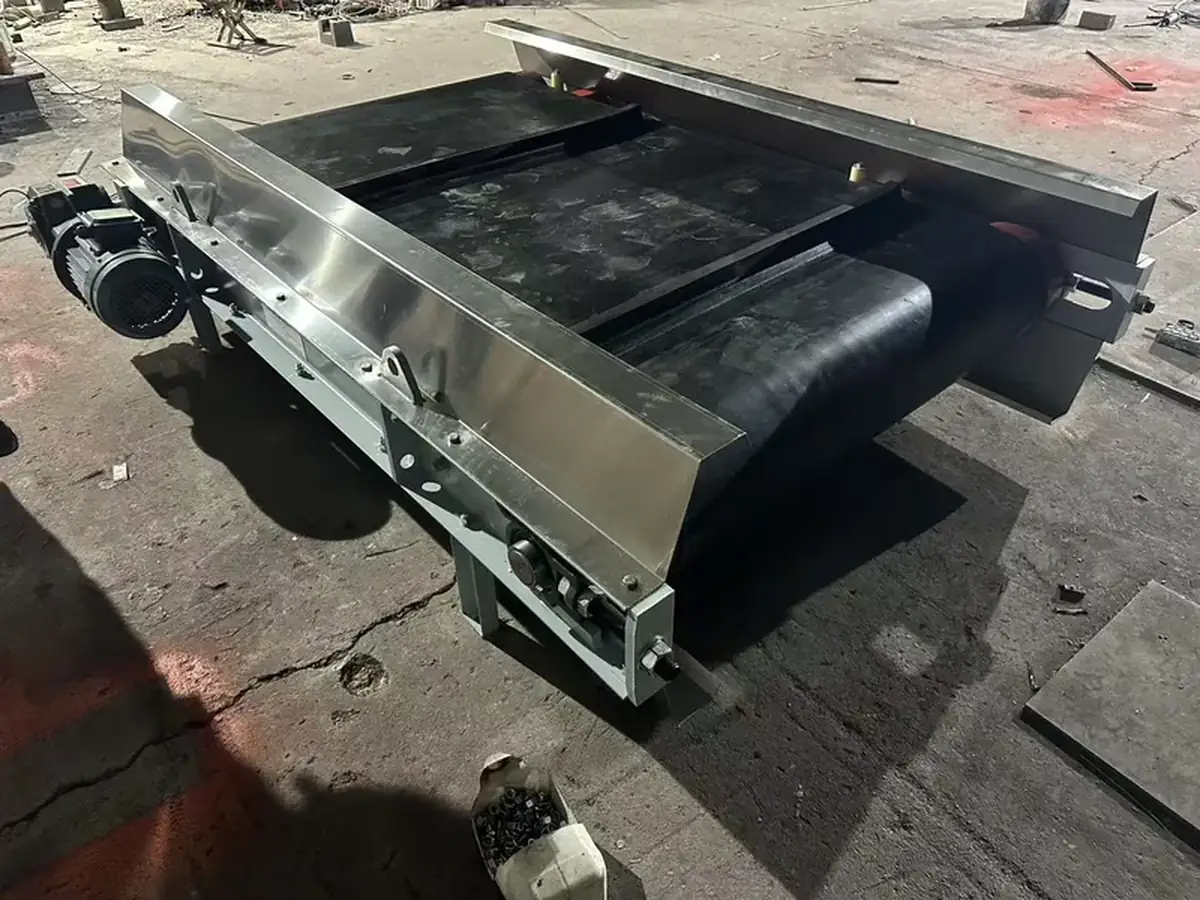
Best for: Continuous conveyor protection where captured iron needs to be carried away automatically.
View product →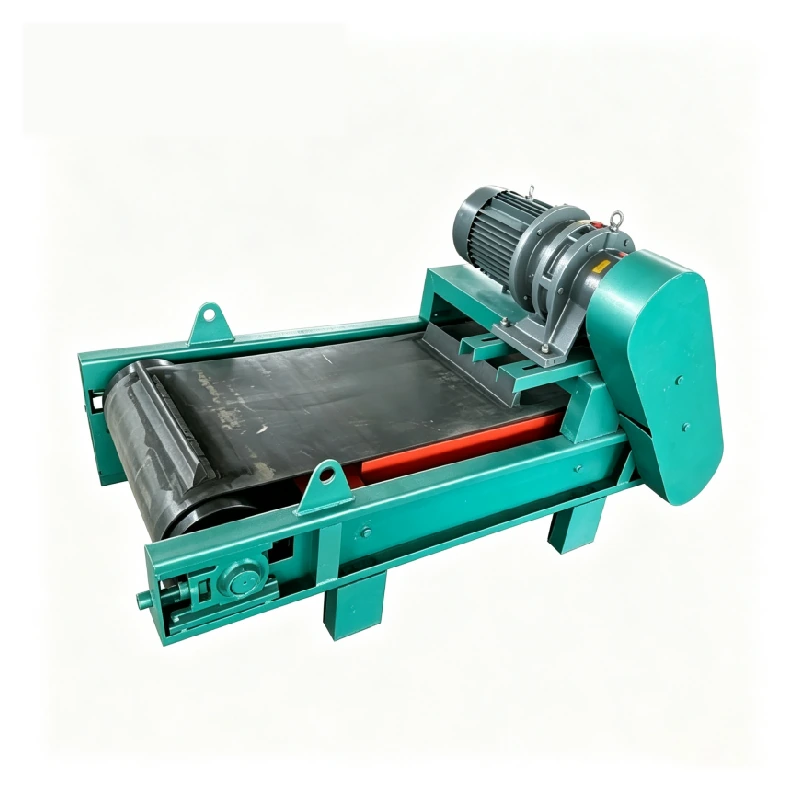
Best for: Light-duty conveyor lines that still need automatic iron discharge.
View product →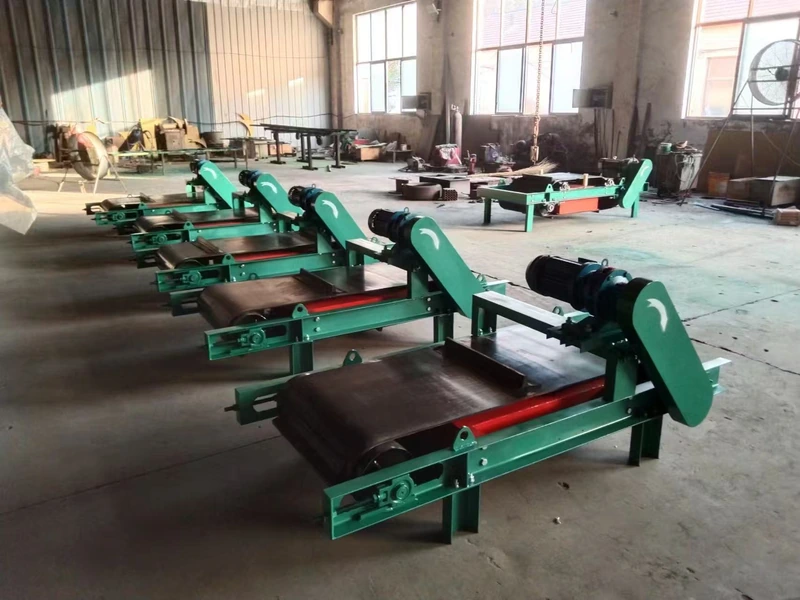
Best for: Light-duty conveyor iron removal with a cross-belt cleaning system.
View product →Use these separators above a conveyor when your application needs an electrically powered magnet.
You need a suspended conveyor magnet and an electromagnetic system fits the required size and working distance.
Choose another type if the job is full-stream mineral separation rather than tramp-iron removal above a belt.
Belt width, material depth, working distance, iron size, cleaning method, power supply and available space.
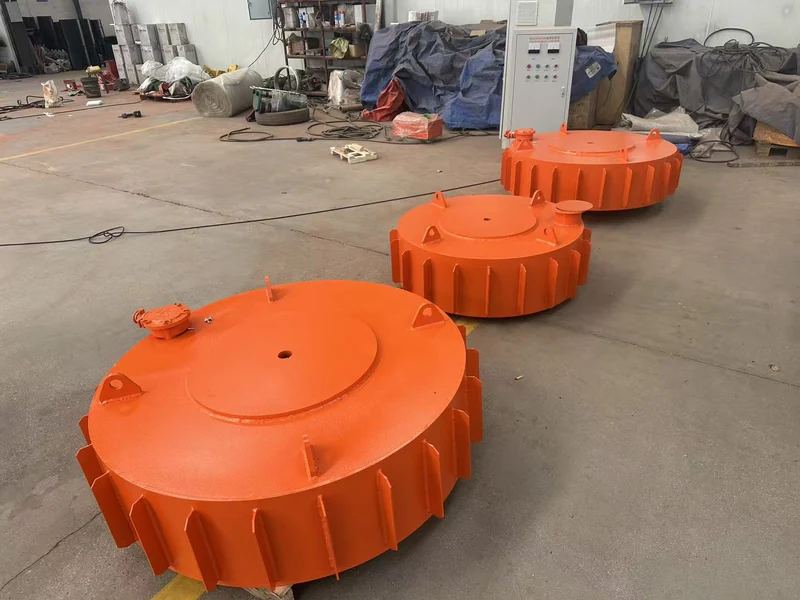
Best for: Conveyor tramp-iron removal when an electromagnet is needed and manual cleaning is acceptable.
View product →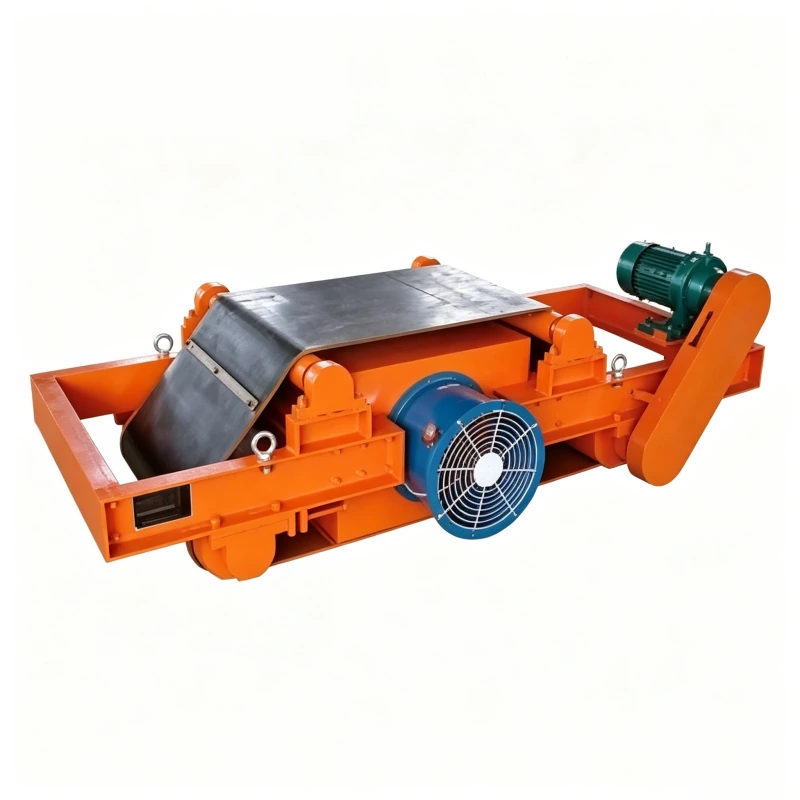
Best for: Continuous conveyor iron removal with automatic discharge and air cooling.
View product →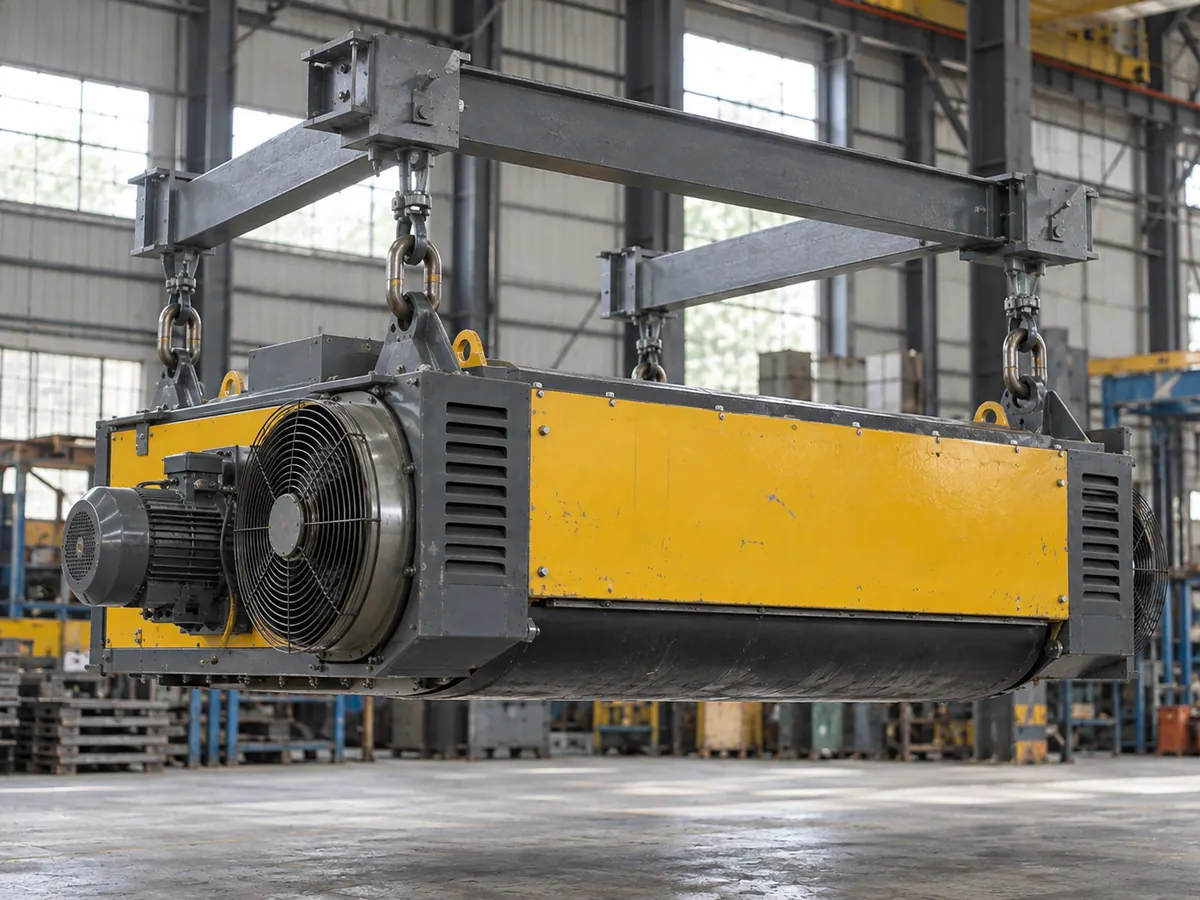
Best for: Suspended conveyor iron removal using an air-cooled electromagnet.
View product →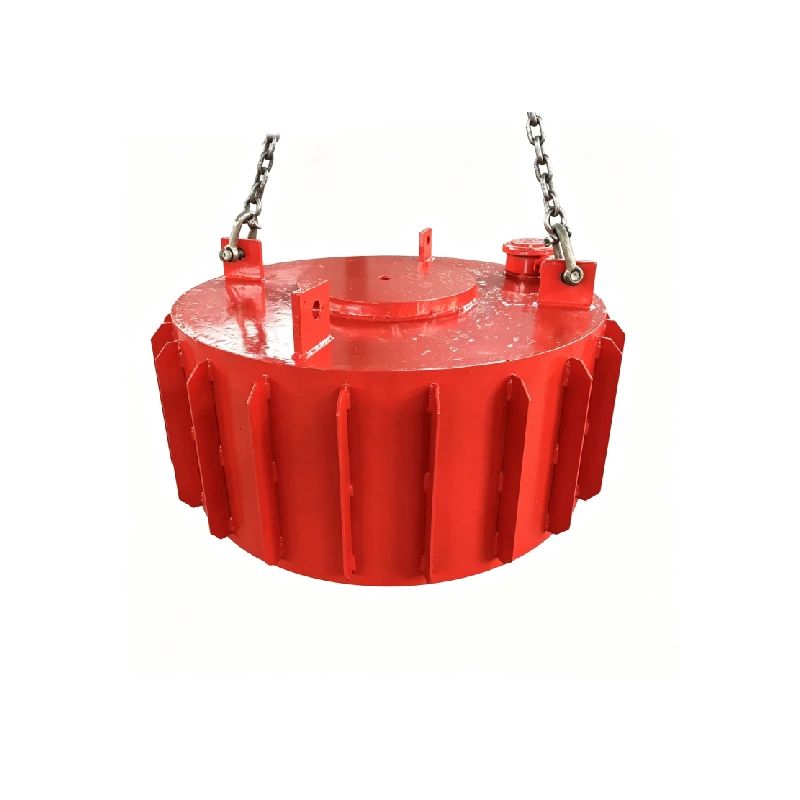
Best for: Conveyor applications that suit a compact suspended disc-type electromagnet.
View product →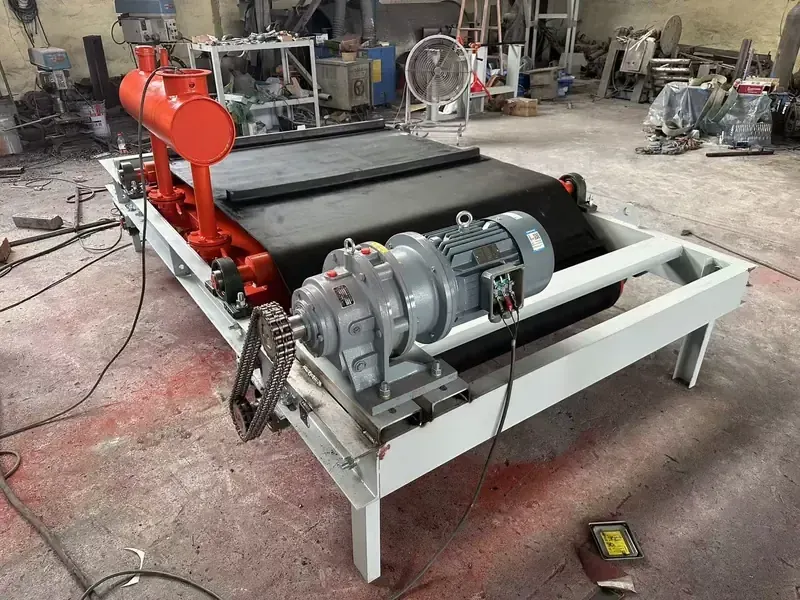
Best for: Frequent tramp iron where automatic cleaning and an oil-cooled electromagnet are needed.
View product →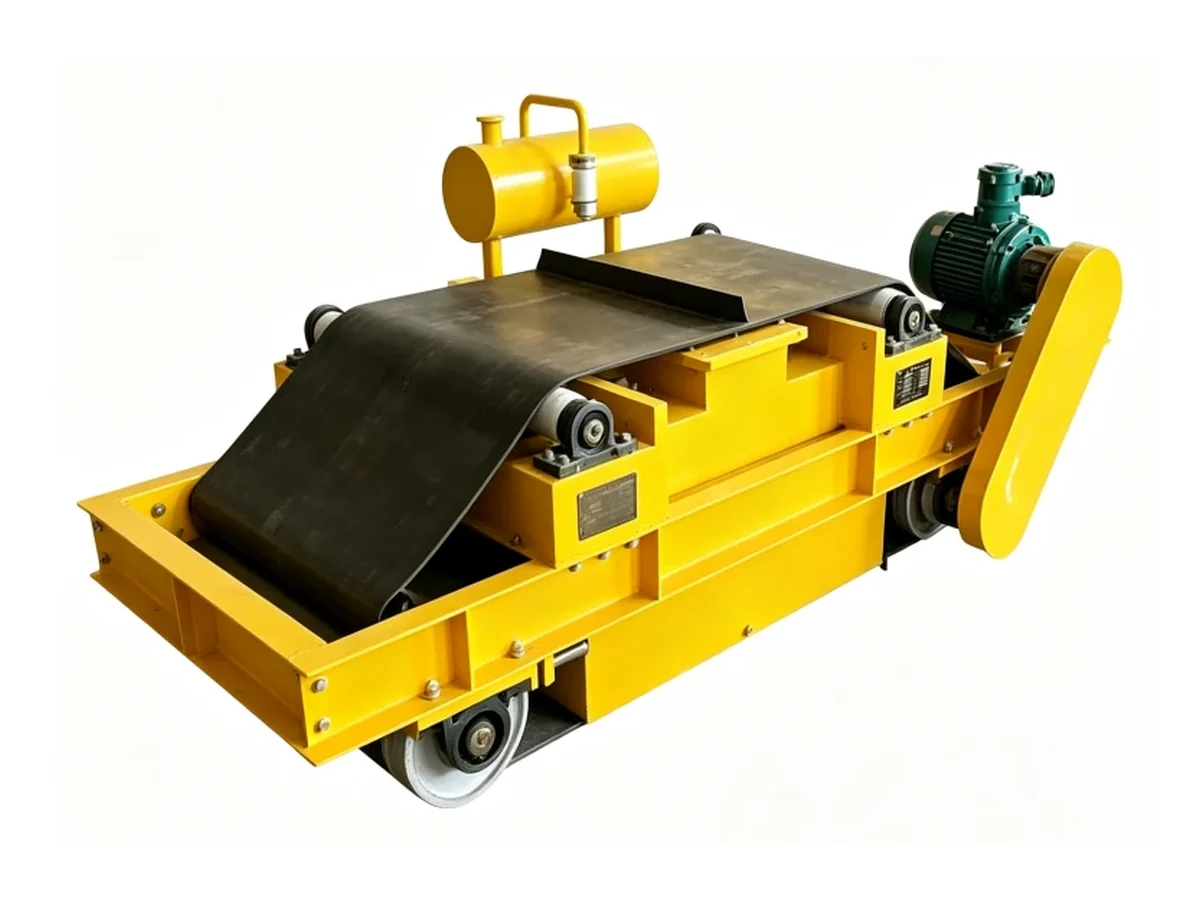
Best for: Continuous conveyor iron removal with automatic discharge and oil cooling.
View product →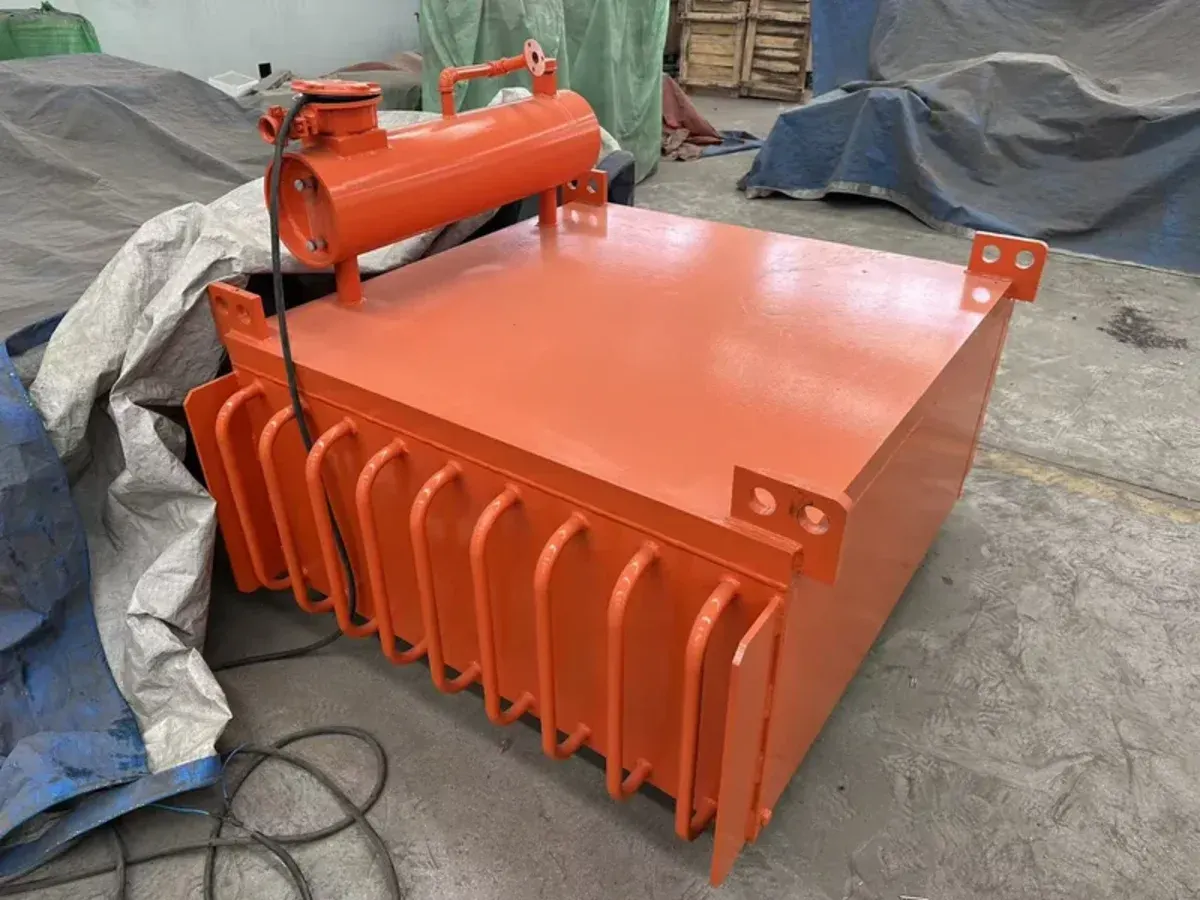
Best for: Suspended conveyor protection using an oil-cooled electromagnet.
View product →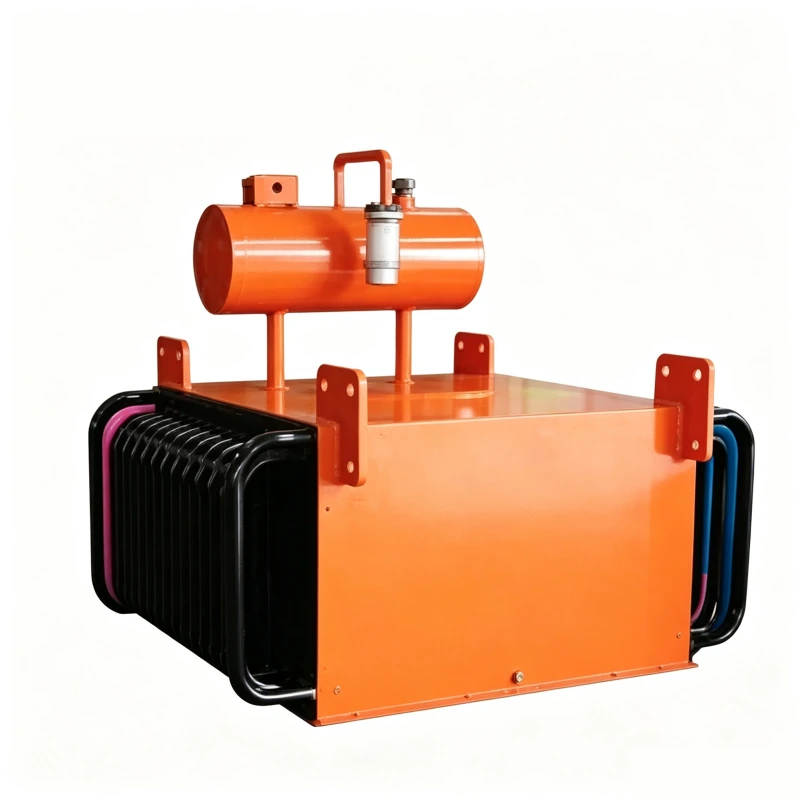
Best for: Conveyor iron removal using an oil-cooled suspended electromagnet.
View product →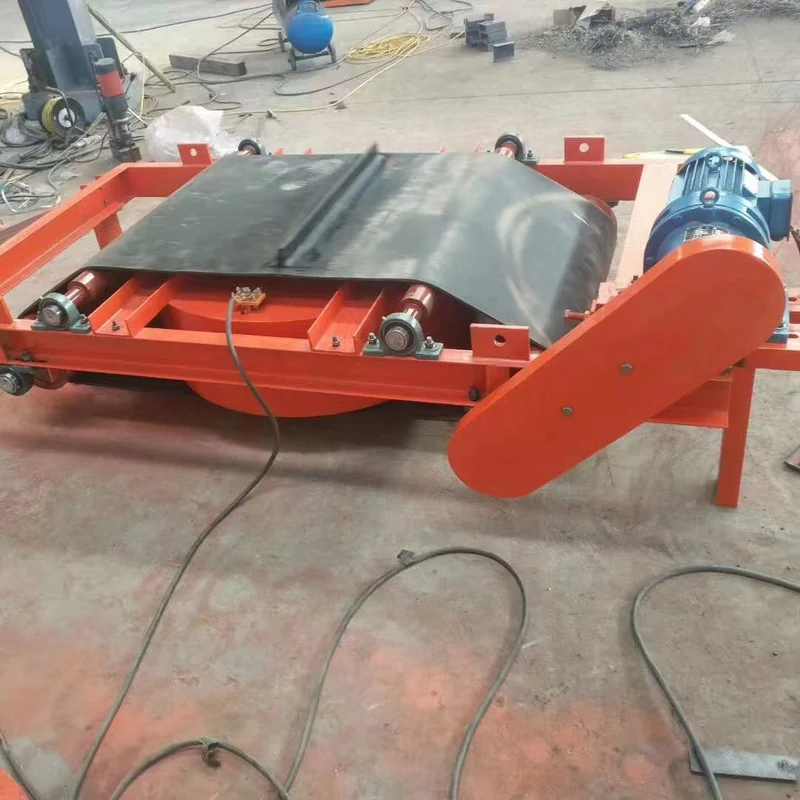
Best for: Frequent iron contamination where automatic cross-belt discharge is needed.
View product →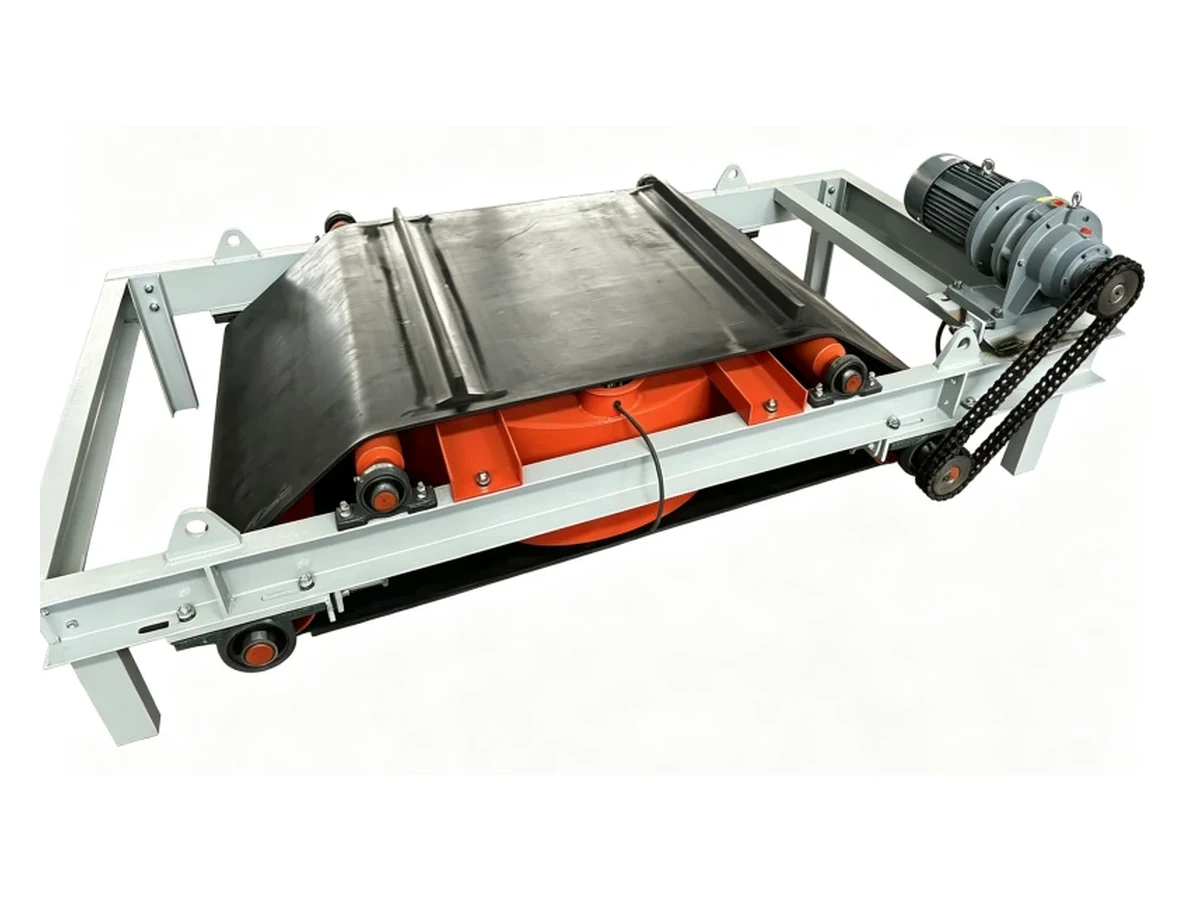
Best for: Automatic conveyor iron removal with a self-cooled electromagnet.
View product →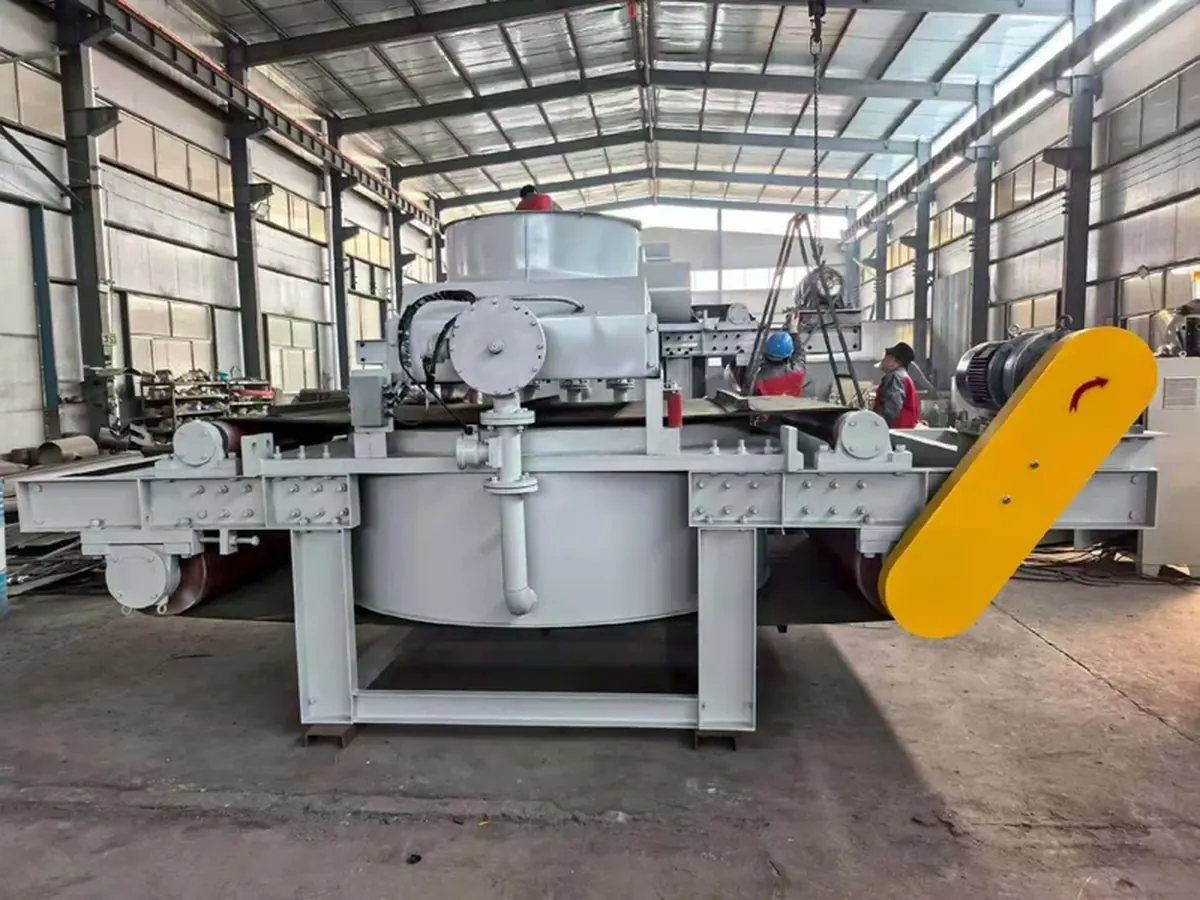
Best for: Conveyor iron removal where forced oil cooling is part of the selected electromagnet.
View product →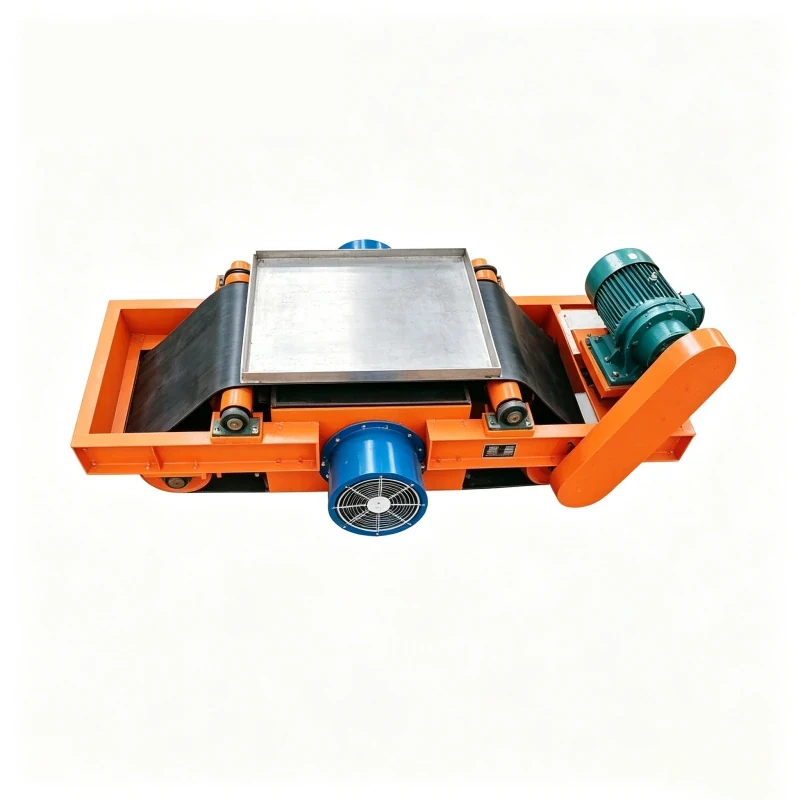
Best for: Automatic conveyor iron removal with an air-cooled electromagnet.
View product →
Best for: Conveyor iron removal using an air-cooled electromagnetic separator.
View product →Use a magnetic pulley at the conveyor head. Use a magnetic drum when the full material flow needs continuous separation.
You can present the material directly to the magnetic pulley or drum and separate magnetic from non-magnetic material continuously.
Choose a suspended separator if you only need to lift tramp iron from above a moving belt.
Feed size, how the material reaches the magnetic surface, speed and where each material stream will discharge.
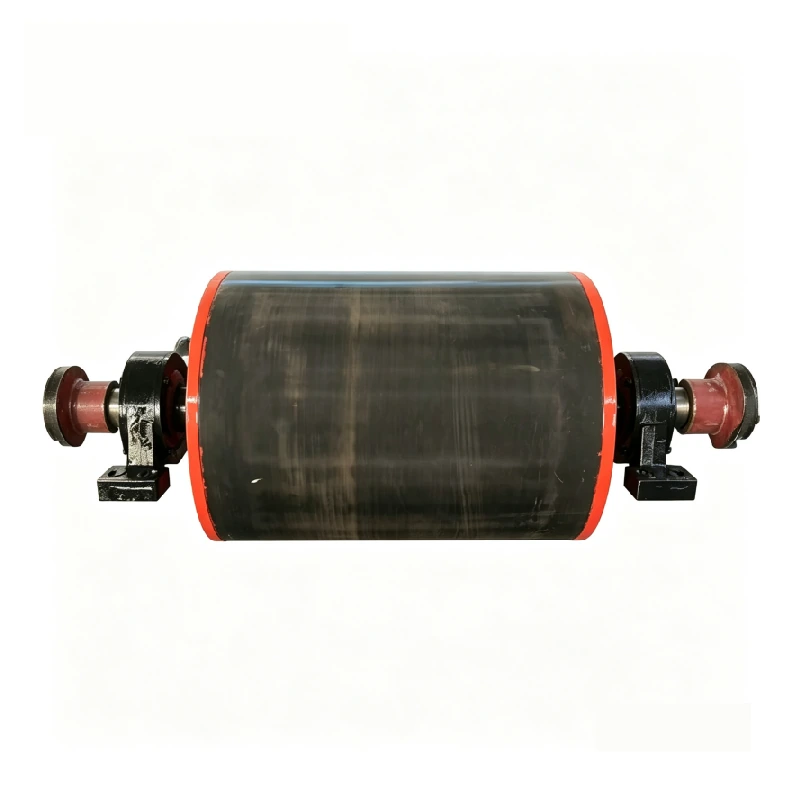
Best for: Using the conveyor head itself as the separation point.
View product →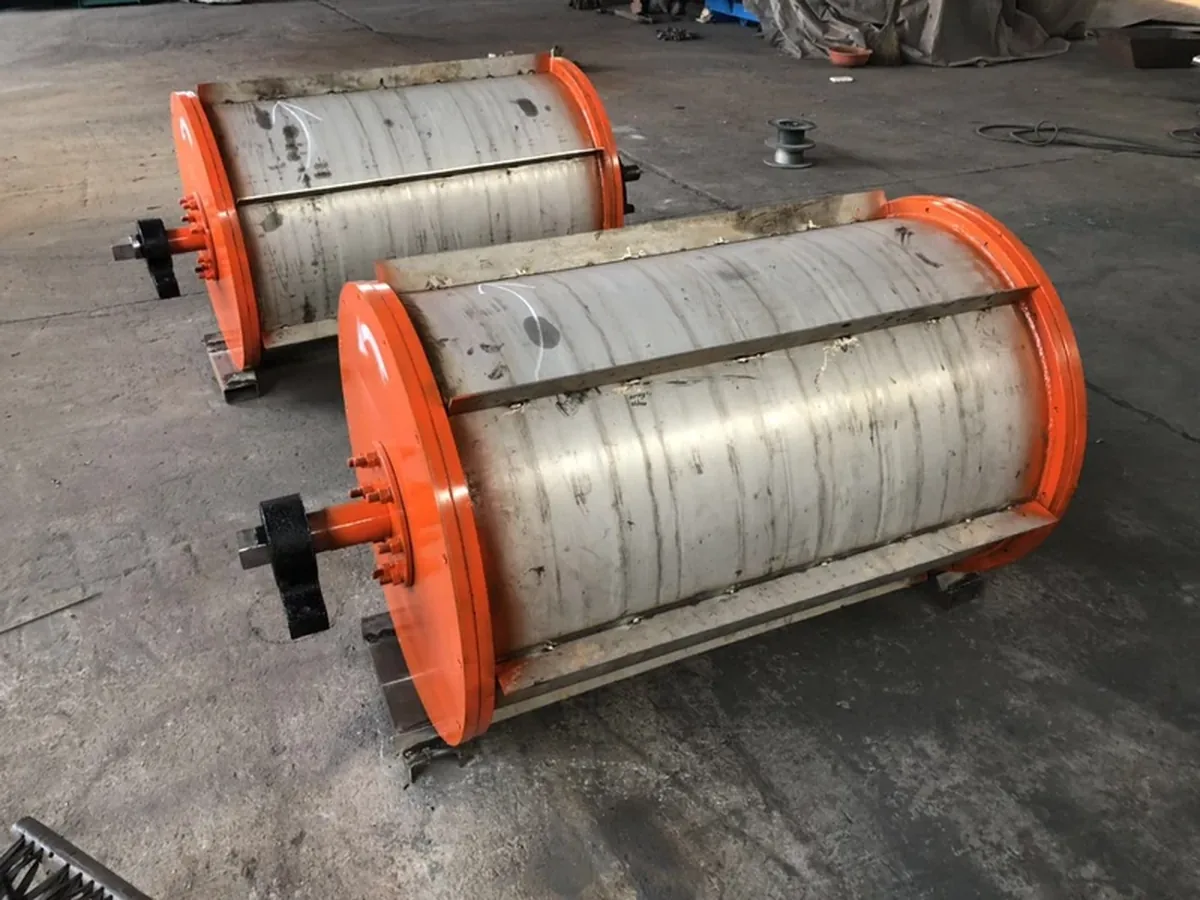
Best for: Continuous separation where the material can pass across a rotating magnetic drum.
View product →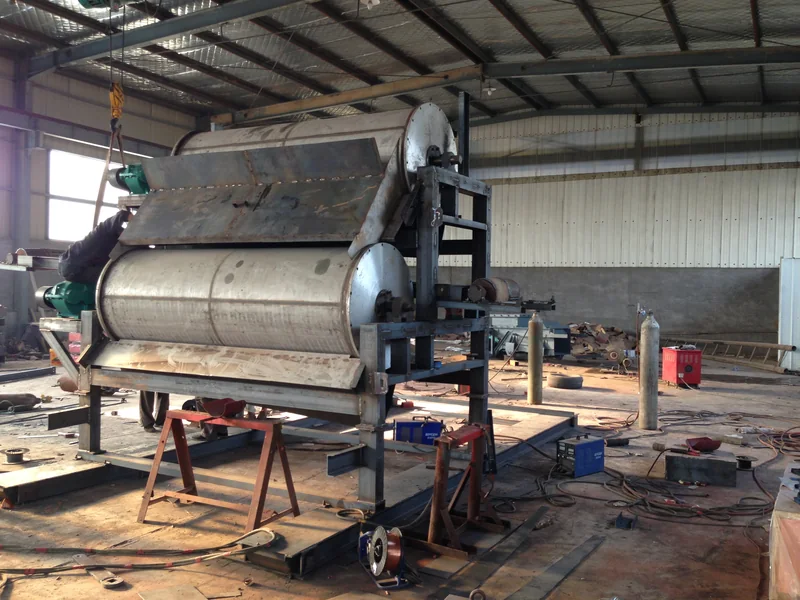
Best for: Dry bulk material that needs a continuous magnetic and non-magnetic split.
View product →Use these types for fine dry contamination or weakly magnetic dry particles, not for large tramp iron on a conveyor.
The material is dry and either very fine or only weakly magnetic.
Choose a suspended conveyor magnet if the main problem is large iron or steel pieces on a belt.
Particle size, how strongly the target responds to a magnet, moisture and how evenly the material can be fed.
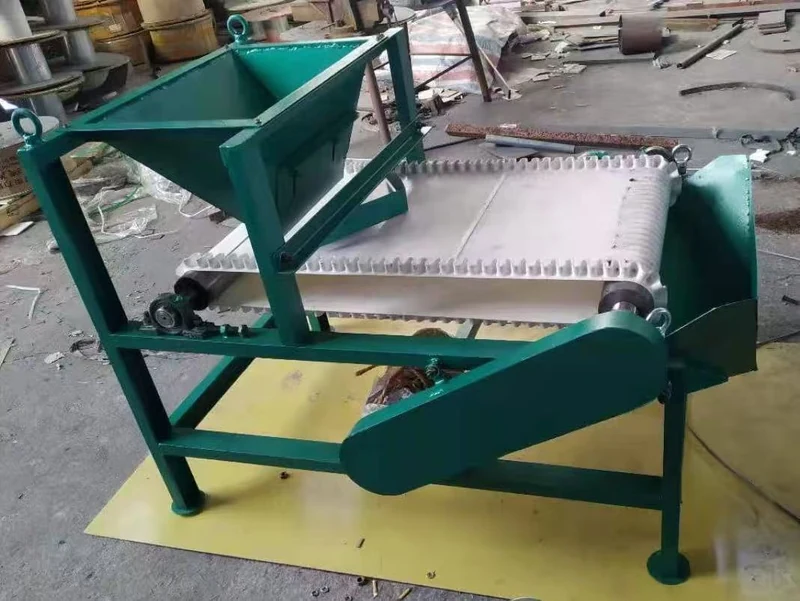
Best for: Dry feed containing weakly magnetic particles that needs a controlled separation step.
View product →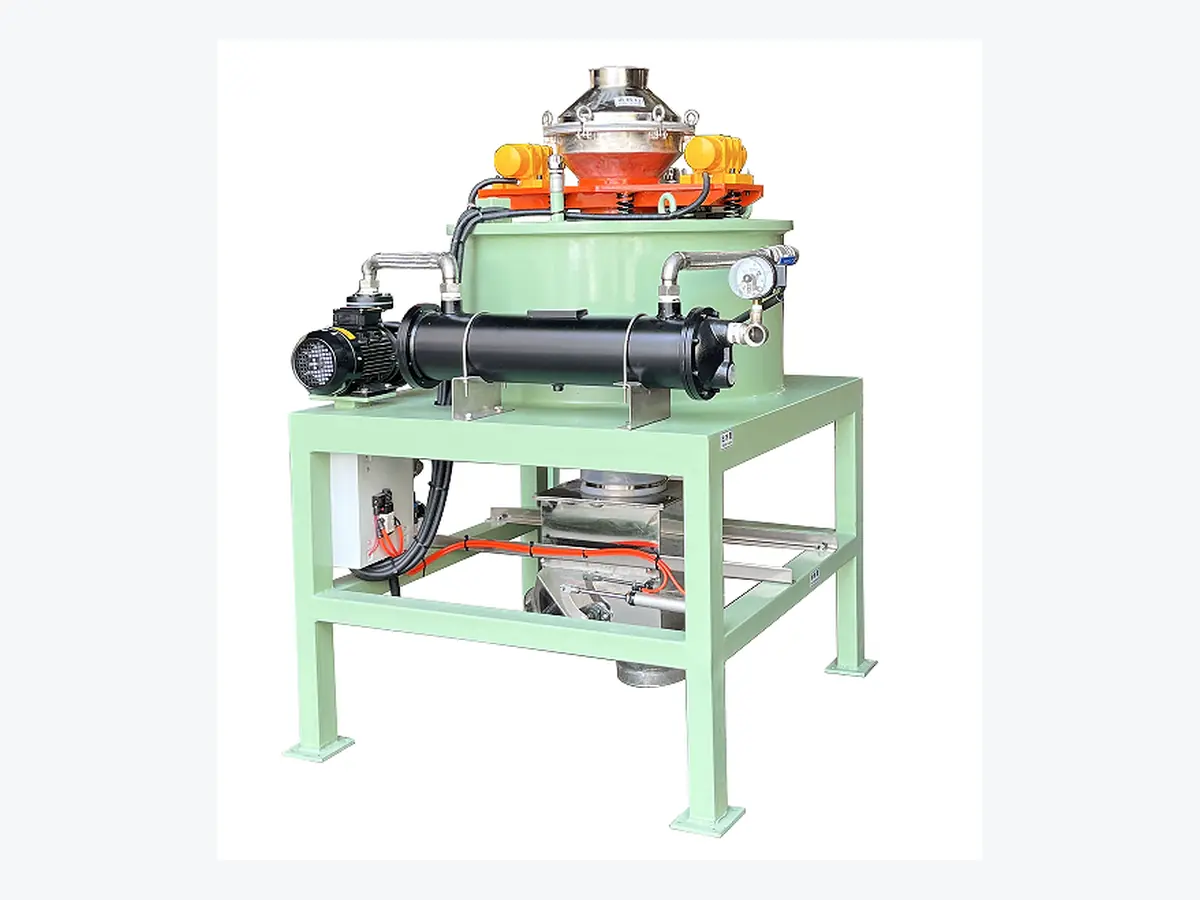
Best for: Fine dry powder where small magnetic or ferrous contamination needs to be captured.
View product →Use wet magnetic separators when the material is handled as slurry or pulp.
The separation happens in a true wet process and the target material responds to a magnetic field.
Do not choose wet equipment just because dry bulk is damp or slightly sticky.
Slurry condition, particle size, whether the target is strongly or weakly magnetic, and how the material flows through the separator.
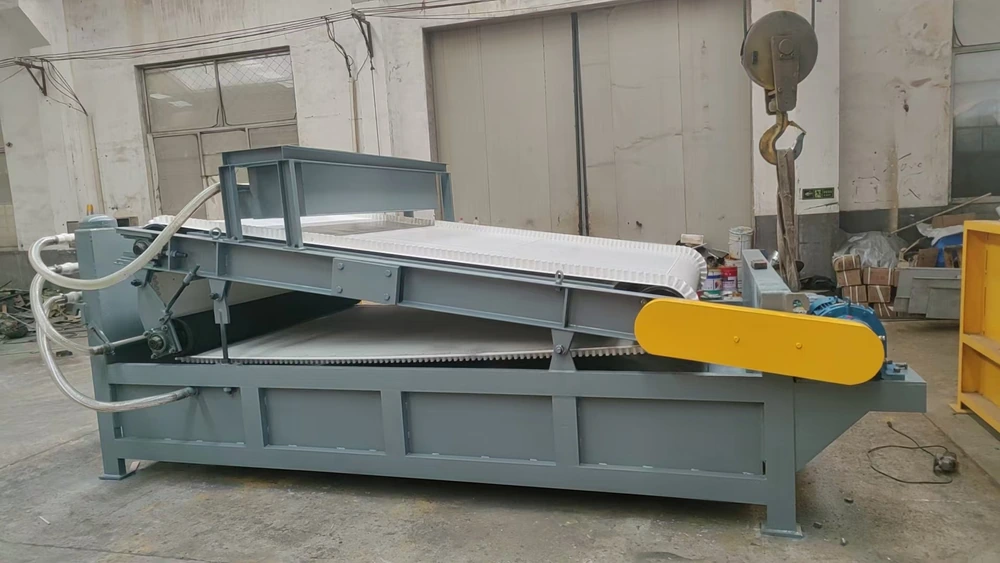
Best for: Wet material where weakly magnetic particles need a high-intensity separation method.
View product →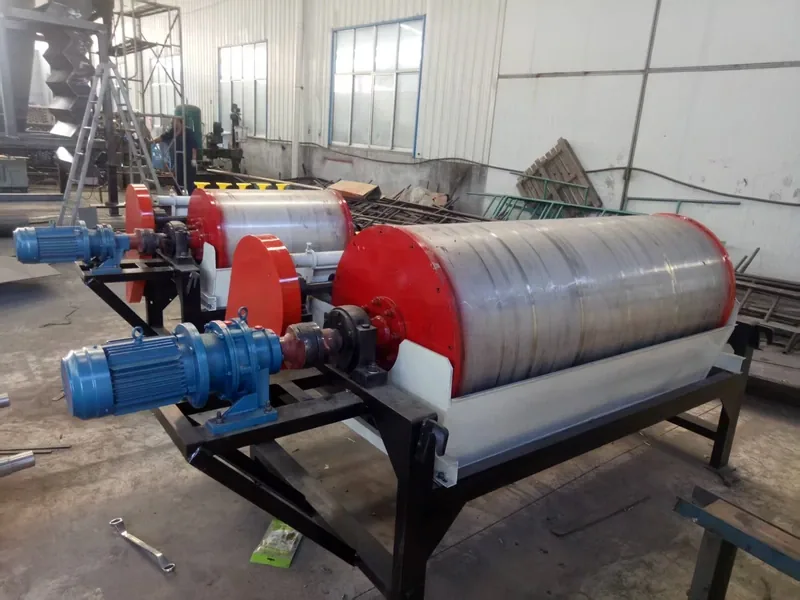
Best for: Slurry or pulp containing a strongly magnetic material that needs continuous separation.
View product →Use this type when dry or gravity-fed bulk material moves through a pipe or chute and iron needs to be removed inside the flow.
Dry bulk passes through a pipe or chute and you need inline iron removal.
Choose wet equipment if the line carries a true liquid or pumped slurry.
Pipe or chute size, material flow, access for cleaning and the size of the metal you want to remove.
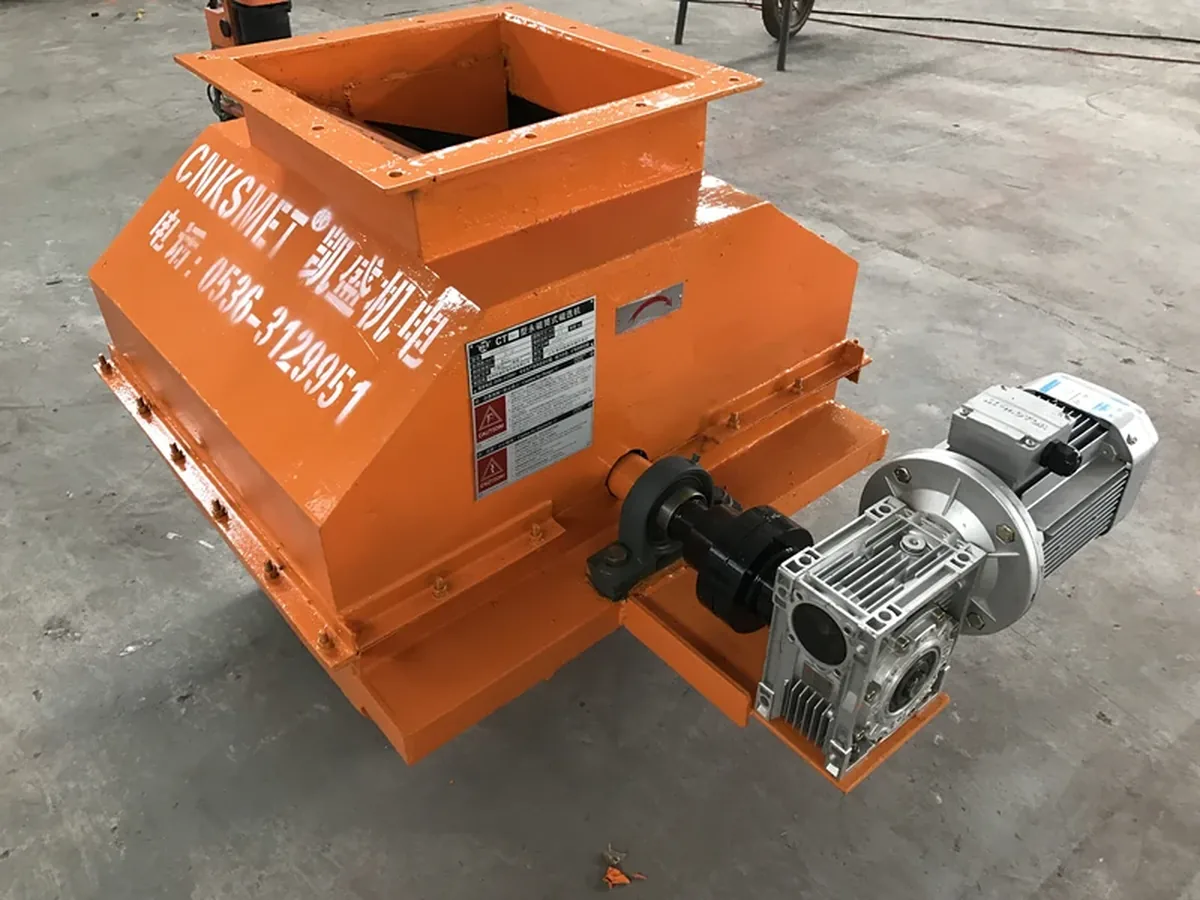
Best for: Dry or gravity-fed material moving through a pipe or chute where iron needs to be captured inline.
View product →A metal detector finds metal. A magnetic separator captures or separates magnetic material. They solve different problems.
You need to detect metal on a conveyor rather than remove it with a magnetic field.
Choose magnetic separation first when the main job is to capture iron or steel from the material stream.
Which metals matter, where the detector will sit, material conditions and what should happen after metal is detected.
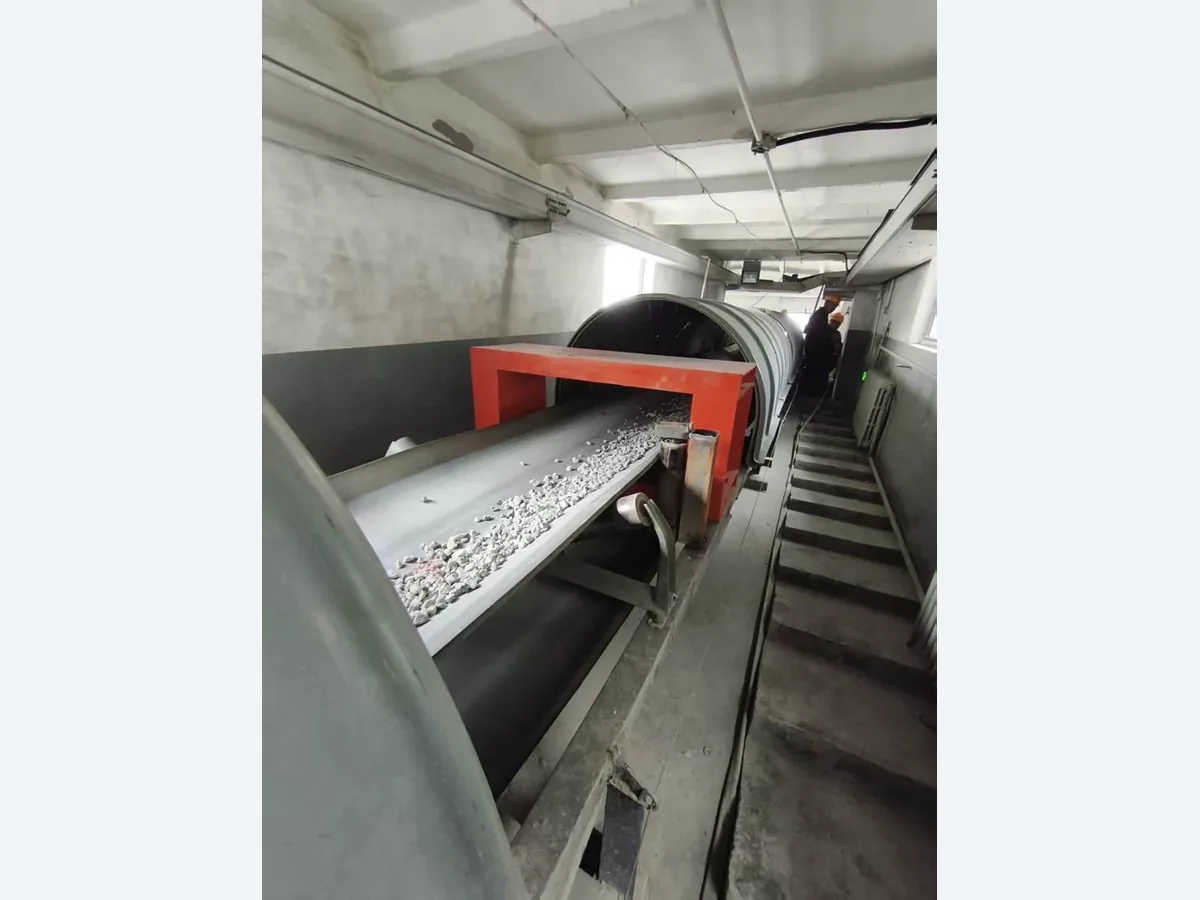
Best for: Finding metal on conveyor lines. This is related metal-control equipment, not a magnetic separator.
View product →Choose a permanent magnet when it can reach the target metal at your real installation distance and you want a magnetic field without electrical excitation.
Choose an electromagnet when your application needs an electrically powered magnetic system.
Important: a deeper material bed or longer distance can make either option harder. Do not choose from magnet type alone.
Iron appears only occasionally: manual cleaning can be the simpler choice when access is safe.
Iron appears often: use self-cleaning when you want the captured metal removed automatically.
But check the space: self-cleaning still needs enough room for the metal to discharge.
Above a belt: suspended separator.
At the conveyor head: magnetic pulley.
Full dry material stream: magnetic drum.
A magnetic pulley is not just a suspended magnet placed at the conveyor head. The material passes around the magnetic pulley itself.
The same separator can give different results when metal size, distance, material depth, speed or material condition changes.
Large tramp iron, small steel pieces, fine ferrous contamination and weakly magnetic minerals do not behave the same way.
This is the working distance. A longer distance makes capture harder. Measure to the hardest-to-reach metal, not only to the top of the material.
This is often called burden depth. A deeper bed can place buried metal much farther from the magnet.
A faster belt gives the magnet less time to attract, lift and move the metal away from the product stream.
Moisture, lumps and poor flow can change how the material reaches the magnetic area. True slurry needs a wet separation method.
If iron appears often, automatic cleaning may help. You still need enough space for the removed metal to discharge without blocking the line.
This is where many wrong choices happen. One condition may point toward a separator, but another condition can change the answer.
A deep bed puts buried metal farther from the magnet. A fast belt gives the magnet less time to capture it. When both happen together, the job is harder than either condition alone.
Send us: material depth, belt speed and the real distance to buried metal.
Frequent iron usually points toward self-cleaning. But automatic cleaning still needs room for the captured metal to leave the belt.
Check: discharge direction, side space and the size of the largest iron piece.
Fine material does not automatically mean a magnetic filter is the right choice. If the particles are also weakly magnetic, a roller or another high-intensity type may fit better.
Check: particle size, magnetic response and how evenly the material can be fed.
Result: this is usually an easier capture condition.
Result: this is a harder capture condition even if the belt width is the same.
Same belt width does not mean the same separator will give the same result. Material depth, speed, target size and distance can all change the equipment you need.
A higher Gauss number does not automatically mean better separation. Compare magnetic numbers only when the measurement method and application are similar.
A high surface reading does not prove the magnet can still capture metal far away or deep inside the material.
The magnetic field may be strong, but the target still has less time to respond when the belt moves faster.
A strong conveyor magnet is not a direct replacement for a roller or other high-intensity separator when the target is weakly magnetic fine material.
Wet material is not always a wet magnetic-separation application. The key question is how the material actually flows through your process.
Dry equipment may still be suitable if the material continues to move as normal bulk solids.
Moisture can cause poor feeding, buildup or uneven layers. In this case, material flow may be the first problem to solve.
Use a wet magnetic separator when the material is carried in a liquid process and separation happens in that wet flow.
| Your Application | Good Choice | What Can Change the Choice | What to Tell Us |
|---|---|---|---|
| Iron above a conveyor | Suspended permanent or electromagnetic separator | Deep material, high speed, frequent iron, limited discharge space | Belt width, material depth, belt speed, metal size, working distance |
| Frequent tramp iron | Self-cleaning suspended separator | Very limited side space or difficult discharge direction | How often iron appears, largest piece, available discharge space |
| Conveyor head can be replaced | Magnetic pulley | Head pulley cannot be changed or discharge paths cannot be separated | Pulley size, belt layout, discharge arrangement |
| Dry bulk needs continuous separation | Dry magnetic drum | Moisture, particle size, poor feed spread or true slurry conditions | Particle size, feed condition, magnetic material, feed rate |
| Fine dry powder | High-intensity magnetic filter | Weak magnetic response may point to another high-intensity type | Powder type, particle size, target material, cleaning preference |
| Weakly magnetic dry particles | Magnetic roller | Very uneven or poorly controlled feed | Particle size, material type, how the feed is spread |
| Strongly magnetic material in slurry | Wet drum magnetic separator | Weak magnetic response may move the choice toward wet high-intensity | Slurry condition, particle size, target magnetic material |
| Dry material through pipe or chute | Pipeline magnetic separator | The line carries a pumped slurry or true liquid process | Pipe/chute size, material condition, access for cleaning |
| Aluminum, copper or brass | Use another separation method | Conventional magnetic separation is not the first choice | Metal type, size and where it appears in the process |
Use a suspended or cross-belt separator. Keep enough space for the magnet, supports, cleaning and metal discharge.
Watch out: raising the magnet only to gain more clearance can also increase the working distance and make capture harder.
Use a magnetic pulley when the head pulley can be changed and the magnetic and non-magnetic material can follow different paths.
Use a drum, pipeline separator, filter or roller depending on how the material moves and what you need to remove.
Use wet magnetic separation when the material is handled as slurry or pulp. Tell us whether the target is strongly or weakly magnetic.
Check the metal type, material depth, real working distance and belt speed first. These conditions can change the result even when the separator itself has not changed.
Check burden depth and the real distance from the magnet to the buried metal. Surface metal may be close enough to capture while deeper pieces are not.
Check the belt speed. Faster movement gives the magnet less time to attract and move the target metal.
Check discharge direction, side space, the size of the iron pieces and whether material buildup is blocking the discharge area.
Do not assume you only need a stronger suspended magnet. Fine contamination may need a magnetic filter, roller or another high-intensity separator depending on particle size and magnetic response.
You do not need every detail before contacting us. Start with your material, what you want to remove, and how the material moves. Then open the section that matches your equipment type.
Send belt width, belt speed, material depth on the belt, distance from the magnet to the material, metal size, how often the metal appears, and any available drawing or site photo.
Send the material, particle size, moisture, how much material you process per hour, the magnetic material you want to separate, and how evenly the feed can be spread.
Send the material, particle size, slurry condition, target magnetic material, how much material you process, and any information you have about the current wet process.
Send the pipe or chute size, material type, how the material flows, access for cleaning, the metal size you want to remove, and a drawing or photo if available.
We do not start with one model. Two projects with the same belt width can still need different equipment when material depth, speed, target-metal size or installation distance changes.
We help you choose the equipment type first, then check how it should fit your line. If you already have a drawing, site photo or existing separator, send it to us. We can use it to narrow the choice and confirm the main installation details before production.
We first look at what you process and what metal or magnetic material you want to remove.
Material depth, speed, working distance, particle size and cleaning needs can all matter.
Send us your belt size, available space, drawing or site photo.
We confirm the main dimensions, cleaning method and installation details before the equipment moves forward.
For tramp iron on a belt conveyor, start with a suspended magnetic separator above the belt or a magnetic pulley at the conveyor head. If iron appears often, self-cleaning is usually the better choice. If it appears only occasionally and safe manual cleaning is easy, manual cleaning can be simpler.
Choose a permanent magnet when it can reach the target metal at your actual installation distance and you want a magnetic field without electrical excitation. Choose an electromagnet when your application needs an electrically powered magnetic system. Belt width alone is not enough to make this choice.
Use self-cleaning when iron appears often enough that manual cleaning would interrupt production. Also check that there is enough room for the captured metal to discharge. If iron is rare and safe manual cleaning is easy, a manual-clean separator can be simpler.
Use a dry drum for dry, flowable bulk material. Use a wet drum when the material is handled as slurry or pulp and the target material is strongly magnetic. Damp bulk material is not automatically a wet-separation application.
No. Gauss tells you the magnetic field strength at the point where it was measured. It does not directly tell you pull force, working reach or separation efficiency. Deep material, long distance and high speed can still make capture difficult.
No. Conventional magnetic separators mainly work with materials that respond to a magnetic field. Iron and many steels can be removed magnetically. Aluminum, copper and brass need another separation method.
A magnetic pulley replaces the conveyor head pulley and separates material at the discharge point. A magnetic drum is a separate rotating magnetic unit used for continuous separation of a material stream.
Burden depth means how deep the material is on the belt. A deeper bed can place buried metal farther from the magnet. That makes capture harder even when belt width stays the same.
A faster belt gives the magnet less time to attract, lift and move the target metal. Deep burden and high speed together are harder than either condition alone.
Not always. Two conveyors with the same width can have different material depth, speed, target-metal size and working distance. Those differences can change the separator you need.
First check the target metal, material depth, real working distance and belt speed. If it catches surface metal but misses buried pieces, distance and burden depth are often the first things to compare. Do not assume the answer is simply a higher Gauss number.
Use a magnetic separator when you need to capture or separate magnetic material. Use a metal detector when you need to find metal on the line. Some conveyor systems use both for different jobs.
Start with your material, what you want to remove, how much material you process, and where you want to install the separator. A drawing or site photo can help us narrow the choice faster.